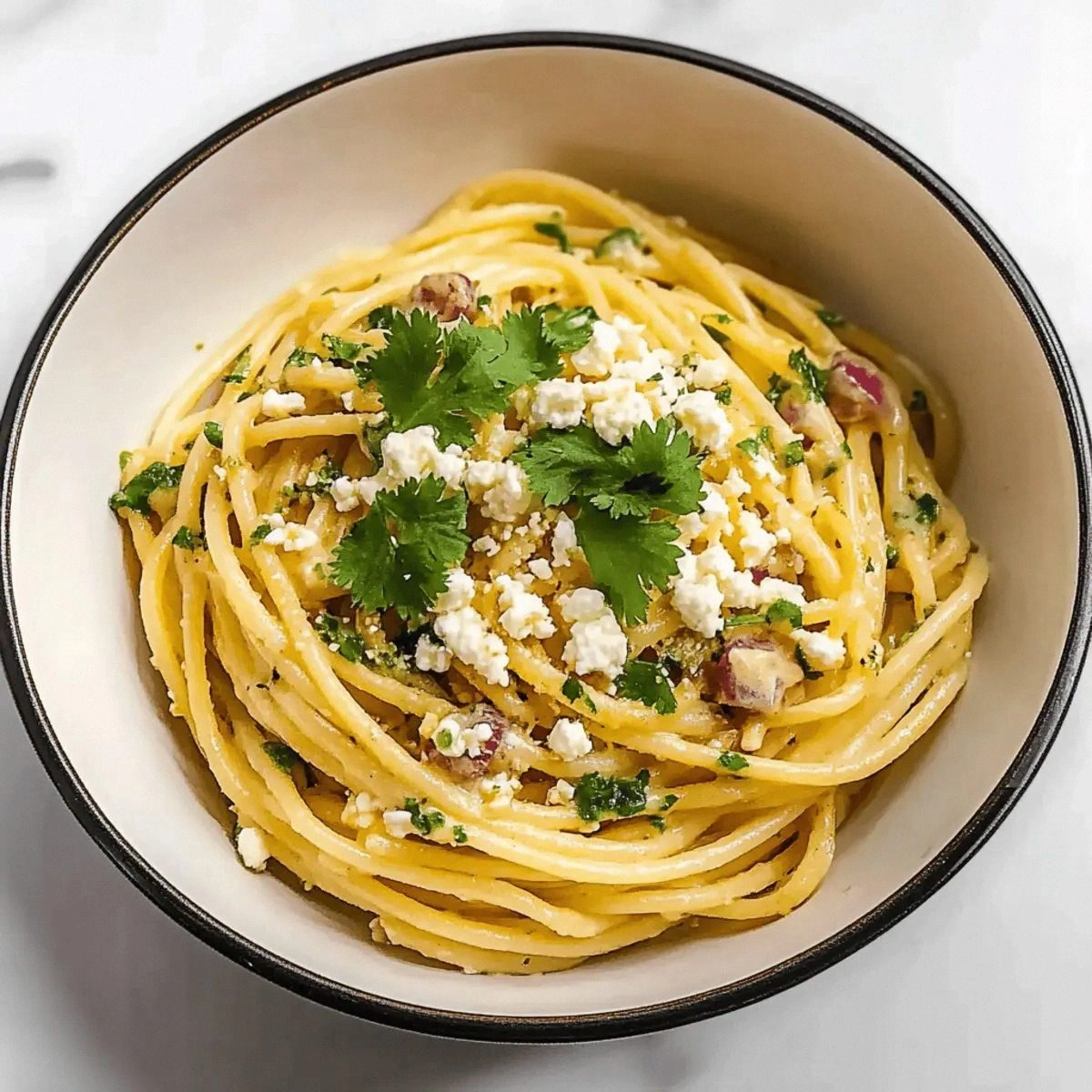
I still remember the night I accidentally set my kitchen on fire trying to make a fancy pasta dish that required seventeen ingredients, three different pans, and a culinary degree I clearly didn't possess. The smoke alarm was screaming, my roommate was laughing so hard she couldn't breathe, and I was standing there with a half-charred shallot in my hand wondering where it all went wrong. Fast forward to the next weekend when my best friend dared me to create something incredible with just the random ingredients in my pantry—no grocery store runs allowed. That's how this Spicy Easy Hatch Chile Pasta was born, and let me tell you, it was like discovering I'd been playing piano with mittens on my whole life.
Picture this: it's raining outside, you've got your favorite playlist humming in the background, and the aroma of fire-roasted hatch chiles is dancing through your kitchen like it owns the place. This isn't just another pasta recipe—this is the pasta recipe that'll make you cancel dinner reservations because staying home suddenly sounds way more appealing. The sauce coats each strand like liquid velvet, with a heat that builds slowly, teasing your taste buds rather than punching them in the face. And here's the kicker: while those fancy restaurant versions require a culinary school education and a small fortune in specialty ingredients, this beauty comes together with stuff you probably already have.
What makes this version different? I'm glad you asked. Most recipes get hatch chiles completely wrong—they either drown the pasta in so much cream you can't taste the chiles, or they go so spicy that you're chugging milk between bites. This version? It's the Goldilocks of pasta dishes. The fire-roasted chiles bring this incredible smoky depth that makes you close your eyes involuntarily when you taste it. The Monterey Jack melts into the sauce creating this silky texture that makes regular Alfredo taste like library paste. And that final sprinkle of Cotija? It's like the encore at a concert—completely unnecessary but absolutely essential.
Stay with me here—this is worth it. By the time we're done, you'll not only master this dish, but you'll also understand exactly why certain ingredients work together like they were destined to meet. We're talking restaurant-quality results with zero pretentiousness, maximum flavor, and a cleanup so easy you'll actually look forward to cooking again. Let me walk you through every single step—by the end, you'll wonder how you ever made it any other way.
What Makes This Version Stand Out
Flavor Bomb: The fire-roasted hatch chiles aren't just tossed in at the end like an afterthought. They're the foundation, the backbone, the entire reason this dish exists. When you roast them yourself (or grab the pre-roasted ones from the store—no judgment), they develop this complex, smoky sweetness that jarred peppers could never achieve. The heat is present but polite, building gradually instead of overwhelming everything else.
Texture Paradise: This sauce has body. It's not that thin, sad coating that slides off your pasta before it even hits the plate. The combination of melted Monterey Jack and sour cream creates this luxurious consistency that grabs onto every noodle and refuses to let go. Each bite has weight, presence, the kind of satisfying heft that makes you close your eyes and sigh.
Weeknight Friendly: Despite tasting like you spent hours in the kitchen, this whole dish comes together in under 45 minutes. One pot for the pasta, one skillet for the sauce, and you're done. I've made this on Tuesday nights when I got home hangry from work, and it's saved my marriage more times than I care to admit.
Crowd Pleaser Confession: I brought this to a potluck once and watched grown adults fight over the last serving. The spice level is totally customizable, so your friend who thinks black pepper is "too spicy" can enjoy it alongside your buddy who puts hot sauce on everything. It's diplomatic pasta, bringing people together through the universal language of carbs and cheese.
Ingredient Quality Matters: Using real fire-roasted hatch chiles instead of canned green chiles is like the difference between a handwritten love letter and a text message. Both communicate, but one makes your heart race. The Monterey Jack must be freshly grated—pre-shredded cheese has cellulose that prevents smooth melting, and life's too short for gritty sauce.
Make-Ahead Magic: This sauce actually improves overnight as the flavors meld together. I make double batches and freeze half for emergency comfort food situations. Because let's face it, we all have those days when we need something amazing but can't even handle boiling water without crying.
The Unexpected Twist: That quarter cup of cilantro at the end isn't just garnish—it's essential. The fresh, bright herb cuts through the richness like a knife, preventing the whole dish from becoming a cheese coma on a plate. Skip it once, and you'll understand why I call it the insurance policy against boring food.
Alright, let's break down exactly what goes into this masterpiece...
Inside the Ingredient List
The Flavor Base
The star of our show, the one and only fire-roasted hatch chiles, brings something no other pepper can replicate. These beauties from New Mexico have this incredible balance of heat and sweetness that varies depending on the batch—some are mild and fruity, others pack serious heat. When you roast them, the sugars caramelize and create this complex flavor that's part smoky, part sweet, entirely addictive. If you skip these and use regular bell peppers, you'll still get a nice pasta, but it won't make you weak in the knees. Pro tip: during hatch chile season in late summer, buy them by the case, roast and freeze them in two-cup portions so you can make this year-round.
That medium onion isn't just filler—it's the flavor foundation that makes everything else sing. When you sauté it until it's translucent and just starting to turn golden, it releases natural sugars that balance the heat from the chiles. Yellow onions work best here because they have the right balance of sweetness and sharpness. Red onions are too assertive, sweet onions too mild. Dice it small so it melts into the sauce rather than standing out in chunks.
The Texture Crew
Eight ounces of spaghetti might seem like a measly amount for four people, but trust the math—it gets bulked up significantly by the sauce. The key is using good quality pasta that has rough texture to grab onto the sauce. Those smooth, cheap noodles might save you a dollar, but they're like trying to eat sauce with a slip-n-slide. Bronze-cut pasta has tiny ridges that act like Velcro for the creamy sauce. And please, for the love of all that's holy, don't break your spaghetti in half—twirl it properly like the pasta gods intended.
Monterey Jack is the unsung hero of melting cheeses, and here's why: it has the perfect fat content to melt smoothly without separating or getting greasy. Cheddar would be too sharp and fight with the chiles, mozzarella too bland, but Jack? Jack plays well with others. Buy it in block form and grate it yourself—pre-shredded cheese has anti-caking agents that prevent smooth melting and leave you with a sauce that looks like it has dandruff.
The Unexpected Star
That half cup of sour cream isn't just there to make things creamy—it adds this incredible tang that brightens the whole dish and prevents it from being a one-note cheese bomb. Full-fat is non-negotiable here; low-fat sour cream breaks when heated and leaves you with a grainy, separated mess. Greek yogurt works in a pinch, but it lacks the same luxurious mouthfeel. The sour cream goes in at the very end, off the heat, so it warms and melds without curdling.
Vegetable broth might seem like an odd choice for a creamy pasta sauce, but it's the secret to depth. Water would make the sauce flat, chicken broth would compete with the chiles, but vegetable broth adds this savory backbone that makes everything taste more complex than it actually is. Use low-sodium so you can control the salt level—there's nothing worse than an over-salted sauce that makes you pucker.
The Final Flourish
Cotija cheese is like Parmesan's cooler, more interesting cousin who studied abroad and came back with stories. It's salty, crumbly, and adds this incredible umami punch when sprinkled on top. Don't even think about substituting Parmesan here—the flavor profile is completely different. Cotija has this sharp, almost feta-like quality that cuts through the richness perfectly. Crumble it fresh right before serving, because once it sits, it starts to dry out and lose its magic.
Fresh cilantro is non-negotiable, and I will die on this hill. Dried cilantro tastes like dusty lawn clippings and has no place in civilized society. The fresh herb adds this bright, almost citrusy note that prevents the dish from becoming a heavy, cheesy slog. If you're one of those people who think cilantro tastes like soap, substitute fresh parsley, but know that you're missing out on one of nature's perfect flavor combinations.
Everything's prepped? Good. Let's get into the real action...
The Method — Step by Step
Start by bringing a large pot of water to a rolling boil—like, really rolling, not that sad simmer most people settle for. Salt it until it tastes like the ocean, which is about one tablespoon per quart of water. This is your only chance to season the pasta itself, so don't be shy. While you're waiting, dice your onion and mince your garlic, but don't add the pasta yet—we want everything else ready to go because the sauce moves fast once it starts.
Heat your olive oil in a large skillet over medium heat until it shimmers and moves like liquid silk when you tilt the pan. Add the diced onion and cook for about five minutes, stirring occasionally, until it turns translucent and starts to smell sweet. You'll know it's ready when the edges begin to turn golden and your kitchen smells like someone should be cooking something delicious. Don't rush this step—the onions need time to release their sugars and create the flavor foundation.
Add the minced garlic and cook for just thirty seconds—seriously, set a timer. Garlic burns faster than a teenager's enthusiasm for a family vacation, and burnt garlic will ruin everything. You want it fragrant but not browned. Stir constantly during this minute because it goes from perfect to bitter faster than you can say "hatch chile pasta."
Now comes the fun part: add your fire-roasted hatch chiles to the pan. If you're using fresh-roasted ones, make sure you've peeled and seeded them first. If you're using frozen ones you roasted earlier (good for you, planning ahead!), make sure they're thawed and drained. Cook them with the onions and garlic for about two minutes, stirring occasionally, until everything is well combined and your kitchen smells like New Mexico in August.
Pour in the vegetable broth and scrape up any brown bits from the bottom of the pan with your spatula. These little flavor bombs are called fond, and they're liquid gold. Add the sea salt and chili powder, then let everything simmer for about five minutes until it reduces slightly. The sauce should look like it's thinking about thickening but hasn't committed yet.
While your sauce is simmering, add the spaghetti to your boiling water and cook until it's just shy of al dente—usually about two minutes less than the package recommends. The pasta will finish cooking in the sauce, absorbing all that beautiful flavor. Don't you dare add oil to the pasta water; it prevents the sauce from sticking to the noodles later.
Reduce the heat to low and add the Monterey Jack cheese to your sauce, one handful at a time, stirring constantly until it's completely melted and smooth. This is where patience pays off—add it too fast and you'll get a greasy, separated mess. The sauce should turn silky and coat the back of your spatula. If it seems too thick, add a splash of pasta water; too thin, let it simmer another minute.
Drain your pasta, reserving about a cup of pasta water, and add the noodles directly to the sauce. Toss everything together gently, adding pasta water a tablespoon at a time until the sauce coats the pasta perfectly. Turn off the heat completely and stir in the sour cream until it's just combined and warmed through. The residual heat will warm the sour cream without curdling it.
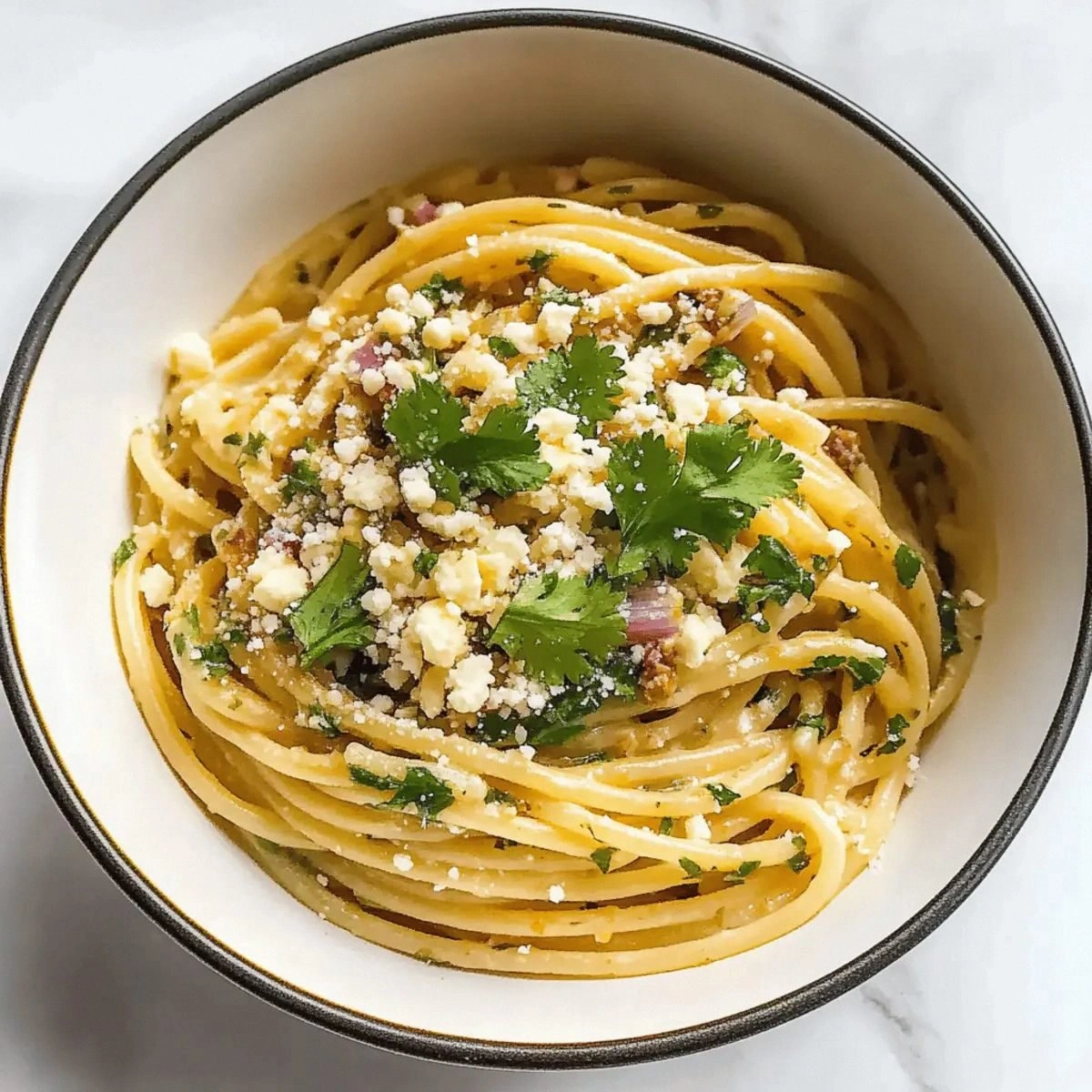
Let the pasta rest for exactly two minutes—this is crucial. During this time, the sauce will thicken slightly and the pasta will absorb more flavor. Use this moment to crumble your Cotija cheese and chop your cilantro. Serve immediately in warmed bowls, topped with the crumbled Cotija and a generous sprinkle of fresh cilantro. The contrast between the hot pasta and the cool, fresh herbs is what takes this from good to unforgettable.
That's it—you did it. But hold on, I've got a few more tricks that'll take this to another level...
Insider Tricks for Flawless Results
The Temperature Rule Nobody Follows
Here's the thing about cheese sauces that drives me absolutely bonkers: everyone blames the cheese when their sauce turns into a grainy, separated disaster, but nine times out of ten, it's a temperature issue. Cheese melts beautifully between 150-170°F, but go above that and the proteins tighten up and squeeze out all the fat, leaving you with an oily mess that looks like it has cottage cheese syndrome. Use medium-low heat when adding cheese, and if you see it starting to separate, immediately remove it from heat and whisk like your life depends on it. Better yet, grate your cheese and let it come to room temperature before adding—it melts more evenly and you're less likely to overheat it trying to get cold cheese to melt.
Why Your Nose Knows Best
I'll be honest—I don't time anything when I'm cooking this dish anymore. I cook by smell, and you should too. When the onions hit that perfect sweet spot, your kitchen will smell like you're cooking something that would make your grandmother proud. The garlic is ready when you can smell it from across the kitchen, but if it starts to smell sharp or bitter, you've gone too far. The sauce is properly reduced when it smells concentrated and rich, not watery and weak. Train your nose and you'll never overcook anything again. A friend tried skipping this step once—let's just say it didn't end well, and her smoke alarm still hasn't forgiven her.
The 5-Minute Rest That Changes Everything
After you toss the pasta with the sauce, resist every instinct that tells you to serve it immediately. Let it sit for exactly five minutes—set a timer, because you'll be tempted to rush this. During this rest, magic happens: the pasta absorbs some of the sauce, the flavors meld together, and the whole thing thickens to the perfect consistency. It's like the difference between a good hug and a great hug—both are nice, but one makes you feel truly understood. Plus, this prevents that dreaded puddle of sauce at the bottom of your bowl that makes you wonder where all the flavor went.
The Cheese Grating Revelation
Look, I know pre-shredded cheese is convenient, but using it in this recipe is like wearing sneakers to a wedding—you can do it, but why would you want to? Pre-shredded cheese is coated with cellulose to prevent clumping, which also prevents smooth melting. Fresh-grated cheese melts into a silky, homogeneous sauce that'll make you wonder why you ever settled for less. Plus, grating cheese is weirdly therapeutic. Put on some music, grab your box grater, and zen out for a few minutes. Your sauce will thank you, and you'll have nicely developed forearms as a bonus.
Creative Twists and Variations
This recipe is a playground. Here are some of my favorite ways to switch things up:
The Chicken Connoisseur
Add shredded rotisserie chicken during the final toss for a protein boost that turns this side dish into a complete meal. The smoky chicken pairs beautifully with the hatch chiles, and the whole thing comes together in the same amount of time. I like to shred the chicken while the onions are cooking—multi-tasking at its finest. If you want to get fancy, toss the chicken with a little smoked paprika first for extra depth.
The Veggie Powerhouse
Roast a cup of corn kernels in a dry skillet until they're charred and toasty, then fold them in with the pasta. The sweet pop of corn against the spicy chiles creates this incredible flavor contrast that'll make you feel like you're eating at a fancy farm-to-table restaurant. Frozen corn works perfectly—just make sure it's thawed and patted dry so it roasts instead of steams.
The Seafood Sensation
Replace the vegetable broth with clam juice and add a pound of peeled shrimp during the last three minutes of cooking. The briny sweetness of the shrimp plays off the smoky chiles like they were born to be together. Just make sure not to overcook the shrimp—they're done when they turn pink and curl into a C shape, not an O shape (that's overcooked).
The Breakfast of Champions
Leftovers? Fry an egg and put it on top. The runny yolk creates this incredible sauce that mingles with the spicy pasta, and suddenly you've got breakfast that'll make you excited to wake up. Add some crispy bacon if you're feeling indulgent, and you've got a hangover cure that works better than anything in your medicine cabinet.
The Green Goddess
Blend a handful of fresh spinach into the sauce just before adding the cheese. It'll turn your sauce this gorgeous green color and add nutrients without affecting the flavor. Kids love the green pasta, and you'll love watching them inhale spinach without complaint. It's basically culinary magic.
The Extra Spicy Daredevil
Add a diced jalapeño with the onions, and swap the Monterey Jack for pepper jack if you're feeling brave. I dare you to taste this and not go back for seconds. Just keep some milk handy, because this version brings the heat like summer in Phoenix. Perfect for those nights when you need to clear your sinuses and your schedule.
Storing and Bringing It Back to Life
Fridge Storage
Store leftovers in an airtight container in the refrigerator for up to four days, though honestly, it's never lasted that long in my house. The sauce will thicken considerably as it cools, so don't panic when it looks like pasta concrete. When reheating, add a splash of milk or cream and warm it gently over low heat, stirring frequently. The microwave works in a pinch, but stir every thirty seconds to prevent hot spots that can make the sauce break.
Freezer Friendly
This pasta freezes beautifully for up to three months, but here's the trick: freeze the sauce separately from the pasta. Cook fresh pasta when you're ready to serve, because frozen cooked pasta has the texture of something you'd find in a hospital cafeteria. Freeze the sauce in meal-sized portions, then just thaw overnight in the fridge and reheat gently. Add a tiny splash of water before reheating—it steams back to perfection and you'd never know it was frozen.
Best Reheating Method
Low and slow is the name of the game here. Transfer your portion to a saucepan, add a splash of milk or cream, and heat over the lowest possible flame, stirring constantly. If it starts to look separated, whisk in a tiny bit more dairy and keep stirring. The microwave is acceptable for single portions—use 50% power and stir every thirty seconds. Whatever you do, don't blast it on high heat unless you enjoy the taste of broken dreams and separated cheese sauce.