I burned dinner for my future mother-in-law. There, I said it. The salmon was dry, the sauce tasted like someone wrung out a beach towel into a pan, and the smoke alarm provided a charming soundtrack while I tried to pretend everything was fine. Six months later, when I finally served this Marry Me Salmon, she took one bite, looked me straight in the eye, and said, "Okay, you’re forgiven for the first one." My partner laughed so hard they nearly choked on a sun-dried tomato. If that isn’t redemption, I don’t know what is.
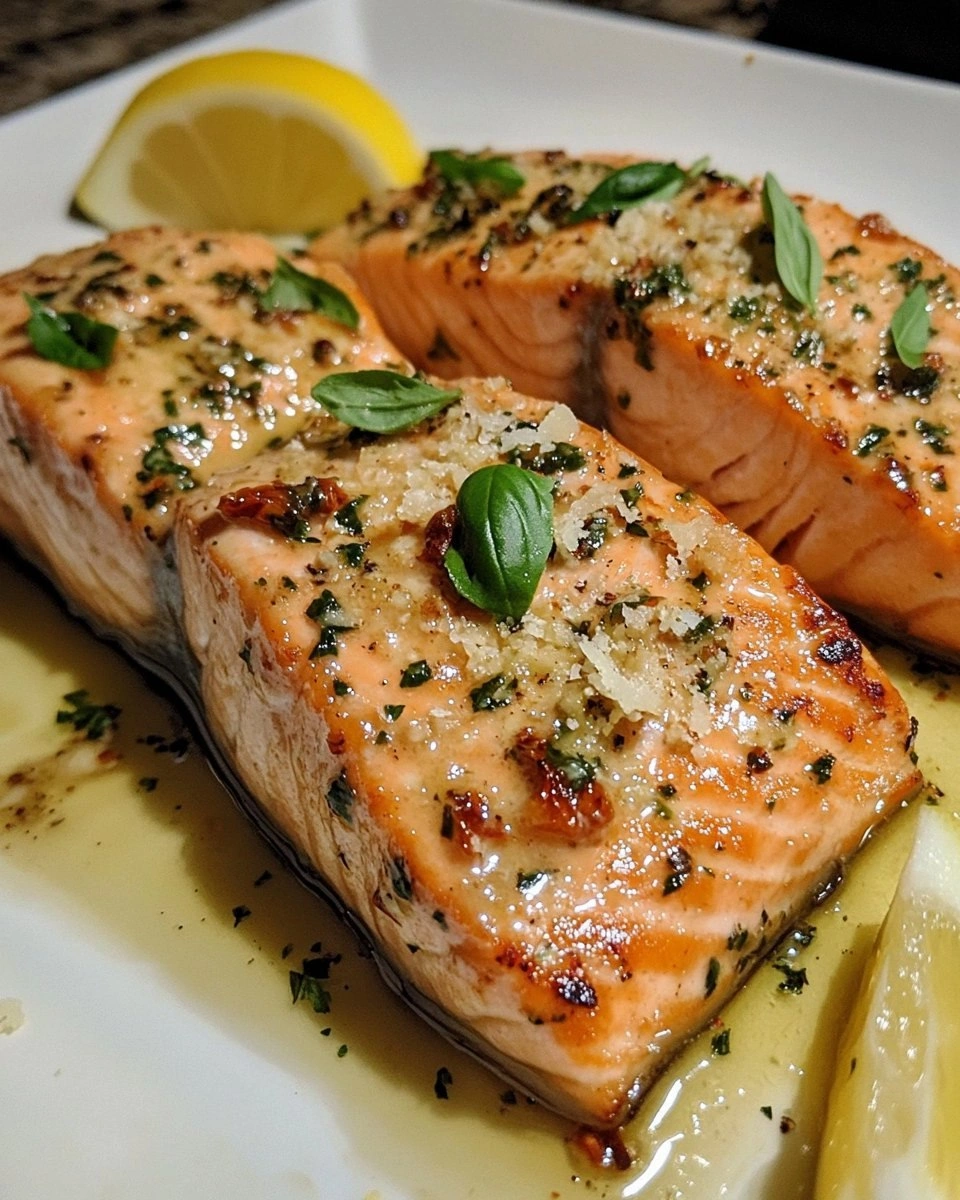
Picture this instead: you slide a pan out of the oven and the cream sauce is bubbling like a jacuzzi of pure romance. The scent of garlic, basil, and caramelized tomato hits first; then comes the whisper of Parmesan that makes everyone in the house drift toward the kitchen like cartoon characters following a pie on a windowsill. The salmon itself flakes into juicy crescents, blushing pink and coral, while the edges sport a whisper of gold. You plate it, squeeze a bright lemon wedge over the top, and hear that collective, involuntary "ooooh" from anyone lucky enough to be near. That is the moment you realize food can, in fact, propose on your behalf.
I’m not promising a ring will appear, but I am promising that this dish has been the prelude to three engagements in my friend group alone. One couple claims they skipped dessert because they were too busy slow-dancing in the living room to care about cheesecake. Another friend texted me at midnight: "I’m serious, I think this salmon rewired my brain." Bold claims? Absolutely. But once you taste the way heavy cream collapses into a glossy velvet with the tang of sun-dried tomato, you’ll understand why restraint becomes impossible.
Let me walk you through every single step—by the end, you’ll wonder how you ever made salmon any other way.
What Makes This Version Stand Out
- Velvet-Luxe Sauce: Heavy cream, Parmesan, and a splash of tomato oil create a texture so silky it could talk its way past a nightclub bouncer. Most recipes stop at "creamy." We keep reducing until the sauce coats the back of a spoon like liquid lingerie.
- Skin-Free Brilliance: Removing the skin lets each fillet drink up the sauce from every angle. No chewy edges, no slippery surprises—just pure, fork-friendly flesh.
- Heat With Heartbeat: Optional red-pepper flakes give the sauce a gentle pulse, not a slap. You control the flirt factor.
- One-Pan Elegance: Sear, build sauce, finish in the oven—no extra skillets, no sink full of victims. You’ll look like a tidy genius.
- Make-Ahead Magic: Prep the sauce base earlier in the day; reheat gently while the salmon roasts. Dinner party panic, officially cancelled.
- Sun-Dried Tomato Umami Bombs: These chewy rubies punch way above their weight, adding sweet-acidic depth you can’t fake with fresh tomatoes alone.
- Basil Finish With Bite: Adding fresh leaves at the very end keeps them bright and almost peppery, a contrast to the rich backdrop.
Alright, let’s break down exactly what goes into this masterpiece...
Inside the Ingredient List
The Flavor Base
Garlic is the opening act, and it better be fresh. Pre-minced jarred stuff tastes like disappointment swimming in vinegar. Smash three plump cloves, sprinkle a pinch of salt, and mince until you have a damp, snowy pile. Salt acts like sandpaper, keeping garlic from rocketing across the board. In the hot oil it will sizzle, not scorch, perfuming the kitchen in under sixty seconds. Skip this step and the whole sauce tastes like it forgot to wake up.
Red-pepper flakes are your volume knob. A conservative half-teaspoon gives a gentle throat-warming hum, perfect for date night. Feeling dramatic? Bump it to a heaping teaspoon and keep a chilled glass of chenin blanc nearby to douse the flames. Either way, bloom the flakes in olive oil for thirty seconds before the garlic joins the party; heat unlocks their fruity side, not just raw burn.
The Texture Crew
Heavy cream is non-negotiable. Half-and-half will curdle into a sad, broken mess once it hits the acid in the tomatoes. You want cream with at least 36 % milk fat—it’s forgiving, lush, and willing to simmer without tantrums. Let it reduce until the bubbles look thick and lazy, like hot tub jets set to "spa day." You’re looking for nappe consistency: dip a spoon, swipe your finger across the back, and the line should hold like a runway stripe.
Parmesan does double duty. Stirred in at the end it melts into feathery strands, thickening the sauce. A micro-planed snowfall on top just before serving adds salty little crunch bursts. Skip the shelf-stable shaker can; buy a wedge and grate it yourself. The cellulose powder in pre-grated cheese turns gluey in hot cream—nobody wants to chew their sauce.
The Unexpected Star
Sun-dried tomatoes are sweet, tart, and faintly smoky all at once. Chop them into raisin-sized bits so they distribute evenly; big slabs bully the fork and yank you out of the romantic moment. If all you have are dry-packed ones, rehydrate in hot water for ten minutes, then blot like crazy. Oil-packed versions give you that bonus spoonful of fragrant oil we talked about earlier—use it, love it, thank me later.
The Final Flourish
Fresh basil is the green exclamation point. Stack the leaves, roll them into a cigar, and ribbon-cut just before plating; pre-sliced basil oxidizes faster than a cut apple at a toddler’s birthday party. Lemon wedges aren’t garnish, they’re a palate reset. A quick squeeze cuts through richness and makes the next bite feel brand new.
Everything's prepped? Good. Let's get into the real action...
The Method — Step by Step
- Preheat your oven to 400 °F (205 °C). Yes, that hot. We want the salmon to roast quickly so the outside caramelizes while the inside stays buttery. A lower temperature leaves you with pale fish that weeps white albumin—unappetizing and a dead giveaway that you were impatient. Position the rack in the center so air can swirl around the fillets like a convection scarf. While the oven wakes up, pat the salmon very dry with paper towels. Moisture is the enemy of browning; think of it as trying to toast bread while it’s still damp from the freezer.
- Season both sides of each fillet with salt and pepper. Be brave—salt until the surface looks like a gentle snowfall, not a blizzard. I’m talking about half a teaspoon per side for a six-ounce portion. Flip, repeat, and let them sit while you heat the pan. This brief rest helps the seasoning penetrate so every bite tastes seasoned, not just the exterior crust. If you’ve ever eaten salmon that tasted bland past the first quarter inch, now you know why.
- Heat a heavy, oven-safe skillet—cast iron or stainless—over medium-high for two full minutes. Add olive oil; it should shimmer immediately and race to the edges like a kid on a slip-and-slide. Lay the fillets presentation-side-down in a single, confident sizzle. Do not crowd; if they don’t fit comfortably, use two pans rather than squeezing. Crowding drops the temperature and you’ll end up with steamed fish, not seared. Let them cook undisturbed for three minutes; that crust is developing its golden armor.
- Flip each fillet with a thin fish spatula. The underside should be walnut-brown and fragrant. Transfer the entire pan to the oven for six minutes. This finish-through method prevents the dreaded over-seared outside and raw inside. If your fillets are thicker than one inch, add another minute or two. While they roast, resist poking, prodding, or anxiously opening the oven every thirty seconds—trust the process.
- Remove the pan and transfer fillets to a warm plate. Tent loosely with foil; they’ll continue cooking gently and stay hot while you build the sauce in the same skillet. Those browned bits stuck to the metal? Liquid gold. Deglazing with garlic and tomato will lift them into a flavor bomb.
- Return the skillet to medium heat. Add another teaspoon of oil if the pan looks dry; you want just enough to keep garlic from burning. Drop in minced garlic and red-pepper flakes. Stir constantly for thirty seconds until the aroma jumps up and smacks you in the best possible way. The moment the garlic turns translucent, not brown, scatter in the chopped sun-dried tomatoes. Stir for one minute to coat each ruby chunk in garlicky oil.
- Pour in the heavy cream slowly, stirring to incorporate the fond (those sticky brown bits). Bring to a gentle simmer—tiny bubbles, not a volcanic boil—and cook for three minutes until it begins to thicken. You’ll notice the cream darken slightly to a blush beige; that’s the tomato color marrying the dairy. Reduce the heat to low and whisk in Parmesan until melted and velvety.
- Nestle the salmon back into the sauce, spooning some over the top. Simmer for one final minute to let the flavors mingle. Remove from heat, shower with fresh basil, and serve directly from the skillet for rustic charm or plate on warm dinnerware if you’re feeling fancy. Either way, bring lemon wedges to the table—your guests will want that bright squeeze.
That's it—you did it. But hold on, I've got a few more tricks that'll take this to another level...
Insider Tricks for Flawless Results
The Temperature Rule Nobody Follows
Most home cooks serve salmon at a scalding 150 °F internal temp, hoping to avoid any translucence. The sweet spot is 125–130 °F for farm-raised, 120 °F for wild. It will look slightly coral in the center but continues cooking as it rests. Overcooked salmon is the fastest way to ruin the mood; nobody wants to chew sawdust while professing love. If you don’t own an instant-read thermometer, today is the day. You’ll use it on steak, bread, even chocolate—best twenty bucks you’ll ever spend.
Why Your Nose Knows Best
When the cream is perfectly reduced, it smells almost like buttery popcorn and tomato vines had a beautiful baby. If all you detect is dairy, let it ride another minute. Conversely, if you catch a whiff of scorched milk, you’ve crossed the Rubicon—lower heat immediately and whisk like your life depends on it. Trust olfactory cues; they’re more reliable than a kitchen timer when sauce thickness is concerned.
The 5-Minute Rest That Changes Everything
Once the salmon is out of the oven, let it rest on a warm plate loosely tented with foil for five minutes. During this pause, proteins relax and reabsorb juices, so when you cut into the fillet, it glistens instead of weeping white albumin everywhere. Resting also gives you uninterrupted stove time to finish the sauce without juggling flaming-hot pans. A friend tried skipping this step once—let’s just say it ended with a puddle on the plate and tears in her wine glass.
Creative Twists and Variations
This recipe is a playground. Here are some of my favorite ways to switch things up:
Spicy Southwest Proposal
Swap basil for cilantro, add a pinch of smoked paprika, and finish with a squeeze of lime instead of lemon. Stir a handful of corn kernels into the sauce for pop and sweetness. Serve over cilantro-lime rice; your taste buds will write thank-you notes.
Creamy Tuscan Harvest
Add baby spinach and sliced artichoke hearts to the sauce in the last two minutes. The spinach wilts into silk, while artichokes contribute earthy tang. Pair with crusty ciabatta so none of that precious sauce escapes.
Leather-Jacket Blackened
Dust the salmon with a Cajun spice blend before searing. The dark crust contrasts wildly with the pale cream sauce. Keep the basil finish for an herby cool-down between spicy bites.
Dairy-Free Devotion
Substitute full-fat coconut milk for the cream and use nutritional yeast instead of Parmesan. The sauce will lean slightly tropical, but lime zest at the end pulls it back to savory territory. It’s surprisingly swoon-worthy.
Surf-and-Turf Brunch Version
Top each fillet with a butter-seared scallop and serve over crispy potato hash. Add a poached egg if you’re feeling extra. Brunch guests will propose to you, not the other way around.
Low-Carb Cloud
Serve the salmon on a bed of cauliflower mash spiked with roasted garlic. The sauce drapes over the florets like velvet on a marble statue—decadent but keto-friendly.
Storing and Bringing It Back to Life
Fridge Storage
Cool leftovers within two hours, transfer to an airtight container, and refrigerate up to three days. Keep the salmon in a single layer if possible; stacking makes the top pieces compress and dry out. Spoon extra sauce on top to act like a protective blanket.
Freezer Friendly
You can freeze cooked salmon, but expect a slight change in texture—cream sauces sometimes separate upon thawing. If you must, wrap each fillet plus sauce in parchment, then foil, then a zip bag. Freeze up to two months. Thaw overnight in the fridge before reheating.
Best Reheating Method
Place fillets in a skillet with a splash of water or milk, cover, and warm gently over medium-low heat for five minutes. Steam plus residual fat will re-moisturize without turning the salmon into shoe leather. Microwaves murder texture; avoid them like last season’s gossip.