Picture this: it’s a rainy Tuesday, the kind of night where the only thing that can rescue you from the gloom is a pot of something bubbling on the stove, filling the kitchen with a promise of comfort. I was halfway through a marathon of sitcom reruns when the power flickered, the TV went black, and I realized my pantry was looking at me with a smug, “You’re on your own, buddy.” That moment of panic turned into a culinary dare—could I conjure a sauce so good that even my skeptical teenage son would beg for seconds? Spoiler alert: I did, and the result was a sauce that clings to spaghetti like velvet, with a depth of flavor that makes you question every canned sauce you’ve ever bought.
The first whiff was pure magic: the olive oil hit the pan, sizzled, and released a buttery aroma that made the kitchen feel like an Italian trattoria on a bustling street corner. As the onions softened, their sweetness rose, mingling with garlic that turned the air a shade richer, like a sunrise over the Mediterranean. When the crushed tomatoes entered the stage, the whole pot sang—a chorus of acidity, sweetness, and earthy undertones, all balanced by a whisper of sugar and a daring pinch of chili flakes that teased the palate. The sound of the sauce simmering, the occasional bubble popping like tiny fireworks, was a soundtrack that made my heart race with anticipation.
Most spaghetti sauce recipes fall flat because they either rush the flavors or drown everything in a sea of blandness. This version stands out because it respects each ingredient, coaxing out its best while never letting any single component dominate. I’ve tossed in a secret weapon—tomato paste, the unsung hero that adds umami richness without turning the sauce into a mushy mess. And the technique? A slow, patient simmer that lets the flavors marry, creating a sauce that’s both silky and robust, the kind that makes you want to hug the pot.
Ready for the game-changer? I’m about to walk you through every single step—by the end, you’ll wonder how you ever made it any other way. I dare you to taste this and not go back for seconds. Let’s dive in.
What Makes This Version Stand Out
- Taste: The balanced sweet‑savory profile hits every nerve, thanks to the perfect combo of sugar, tomato paste, and a dash of chili flakes that adds a subtle heat without overwhelming the palate.
- Texture: The sauce coats each strand of pasta like a luxurious blanket, thanks to the crushed tomatoes and tomato paste creating a silky, cling‑on consistency.
- Simplicity: Only ten core ingredients, all pantry staples, meaning you won’t need a trip to the specialty store to achieve restaurant‑level flavor.
- Uniqueness: The addition of a quick sauté of onions and garlic before the tomatoes go in builds a flavor foundation most shortcuts skip.
- Crowd Reaction: Families rave, friends ask for the recipe, and even picky eaters can’t resist the aromatic allure.
- Ingredient Quality: Using a high‑quality crushed tomato can make a world of difference—think San Marzano‑style goodness that adds natural sweetness.
- Cooking Method: A low‑and‑slow simmer lets the flavors meld, turning ordinary ingredients into something extraordinary.
- Make‑Ahead Potential: This sauce improves after a night in the fridge, making it perfect for batch cooking and freezer storage.
Inside the Ingredient List
The Flavor Base
Olive oil (2 tablespoons) is the silent hero that carries the aroma of the onions and garlic into every bite. Choose extra‑virgin for a peppery note, but if you’re watching the budget, a good quality pure olive oil works just as well. Skipping it means you lose that buttery foundation, and the sauce can end up tasting flat.
Onion, medium, chopped (1) provides the sweet backbone that balances the acidity of the tomatoes. Look for onions that are firm and glossy; a soft, sprouting onion will add unwanted moisture. If you’re out of onions, a half cup of finely diced carrots can mimic the sweetness, though the flavor will shift slightly.
Garlic, minced (3 cloves) adds that unmistakable punch that makes any Italian dish feel authentic. Fresh garlic releases allicin, which is responsible for the bold, aromatic kick. Using garlic powder will give you a milder flavor and a different texture—best to stick with fresh.
The Aroma Crew
Dried oregano (1 teaspoon) brings a woody, slightly bitter note that lifts the tomato’s brightness. Crumble the dried leaves between your fingers before adding them to release the essential oils. If you have fresh oregano, use a tablespoon, but add it at the end of cooking to preserve its fresh flavor.
Dried basil (1 teaspoon) adds a sweet, peppery nuance that rounds out the herbaceous profile. Fresh basil is a game‑changer, but it wilts quickly; add it in the last five minutes of simmering for a fresh pop. Skipping basil will make the sauce feel one‑dimensional.
Chili flakes (1 teaspoon) introduce a gentle heat that awakens the palate without turning the sauce into a fire‑breather. Adjust to taste—add half now and the rest at the end if you like a lingering spice. Forgetting the chili flakes leaves the sauce bland; a pinch can transform it.
The Tomato Trio
Crushed tomatoes, 28‑ounce can (1) are the heart of the sauce, offering a balance of acidity and sweetness. Opt for San Marzano‑style crushed tomatoes for a richer, sweeter base. If you prefer a chunkier texture, blend half the can and leave the rest as is.
Tomato paste (2 tablespoons) is the secret umami booster that deepens the sauce’s flavor, turning a simple tomato base into something velvety. It also helps thicken the sauce without over‑cooking the tomatoes. Skipping the paste will result in a watery sauce that never clings to pasta properly.
Sugar (1 teaspoon) counteracts the acidity of the tomatoes, creating a harmonious sweet‑savory balance. You can substitute honey or maple syrup for a nuanced sweetness. Too much sugar will make the sauce taste like dessert, so measure carefully.
The Final Flourish
Salt and pepper (to taste) are the ultimate seasoners that bring all the flavors together. Add salt gradually, tasting as you go, because the canned tomatoes already contain some sodium. Pepper adds a subtle heat; freshly cracked black pepper works best.
All these ingredients together create a symphony of flavors that dance on the tongue. The key is respecting each component and allowing them time to meld. Everything's prepped? Good. Let’s get into the real action…
The Method — Step by Step
Heat the olive oil in a large, heavy‑bottomed saucepan over medium heat. When the oil shimmers, add the chopped onion and sauté for about five minutes, stirring occasionally until the edges turn translucent and just start to caramelize. That sizzle when it hits the pan? Absolute perfection. Keep your eyes on the onions; you want them soft, not burnt.
Introduce the minced garlic, stirring constantly for about 30 seconds until fragrant—watch out for browning, which can turn the flavor bitter. This is the moment of truth; the garlic should perfume the kitchen without any hint of scorch.
Stir in the tomato paste, letting it brown lightly for two minutes. This step is pure magic; the paste caramelizes, deepening the umami and giving the sauce a richer color. You’ll notice a faint nutty aroma—if you do, you’re on the right track.
Pour in the crushed tomatoes, then add the dried oregano, basil, and chili flakes. Give everything a good stir, ensuring the herbs are evenly distributed. Bring the mixture to a gentle boil, then reduce the heat to a low simmer.
Season with the teaspoon of sugar, then add salt and pepper gradually. Stir, then let the sauce simmer uncovered for 20‑30 minutes, stirring occasionally. Watch the edges—they’ll start pulling away from the pan, signaling the sauce is thickening nicely. This is the trickiest step; if you let it boil too hard, you’ll evaporate the flavors.
After the sauce has reduced to a luscious, coat‑the‑spoon consistency, taste and adjust the seasoning—maybe a pinch more salt, a dash more chili if you like heat. Let it rest for five minutes off the heat; this allows the flavors to settle and meld.
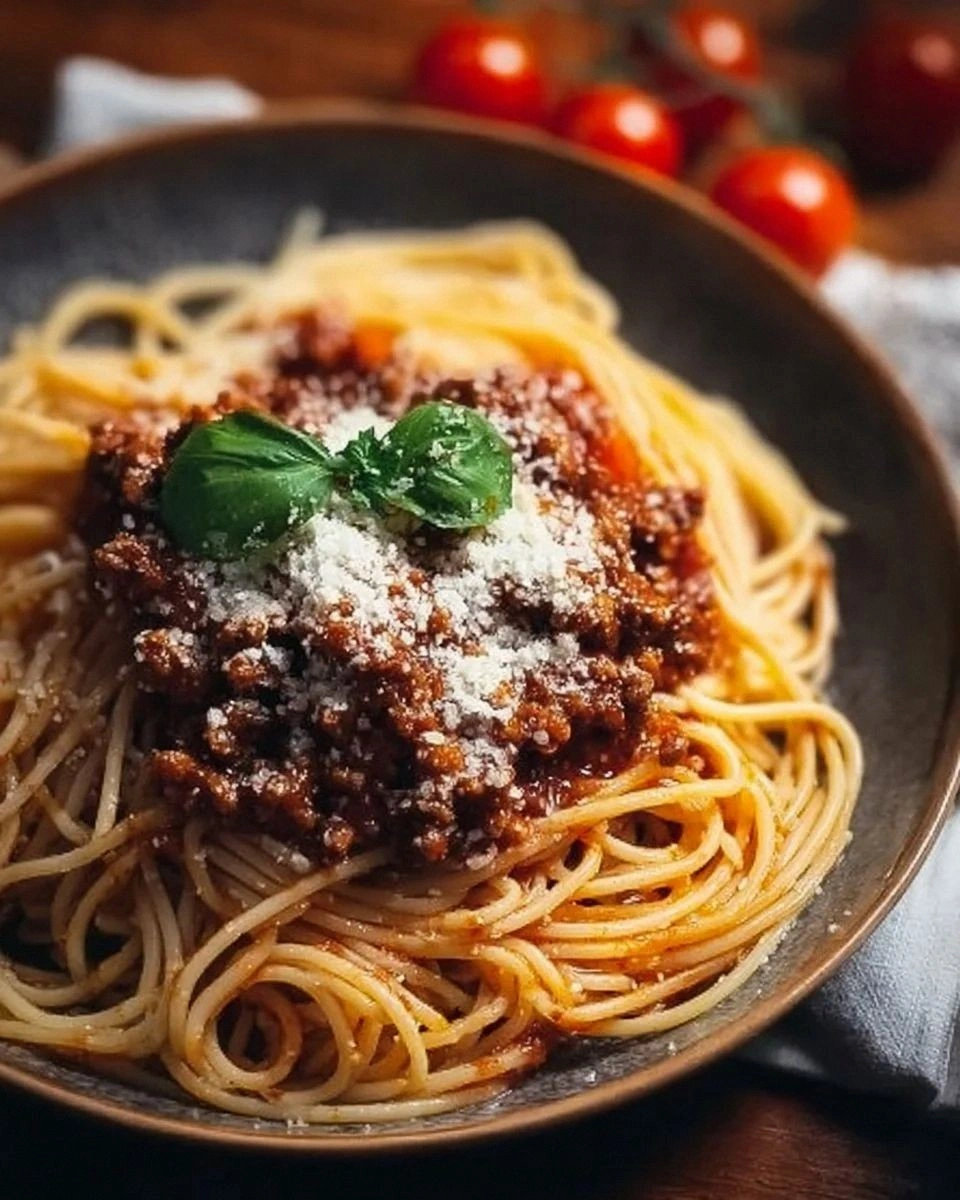
Meanwhile, cook your spaghetti al dente according to package instructions. Drain, reserving a cup of pasta water. Toss the pasta with the sauce, adding a splash of the reserved water if you need a silkier coating. Serve hot, garnished with fresh basil or a sprinkle of Parmesan.
That’s it — you did it. But hold on, I’ve got a few more tricks that'll take this to another level…
Insider Tricks for Flawless Results
The Temperature Rule Nobody Follows
Never crank the heat to a roar; a gentle simmer is the secret to a sauce that stays silky. High heat evaporates the natural juices too quickly, leaving a thin, harsh sauce. Keep the flame low, and you’ll get that glossy finish that clings to pasta like a second skin. I once tried a “quick boil” method and ended up with a sauce that tasted like burnt rubber—lesson learned.
Why Your Nose Knows Best
Before you taste, trust your nose. The moment the sauce releases a sweet‑savory aroma, you know the balance is right. If you smell a sharp, acidic edge, it’s time for a pinch more sugar or a splash of water. Your sense of smell is a more reliable gauge than a timer.
The 5‑Minute Rest That Changes Everything
After simmering, remove the pot from heat and let the sauce sit, covered, for five minutes. This short rest lets the flavors meld, smoothing out any harsh edges. It’s the same principle chefs use when they let a stew rest before serving. Skipping this step means you’ll miss out on that rounded, harmonious finish.
Layering Herbs for Depth
Adding fresh basil at the very end of cooking preserves its bright, peppery notes, while dried oregano should go early to release its earthy flavor. This layering creates a complex herb profile that feels both fresh and deep. A friend once tossed all herbs in at once and got a flat taste—don’t make that mistake.
Stirring Secrets
Stir the sauce only when necessary; over‑stirring can break down the tomatoes, making the sauce watery. Use a wooden spoon to gently coax the sauce around the pan, scraping the bottom to prevent sticking. The occasional stir is enough to keep everything moving without losing texture.
Creative Twists and Variations
This recipe is a playground. Here are some of my favorite ways to switch things up:
Spicy Arrabbiata Remix
Boost the heat by adding an extra teaspoon of chili flakes and a minced fresh red chile. Finish with a splash of smoked paprika for a smoky undertone. Perfect for those who love a tongue‑tingling kick.
Creamy Mushroom Twist
Stir in a cup of sautéed mushrooms and a half‑cup of heavy cream during the last ten minutes of simmering. The mushrooms add earthy depth, while the cream creates a luxurious, velvety texture. Great for a cozy autumn dinner.
Herbaceous Pesto Fusion
Swap half the dried basil for fresh pesto—add it at the end of cooking to preserve its bright flavor. The pesto introduces piney notes and a hint of garlic that pairs beautifully with the tomato base. Serve with toasted pine nuts for crunch.
Meaty Bolognese Boost
Brown a pound of ground beef or Italian sausage before sautéing the onions, then proceed as usual. The meat adds protein and a hearty richness, turning the sauce into a robust main‑course centerpiece. Don’t forget to deglaze the pan with a splash of red wine for extra depth.
Smoky Chipotle Surprise
Replace the chili flakes with a teaspoon of chipotle in adobo sauce, finely chopped. The smoky, slightly sweet heat transforms the sauce into a BBQ‑inspired marvel. Top with shredded cheese and bake for a quick lasagna twist.
Storing and Bringing It Back to Life
Fridge Storage
Let the sauce cool to room temperature, then transfer it to an airtight container. It will keep fresh for up to five days. Before reheating, add a tablespoon of water and stir; the steam revives the sauce’s silky texture.
Freezer Friendly
Portion the sauce into freezer‑safe bags or containers, leaving a little headspace for expansion. Freeze for up to three months. Thaw overnight in the fridge, then reheat gently on the stove, adding a splash of broth if needed.
Best Reheating Method
Reheat over low heat, stirring constantly, and add a tiny splash of water or broth to loosen the sauce. Avoid microwave bursts; they can cause uneven heating and a rubbery texture. A gentle reheat preserves the flavor integrity and keeps the sauce glossy.