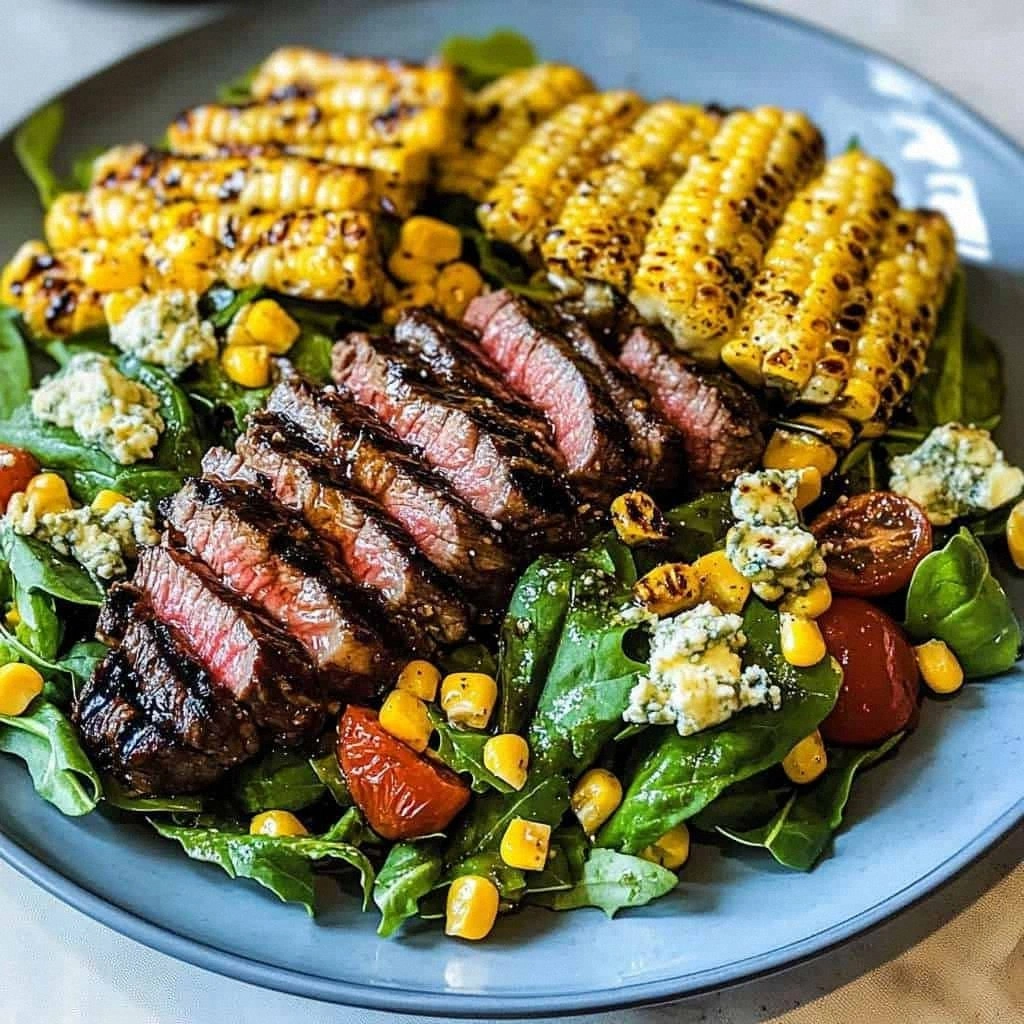
I still remember the first time I attempted to make a steak salad. It was a disaster of epic proportions — the steak was rubbery, the dressing tasted like straight vinegar, and the greens were so wilted they looked like they'd been through a windstorm. My dinner guests politely picked at their plates while I silently plotted my escape to a remote island where I'd never have to face lettuce again. Fast forward three years, and here I am, practically evangelizing about the transformative power of a properly executed steak salad. Specifically, this Balsamic Steak Gorgonzola Salad that has become my culinary redemption story.
Picture this: It's 7:30 PM on a Tuesday, you're still wearing your work clothes, and you're craving something that feels restaurant-worthy but doesn't require a culinary degree or three hours of your evening. You want that perfect balance of protein-packed satisfaction and fresh, crisp vegetables that make you feel virtuous about your life choices. Most steak salads fall into two tragic categories — either they're sad, limp affairs with sad, overcooked meat thrown on top, or they're these pretentious towers of ingredients that cost more than your monthly car payment. This recipe lands in the sweet spot between weeknight practical and weekend indulgent, and I promise you, it's about to become your new obsession.
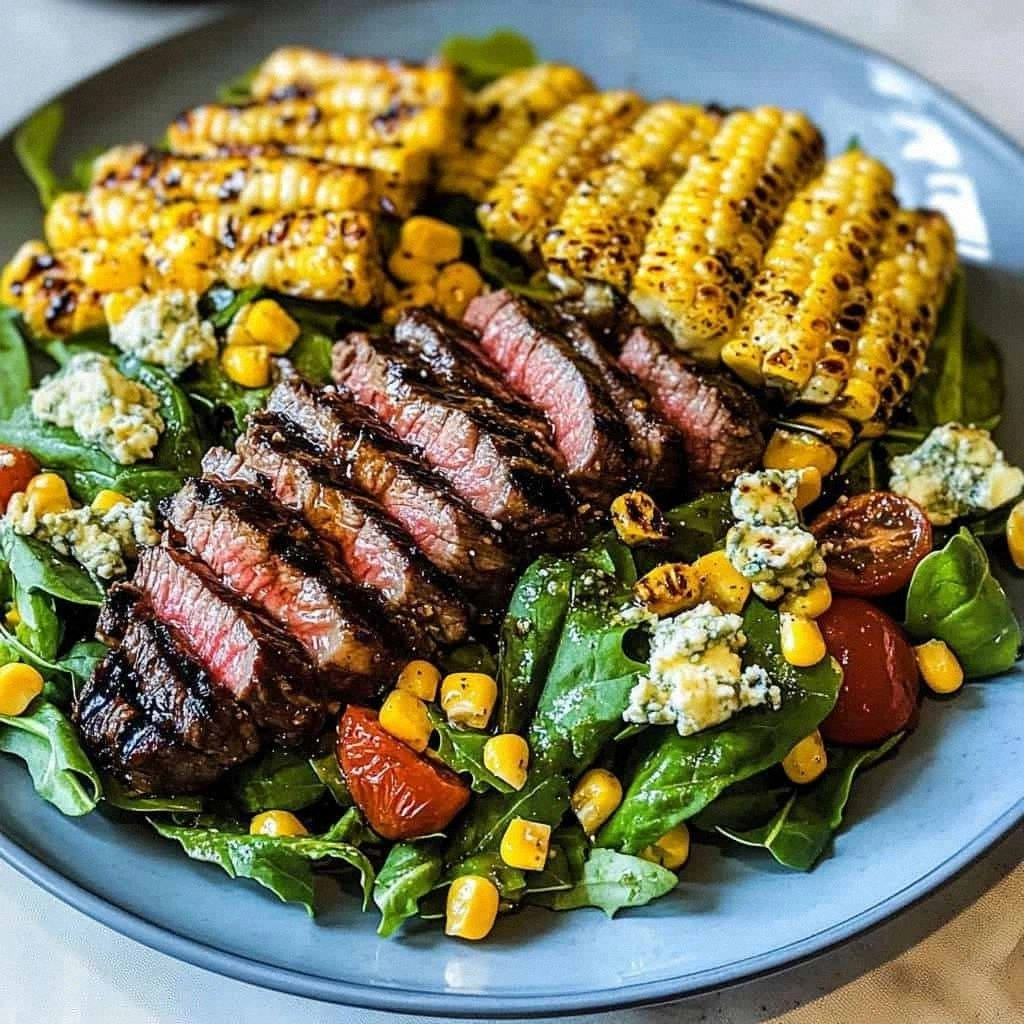
The magic happens when you take a perfectly seared sirloin steak, still warm from the pan, and slice it over a bed of peppery mixed greens. Then you add those tangy bursts of cherry tomatoes, the creamy pungency of Gorgonzola that melts slightly against the warm steak, and crunchy toasted nuts that provide the textural contrast that separates amateur salads from the ones that make you close your eyes in appreciation. The balsamic dressing ties everything together with its sweet-tart complexity that makes your taste buds do a happy dance. I dare you to taste this and not go back for seconds — I've never seen it happen.
What makes this version genuinely special is how it transforms simple ingredients into something that tastes like it should be served on white tablecloths with an overpriced wine pairing. The secret lies in the technique: we're going to show you how to achieve that restaurant-quality sear on your steak, how to build layers of flavor in your dressing that would make a Italian nonna weep with joy, and how to time everything so your greens stay crisp while your steak stays warm. Stay with me here — this is worth it. Okay, ready for the game-changer? Let me walk you through every single step — by the end, you'll wonder how you ever made it any other way.
What Makes This Version Stand Out
Restaurant-Quality Steak at Home: We're not just throwing meat on a pan and hoping for the best. This method creates a gorgeous crust on the outside while keeping the inside perfectly pink and juicy. The trick lies in letting the steak come to room temperature before cooking and using a screaming hot pan — you'll achieve that golden-brown sear that most home cooks only dream about.
The Dressing That Changes Everything: Most balsamic vinaigrettes taste like someone accidentally dumped the whole vinegar bottle into the mix. This version balances the sharp tang of balsamic with the richness of olive oil, a touch of honey for sweetness, and Dijon mustard for emulsification. The result coats each leaf like liquid velvet without overwhelming the other ingredients.
Texture Symphony: Every bite delivers a perfect combination of tender steak, creamy Gorgonzola, crisp greens, juicy tomatoes, and crunchy nuts. It's not just about throwing ingredients together — it's about creating a harmony of textures that keeps your fork moving back for more. The contrast between warm steak and cool greens is pure magic.
Weeknight Friendly: From fridge to table in under 45 minutes, this salad proves that impressive doesn't have to mean time-consuming. While the steak rests, you're whisking together the dressing and assembling the salad components. Most of the cooking time is hands-off, giving you a chance to change into comfortable clothes and pour yourself a glass of wine.
Crowd-Pleasing Versatility: Whether you're feeding picky teenagers, health-conscious adults, or that friend who claims they "don't eat salad," this recipe wins them over. The robust flavors satisfy meat lovers while the generous serving of greens makes nutrition-minded eaters happy. I've served this at everything from casual weeknight dinners to baby showers, and the response is always the same: requests for the recipe.
Make-Ahead Components: While this salad is best served fresh, you can prepare several elements in advance. The dressing keeps for a week in the refrigerator, the steak can be cooked ahead and served room temperature, and all the vegetables can be prepped the night before. This flexibility makes it perfect for meal prep or entertaining without the last-minute scramble.
Ingredient Quality Flexibility: While premium ingredients will elevate the final result, this recipe works beautifully with everyday supermarket finds. Grocery store sirloin, pre-washed mixed greens, and standard balsamic vinegar still create something extraordinary. It's proof that technique often matters more than price tags.
Alright, let's break down exactly what goes into this masterpiece...
Inside the Ingredient List
The Flavor Base: Sirloin Steaks
Sirloin is the unsung hero of the steak world — more affordable than ribeye but with better flavor than filet mignon. These 8-ounce beauties are the perfect size for a generous salad topping without overwhelming the other components. The 1-inch thickness is crucial here; thinner steaks overcook before developing a proper crust, while thicker ones dominate the salad ratio. When selecting your steaks, look for ones with good marbling — those white streaks of fat that melt during cooking and keep the meat juicy.
The beauty of sirloin lies in its versatility. It takes beautifully to marinades while still maintaining its beefy character, and it cooks quickly enough for a weeknight meal. Don't be tempted to substitute with cheaper cuts like round steak — they lack the tenderness that makes this salad feel luxurious. If you want to splurge, flank or skirt steak works wonderfully too, but sirloin hits that sweet spot of flavor, texture, and price that makes this salad accessible for regular rotation.
The Fresh Crew: Greens and Vegetables
Mixed greens provide the perfect backdrop for this flavor-packed salad. Avoid the temptation to use all Romaine or all spinach — the variety creates interest and ensures every bite feels different. The peppery bite of arugula, the buttery softness of baby greens, and the crisp crunch of frisée create a complex foundation that stands up to the bold toppings. Eight ounces might seem like a lot, but remember that greens wilt down significantly once dressed, and you want generous portions that feel like a real meal.
Cherry tomatoes bring bursts of fresh, tangy sweetness that brighten the entire dish. Halving them isn't just for presentation — it ensures each piece releases its juices into the salad, creating natural flavor pockets throughout. During summer months, I like to use a mix of red and yellow cherry tomatoes for visual appeal and subtle flavor differences. If you can only find grape tomatoes, they work too, though they're slightly less juicy and sweet than their round cousins.
The Texture Team: Gorgonzola and Nuts
Gorgonzola cheese is where this salad gets its personality. This Italian blue cheese brings a creamy texture and pungent, salty flavor that creates an incredible contrast with the sweet balsamic dressing. The key is using the crumbled variety rather than trying to crumble a wedge yourself — pre-crumbled stays distributed throughout the salad rather than clumping together. Half a cup might seem generous, but the strong flavor means a little goes a long way, and you want those pockets of blue cheese in every other bite.
Toasted walnuts or pecans add the crucial crunch factor that separates amateur salads from restaurant-quality ones. Toasting brings out their natural oils and creates a deeper, more complex flavor. If you're using walnuts, give them a rough chop so they're not too large — you want textural contrast, not a mouthful of nuts. Pecans work beautifully too, especially if you can find the candied variety for an extra layer of flavor complexity.
The Unexpected Star: Balsamic Vinegar
Not all balsamic vinegars are created equal, and this is one ingredient where spending a few extra dollars makes a noticeable difference. True aged balsamic from Modena has a natural sweetness and complexity that supermarket brands lack. If you're using a younger, cheaper balsamic, that's where the honey in the dressing becomes crucial — it helps round out the sharp edges and create the sweet-tart balance that makes restaurant dressings so addictive.
The vinegar serves double duty here — both as a marinade component for the steak and as the star of the dressing. When used as a marinade, it helps tenderize the meat while adding flavor. In the dressing, it provides the bright acidity that makes all the other ingredients sing. Don't skip the Dijon mustard in the dressing — it's not for flavor but for emulsification, keeping the oil and vinegar from separating into an unappetizing mess.
Everything's prepped? Good. Let's get into the real action...
The Method — Step by Step
Start by removing your steaks from the refrigerator and letting them rest on the counter for 20-30 minutes. This isn't just culinary snobbery — cold meat hitting a hot pan contracts rapidly, squeezing out juices and creating a tough, dry steak. While the steaks come to room temperature, mix together 2 tablespoons olive oil, 1 tablespoon balsamic vinegar, dried Italian herbs, garlic powder, salt, and pepper in a shallow dish. Place the steaks in this mixture, turning to coat both sides, and let them marinate while they warm up. The acid in the balsamic will start tenderizing the meat while the oil helps the seasonings adhere.
While the steaks marinate, prepare your salad components. Wash and thoroughly dry the mixed greens — wet greens will dilute your dressing and make everything soggy. If you're using pre-washed greens, still give them a quick rinse and spin in a salad spinner. Halve the cherry tomatoes and thinly slice the red onion. The onion adds a sharp bite that cuts through the richness of the steak and cheese, but if you're sensitive to raw onion flavor, soak the slices in ice water for 10 minutes to mellow them out.
Now for the dressing — and this is where most recipes get it completely wrong. In a small bowl, whisk together the balsamic vinegar, Dijon mustard, minced garlic, and honey. The mustard acts as an emulsifier, but it needs help from proper whisking technique. Slowly drizzle in the olive oil while whisking constantly. You're looking for the mixture to thicken slightly and become glossy. If you dump all the oil in at once, you'll end up with separated oil and vinegar that tastes like you're eating salad with an oil slick. Season with salt and pepper to taste — the dressing should be bright and tangy but not face-puckering.
Heat a heavy-bottomed skillet (cast iron if you have it) over medium-high heat until it's smoking hot. This is the moment of truth — don't walk away from the stove here. Remove the steaks from the marinade and pat them very dry with paper towels. Moisture is the enemy of a good sear, and wet steaks will steam instead of developing that gorgeous crust. Add a small amount of oil to the pan — just enough to prevent sticking — and carefully lay the steaks in. You should hear an immediate, aggressive sizzle. That sound? Absolute perfection.
Cook the steaks for 3-4 minutes per side for medium-rare, adjusting time based on thickness. Resist the urge to move them around — constant flipping prevents proper browning. The steaks will release naturally from the pan when they're ready to flip. If they're sticking, they're not ready yet. For the love of all that is holy, don't press down on them with a spatula — you're squeezing out all the juices that make steak delicious. The goal is a deep brown crust on the outside while maintaining a pink center.
Transfer the steaks to a cutting board and tent loosely with foil. This is where most home cooks mess up — they want to dive right in with a knife. But patience here makes the difference between a tough, dry steak and one that melts in your mouth. Let the steaks rest for at least 5 minutes. During cooking, juices are driven toward the center of the meat. Resting allows them to redistribute throughout the steak, keeping every bite juicy and flavorful. Skip this step and all those beautiful juices will end up on your cutting board instead of in your mouth.
While the steaks rest, assemble your salads. Divide the mixed greens among four plates or one large serving platter. Scatter the cherry tomatoes and red onion slices over the top. Sprinkle the crumbled Gorgonzola and toasted nuts. The key here is distribution — you want every forkful to contain a bit of everything, not just a pile of greens with toppings clustered in one area. Think of it as creating little flavor pockets throughout the salad.
Slice the rested steaks against the grain into thin strips. The "grain" refers to the direction the muscle fibers run — cutting against them shortens these fibers, making the steak more tender. If you can see long lines running through the meat, position your knife perpendicular to them. Arrange the warm steak slices over the top of each salad. The warmth from the steak will slightly wilt the greens and begin to melt the Gorgonzola, creating those irresistible pockets of creamy, tangy cheese.
Drizzle the dressing over the salads, but don't drown them. Start with about two-thirds of the dressing — you can always add more, but you can't take it away. The warm steak will help the dressing coat everything evenly. Toss gently if serving family-style, or serve the dressed components separately if you have picky eaters. The final dish should look like a composed salad at a nice restaurant, with each element visible and inviting.
Serve immediately, while the steak is still warm and the greens are crisp. This salad doesn't sit well — the heat from the steak will continue to wilt the greens, and the dressing will eventually make everything soggy. If you need to prep ahead, keep all components separate and assemble just before serving. The contrast of temperatures and textures is what makes this salad special, so timing matters. Picture yourself pulling this together, the whole kitchen smelling of seared steak and balsamic — it's showtime.
That's it — you did it. But hold on, I've got a few more tricks that'll take this to another level...
Insider Tricks for Flawless Results
The Temperature Rule Nobody Follows
Here's the thing about steak temperature that most recipes gloss over: your pan needs to be hot enough to create the Maillard reaction (that gorgeous browning) but not so hot that it burns before cooking through. The trick is to heat your pan until a drop of water sizzles away almost instantly, then reduce the heat slightly before adding the steak. This gives you the initial sear you want while allowing the interior to cook to your desired doneness. A friend tried skipping this step once — let's just say it didn't end well, and we had to order pizza.
The second temperature rule involves your steak's internal temp. Most people pull their steak when it looks done, but by then it's overcooked. For medium-rare, remove it from the pan when it reaches 125°F — it'll rise to 135°F while resting. If you don't have a thermometer, use the finger test: press the center of the steak with your finger. It should feel like pressing the base of your thumb when touching your thumb to your middle finger. Soft and springy means medium-rare, firm means well-done disaster.
Why Your Nose Knows Best
Your sense of smell is your most underutilized cooking tool, especially when it comes to this salad. When the steak is properly seared, you'll smell a nutty, almost buttery aroma that's completely different from the raw meat smell. If you smell burning or acrid smoke, your pan is too hot and you'll end up with bitter, blackened steak. The dressing should smell bright and tangy, not like straight vinegar. And here's a confession — I'll be honest, I ate half the batch of Gorgonzola before anyone else got to try it because the smell of good blue cheese is my kryptonite.
The same goes for your mixed greens. Fresh greens should smell like a garden after rain — clean and slightly sweet. If they smell musty or sour, they're past their prime and will ruin your salad. Even pre-washed greens benefit from a quick sniff test before using. Your nose can detect spoilage long before your eyes can see it, saving you from serving a salad that tastes like refrigerator.
The 5-Minute Rest That Changes Everything
Most recipes tell you to rest steak, but they don't explain why or how long is enough. Five minutes is the minimum for a 1-inch thick steak, but here's the insider trick: rest it on a wire rack set over a rimmed baking sheet. This prevents the bottom of the steak from steaming in its own juices, which can make the crust soggy. The rack allows air circulation all around the steak, maintaining that gorgeous crust you worked so hard to achieve.
During this rest period, don't tent the steak too tightly with foil — you want to retain heat but not create steam. A loose tent maintains warmth without trapping moisture that would soften your beautiful crust. Some juices will escape during resting, and that's okay. In fact, I like to pour those collected juices over the sliced steak just before serving — it's like a free sauce made from pure steak essence.
Creative Twists and Variations
This recipe is a playground. Here are some of my favorite ways to switch things up:
The Mediterranean Makeover
Replace the Italian herbs with Greek seasoning and swap the Gorgonzola for feta cheese. Add Kalamata olives and cucumber slices, then finish with a lemon-oregano dressing instead of balsamic. The briny olives and bright lemon create a completely different flavor profile that transports you straight to a Greek island taverna. This version is especially refreshing during hot summer months when you want something lighter but still substantial.
The Steakhouse Classic
Use ribeye instead of sirloin for an ultra-luxurious version. Add roasted potatoes and swap the mixed greens for a wedge of iceberg lettuce. Top with crispy bacon and a blue cheese dressing for a steakhouse experience at home. This is the version I make when I want to impress dinner guests without spending hours in the kitchen. The combination of ribeye and bacon might seem excessive, but sometimes you need to embrace the indulgence.
The Asian-Inspired Fusion
Marinate the steak in soy sauce, ginger, and sesame oil instead of the balsamic mixture. Replace the Gorgonzola with crumbled nori or furikake seasoning, and add mandarin orange segments and crispy wonton strips. The dressing becomes a sesame-ginger vinaigrette that ties everything together with umami depth. This fusion might sound strange, but the combination of savory steak and bright Asian flavors creates something unexpectedly addictive.
The Autumn Harvest Version
Add roasted butternut squash and dried cranberries to the salad, and swap the Gorgonzola for goat cheese. Use a maple-balsamic dressing instead of the honey version, and add candied pecans instead of plain toasted ones. This seasonal variation celebrates fall flavors while maintaining the satisfying protein component. It's like autumn in a bowl, and it pairs beautifully with a crisp apple cider.
The Keto-Friendly Adaptation
Skip the honey in the dressing and use a sugar-free sweetener instead. Add avocado slices for extra healthy fats, and use more steak per serving while reducing the tomato quantity to lower carbs. The result is a salad that fits keto macros while still feeling like a complete, satisfying meal. If you've ever struggled with finding filling low-carb options, you're not alone — and I've got the fix.
The Budget-Conscious Version
Use top sirloin or even flank steak (which is often cheaper) and slice it very thinly against the grain. Replace Gorgonzola with store-brand blue cheese, and use whatever nuts are on sale. The key is in the preparation — proper slicing technique can make less expensive cuts feel luxurious. This version proves that you don't need to break the bank to eat well, and it's become my go-to for feeding a crowd on a budget.
Storing and Bringing It Back to Life
Fridge Storage
Here's the reality: this salad is best served fresh, but life doesn't always cooperate with our timing. If you must store leftovers, keep everything separate. The steak can be refrigerated in an airtight container for up to 3 days, though it's best within 24 hours. Store the dressing in a jar with a tight-fitting lid for up to a week. The prepared vegetables will last 3-4 days in the refrigerator, but the greens will start to degrade after 2 days, even when properly stored.
The key to successful storage is preventing moisture buildup. Line your storage containers with paper towels to absorb excess moisture, and don't wash the greens until you're ready to use them. If you've already dressed the salad and need to store it, all is not lost — add a handful of fresh greens to revive the texture, and give everything a good toss with a tiny splash of the dressing to refresh the flavors.
Freezer Friendly
Most salad components don't freeze well, but the steak is an exception. Cooked steak can be frozen for up to 2 months, though the texture will change slightly upon thawing. Wrap individual portions tightly in plastic wrap, then place in a freezer bag. Thaw overnight in the refrigerator, then bring to room temperature before serving. The texture works better for this salad than you might expect — especially if you're serving it at room temperature rather than trying to reheat it.
Here's a pro tip: slice the steak before freezing rather than freezing whole pieces. The smaller pieces thaw more evenly, and you can take out exactly what you need for future salads. Frozen steak works particularly well in lunch salads that you assemble in the morning and eat at room temperature by lunchtime.
Best Reheating Method
If you must reheat the steak, avoid the microwave at all costs — it turns the meat into rubber faster than you can say "leftovers." Instead, bring the steak to room temperature, then warm it briefly in a skillet over medium heat with just a touch of oil. You're not trying to cook it further, just warm it through. This takes about 30-60 seconds per side, depending on thickness.
For the salad components, add a tiny splash of water before refreshing greens — it steams them back to life. If your dressing has separated (which it probably will), give it a vigorous shake or whisk to re-emulsify. The Gorgonzola won't be quite the same after refrigeration — it tends to dry out — but crumbling it finely and letting it come to room temperature helps restore some of its creamy character.