I burned the oatmeal. Again. There I was, standing in my kitchen at 6:47 AM, watching smoke curl from a pot of what should have been my breakfast, wondering how I managed to ruin something as simple as oats. The smell was somewhere between campfire and regret. My roommate wandered in, took one whiff, and suggested—rather loudly—that maybe I should just stick to toast. But here's the thing: I had tasted something magical at a tiny café in Portland the weekend before, something they called "oatmeal custard," and I couldn't get it out of my head. It was like someone took the cozy comfort of grandma's rice pudding and the hearty satisfaction of your morning oats, then fused them into this silky, spoon-coating breakfast that made me close my eyes with the first bite.
That burnt pot? It was my fourth failed attempt to recreate it. I'd tried adding more milk (too soupy), more eggs (weirdly rubbery), more sugar (cloyingly sweet). Nothing worked. The café owner had winked and said the secret was "patience and proper ratios," which felt about as helpful as telling someone the secret to flying is "physics and wings." But here's where stubbornness meets obsession—I spent the next two weeks testing batches, eating more oatmeal custard than any human should consume, and slowly cracking the code. The breakthrough came when I realized I was treating it like either oatmeal OR custard, when really it's both dancing together in perfect harmony.
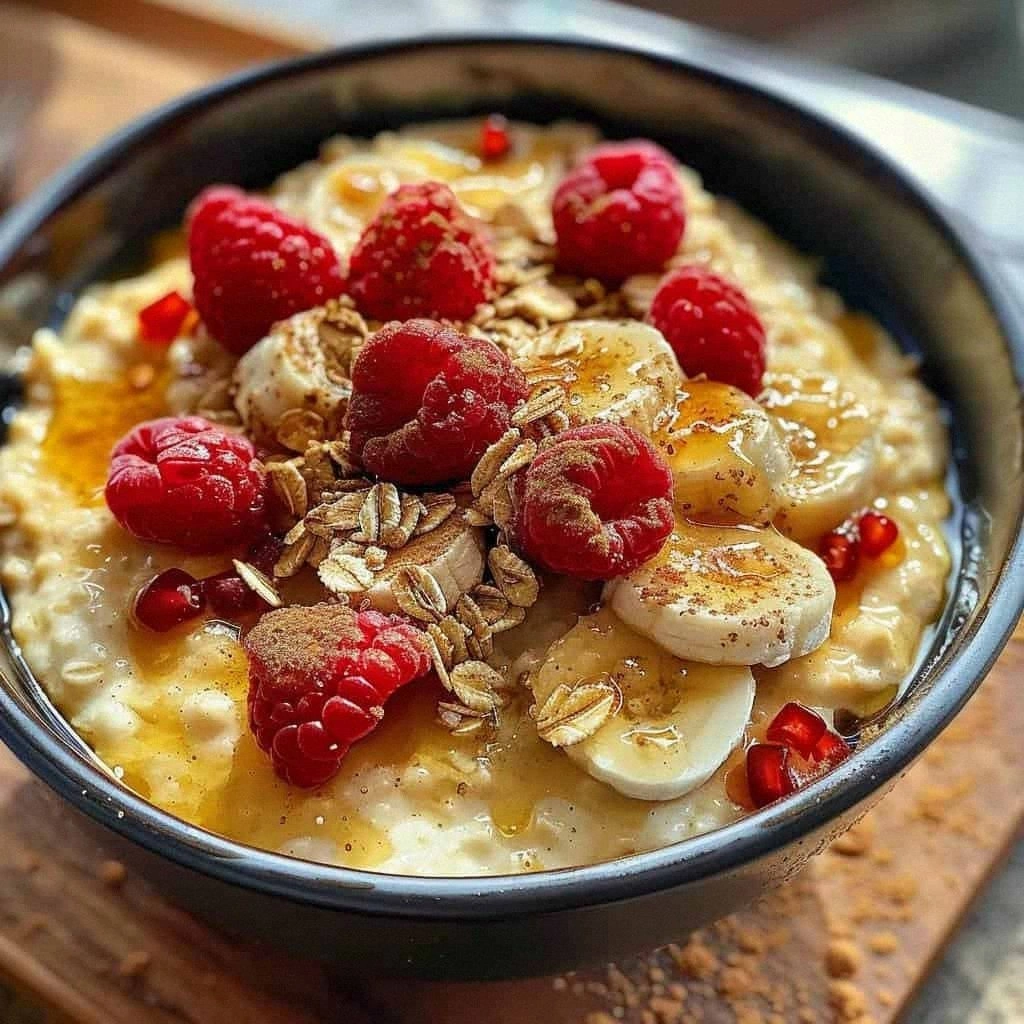
Picture this: it's Sunday morning, your favorite playlist is humming softly, and you pull a ramekin of oatmeal custard from the oven. The top is golden and slightly puffed, the edges are pulling away from the sides with gentle determination, and the center jiggles like a happy little cloud when you give the dish a gentle shake. The aroma hits you first—warm vanilla and cinnamon wrapping around toasted oats, with something richer underneath that makes your stomach sit up and take notice. This isn't just breakfast; it's a hug you can eat.
Okay, ready for the game-changer? This recipe I'm about to share isn't just another "add eggs to oats" situation. We're talking about a technique that creates layers of texture: the bottom stays creamy like proper custard, the middle maintains that toothsome oat texture, and the top forms this delicate, almost crème-brûlée-like surface that cracks slightly under your spoon. I'll be honest—I ate half the batch before anyone else got to try it. Let me walk you through every single step—by the end, you'll wonder how you ever made it any other way.
What Makes This Version Stand Out
Silky Texture: Most oatmeal custards end up either too dense or weirdly separated, but this version hits that sweet spot where your spoon glides through like cutting into soft butter. The secret lies in the ratio of liquid to oats and the temperature dance we do during baking—it's like choreography for your breakfast.
Make-Ahead Magic: Unlike regular oatmeal that turns into cement when cooled, this custard actually improves overnight. The flavors meld and deepen, turning your Tuesday morning rush into a gourmet experience that takes 30 seconds in the microwave. I've made six ramekins on Sunday night and had breakfast sorted for the entire work week.
Protein Powerhouse: Between the eggs and milk, you're looking at 15 grams of protein per serving that keeps you full until lunch. Compare that to your sad instant oatmeal packet with its 4 grams, and suddenly you're not hunting for snacks at 10 AM. My gym buddy calls it "gainz in a bowl," which is bro-language for "this actually fuels my day."
Endless Variations: The base recipe is like a blank canvas that plays nice with whatever's in your pantry. I've made versions with mashed banana and walnuts, others with cocoa powder and orange zest, and one memorable batch with cardamom and rose water that tasted like eating breakfast in a Persian garden.
Kid-Approved Nutrition: Here's something wild—my nephew, who treats vegetables like they're trying to kill him, devours this stuff. The custard texture tricks him into thinking it's dessert, while I'm silently celebrating that he's eating eggs, milk, and oats without complaint. Parenting hack level: expert.
One-Bowl Wonder: Despite tasting like something from a fancy brunch spot, this comes together in one mixing bowl and bakes in whatever oven-safe dishes you have. I've used everything from thrifted ramekins to mason jars to that random soufflé dish I bought during my "I'm totally going to make soufflés" phase.
Restaurant-Worthy Presentation: The way this puffs up and turns golden on top makes it look like you went to culinary school. I've served these at brunch parties where guests assumed I ordered from that expensive French place downtown. The look on their faces when I said, "Nah, just eggs and oats" was priceless.
Alright, let's break down exactly what goes into this masterpiece...
Inside the Ingredient List
The Flavor Base
Rolled oats are the backbone here, but not all oats are created equal. You want the old-fashioned kind, not the quick-cooking ones that turn to mush faster than you can say "breakfast is ready." The rolled variety maintains its integrity during baking, creating these delightful little pockets of texture that pop between your teeth like culinary caviar. If you only have quick oats, your custard will still taste good, but it'll have the texture of baby food—your call.
Whole milk is my go-to for the richest flavor, but here's where we can get flexible. I've made this with everything from oat milk (meta, right?) to coconut milk to that fancy macadamia milk that costs more than my coffee habit. Each brings its own personality—coconut adds tropical vibes, almond keeps things light, and oat milk doubles down on that cozy grain flavor. Just avoid skim milk unless you enjoy disappointment in edible form.
The eggs are what transform this from sad porridge to luxurious custard, and freshness matters more than you'd think. I tested this with week-old eggs versus farm-fresh ones, and the difference was like comparing a flip phone to an iPhone. Fresh eggs create this incredible structure that sets up beautifully, while older eggs leave you with a watery mess that weeps like it's watching a sad movie.
The Texture Crew
Sugar isn't just about sweetness—it's a texture magician that helps create that silky mouthfeel we're after. I've played with everything from white sugar to maple syrup to date paste, and each brings its own magic. White sugar gives you the cleanest set, brown sugar adds molasses notes that taste like Sunday morning, and maple syrup turns the whole thing into a Canadian hug. Honey tends to make it slightly more jiggly, which sounds weird but tastes amazing.
Vanilla extract is the background singer that makes the star shine brighter. Skip it and your custard tastes flat, like a joke without a punchline. I make my own by shoving spent vanilla pods into a jar of vodka, which makes me feel like some kind of kitchen alchemist. Store-bought works perfectly fine—just avoid the imitation stuff unless you enjoy the taste of sadness.
The Unexpected Star
Salt is the unsung hero that makes everything else taste more like itself. I learned this from a pastry chef who made me taste custard with and without salt—the difference was like watching TV in standard definition versus 4K. You need just enough to wake up your taste buds, not so much that things taste salty. Think of it as the volume knob on your favorite song.
Cinnamon is where we can really have fun. I'm partial to Ceylon cinnamon for its subtle, almost floral notes, but cassia works if that's what you've got. Want to blow your mind? Try adding a pinch of cardamom or nutmeg alongside—the custard transforms into something that tastes like it came from a spice bazaar. Just don't go crazy with the amounts; we're making breakfast, not potpourri.
The Final Flourish
Raisins are controversial, I know. People either love them or think they're nature's cruel joke. But hear me out: when they plump up during baking, they turn into these little jammy bombs that burst with sweetness. If you're firmly anti-raisin, try dried cranberries or cherries instead. Or skip dried fruit entirely and go fresh—blueberries hold their shape beautifully, while raspberries melt into swirls of pink perfection.
Nuts add crunch and protein, turning this from a side dish into a proper meal. Walnuts bring that classic oatmeal cookie vibe, pecans add buttery richness, and almonds keep things light and sophisticated. Toast them first for maximum flavor impact—just five minutes in a dry pan until they smell like you walked into a nut shop. Your future self will thank you.
Everything's prepped? Good. Let's get into the real action...
The Method — Step by Step
- Start by preheating your oven to 350°F (175°C), and here's why this matters: we're creating a gentle, even heat that cooks the custard without scrambling the eggs. Too hot and you'll get a curdled mess that looks like it lost a fight. While it's heating, grab your favorite baking dish—or four small ramekins if you're feeling fancy—and butter them like you're painting a masterpiece. This isn't just to prevent sticking; the butter adds flavor and helps create those gorgeous golden edges that make you look like a professional.
- In a medium saucepan, combine your oats and milk, then bring this mixture to a gentle simmer over medium heat. Watch closely here—milk has a sneaky way of boiling over when you turn your back to check Instagram. Stir occasionally until the oats start to soften and the mixture thickens slightly, about 5 minutes. You're not cooking them completely through; we're just giving them a head start so they don't stay crunchy in the final dish. The mixture should coat the back of a spoon like heavy cream.
- While the oats are doing their thing, whisk together your eggs, sugar, vanilla, cinnamon, and salt in a large bowl. Here's the key: whisk like you mean it but don't go crazy. You want everything combined and slightly frothy, but if you beat it into oblivion, you'll incorporate too much air and your custard will have a weird sponge texture. Think lazy Sunday morning energy, not spin class.
- Now comes the part where most recipes get it completely wrong. Take your warm oat mixture and slowly, slowly drizzle it into the egg mixture while whisking constantly. This is called tempering, and it's what prevents you from ending up with sweet scrambled eggs. Start with just a few tablespoons, whisking continuously, then gradually add more until both mixtures are friends. If you dump it all in at once, you'll get oat-flavored egg drop soup, which is exactly as unappetizing as it sounds.
- Stir in your raisins and nuts if you're using them, then let the mixture sit for five minutes. I know, waiting is torture when you want breakfast, but this allows the oats to absorb more liquid and the raisins to start plumping. Plus, it gives you time to clean up the disaster zone that is your kitchen counter. Future you, still half-asleep tomorrow morning, will appreciate yesterday you's foresight.
- Pour the mixture into your prepared dish(es), filling them about three-quarters full. They'll puff up during baking, so leave room for expansion. If you're using individual ramekins, place them in a larger baking pan—this creates a water bath effect that ensures even cooking. The custard should jiggle like a relaxed jelly when you gently shake the pan.
- Bake for 25-30 minutes for individual portions, 35-40 minutes for a large dish. Here's how you know it's done: the edges should be set and slightly pulling away from the sides, while the center still has a gentle wobble. Stick a knife in the center—it should come out mostly clean, with just a few moist crumbs clinging to it. The top will be golden brown and slightly puffed, like a happy little breakfast pillow.
- Remove from the oven and let cool for at least 10 minutes before serving. I dare you to taste this and not go back for seconds while it's still warm. The custard continues to set as it cools, transforming from liquid gold to spoonable perfection. If you can resist, let them cool completely and refrigerate overnight—the flavors meld into something even more incredible.
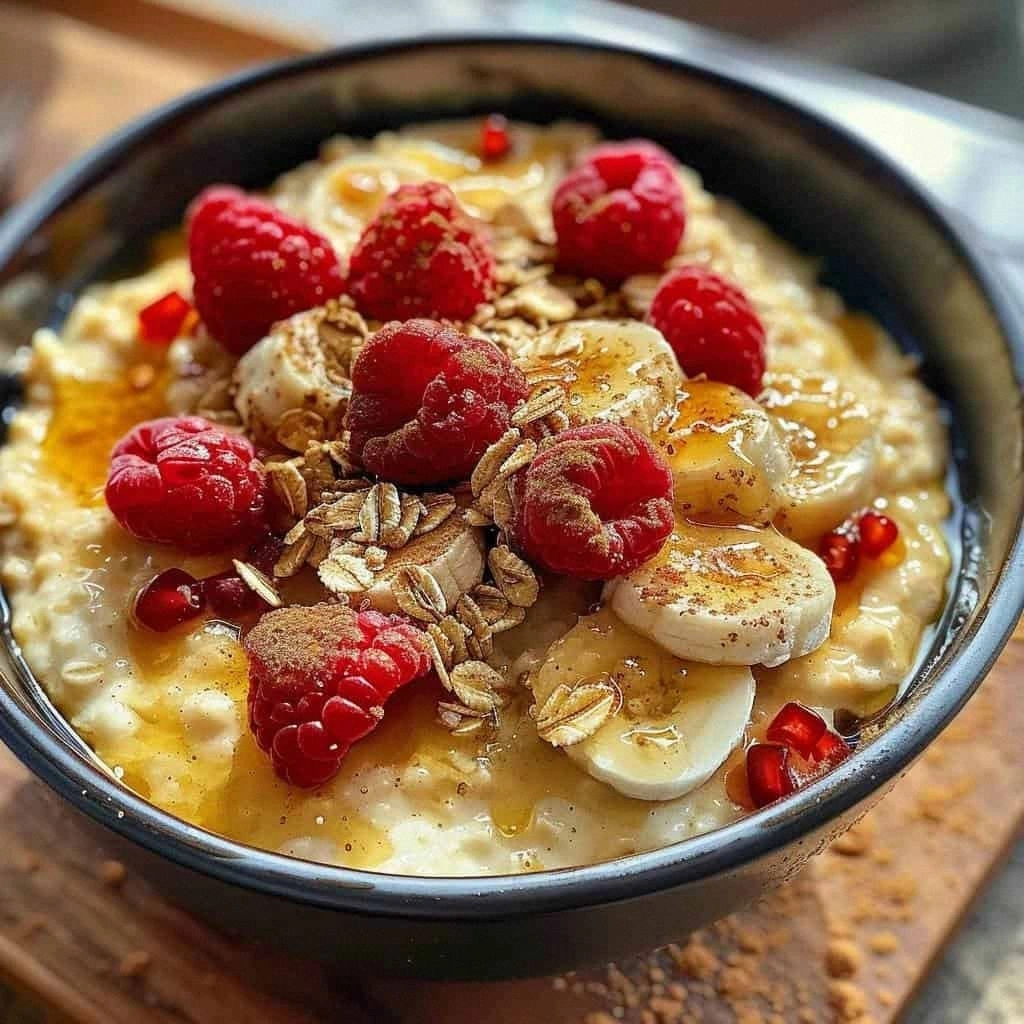
- Top with fresh fruit, a drizzle of maple syrup, or just eat it straight from the dish while standing at your kitchen counter like a civilized human being. Nobody's judging, and honestly, this is so good you might not want to share anyway. I've been known to hide the extras in the back of the fridge behind the kale, because roommates have sticky fingers when something tastes this incredible.
That's it—you did it. But hold on, I've got a few more tricks that'll take this to another level...
Insider Tricks for Flawless Results
The Temperature Rule Nobody Follows
Room temperature eggs mix more evenly and create a smoother custard—this isn't just kitchen snobbery, it's science in action. Cold eggs can cause the butter in your dish to seize up, creating weird pockets of grease instead of even distribution. Take your eggs out of the fridge 30 minutes before you start cooking, or if you're impatient (hi, same), submerge them in warm water for 10 minutes. Your custard will set more evenly and have that restaurant-quality silkiness that makes people ask if you went to culinary school.
Why Your Nose Knows Best
Don't rely solely on the timer—your nose is actually one of the best tools for knowing when this is perfectly baked. When the custard is nearly done, your kitchen will fill with this incredible aroma of vanilla and toasted oats that makes you feel like you're walking into a cozy bakery. The smell shifts from raw and eggy to warm and nutty right when it's ready. A friend tried skipping this sensory cue once—let's just say her custard ended up tasting like sweet scrambled eggs, which is exactly as appealing as it sounds.
The 5-Minute Rest That Changes Everything
After baking, let your custard rest in the turned-off oven with the door cracked open for five minutes. This gentle cooldown prevents the dramatic temperature drop that can cause cracking and weeping. Think of it as the dessert equivalent of letting a steak rest—those few extra minutes allow the proteins to relax and the texture to set perfectly. Plus, it gives you time to make coffee or set the table without rushing. Patience, young grasshopper, is the difference between good and unforgettable.
The Sugar Swirl Secret
If you want that gorgeous caramelized top like a crème brûlée, sprinkle a thin layer of sugar over the surface right when it comes out of the oven, then pop it under the broiler for 30 seconds. The sugar melts and forms this crackly shell that shatters like thin ice under your spoon. Just don't walk away—broilers are temperamental beasts that can go from perfect to charcoal in the time it takes to check your phone. Stand there and watch like a hawk guarding its nest.
The Overnight Advantage
Here's where this recipe really shines: it gets better with age. The oats continue to absorb liquid overnight, creating this pudding-like texture that's somehow even more luxurious than fresh from the oven. Make a double batch on Sunday, portion into individual containers, and you've got grab-and-go breakfasts that'll make your coworkers jealous. Just add a splash of milk when reheating—it steams back to perfection in under a minute.
Creative Twists and Variations
This recipe is a playground. Here are some of my favorite ways to switch things up:
The Chocolate Lover's Dream
Replace 2 tablespoons of milk with strong coffee, add 3 tablespoons of cocoa powder, and fold in dark chocolate chunks instead of raisins. The result tastes like eating a mocha brownie for breakfast, but with enough protein to justify calling it a meal. Top with whipped cream and a dusting of cocoa for the full dessert-for-breakfast experience that makes Monday mornings bearable.
The Tropical Escape
Use coconut milk instead of dairy, add 1/2 teaspoon of coconut extract, and stir in diced mango and toasted coconut flakes. Suddenly you're eating breakfast on a beach in Thailand, even if you're actually sitting in your studio apartment while it rains outside. The tropical flavors pair beautifully with the custard base, creating something that tastes like vacation in a bowl.
The Apple Pie Impersonator
Sauté diced apples in butter with cinnamon and nutmeg until caramelized, then fold them into the custard base. The apples stay slightly firm, creating these pockets of apple-pie filling that burst with flavor. Add a crumble topping of oats, butter, and brown sugar for the last 10 minutes of baking. It's like someone took your favorite pie and transformed it into acceptable breakfast food.
The Savory Plot Twist
Omit the sugar, swap vanilla for herbs like thyme or rosemary, and add grated cheese and crispy bacon. Sounds weird until you try it—then it becomes your new favorite brunch dish. The custard base works beautifully with savory flavors, creating something like a breakfast bread pudding that'll have guests asking for the recipe. Just don't tell them it's basically the same base as the sweet version.
The Peanut Butter Banana Classic
Mash a ripe banana into the custard base, replace nuts with chopped peanuts, and swirl in peanut butter before baking. The result tastes like the world's most sophisticated peanut butter and banana sandwich, but with the creamy texture of custard. Kids go crazy for it, and adults pretend they're eating it "for the kids" while secretly loving every bite.
The Spiced Chai Experience
Steep a chai tea bag in your milk while heating, add cardamom, ginger, and a pinch of black pepper. The spices create this warming, complex flavor that makes you feel like you're wrapped in a cozy blanket. It's particularly amazing on cold mornings when you need something to fight off the winter blues.
Storing and Bringing It Back to Life
Fridge Storage
These custards will keep happily in the refrigerator for up to 5 days, though honestly, they've never lasted that long in my house. Store them in airtight containers or wrap individual ramekins tightly with plastic wrap to prevent them from absorbing weird fridge flavors. Nobody wants custard that tastes like last night's leftover pizza. The texture firms up considerably when cold, so don't panic if it seems more like pudding than custard—this is normal and delicious.
Freezer Friendly
You can freeze these for up to 3 months, which makes them perfect for meal prep marathons. Wrap each portion individually in plastic wrap, then aluminum foil to prevent freezer burn. Thaw overnight in the refrigerator, then reheat with a splash of milk. The texture changes slightly—less silky, more pudding-like—but the flavor remains incredible. Pro tip: freeze them in muffin tins for perfect single portions that thaw quickly.
Best Reheating Method
The microwave works in a pinch, but for best results, reheat in a 300°F oven for 10-15 minutes. Add a tablespoon of milk to each portion before reheating—it creates steam that brings back that just-baked texture. If you're using the microwave, go low and slow: 30 seconds at 50% power, stir, then another 20-30 seconds. High power turns your custard into rubber faster than you can say "breakfast emergency."