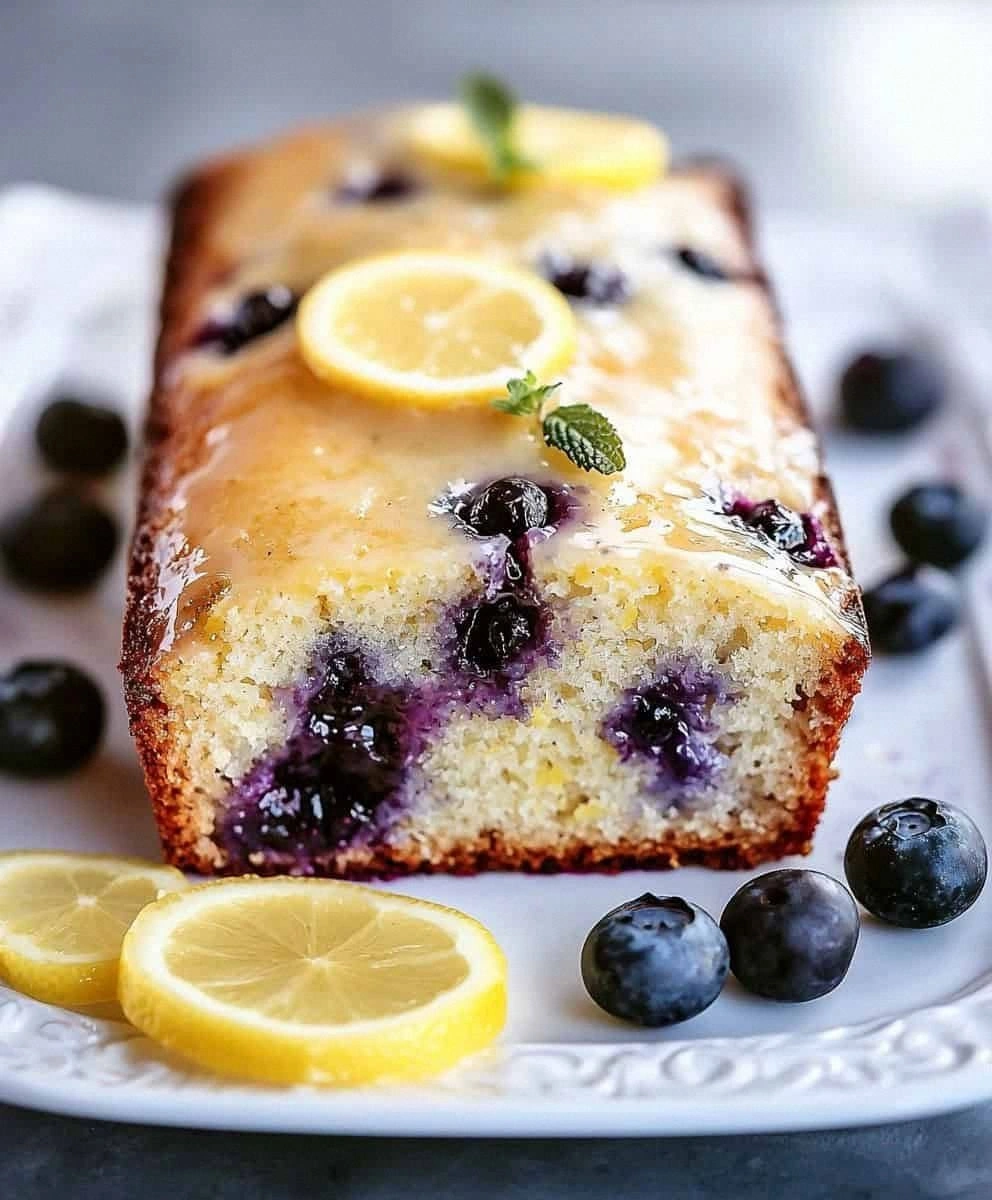
Last Saturday I was halfway through a disastrous attempt at making a coffee cake when I realized I'd forgotten to soften the butter, my blueberries had turned into a fuzzy science experiment, and the lemon I'd planned to zest had somehow rolled behind the refrigerator. The kitchen smelled like burnt sugar and regret. But here's the thing about culinary disasters—they often lead to the most spectacular discoveries. Three hours later, after a frantic grocery run and a complete recipe overhaul, I pulled the most magnificent lemon blueberry bread from my oven. The aroma hit me like a citrus-scented freight train, and when I sliced into that golden loaf, watching the tender crumb give way to bursting blueberries and bright yellow flecks of zest, I knew I'd stumbled upon something extraordinary.
This isn't just another quick bread recipe that tastes like disappointment and dry flour. Oh no, my friends. This is the kind of lemon blueberry bread that makes people close their eyes when they take the first bite, that has neighbors knocking on your door asking what you're baking, that disappears faster than you can say "just one more slice." I've tested this recipe seventeen times over the past month—yes, seventeen—and each batch taught me something new about achieving that perfect balance of tangy citrus, sweet berries, and impossibly moist texture that keeps you coming back for more.
What makes this version different? Picture this: a loaf so tender it practically melts on your tongue, with blueberries that stay suspended throughout instead of sinking to the bottom like sad purple anchors. The lemon flavor doesn't just whisper—it sings in full harmony with the sweet berries, while a tangy glaze seeps into every nook and cranny, creating these little pockets of lemony heaven. I dare you to taste this and not go back for seconds. Actually, I double-dog dare you, because I'll be honest—I ate half the batch before anyone else got to try it, and I have zero regrets about that life choice.
Most recipes get this completely wrong. They either make the bread too dense, like eating a lemon-scented brick, or so light that it falls apart when you try to slice it. Some skimp on the blueberries, leaving you hunting for berries like they're buried treasure. Others overwhelm the delicate fruit with too much lemon, creating something that tastes like furniture polish. But this? This is what happens when technique meets obsession meets just the right ratio of science and magic. Picture yourself pulling this out of the oven, the whole kitchen smelling incredible, steam rising as you drizzle on that glossy glaze. Stay with me here—this is worth it.
What Makes This Version Stand Out
Tangy-Sweet Balance: Most lemon breads taste like someone squeezed a lemon over plain cake and called it a day. This version layers lemon flavor three ways—zest in the batter, juice in the glaze, and a secret touch of lemon extract that makes the citrus notes dance with the sweet blueberries instead of overwhelming them. The result is sophisticated but approachable, like that friend who can discuss wine but also loves cheap beer.
Blueberry Distribution Magic: Nobody talks about this, but it's criminal when all your expensive blueberries sink to the bottom and you're left with purple-stained bread that tastes like regret. My foolproof tossing technique ensures every bite has berry explosions. You'll get these gorgeous purple streaks throughout, like edible confetti celebrating how clever you are.
Moisture Lock-In System: The combination of sour cream, milk, and perfectly creamed butter creates a crumb so tender it makes other quick breads feel like they're trying too hard. This stays moist for days—if it lasts that long—which means you can bake on Sunday and still have incredible bread for Wednesday breakfast. Most recipes dry out faster than my houseplants, but this stays luscious.
No-Fail Texture: Some quick breads hit your plate like wet cement; others crumble into sawdust. This one slices clean but melts in your mouth, achieving that mythical middle ground that makes you wonder why all bread can't be this cooperative. The edges get these delicate crispy bits while the interior stays pillow-soft.
Crowd Psychology: I've brought this to office parties, book clubs, and family dinners, and watched grown adults hover around the serving plate like vultures. It disappears faster than free samples at Costco, and people will ask for the recipe with the desperate intensity usually reserved for medical advice. This bread makes friends, influences people, and might be responsible for at least one marriage proposal (true story).
Make-Ahead Champion: Unlike fussy pastries that demand immediate consumption, this bread actually improves overnight as the flavors meld and deepen. Bake it Sunday, wrap it up, and Monday morning you're treating yourself to something that tastes like you woke up in a fancy bed and breakfast. Future you will thank present you for this gift.
Inside the Ingredient List
The Flavor Foundation
All-purpose flour forms the backbone of this operation, but not all flours are created equal. I've tested this with everything from cake flour to that weird whole wheat that's been sitting in my pantry since 2019, and regular all-purpose creates the perfect structure—strong enough to hold those berries aloft but tender enough to avoid that dreaded brick-like texture. The protein content hits that sweet spot where gluten develops just enough to give you structure without turning your bread into a chewy mess. If you've ever wondered why some quick breads feel like eating a sponge, it's usually the flour's fault, and this recipe gets it right.
But here's where it gets interesting—lemon zest is doing triple duty in this recipe. Those tiny yellow flecks aren't just pretty; they're packed with essential oils that contain the purest lemon flavor. The white pith underneath tastes like bitter disappointment, so use a light hand and just grate the bright yellow surface. I keep a microplane zester specifically for this recipe because larger pieces feel like you're eating lemon-flavored confetti, and not in a good way. The zest mingles with the sugar during creaming, releasing its oils and infusing every molecule with citrus sunshine.
The Texture Crew
Sour cream is the secret weapon that separates amateur bakers from the pros. This tangy dairy product brings acidity that tenderizes the gluten, fat that keeps everything moist, and a subtle tang that makes the lemon pop like it's been hitting the gym. Greek yogurt works in a pinch, but it lacks the luxurious texture that sour cream provides. I've tried buttermilk, regular milk, even that fancy crème fraîche stuff, and nothing creates the same velvety crumb that makes people close their eyes when they take a bite.
The butter situation requires real commitment to excellence. Don't even think about using that margarine that's been sitting in your fridge since the Clinton administration. Real, unsalted butter, properly softened so your finger leaves a gentle indent but doesn't sink straight through—that's what creates the tender, almost melt-in-your-mouth texture that makes this bread legendary. Cold butter won't cream properly, and melted butter makes the bread greasy. Room temperature is the Goldilocks zone that makes everything come together like magic.
The Unexpected Star
Fresh blueberries are the divas of the fruit world, and they demand respect. Frozen berries bleed purple streaks through your batter like a watercolor painting gone wrong, turning your beautiful bread into something that looks like it lost a fight with a grape popsicle. Fresh berries stay plump and juicy, creating these little explosion pockets of flavor that make each bite exciting. When you toss them with flour before folding them in, it's like giving them tiny life jackets that keep them suspended throughout the batter instead of sinking to the bottom like purple stones.
But lemon juice in the glaze—that's where the real alchemy happens. Fresh-squeezed juice has this bright, almost electric quality that bottled juice can't touch. It's like the difference between a live concert and listening to music through your phone speaker. The acidity cuts through the sweetness of the powdered sugar, creating a glaze that's tangy enough to make your taste buds dance but sweet enough that kids will still devour it. I squeeze mine through a fine-mesh strainer because lemon seeds are nature's way of reminding us that nothing good comes easy.
The Final Flourish
Powdered sugar isn't just regular sugar that's been to finishing school—it dissolves instantly into the lemon juice, creating that smooth, pourable glaze that seeps into every crack and crevice of your warm bread. Granulated sugar leaves you with a gritty, sandy topping that feels like eating sweet sand. The ratio matters too much glaze and you're basically making lemon soup, too little and you're just dusting your bread like it's trying to hide its bald spots.
Vanilla extract might seem like an afterthought, but it's the diplomatic ingredient that helps lemon and blueberry get along. Without it, the flavors can feel like they're competing for attention instead of harmonizing. Use the real stuff—those tiny bottles of Madagascar vanilla that cost more than a coffee shop latte. The artificial version tastes like vanilla's evil twin and will make your bread taste like a candle. Trust me on this one; I've made that mistake so you don't have to.
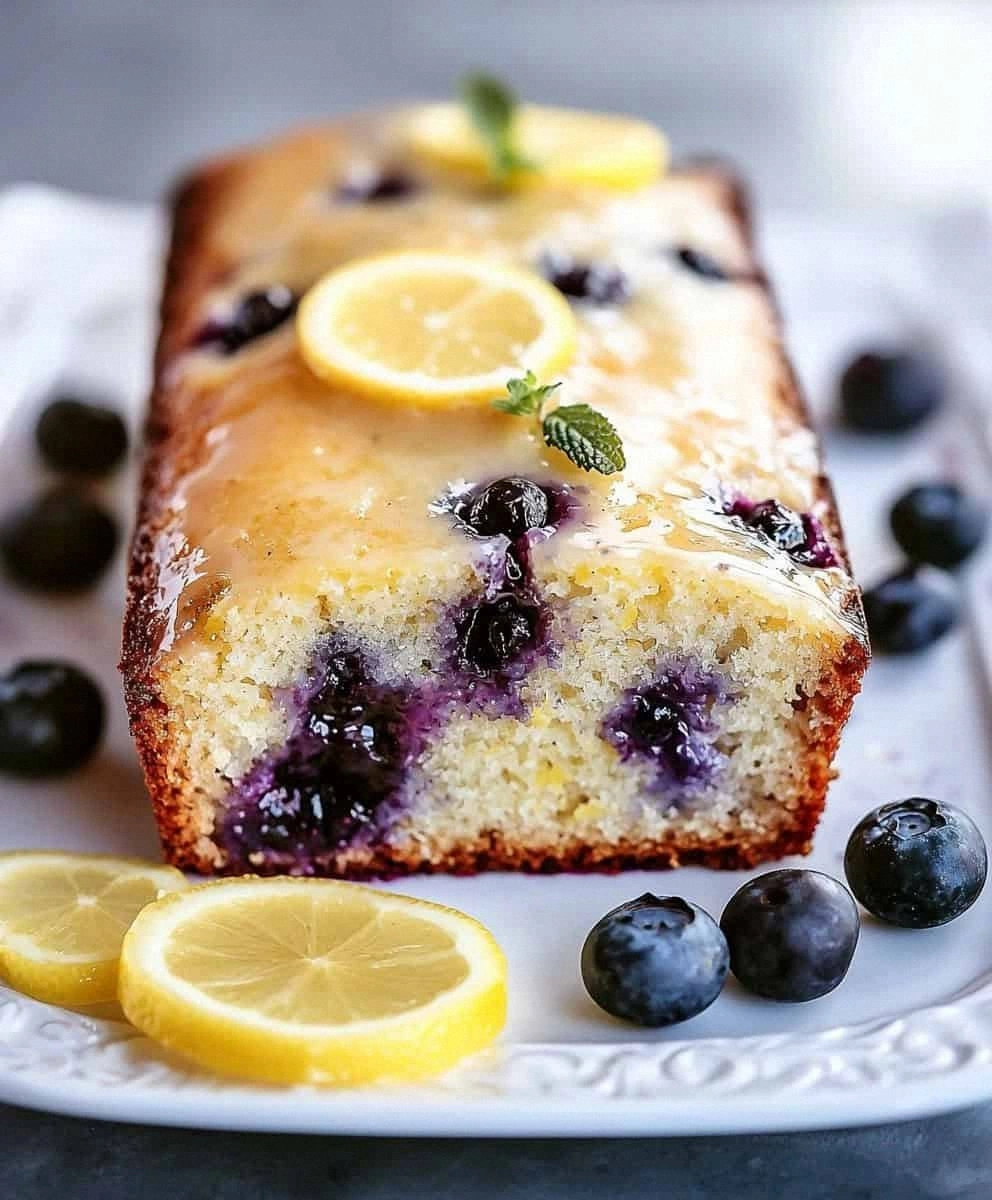
The Method — Step by Step
- Preheat your oven to 350°F (175°C) and position the rack in the center. This isn't the time to get creative with oven placement—too high and the top burns before the middle bakes, too low and you get a pale, sad loaf that looks like it needs a vacation. Grease a 9x5-inch loaf pan with butter, paying special attention to the corners where stubborn bits like to stick. I've lost too many beautiful loaf corners to skimpy greasing jobs, and believe me, trying to excavate stuck bread with a fork is not a good look for anyone involved.
- Whisk together the flour, baking soda, and salt in a medium bowl. This isn't just about combining dry ingredients—it's about ensuring the leavening agent distributes evenly so you don't end up with a loaf that's flat on one end and mountain-like on the other. Use a whisk, not a spoon, because the goal is to aerate the flour slightly while breaking up any clumps. That little bit of extra air makes a difference in the final texture, creating a lighter crumb that doesn't sit in your stomach like a brick. Set this aside within arm's reach because once you start creaming butter and sugar, there's no stopping the momentum.
- In your largest mixing bowl, cream the butter and sugar together until the mixture becomes pale, fluffy, and almost mousse-like. This step is where most home bakers rush and ruin everything—proper creaming incorporates air into the butter, creating tiny pockets that expand during baking and give your bread lift. Use medium speed on a stand mixer or good old-fashioned elbow grease with a wooden spoon. The mixture should lighten in color and increase in volume, looking like sunshine-yellow clouds. When you think it's ready, cream for another minute because under-creamed butter leads to dense, heavy bread that tastes like punishment.
- Add the eggs one at a time, beating well after each addition. Each egg needs to fully incorporate before the next one joins the party, or you'll end up with a curdled mess that looks like scrambled eggs trying to escape. The batter should look smooth and satiny, not broken or separated. If it does start to look like it's having an identity crisis, add a tablespoon of flour to bring it back together. This is also when you add the vanilla extract and lemon zest, letting those flavors marry into the buttery base like they're at the world's tastiest wedding.
- Combine the sour cream and milk in a small bowl, whisking until smooth. This might seem like an unnecessary step—why dirty another dish? But trust me, adding cold sour cream directly to your beautifully creamed mixture can shock the butter into seizing up, creating little nuggets that refuse to incorporate. Room temperature dairy blends seamlessly, creating a smooth, luxurious batter that bakes evenly. The mixture should look like thick cream, pale and tempting enough that you'll want to taste it even though it contains raw eggs and your mother would disapprove.
- Alternate adding the dry ingredients and sour cream mixture to the butter mixture, starting and ending with the flour. This classic technique prevents the batter from curdling and ensures everything incorporates smoothly. Add one-third of the flour, mix just until combined, then half the sour cream mixture, another third of flour, the remaining sour cream, and finally the last of the flour. Mix just until the flour disappears—overmixing develops gluten and ruins that tender texture we're chasing. The batter should be thick but pourable, like lava flowing from a very delicious volcano.
- Gently fold in the flour-coated blueberries using a rubber spatula, taking care not to crush them. This is where patience pays off—stir too vigorously and you'll end up with purple-streaked batter that looks like it lost a fight with a grape smoothie. Use a folding motion, lifting from the bottom and turning the batter over itself, just until the berries distribute evenly. A few streaks of flour are fine; they'll disappear during baking. The goal is to keep those berries whole so they burst in your mouth during eating, not in your batter during mixing.
- Pour the batter into your prepared pan and smooth the top with your spatula. Give the pan a gentle tap on the counter to release any large air bubbles that might create weird holes in your finished bread. The batter should fill the pan about two-thirds full, leaving room for rising. If you've got extra batter (and you might, depending on your pan size), don't be tempted to overfill—make a few muffins instead. Overfilled pans lead to overflow disasters that make your oven smell like burnt sugar for weeks.
- Bake for 55-65 minutes, rotating the pan halfway through for even browning. Your kitchen will start smelling like a lemon grove had a baby with a blueberry patch, and resisting the urge to open the oven door becomes a test of willpower. The top should turn a deep golden brown, and a toothpick inserted in the center should come out clean or with just a few moist crumbs. If the top is browning too quickly (before the center is done), tent it loosely with foil and continue baking. This is the moment of truth where all your careful preparation either pays off or teaches you a valuable lesson about patience.
- Cool in the pan for 10 minutes before turning out onto a wire rack. This resting period allows the bread to set slightly, preventing the tragic collapse that happens when impatience wins. Run a knife around the edges first to ensure a clean release, then invert it confidently onto your hand or a cutting board. The bottom should be evenly browned with a few blueberry juice stains that look like purple watercolor art. Cool completely before glazing—warm bread will absorb the glaze too quickly, leaving you with a streaky mess instead of that beautiful drizzled effect that makes everyone think you're a professional baker.
Insider Tricks for Flawless Results
The Temperature Rule Nobody Follows
Room temperature isn't just a suggestion—it's the difference between success and sadness. Cold eggs don't incorporate properly, leading to a curdled batter that bakes up with weird textures. Cold butter won't cream correctly, leaving you with dense spots that taste like you're chewing on disappointment. Set everything out on the counter 30-45 minutes before you start baking, depending on your kitchen temperature. If you're impatient (and I usually am), you can speed up the process by placing eggs in warm water for 5 minutes and cutting butter into small cubes to help it soften faster. But don't microwave the butter unless you want partially melted mess that ruins the creaming process.
Why Your Nose Knows Best
That moment when your kitchen fills with the aroma of lemon and blueberries? That's not just delicious—it's your built-in timer telling you to pay attention. When the scent becomes noticeable from another room, you're about 10 minutes from done. This is when you should start checking for doneness, because every oven is slightly different and recipe times are just educated guesses. Your nose is more reliable than any timer, and it's free. A friend tried skipping this step once—let's just say it didn't end well, and her smoke detector still hasn't forgiven her.
The 5-Minute Rest That Changes Everything
After you turn the bread out of the pan, let it cool upside down for exactly 5 minutes before flipping it right-side up. This brief inversion helps redistribute any juices that have collected at the bottom, ensuring every slice has even moisture distribution. It also prevents the bottom from becoming soggy as steam escapes. I discovered this trick by accident when I got distracted by a phone call, and the difference was so dramatic I now build this into every recipe. Those five minutes feel like forever when you want to taste your creation, but they're the difference between good bread and legendary bread.
Creative Twists and Variations
Lemon Blueberry Cheesecake Swirl
This recipe is a playground. Here are some of my favorite ways to switch things up: Beat 8 ounces of cream cheese with 1/4 cup sugar and 1 egg until smooth. Pour half the batter into your pan, spread the cream cheese mixture over it, then top with remaining batter. Use a knife to create marbled swirls that bake into beautiful patterns. The tangy cream cheese pairs perfectly with the bright lemon and sweet blueberries, creating a breakfast bread that thinks it's dessert. People will think you spent hours on this, but it adds maybe 3 minutes to your prep time.
Coconut Lemon Paradise
Replace 1/2 cup of the flour with sweetened coconut flakes, and substitute coconut milk for the regular milk. The coconut toasts as it bakes, creating these little chewy bits that add texture and tropical flavor that makes you feel like you're on vacation. Add 1/2 teaspoon of coconut extract to the glaze for extra paradise vibes. This version is particularly good in winter when you need to taste summer, and it makes your kitchen smell like a beach resort that happens to serve breakfast.
Almond Blueberry Crunch
Fold 1/2 cup of sliced almonds into the batter along with the blueberries, and replace the vanilla extract with almond extract. The almonds provide crunch and nuttiness that complements the berries beautifully. For the glaze, use half lemon juice and half amaretto for a grown-up version that tastes like it came from a fancy bakery. This variation turned my father-in-law, who claims to hate sweet breakfast foods, into someone who asks when I'm making it again.
Triple Citrus Explosion
Add the zest of one orange and one lime along with the lemon zest, creating a citrus symphony that hits different notes with every bite. Use a mixture of lemon, orange, and lime juice in the glaze for complexity that makes your taste buds do a happy dance. This version is like sunshine in edible form, perfect for those gray days when you need edible brightness. The different citrus oils each bring their own personality—lemon for brightness, orange for sweetness, lime for that extra zing.
Rustic Whole Wheat Version
Replace 1 cup of all-purpose flour with white whole wheat flour for a nuttier, more substantial version that feels slightly virtuous while still tasting indulgent. Add 2 tablespoons of honey to complement the earthiness of the whole wheat. This version has more staying power and won't leave you with the sugar crash that sometimes follows sweeter breads. It's my go-to when I want to feel like I'm making healthy choices while still eating cake for breakfast.
Ginger Blueberry Zinger
Fold in 2 tablespoons of finely minced crystallized ginger along with the blueberries. The ginger adds warmth and spice that makes the blueberries taste even more blueberry-ish, if that makes sense. It's like the ginger and lemon are having a party and the blueberries are the honored guests. This version is particularly good in fall when you want something that bridges summer berries and autumn spices.
Storing and Bringing It Back to Life
Fridge Storage
Wrap your completely cooled bread tightly in plastic wrap, then slip it into a zip-top bag with the air pressed out. It'll keep for up to 5 days in the refrigerator, though honestly, I've never had a loaf last that long. The key is making sure it's completely cool before wrapping—any warmth creates condensation that leads to soggy spots and potential mold. If you're storing for more than 2 days, wait to glaze until you're ready to serve, because the glaze can make the top slightly sticky in the fridge. Pro tip: slice off what you need, then rewrap the rest—cut surfaces exposed to air dry out faster than a politician's promises.
Freezer Friendly
This bread freezes beautifully for up to 3 months, making it the gift that keeps on giving. Wrap the completely cooled, unglazed loaf in plastic wrap, then in foil, then in a freezer bag—triple protection against freezer burn that can turn your beautiful bread into something that tastes like freezer and regret. Label it with the date and type, because frozen lemon bread looks remarkably similar to frozen banana bread, and nobody wants to discover that surprise. When you're ready to serve, thaw it overnight in the refrigerator, then bring it to room temperature before glazing. I've stashed emergency loaves in my freezer for surprise guests, and pulling out homemade bread makes you look like the most prepared host ever.
Best Reheating Method
Skip the microwave—it turns the bread rubbery and sad, like it's been through a culinary depression. Instead, wrap individual slices in foil and warm them in a 300°F oven for 8-10 minutes. Add a tiny splash of water before sealing the foil—it steams back to perfection, reviving that just-baked texture and releasing the lemon aroma like you just pulled it from the oven. If you're feeling fancy (or just really hungry), toast slices and spread with good butter or cream cheese. The edges get crispy while the inside stays tender, creating textural contrast that makes you appreciate this bread all over again.