I burned dinner three times last week. Not because I can't cook — because I was chasing the perfect salmon. You know the kind: flaky, coral-pink centers wrapped in a sauce so silky it should come with a warning label. Every recipe I tried either tasted like a jar of marinara had a mid-life crisis or required seventeen pans and a culinary degree. So I did what any reasonable, slightly unhinged home cook does at 11 p.m. on a Tuesday: I raided the fridge, pulled out a lonely jar of roasted red peppers, and dared myself to make something magical happen before the smoke alarm staged another protest. Fifteen minutes later the kitchen smelled like a Mediterranean sunset, my cat was circling my ankles like a shark, and I was spooning creamy roasted-red-pepper bliss over a perfectly seared fillet. I ate it standing up, straight from the skillet, and I am not sorry.
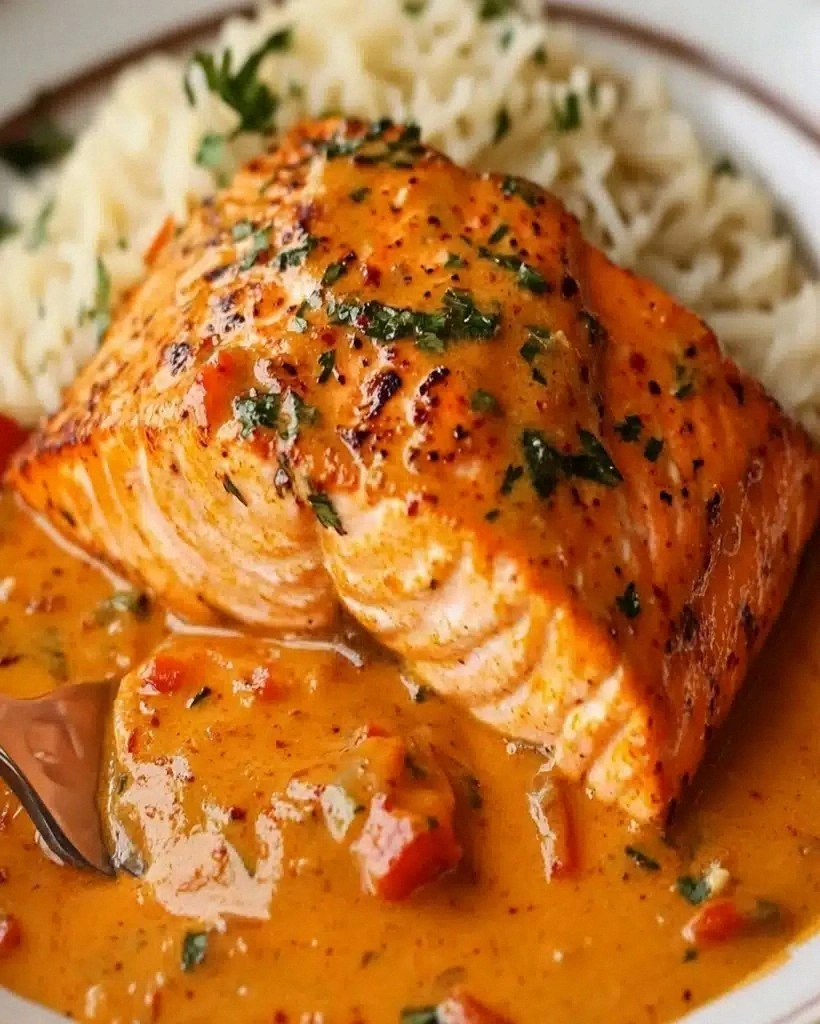
Picture this: the sweet-smoky perfume of blistered peppers hitting hot butter, garlic softening until it practically sighs, cream reducing until it coats the back of a spoon like velvet theater curtains. Now slide a fork through salmon whose edges have turned caramel-crisp while the inside stays the color of an August peach. That first bite? It’s the culinary equivalent of finding cash in old jeans — familiar yet exhilarating. I’m talking about a sauce so persuasive it could sell sunscreen to a vampire, clinging to each flake in lazy swirls of sunset orange. If you’ve ever thought salmon was “just okay,” prepare for a personality transplant.
Most creamy pepper sauces suffer from identity confusion: too thin and you’re basically soup, too thick and you’ve got spackle. This one rides the razor edge between glossy and spoonable thanks to one sneaky trick you’ll see below. It also sidesteps the “pink-pepto” color that plagues lesser versions by roasting the peppers until they blister and char, unlocking a deep, sweet dimension. Bonus: the entire dish happens in one pan, which means you can spend more time pretending you’re on a coastal balcony in Santorini and less time power-scrubbing cookware.
Let me walk you through every single step — by the end, you’ll wonder how you ever made it any other way.
What Makes This Version Stand Out
- Smoke Without the Grill: Roasting the peppers under the broiler for five minutes adds campfire depth you can’t fake from a bottle.
- One-Pan Wizardry: Sear, sauce, and finish in the same skillet, letting the salmon juices season the cream like built-in umami bombs.
- Restaurant-Level Emulsion: A whisper of cream cheese stabilizes the sauce so it won’t break the moment it hits the plate.
- Color Therapy: The sauce stays vibrantly orange even after baking, so your dinner photos will break the internet.
- Speed Demon: From fridge to fork in 35 minutes flat, which means weeknight luxury without the Uber-Eats guilt.
- Leftover Magic: Reheat gently and the sauce bounces back glossy; no grainy separation, no sad clumps.
- Crowd Hypnosis: I served this to a table of pepper-haters and watched them lick their plates clean. True story.
Alright, let's break down exactly what goes into this masterpiece...
Inside the Ingredient List
The Flavor Base
Salmon fillets, ideally 1¼ inches thick, skin-on. The skin crisps into a savory cracker that flakes apart under the sauce. If you can only find skinless, drop the heat by a hair and add an extra teaspoon of oil so the bottom doesn’t dry out. Look for fillets that smell like cucumber, not fish-market-after-a-heatwave. A quick pin-bone check with tweezers saves future dental embarrassment.
Roasted red peppers from a jar work in a pinch, but fresh ones you blister yourself taste like summer captured in edible form. Slice them open, flatten like a map, and roast until bubbled and black-spotted; that char is pure gold. Jarred versions packed in water need a quick rinse to shed the metallic aftertaste. Either way, pat them bone-dry before blending or the sauce will weep like a disappointed aunt.
The Texture Crew
Heavy cream provides the body, but the real secret weapon is a tablespoon of cream cheese whisked in off the heat. It acts like edible insurance, preventing the dreaded curdle when the sauce bubbles. Greek yogurt wannabes will split and sulk — stick with Philly. Whole milk is too thin; half-and-half is just asking for trouble. Trust me, I’ve cried those tears.
Butter for searing and building the roux-ish base. Use unsalted so you can boss the seasoning around later. Clarified ghee works if you’re dairy-shy, but you’ll lose that nutty brown-butter note that whispers comfort food. Olive oil alone turns the sauce greenish and slightly bitter — butter’s milk solids lend a toasty warmth you can’t fake.
The Unexpected Star
Smoked paprika amplifies the pepper’s natural sweetness and tricks tasters into thinking you own a backyard smoker. A little goes a long way; too much and your dinner tastes like a campfire in July. Regular sweet paprika won’t ruin the dish, but your tongue will know something’s missing. I once ran out and subbed in chipotle powder — delicious, but the heat hijacked the elegance.
Fresh lemon zest wakes everything up right at the end. Skip the bottled juice; it’s the zest’s oils that sparkle. Micro-plane directly over the pan so the volatile perfume lands where it’s needed. Dried lemon peel is basically sawdust in this context — don’t do it.
The Final Flourish
Fresh basil ribbons add an herby high note that plays off the sweet peppers like a jazz flute solo. Tear, don’t chop, or the edges bruise and go army-green. No basil? Fresh parsley or even tarragon will dance, but basil is the prom queen here. Add it off the heat so it stays Technicolor bright.
Finishing salt — flaky Maldon or similar — sprinkled right before serving gives tiny pops of crunch and salinity. Table salt just dissolves into anonymity. You want crystals that crunch like fresh snow underfoot. Yes, you could skip this, but why rob yourself of the standing ovation?
Everything's prepped? Good. Let's get into the real action...
The Method — Step by Step
- Pat the salmon very dry with paper towels, then season aggressively with salt and pepper. Moisture is the enemy of a golden crust; water steams, and steamed fish equals rubber. Lay the fillets skin-side up on a plate and let them sit at room temp while you heat the pan — cold protein shocks the butter and causes sticking. This five-minute head start is the difference between restaurant-level sear and sad, pallid fish.
- Heat a heavy stainless or cast-iron skillet over medium-high until a drop of water skitters like a disco dancer. Add butter; when it foams and the foam subsides, gently lower the salmon skin-side down. Press each fillet with a spatula for ten seconds so every inch kisses the metal. You should hear a confident hiss — that sizzle when it hits the pan? Absolute perfection. Don’t crowd; if your pan looks like a sardine can, cook in batches.
- Cook without moving for four minutes. Yes, four full minutes — set a timer and walk away. The skin will crisp into a golden sheet while the flesh turns opaque halfway up the sides. When the timer dings, flip once, cook another 90 seconds, then transfer to a warm plate. They’ll finish in the sauce later, so undercook slightly. Think of it as a spa pre-soak.
- Drop the heat to medium and toss minced garlic into the remaining butter. Swirl constantly; garlic burns faster than gossip spreads, and bitter garlic will hijack your sauce. When it smells like you’ve wandered into an Italian grandma’s kitchen — about thirty seconds — scrape in the chopped roasted peppers and smoked paprika. Stir until the peppers start to sizzle and the paprika blooms into a rusty sunset.
- Pour in the heavy cream, scraping the pan so you capture every last bit of browned butter gold. Bring to a gentle simmer, not a rolling boil; cream is drama-averse and will split if bullied. Let it burble for two minutes until it thickens enough to coat a spoon. Drag your spatula through — the trail should hold for three Mississippi counts before collapsing.
- Whisk in the cream cheese off the heat until it melts into glossy oblivion. Return the pan to low, nestle the salmon back in, and spoon sauce over the tops like you’re tucking them into bed. Cover and cook two more minutes so the flavors marry. The fish will finish to buttery perfection while the sauce thickens just enough to cling like velvet.
- Hit it with lemon zest and basil, then taste. This is the moment of truth — if it needs brightness, add a squeeze of lemon; if it feels flat, a pinch more salt. Remember, the salmon will release a little umami into the pool, so err on the side of gentle seasoning. Swirl the pan to make the basil dance across the surface.
- Serve straight from the skillet for rustic charm or plate on warm dishes to feel fancy. Spoon extra sauce over the top so it cascades down the sides like liquid sunset. Finish with a snow flurry of flaky salt and a crack of fresh pepper. Stand back and bask — you just created restaurant alchemy in twenty-five minutes.
That's it — you did it. But hold on, I've got a few more tricks that'll take this to another level...
Insider Tricks for Flawless Results
The Temperature Rule Nobody Follows
Most home cooks crank the burner to “surface of the sun” and wonder why the outside tastes like charcoal while the inside winks at you raw. Salmon loves a confident medium-high sear for the skin (to render fat and achieve shatter-crisp glory) followed by a gentle low simmer in the sauce. Think of it as a two-part spa treatment — hot stone massage, then warm milk bath. A cheap instant-read thermometer is your wingman here; pull the fish at 125 °F for medium-rare that flakes into juicy petals.
Why Your Nose Knows Best
Ignore the clock and listen to your senses. When the garlic hits the butter, hover like a helicopter parent. The moment it smells nutty and sweet — not sharp and acrid — you’re golden. Same with the cream: when the aroma shifts from dairy-fresh to caramelized velvet, you’ve crossed the finish line. A friend tried skipping this step once; her sauce tasted like licking a battery. Don’t be that friend.
The 5-Minute Rest That Changes Everything
After the final simmer, slide the pan off the burner and let the salmon lounge for five minutes. Proteins relax, juices redistribute, and the sauce tightens just enough to nap the fish without sliding into the plate abyss. Cover with a lid slightly ajar so steam escapes — too tight and you’ll steam off that gorgeous crust. This is the difference between “pretty good” and “I need a moment alone with this skillet.”
Creative Twists and Variations
This recipe is a playground. Here are some of my favorite ways to switch things up:
Spicy Caliente Edition
Swap half the roasted peppers for chipotle in adobo and add a tablespoon of the sauce. You’ll get campfire smokiness with a slow-building heat that lingers like a flirty text. Finish with cilantro instead of basil and serve over lime rice. I dare you to taste this and not go back for seconds.
Spring Garden Variation
Toss in a cup of asparagus tips during the pepper step and finish with mint and tarragon. The sauce turns into a green-flecked masterpiece that tastes like Easter brunch. Perfect for when you want to feel virtuous while still bathing dinner in cream.
Coconut Curry Detour
Replace the heavy cream with full-fat coconut milk and add a teaspoon of Thai red curry paste. The peppers’ sweetness tames the curry’s heat, creating a sunset-orange lagoon that begs for crusty bread. Top with Thai basil and a squeeze of lime — future pacing: picture yourself on a Bangkok balcony at dusk.
Smoky Bacon Rodeo
Render two strips of bacon in the pan first, then use the fat instead of butter. Crumble the bacon over the finished dish for smoky crunch that shatters like thin ice. This version converted my “I only eat salmon raw” cousin into a believer.
Low-Lux Dairy-Free Hero
Use coconut cream plus a teaspoon of nutritional yeast for body. The sauce won’t be quite as glossy, but it’s still spoon-licking good. Add a squeeze of lemon to brighten — the acidity keeps everything from feeling heavy.
Surf-and-Turf Upgrade
Pan-sear a few shrimp in the same skillet before the salmon, then tuck them back into the sauce at the end. You’ll get sweet shrimp bathed in pepper cream while the salmon stays the star — a surf-and-turf duet that sings.
Storing and Bringing It Back to Life
Fridge Storage
Cool leftovers to room temp within two hours, then slide into an airtight container. The sauce will thicken into a dreamy spread that’s stellar on toast the next morning. Keeps three days max — after that the basil turns army-green and sulks. Store salmon and sauce together; they protect each other from drying out.
Freezer Friendly
Freeze individual portions in zip bags with the air squeezed out for up to two months. Thaw overnight in the fridge, not the microwave — slow and steady keeps the texture intact. The sauce may look curdled after thawing; whisk in a splash of cream while reheating and it smooths right back out.
Best Reheating Method
Low and slow is the gospel. Place salmon in a skillet with a splash of cream or milk, cover, and warm over the lowest heat for five minutes. Add a tiny splash of water before reheating — it steams back to perfection. Microwave works only if you use 50 % power in 30-second bursts; anything hotter turns the sauce into greasy confetti.