I still remember the night I ruined three pots of soup in a row. The first was watery, the second tasted like wallpaper paste, and the third? Let's just say my smoke detector got more action than my taste buds. I was chasing that perfect bowl of potato soup—the kind that hugs your soul on a cold evening, the kind that makes you close your eyes after the first spoonful and mutter "where have you been all my life" like some lovesick fool. After a week of obsessive testing, a fridge full of failed attempts, and one very patient dog who gained three pounds from my leftovers, I finally cracked the code. What emerged from my Dutch oven that fateful Thursday night wasn't just soup; it was liquid comfort that could make a grown adult weep into their bread bowl.
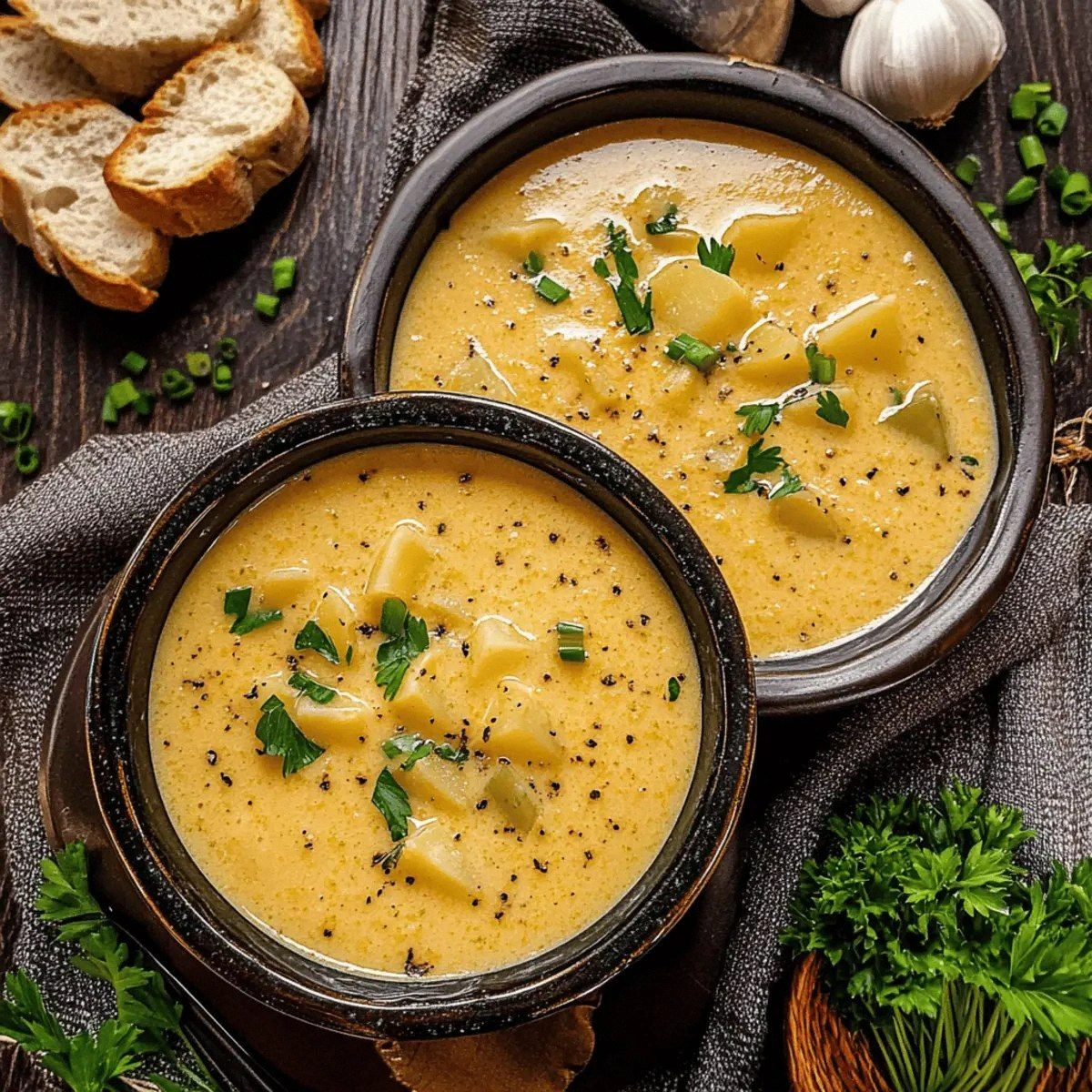
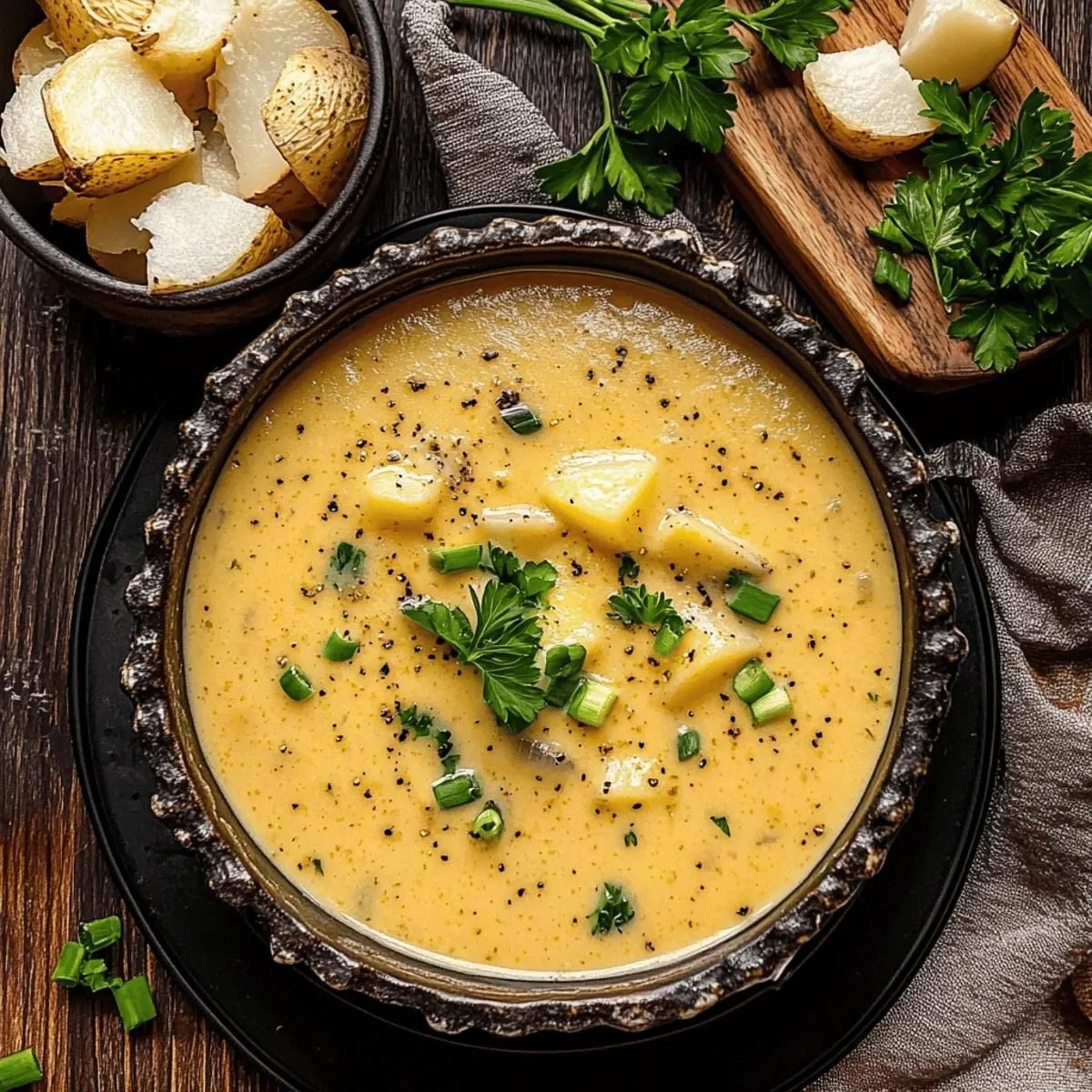
Picture this: tiny cubes of russet potatoes that have been kissed by garlic and swimming in a broth so creamy it could moonlight as velvet. The sharp cheddar melts into every crevice, while herbs dance through each spoonful like they own the place. The aroma alone is enough to make your neighbors knock on your door with empty bowls in hand, claiming they smell something "absolutely criminal" happening in your kitchen. I've seen grown men abandon football games for this soup. I've witnessed teenagers voluntarily put down their phones to slurp it straight from the pot. This isn't just dinner; it's a magnet that pulls people together and keeps them lingering at the table long after the bowls are empty.
Here's what separates this version from every other potato soup recipe cluttering the internet: we're not just throwing ingredients into a pot and hoping for the best. We're building layers of flavor like a symphony, each note perfectly timed and balanced. The secret lies in treating humble ingredients like royalty—giving the garlic a proper sauté until it turns golden and fragrant, letting the wine bubble away until it concentrates into pure essence, and coaxing every ounce of flavor from those potatoes until they surrender their starch and create the most luxurious texture you've ever encountered. Trust me, once you taste this, you'll never look at potato soup the same way again.
Let me walk you through every single step—by the end, you'll wonder how you ever made it any other way.
What Makes This Version Stand Out
Before we dive into the nitty-gritty, let me tell you why this recipe will become your new obsession. I've tested this soup on the pickiest eaters I know—from my nephew who thinks vegetables are poison to my mother-in-law who believes soup should only come from a can. They all licked their bowls clean and asked for seconds. That's not hyperbole; that's the power of getting every element exactly right.
- Flavor Depth: We're not just boiling potatoes here. We're creating a flavor foundation with caramelized onions, roasted garlic, and a splash of white wine that adds brightness and complexity. Most recipes skip this step and end up tasting flat and one-dimensional.
- Texture Perfection: The combination of russet potatoes (which break down beautifully) and strategic blending creates a soup that's simultaneously silky and substantial. You'll get spoon-coating creaminess with tender potato bits that provide satisfying texture.
- Cheese Strategy: Instead of dumping in pre-shredded cheese that turns grainy, we'll use freshly grated sharp cheddar and add it off-heat. This prevents that dreaded clumpy, oily mess that ruins so many cheese soups.
- Herb Timing: Dried herbs go in early to bloom in the fat, while fresh herbs finish the soup for maximum impact. This dual-herb approach gives you both deep background notes and bright top notes.
- Kale Addition: The chopped kale isn't just for health—its slight bitterness balances the richness and adds beautiful color contrast. Plus, it holds up to reheating without turning to mush.
- Make-Ahead Magic: This soup actually improves overnight as the flavors meld. I'll show you exactly how to store and reheat it so it tastes even better the second day.
- One-Pot Wonder: Despite tasting like it came from a fancy restaurant, everything happens in one pot. Less dishes means more time for important things, like eating soup in your pajamas.
Alright, let's break down exactly what goes into this masterpiece...
Inside the Ingredient List
Every ingredient in this soup has a job, and they all work together like a well-rehearsed orchestra. Skip one, and you'll notice. Substitute willy-nilly, and you'll wonder why your soup doesn't sing like mine does. But don't worry—I'll walk you through each player and explain exactly why they matter, plus give you the swaps that actually work when you're in a pinch.
The Flavor Foundation
Our russet potatoes aren't just starchy filler—they're the backbone that creates the soup's body. When simmered and partially mashed, they release amylopectin starch that naturally thickens the broth without any flour or cornstarch. I've tried this with Yukon Golds, and while they're delicious, they don't break down the same way. The result is a soup that's pleasantly chunky but never achieves that velvety consistency that makes this version special.
The red onion brings sweetness and color that white or yellow onions simply can't match. When sautéed in butter and olive oil, they turn a gorgeous burgundy color and develop complex sugars that add depth to every spoonful. If you only have yellow onions, they'll work, but you'll miss that subtle sweetness that balances the sharp cheddar.
Garlic is where most recipes go wrong—they either burn it or add it too late. We're mincing it fine and adding it after the onions have softened, letting it cook just until fragrant. This releases all those wonderful sulfur compounds without any bitter notes. Fresh garlic is non-negotiable here; the pre-minced jarred stuff tastes like disappointment and regret.
The Liquid Gold
Vegetable stock might seem basic, but it carries all our flavors. Use a good quality one, or better yet, make your own. Water won't cut it—you need that vegetable backbone to build upon. The white cooking wine isn't just for deglazing; its acidity brightens the whole soup and helps cut through the richness of the cream and cheese.
Heavy cream isn't trying to be healthy, and that's exactly the point. This is comfort food, not diet food. The fat content is crucial for carrying flavors and creating that luxurious mouthfeel. If you absolutely must, you can use half-and-half, but your soup will be thinner and less indulgent.
The Seasoning Squad
On Everything All-Purpose Blend is my secret weapon—it's got garlic, onion, herbs, and a touch of heat that makes everything taste better. If you don't have it, a mix of dried thyme, oregano, and a pinch of red pepper flakes will get you close. The smoked paprika adds subtle smokiness that makes people ask "what's that amazing flavor?" without being able to put their finger on it.
Sharp cheddar is where we get our big, bold cheese flavor. Don't go mild here—you want that assertive bite that stands up to all the other strong flavors. Fresh grating is essential; pre-grated cheese contains anti-caking agents that can make your soup grainy and prevent smooth melting.
The Fresh Finish
Kale might seem like an afterthought, but it's the ingredient that makes this soup feel virtuous enough for weekly rotation. It holds its texture through reheating, adds beautiful color, and provides a slight bitterness that balances all that richness. If kale isn't your thing, baby spinach works too, but add it right before serving so it doesn't turn army green.
Everything's prepped? Good. Let's get into the real action...
The Method — Step by Step
- Start by heating your Dutch oven over medium heat and adding the olive oil and butter together. This combination gives us the best of both worlds—butter for flavor and oil to prevent burning. When the butter stops foaming and starts to smell nutty, that's your cue to add the chopped red onion. Stir occasionally and watch as the onions turn from harsh white to soft and translucent, releasing their sweet aroma. This should take about 5-6 minutes, and your kitchen should start smelling like you've got your life together.
- Clear a space in the center of the pot and add your minced garlic directly on the hot surface. Let it sit for just 20-30 seconds before stirring—it'll sizzle dramatically and develop a golden color without burning. Stir everything together and cook for another minute until your kitchen smells like a French bistro. The garlic should be fragrant but not brown; brown garlic tastes bitter and will ruin all our hard work.
- Now comes the fun part—dump in all those potato cubes and give them a good toss in the onion-garlic mixture. Let them cook for 3-4 minutes, stirring occasionally. This step might seem unnecessary, but it builds a flavor foundation that makes the difference between good soup and great soup. The edges of the potatoes will start to look slightly translucent—that's exactly what we want.
- Pour in the white cooking wine and watch it bubble dramatically, lifting all those beautiful browned bits from the bottom of the pot. Let it reduce by half—this concentrates the flavor and cooks off the harsh alcohol taste. Your kitchen will smell absolutely incredible at this point, like you should be charging admission. This should take about 2-3 minutes, and the liquid will look syrupy and glossy.
- Add the vegetable stock, On Everything blend, and smoked paprika. Give everything a good stir, making sure to scrape up any bits stuck to the bottom—that's pure flavor gold. Bring it to a boil, then reduce to a gentle simmer. Cover partially and let it bubble away for 15-20 minutes until the potatoes are fork-tender. Don't rush this part; the potatoes need time to release their starch and create that creamy texture we're after.
- Here's where we transform this from potato soup to potato soup that will haunt your dreams. Use a potato masher to roughly mash about half the potatoes right in the pot. You're looking for a chunky-smooth texture—some whole potato pieces, some completely broken down. This gives us the perfect consistency: thick enough to coat a spoon but not so thick you could stand a cracker in it.
- Reduce the heat to low and stir in the heavy cream. Let it warm through for about 2 minutes, but don't let it boil or the cream might curdle. The soup will instantly turn a beautiful creamy color and smell like you should be wearing a chef's hat. This is also when you add the chopped kale—it'll wilt down quickly but stay vibrant green.
- Remove the pot from heat completely for the most critical step: adding the cheese. Sprinkle in the freshly grated cheddar a handful at a time, stirring until each addition melts completely before adding more. The soup should be hot enough to melt the cheese but not so hot that it breaks and becomes grainy. Taste and adjust seasoning if needed—though with all these layers of flavor, it probably won't need anything.
That's it—you did it. But hold on, I've got a few more tricks that'll take this to another level...
Insider Tricks for Flawless Results
The Temperature Rule Nobody Follows
Here's where most home cooks mess up: they try to rush the cheese melting step by keeping the soup on the burner. Big mistake. Cheese needs gentle heat to melt smoothly, otherwise the proteins seize up and you get that dreaded grainy texture. Take your pot completely off the heat, let it sit for 2 minutes, then add the cheese gradually. The residual heat is plenty to melt it into silky perfection. If you're still nervous, you can temper the cheese by mixing it with a ladle of soup in a separate bowl first, then stirring it back in.
Why Your Nose Knows Best
Your sense of smell is your best tool for knowing when each step is done. When the onions smell sweet instead of sharp, they're ready. When the garlic smells fragrant instead of raw, it's time to move on. When the wine stops smelling like alcohol and starts smelling like concentrated flavor, it's reduced enough. This isn't vague cooking advice—it's how professional chefs time everything without constantly checking clocks. Trust your nose, and you'll nail the timing every time.
The 5-Minute Rest That Changes Everything
Once you've added the cheese and stirred until smooth, let the soup rest for 5 minutes before serving. This isn't just about letting it cool to a non-mouth-burning temperature. During this rest, the starch from the potatoes continues to hydrate, the flavors meld together, and the soup reaches its peak consistency. It's like letting a steak rest after cooking—all the good stuff is redistributing and settling in. Plus, this gives you time to grill some bread, set the table, or just bask in the glory of what you've created.
The Garnish Game-Changer
Save a handful of the grated cheddar for garnish, along with some crispy bacon bits, sliced green onions, or a swirl of cream. But here's the pro move: reserve some of the potato cubes before you mash, sauté them in butter until golden, and use them as garnish. They add incredible texture and make your soup look like it came from a restaurant where they know what they're doing. Your Instagram followers will think you've been taking cooking classes.
Creative Twists and Variations
This recipe is a playground. Here are some of my favorite ways to switch things up:
The Loaded Baked Potato Version
Swap the kale for chopped green onions, add crumbled bacon to the soup, and top each bowl with sour cream and more cheese. Use smoked cheddar instead of sharp for extra depth. It's like eating a loaded baked potato but with a spoon and without the judgment of eating four baked potatoes in one sitting.
The Beer Cheese Soup Makeover
Replace the white wine with a malty beer like a brown ale or Oktoberfest. Add a tablespoon of Dijon mustard and use a mix of sharp cheddar and smoked Gouda. The beer adds incredible depth and pairs perfectly with the potatoes. Serve with soft pretzel pieces for dipping and watch it disappear faster than free samples at Costco.
The Spicy Southwest Edition
Add a diced jalapeño with the onions, swap the smoked paprika for chipotle powder, and use pepper jack cheese instead of cheddar. Stir in some corn kernels and black beans at the end. Top with crushed tortilla chips and you've got a soup that'll warm you up from the inside out on those cold winter nights.
The Farmhouse Vegetable Boost
Add diced carrots and celery with the onions, throw in some corn kernels and diced bell peppers with the potatoes, and finish with fresh thyme instead of kale. This version is like autumn in a bowl and makes your house smell like you're living in a farmhouse Pinterest board.
The Seafood Chowder Remix
Use half stock and half clam juice, add bay leaves and thyme, and finish with chunks of cooked lobster or crab meat instead of kale. It's luxurious enough for company but easy enough for a random Tuesday when you need to remind yourself that you're doing okay in life.
The Vegan Comfort Version
Replace butter with more olive oil, use vegetable stock, swap heavy cream for coconut milk, and use nutritional yeast instead of cheese. Add some white beans for protein and smoked paprika for that smoky depth. Even my carnivore friends devour this version and ask for the recipe.
Storing and Bringing It Back to Life
Fridge Storage
This soup keeps beautifully in the refrigerator for up to 4 days, and honestly, it might be even better on day two or three after all those flavors have had time to mingle and get to know each other. Store it in an airtight container—glass works best because it won't absorb odors or stain. Let it cool completely before refrigerating, but don't leave it out for more than 2 hours. When you're ready to reheat, add a splash of milk or stock because the potatoes will have absorbed more liquid overnight.
Freezer Friendly
Here's the thing about freezing potato soup: it can get a little grainy when thawed because potatoes don't love the freezing process. But I've got a workaround. Freeze it in individual portions (muffin tins work great for this) and when you reheat, whisk vigorously while warming. The texture won't be exactly the same as fresh, but it'll still be delicious. Freeze for up to 3 months, and always label with the date because future you will not remember what mystery soup is in that container.
Best Reheating Method
Low and slow is the name of the game here. Reheat gently over medium-low heat, stirring frequently. If it's too thick (which it probably will be), thin it with warm milk or stock, not cold liquid. Microwave works in a pinch—use 50% power and stir every 30 seconds. Whatever you do, don't boil it vigorously or you'll break the cream and end up with a curdled mess that will make you question all your life choices.