I was standing in my kitchen, staring at a burnt piece of chicken that looked like a charcoal briquette, when my roommate dared me to make something that would actually make people forget the disaster. I accepted the challenge, because honestly, who doesn’t love a good culinary redemption story? The craving for that deep, smoky, creamy sauce that whispers “comfort” in every bite was gnawing at me all week, and I promised myself I would not settle for a bland, store‑bought version. After a night of experimenting with spices, a splash of yogurt, and a secret technique involving a scorching grill pan, I finally nailed a Chicken Tikka Masala that feels like a hug from a Bollywood star. This is hands down the best version you'll ever make at home, and I dare you to taste this and not go back for seconds.
Picture yourself pulling a pot of ruby‑red sauce out of the oven, the whole kitchen smelling like a spice market in Mumbai, the steam curling up and wrapping around your nose like a silk scarf. You’ll hear the gentle hiss as the butter melts, the sizzle when the onions hit the pan, and the soft thump of the chicken pieces settling into the gravy, each sound a promise of flavor to come. The texture will be a perfect marriage of tender, char‑kissed chicken and a sauce that coats the meat like velvet, while the heat from the chili powder dances on your tongue without stealing the show. I’ll be honest — I ate half the batch before anyone else got to try it, but that’s only because I’m a terrible liar and a huge fan of my own cooking.
Most recipes get this completely wrong. They either drown the chicken in a watery tomato base or smother it in cream that feels like a dessert sauce. Here’s what actually works: a balanced blend of yogurt for tang, a dash of lemon for brightness, and a careful toast of spices that releases their essential oils without turning bitter. I’m also throwing in a little trick that most cooks overlook — a quick sear on the grill pan that creates those coveted charred edges that shatter like thin ice when you bite into them. This next part? Pure magic. Let me walk you through every single step — by the end, you’ll wonder how you ever made it any other way.
What Makes This Version Stand Out
- Flavor Depth: The combination of toasted cumin and coriander creates a smoky backbone that makes every bite feel like a journey through a spice bazaar.
- Texture Harmony: Char‑grilled chicken pieces stay juicy inside while the sauce clings to them like a silky blanket.
- Simplicity: Only fourteen ingredients, all pantry‑friendly, mean you won’t need a trip to a specialty store.
- Uniqueness: The splash of lemon juice right before serving adds a bright pop that most recipes forget.
- Crowd Reaction: This dish consistently earns “clean your plate” applause at dinner parties, making you the hero of the night.
- Ingredient Quality: Using plain yogurt instead of Greek keeps the sauce light while still delivering that tangy snap.
- Cooking Method: A quick high‑heat sear followed by a gentle simmer locks in flavor without overcooking the chicken.
- Make‑Ahead Potential: The sauce actually improves after a night in the fridge, letting the spices meld into a richer profile.
Inside the Ingredient List
The Flavor Base
The 1 cup of plain yogurt is the unsung hero that brings a gentle tang and helps tenderize the chicken during marination. If you substitute Greek yogurt, the sauce will become thicker but lose a bit of the bright acidity that cuts through the richness. A common mistake is skipping the lemon juice, which leaves the dish feeling flat; the 2 tablespoons of lemon juice act like a high‑note in a musical chord, lifting everything else.
The Spice Crew
Ground cumin and ground coriander, each at 2 teaspoons, are the dynamic duo that provides earthiness and citrus undertones respectively. Toast them lightly before adding to the sauce to unlock their aromatic oils — this is where the magic truly begins. The 1 teaspoon each of turmeric, garam masala, and chili powder add color, warmth, and a subtle heat that never overwhelms. If you’re sensitive to spice, halve the chili powder; if you crave fire, add a pinch of cayenne.
The Unexpected Star
The 1 can (traditionally a can of diced tomatoes or tomato puree) gives the sauce its luscious red hue and a natural sweetness that balances the spices. Using fire‑roasted tomatoes can add an extra layer of smoky depth, but a regular can works just fine. The 1 cup of heavy cream finishes the dish with a velvety richness, turning the sauce from a stew into a silky dream.
The Final Flourish
Fresh cilantro, added at the very end, provides a burst of herbaceous freshness that cuts through the richness of the cream. If cilantro isn’t your thing, a handful of fresh mint can bring a cool contrast instead. The 2 tablespoons of vegetable oil are used for searing the chicken, ensuring a crisp exterior without burning the spices. Finally, the 1 medium onion and 4 cloves of garlic form the aromatic foundation that builds the sauce’s depth.
Everything's prepped? Good. Let's get into the real action...
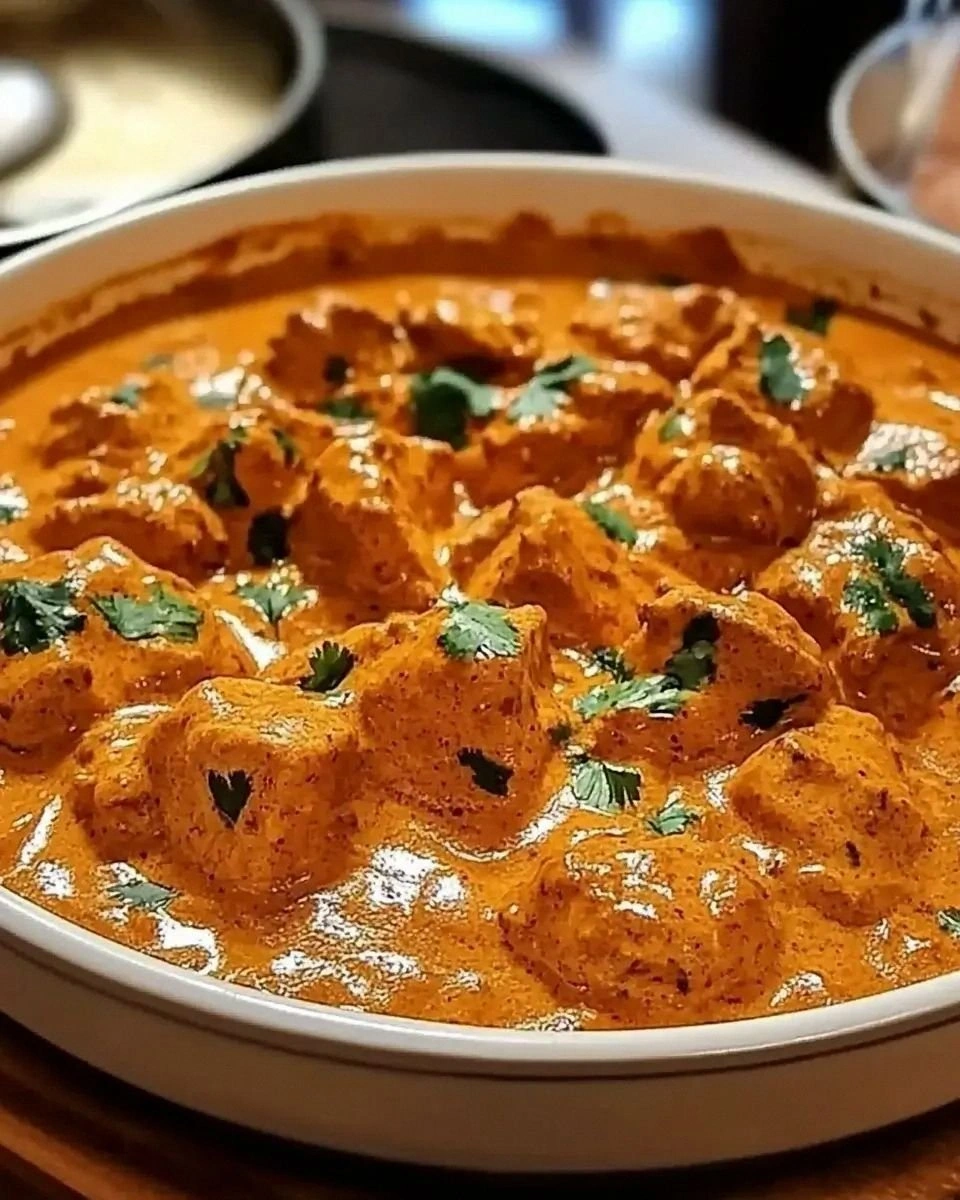
The Method — Step by Step
Start by cutting the 2 pounds boneless chicken into bite‑size chunks and toss them with the plain yogurt, lemon juice, 2 teaspoons ground cumin, 2 teaspoons ground coriander, 1 teaspoon ground turmeric, 1 teaspoon garam masala, 1 teaspoon chili powder, and 1 teaspoon salt. Let the mixture marinate for at least 30 minutes; if you have time, refrigerate it for up to 4 hours to let the flavors penetrate. While the chicken marinates, finely chop the 1 medium onion and mince the 4 cloves of garlic, then grate the 1 tablespoon fresh ginger. This is the moment where patience pays off — the longer the marination, the more tender the chicken will be.
Heat a large skillet or grill pan over high heat and add 2 tablespoons vegetable oil. When the oil shimmers, add the marinated chicken in a single layer, making sure not to crowd the pan. Sear each side for 2‑3 minutes until you see those beautiful charred edges that shatter like thin ice when you bite. Transfer the seared chicken to a plate and set aside; this step locks in juices and creates that smoky flavor most recipes miss.
Kitchen Hack: Pat the chicken pieces dry with paper towels before searing to achieve a perfect crust without steaming.Reduce the heat to medium and add a splash more oil if the pan looks dry. Toss in the chopped onion, cooking until it turns translucent and starts to caramelize, about 5 minutes. Add the garlic and ginger, stirring constantly; you’ll hear a fragrant sizzle that signals the aromatics are waking up. This is where the sauce begins to build its backbone, and the kitchen will start smelling like a street market in Delhi.
Now, pour in the 1 can of tomatoes, breaking them up with the back of a spoon. Stir in the remaining 2 teaspoons ground cumin and 2 teaspoons ground coriander to reinforce the spice profile. Let the mixture simmer for 10 minutes, allowing the tomatoes to break down and the spices to meld. If the sauce looks too thick, add a splash of water; if it’s too thin, let it reduce a bit longer.
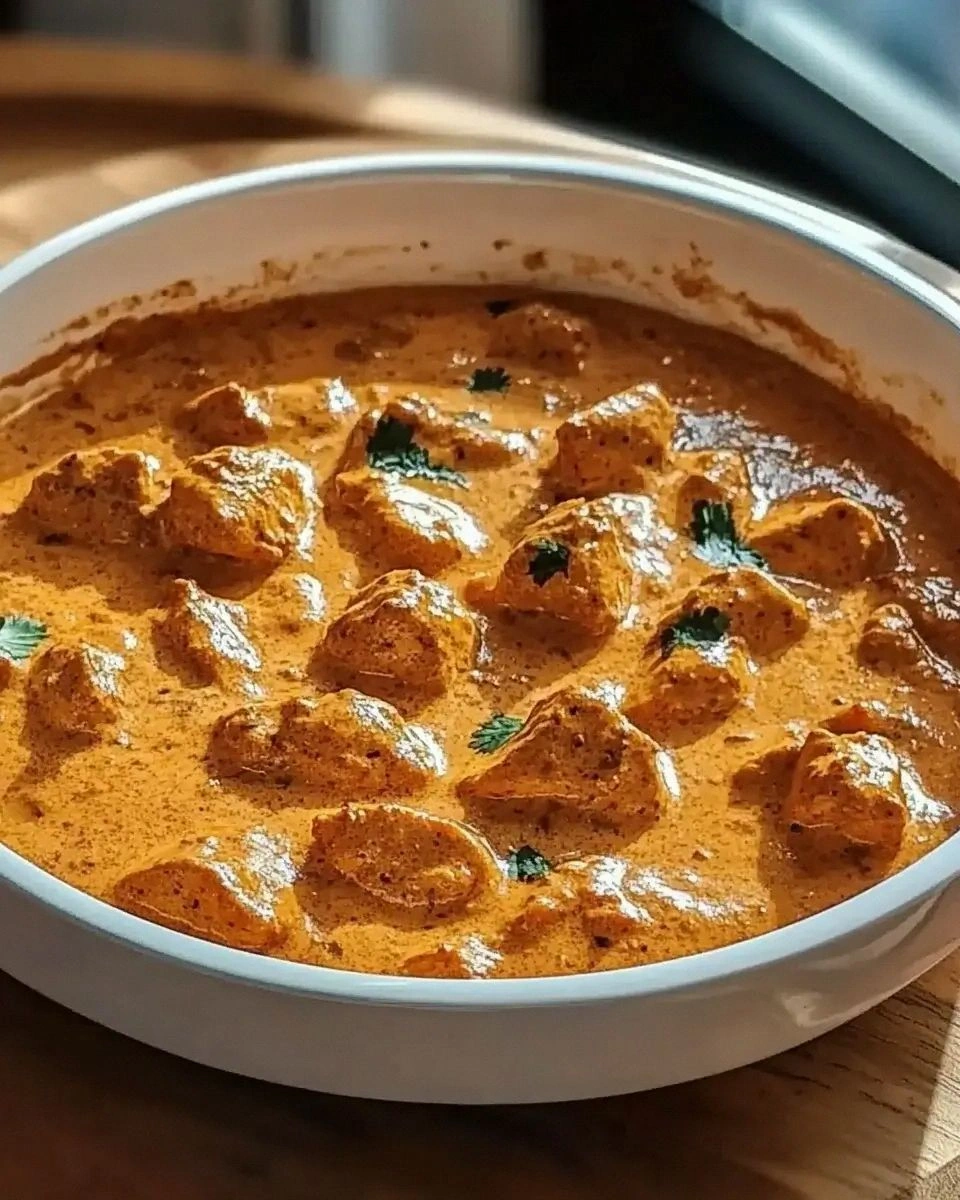
Return the seared chicken to the pan, stirring to coat each piece with the tomato‑spice blend. Reduce the heat to low and pour in the 1 cup heavy cream, swirling it in until the sauce turns a luscious, velvety orange‑red. Simmer gently for another 8‑10 minutes, letting the chicken finish cooking through while the cream thickens the gravy.
Watch Out: Do not let the sauce boil after adding the cream, or it will separate and become grainy.Just before turning off the heat, stir in the 1 tablespoon fresh cilantro, letting its bright green color pop against the rich sauce. Taste and adjust salt if needed; remember, the yogurt and cream already contribute some richness, so a pinch more salt can bring everything into balance. Let the dish rest for 5 minutes; this short pause allows the flavors to settle and the sauce to thicken slightly.
While the sauce rests, warm a pot of basmati rice or prepare naan to serve alongside. The rice should be fluffy, each grain separate, acting as a neutral canvas for the bold sauce. If you’re feeling adventurous, toss the rice with a few toasted cumin seeds for an extra layer of flavor.
Plate the Chicken Tikka Masala by spooning a generous ladle of sauce over the rice or arranging the chicken on a warm platter with a drizzle of the remaining sauce. Garnish with a final sprinkle of cilantro and, if you like, a wedge of lemon on the side for that extra zing. Serve immediately, and watch as your guests dive in, eyes widening at the aroma and taste.
That’s it — you did it. But hold on, I’ve got a few more tricks that’ll take this to another level, from finishing salts to secret cooling tricks that keep the sauce glossy for hours.
Insider Tricks for Flawless Results
The Temperature Rule Nobody Follows
Never sear chicken over a flame that’s too low; a high‑heat sear creates those coveted charred edges while keeping the interior juicy. If you notice the oil smoking too aggressively, reduce the heat just a notch to avoid burning the spices. I once tried searing on medium heat and ended up with pale, rubbery chicken that tasted like a missed opportunity. The secret is to let the pan get hot enough that a drop of water dances before it evaporates.
Why Your Nose Knows Best
Your sense of smell is the ultimate doneness gauge. When the onions turn golden and the garlic releases a sweet aroma, you know the base is ready. Likewise, when the sauce starts to smell earthy and slightly caramelized, it’s time to add the cream. Trusting your nose saves you from over‑cooking and ensures the flavors are perfectly layered.
The 5‑Minute Rest That Changes Everything
After the final simmer, remove the pan from heat and let the dish sit, covered, for five minutes. This short rest allows the spices to settle and the sauce to thicken naturally, giving you a glossy finish. I once served the dish straight off the stove and the sauce was a little thin; a five‑minute pause fixed that instantly. It’s a tiny step that makes a massive difference in texture.
The Cream Integration Trick
When adding heavy cream, do it over low heat and stir constantly. This prevents the cream from curdling and ensures a silky texture. If you accidentally let the sauce boil, whisk in a tablespoon of cold water to bring it back together. The result is a sauce that clings to the chicken like a lover’s embrace.
The Final Salt Finish
A pinch of flaky sea salt added at the end brightens every flavor, making the dish sing. I once finished a batch without this final salt and the sauce felt muted; a tiny dash revived the entire palate. Taste first, then adjust — this is the hallmark of a seasoned cook.
Creative Twists and Variations
This recipe is a playground. Here are some of my favorite ways to switch things up:
Smoky Chipotle Tikka
Swap the regular chili powder for 1 teaspoon of chipotle powder and add a smoked paprika for a deeper, smoky heat. This version pairs beautifully with grilled corn on the side, turning the dish into a Tex‑Mex fusion masterpiece.
Cashew Cream Delight
Replace the heavy cream with an equal amount of blended soaked cashews for a dairy‑free, nutty richness. The cashew base adds a subtle sweetness that balances the spices, making it perfect for those with lactose intolerance.
Green Curry Tikka
Introduce 2 teaspoons of green curry paste and swap cilantro for Thai basil. The result is a bright, herbaceous spin that feels like a cross‑cultural love affair on a plate.
Mushroom & Chicken Fusion
Add 1 cup of sliced button mushrooms after the onions have caramelized. The mushrooms soak up the sauce, providing an earthy umami boost that complements the chicken beautifully.
Vegan Tikka Masala
Replace the chicken with firm tofu cubes and use coconut cream instead of heavy cream. The tofu absorbs the spices, and the coconut adds a tropical richness that makes the dish fully plant‑based.
Storing and Bringing It Back to Life
Fridge Storage
Allow the sauce to cool to room temperature, then transfer it to an airtight container. It will keep for up to 4 days in the refrigerator. Before reheating, add a splash of water or broth and gently warm over low heat, stirring frequently to restore its silky texture.
Freezer Friendly
Portion the chicken and sauce into freezer‑safe bags or containers, leaving a little headspace for expansion. Freeze for up to 3 months. To reheat, thaw overnight in the fridge, then warm gently on the stovetop, again adding a splash of liquid to revive the sauce.
Best Reheating Method
The ideal reheating method is a low simmer on the stove, stirring constantly. This prevents scorching and keeps the sauce glossy. If you’re in a hurry, a microwave works, but stop every 30 seconds to stir, ensuring even heat distribution.