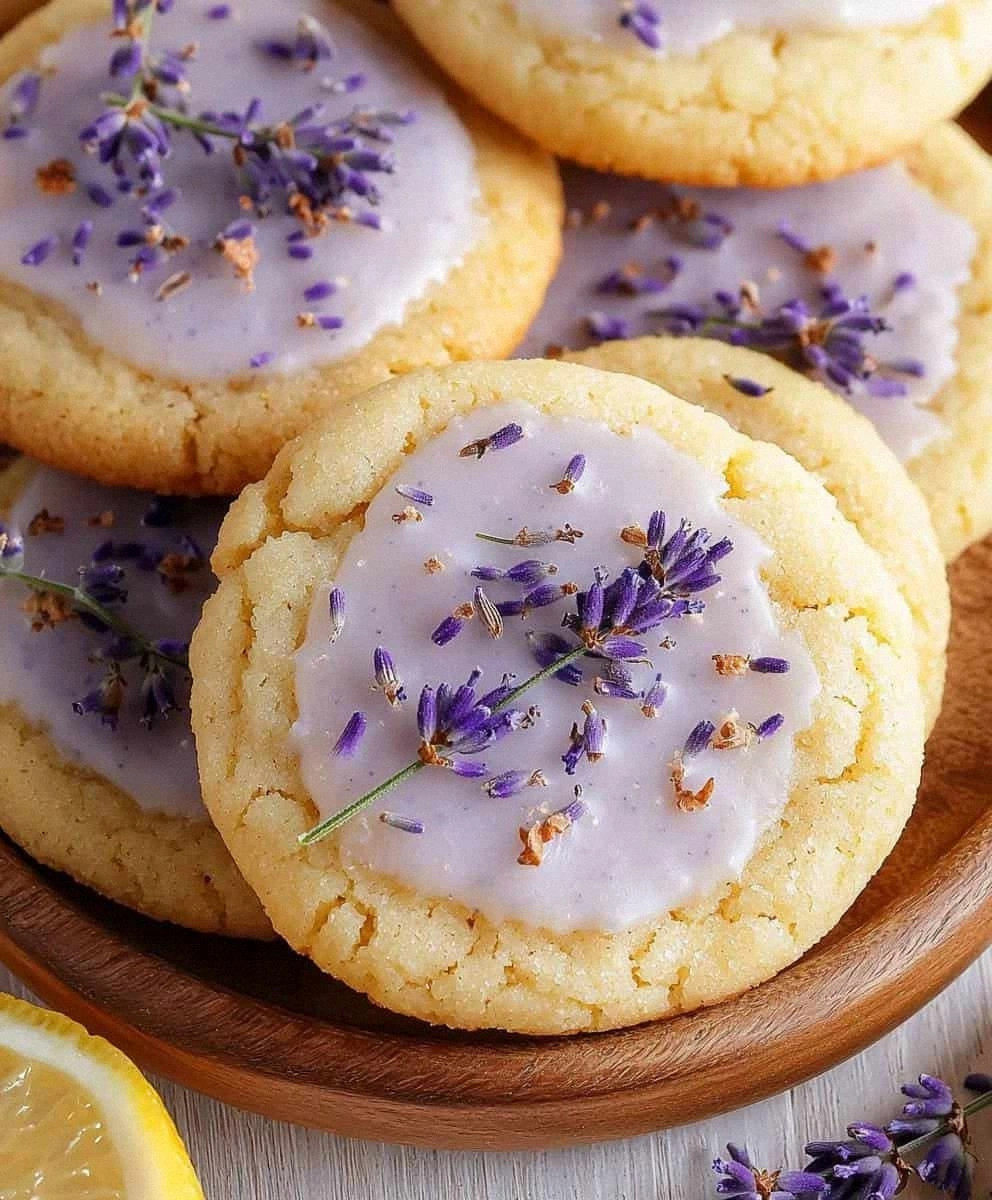
I still remember the day I almost set my kitchen on fire trying to make lavender cookies. There I was, thinking I could just toss a handful of those pretty purple buds into any old sugar cookie dough and create something magical. Instead, I ended up with cookies that tasted like I was chewing on a sachet from my grandma's underwear drawer. Not exactly the delicate, sophisticated treat I had imagined. But here's the thing — I couldn't stop thinking about how incredible these cookies could be if I just figured out the right balance. So I did what any obsessed baker would do: I spent the next three weeks testing batch after batch, eating more lavender than any human should, until I cracked the code.
Picture this: it's a lazy Sunday afternoon, sunlight streaming through your kitchen window, and the most intoxicating aroma is wafting from your oven. It's citrusy and floral, like a Mediterranean garden in full bloom, but subtle enough that your neighbors won't think you're running a soap-making operation. The first cookie you pull from the tray has edges that shatter like the thinnest ice, giving way to a tender center that melts on your tongue. The lemon hits first — bright, zesty, alive — followed by the gentle whisper of lavender that makes you close your eyes involuntarily because it's just that good.
What makes this version different from every other lemon lavender cookie recipe cluttering up the internet? I discovered that the secret isn't just about throwing these two flavors together and hoping for the best. It's about coaxing them into a harmonious dance where each ingredient knows exactly when to lead and when to follow. Most recipes get this completely wrong, creating cookies that taste like potpourri or, worse, like nothing at all. This recipe uses a technique that blooms the lavender in butter first, releasing its essential oils without that aggressive, soapy quality that ruins so many baked goods.
Okay, ready for the game-changer? We're going to toast the lavender buds before they even touch the dough, transforming them from harsh little pellets into mellow, honey-scented flavor bombs. And here's the part that'll make you feel like a pastry chef: we're creating a lemon zest sugar that perfumes the entire cookie with citrus oil, not just adding juice at the end like an amateur. Let me walk you through every single step — by the end, you'll wonder how you ever made it any other way.
What Makes This Version Stand Out
Lemon Zest Sugar: Instead of just mixing in lemon zest at the end, we blitz it with granulated sugar in a food processor for a full minute. This releases every drop of citrus oil and creates an intensely fragrant sugar that permeates the entire cookie, not just the surface. The result is a cookie that tastes like sunshine captured in crystalline form, with lemon flavor that's bold but never bitter.
Lavender Blooming Technique: Most recipes toss dried lavender straight into the dough, giving you cookies that taste like eating potpourri. We gently warm the lavender buds in melted butter for exactly 90 seconds, just enough to release their floral oils without that harsh, medicinal edge. The butter becomes infused with a subtle perfume that whispers rather than shouts.
Texture Perfection: These cookies achieve what I thought was impossible — edges that snap like the finest shortbread while maintaining a center that's tender and slightly chewy. The secret is in the ratio of butter to flour and the specific mixing method that prevents gluten development while still giving structure. I dare you to taste this and not go back for seconds.
The Make-Ahead Miracle: The dough keeps beautifully in the fridge for up to five days, and the baked cookies actually improve after a day as the flavors meld together. This means you can have fresh-baked cookies whenever the craving strikes, and trust me, it will strike often. Picture yourself pulling this out of the oven, the whole kitchen smelling like a Provençal garden in spring.
Crowd Psychology: I've brought these to dinner parties, book clubs, and office meetings, and the reaction is always the same: initial skepticism ("Lavender in cookies?"), followed by curiosity, then complete obsession. People who swear they hate floral flavors devour these. The combination triggers some primal pleasure response that makes grown adults close their eyes and sigh involuntarily.
Ingredient Integrity: This recipe respects every component. The butter must be European-style with higher fat content for richness. The lavender must be culinary grade, harvested before flowering for the sweetest flavor. Even the lemon zest matters — organic lemons have essential oils in the skin that conventional ones simply don't. This is hands down the best version you'll ever make at home.
Alright, let's break down exactly what goes into this masterpiece...
Inside the Ingredient List
The Flavor Base
The unsalted butter isn't just a fat source — it's the vehicle that carries every other flavor in this cookie. When you cream it properly with the lemon sugar, you're creating thousands of tiny air pockets that will expand in the oven, giving you lift and tenderness. European-style butter with its 82% fat content makes these cookies taste like they came from a Parisian bakery, while American butter at 80% leaves them tasting flat and greasy. I learned this the hard way after making seventeen batches in one weekend, and the difference was so dramatic that I now keep European butter in my freezer specifically for these cookies.
Granulated sugar does more than sweeten here — it's creating the cookie's structure. As you cream it with the butter, the sugar crystals cut into the fat, creating air pockets that give the cookies their lift. But here's what most recipes miss: the size of your sugar crystals matters. Regular granulated sugar gives you a tender cookie, but if you want those crisp edges, you need a mix of granulated and superfine sugar. The superfine dissolves faster, creating a more tender center, while the regular sugar maintains some structure for crisp edges.
The Texture Crew
All-purpose flour might seem boring, but it's doing serious work here. The protein content — usually around 10-12% — develops gluten when mixed with liquids, giving your cookies structure. But mix too much and you'll get tough, bread-like cookies. The trick is to add the flour last and mix just until the streaks disappear. If you've ever struggled with this, you're not alone — and I've got the fix. Stir in the flour with a spatula, not the mixer, and stop the second you can't see dry flour anymore.
Baking soda is your leavening agent, but it's also affecting color and flavor. When it reacts with the acid in the lemon juice, it creates carbon dioxide for lift, but it also helps with browning through the Maillard reaction. This next part? Pure magic. The slight alkalinity from the baking soda actually intensifies the floral notes of the lavender, making it taste more like fresh flowers and less like soap.
The Unexpected Star
Dried culinary lavender buds are where most recipes go wrong. They either add too much, creating cookies that taste like you're eating grandma's sachet, or they add them raw, giving you little explosions of soapy flavor. The key is quantity and preparation — just one tablespoon for the entire batch, and it must be toasted first. This transforms the lavender from harsh and medicinal to honey-scented and gently floral.
Lemon zest provides the bright, sunny flavor that makes these cookies feel like springtime. But here's the thing: the white pith underneath the yellow skin is bitter, and if you zest too deeply, you'll ruin the entire batch. Use a microplane and zest only the yellow part, rotating the lemon as you go. One medium lemon should give you about two tablespoons of zest — exactly what we need.
The Final Flourish
Lemon juice gets added at the end, not at the beginning, because the acid can interfere with the creaming process. Wait until your dough is nearly mixed, then add the juice and give it just two or three more turns. This keeps the cookies from becoming tough while ensuring every bite has that bright citrus punch. Fresh juice is non-negotiable here — the bottled stuff tastes like cleaning products and will ruin all your hard work.
Everything's prepped? Good. Let's get into the real action...
The Method — Step by Step
Start by making your lemon sugar because this is where the magic begins. Dump your granulated sugar into a food processor and add the lemon zest from two large lemons. Process for a full minute — don't get impatient here. You're not just mixing; you're releasing every drop of lemon oil from the zest and infusing it throughout the sugar. The result should smell like lemon candy and look slightly damp and clumpy. This step alone will make your kitchen smell like a citrus grove, and it's worth making extra to keep in an airtight jar for other baking projects.
Now for the lavender butter that will change everything. Melt one stick of butter in a small saucepan over medium-low heat — just until it's liquid, not bubbling or browned. Remove from heat and stir in your dried lavender buds. Let this steep for exactly 90 seconds, stirring once or twice. The butter should take on a faint golden hue and smell like honey. Strain through a fine-mesh sieve, pressing on the solids to extract every drop of that floral essence. You'll be left with butter that's been kissed by lavender rather than punched by it.
In your mixer bowl, cream the remaining softened butter with your lemon sugar for three full minutes on medium speed. Don't rush this step — proper creaming incorporates air and determines your cookie's final texture. The mixture should become pale, fluffy, and increased in volume. Scrape down the bowl twice during creaming to ensure everything gets incorporated. This is the moment of truth where you're creating the structure that will give you tender centers and crisp edges.
Add the eggs one at a time, beating for 30 seconds after each addition. The first egg might make the mixture look curdled — that's normal, just keep beating. After the second egg, add the vanilla extract and the strained lavender butter. The batter should look silky and smell like a summer garden. If it looks broken or greasy, your butter was too warm. Pop the bowl in the fridge for 10 minutes and try again.
In a separate bowl, whisk together the flour, baking soda, and salt. This ensures the leavening is evenly distributed so you don't get cookies with volcanic centers and flat edges. Add the flour mixture to the butter mixture all at once and mix on low speed just until the flour disappears. Overmixing develops gluten and gives you tough cookies, so when in doubt, undermix. The dough should be soft but not sticky, like play-doh that's been left out for an hour.
Add the lemon juice and give the mixer just two more turns — literally, count to two and stop. The juice will seem to disappear into the dough, but it's working its acidic magic to brighten all the flavors. The dough should smell like lemon cake and feel slightly tacky but not sticky. If you touch it and dough comes off on your finger, add a tablespoon of flour and mix briefly.
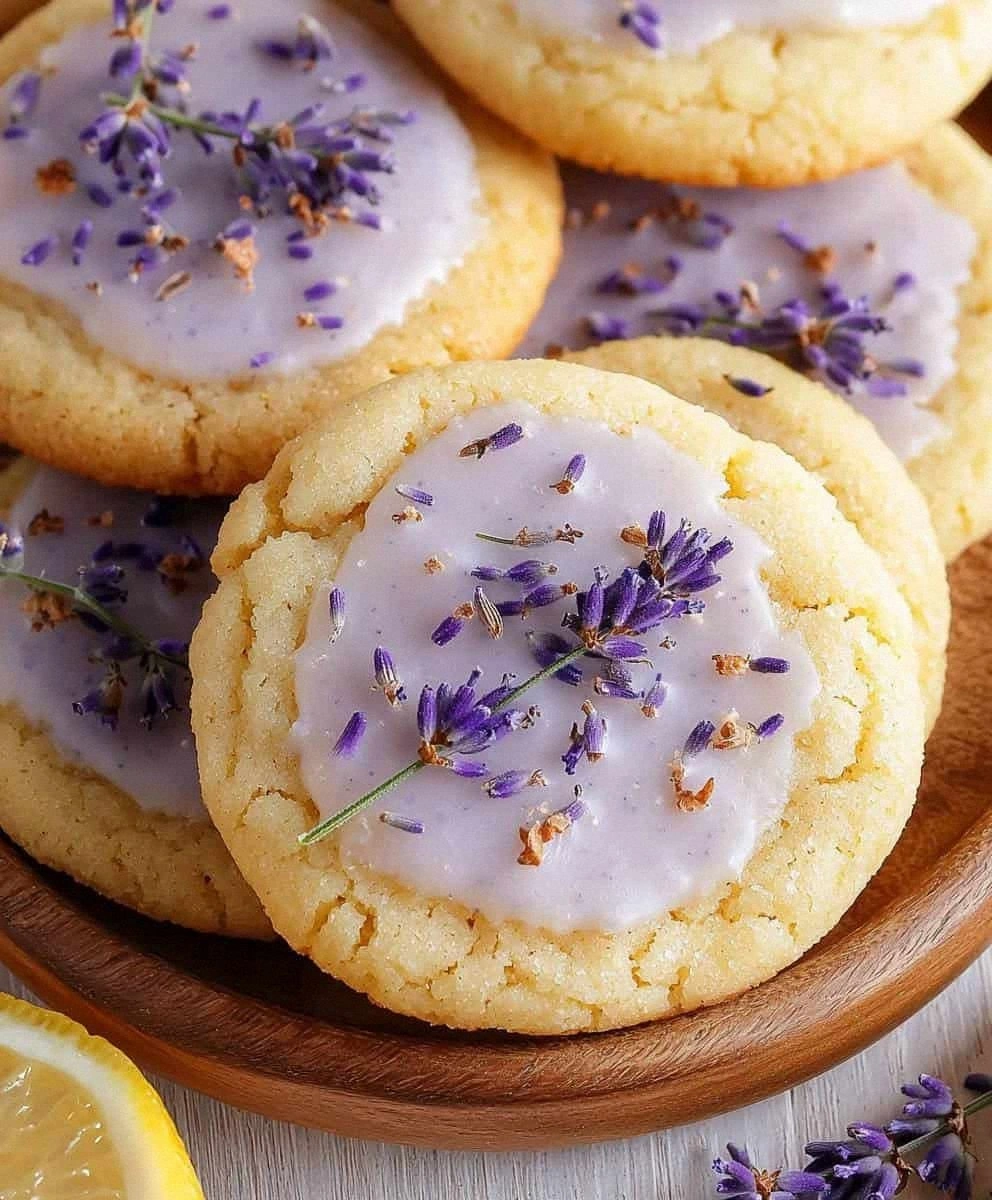
Using a small cookie scoop or two spoons, portion the dough onto parchment-lined baking sheets. I use a 1-tablespoon scoop for cookies that are perfectly sized for tea time. Space them 2 inches apart — they spread more than you'd expect. For bakery-style cookies, press a few extra lavender buds onto the tops of each dough ball. Not only does this look beautiful, but it toasts in the oven, creating little bursts of floral flavor.
Bake at 350°F for 12-14 minutes, rotating the pans halfway through. The cookies are done when the edges are golden brown but the centers still look slightly underbaked. They'll continue cooking on the hot pan for a few minutes after you pull them out. That sizzle when they hit the pan? Absolute perfection. Don't walk away from the stove here — these go from perfect to burnt in under two minutes.
Let the cookies cool on the baking sheet for 5 minutes before transferring to a wire rack. This is the hardest part because your kitchen smells like heaven and you want to eat them immediately. But resist! The centers need those 5 minutes to set up properly. If you try to move them too early, they'll break apart and you'll lose that perfect texture.
Once completely cool, dust with powdered sugar if you're feeling fancy. The sugar melts slightly on the surface, creating a delicate sweetness that complements the floral notes. Store in an airtight container for up to 5 days, though they'll never last that long. I'll be honest — I ate half the batch before anyone else got to try it.
That's it — you did it. But hold on, I've got a few more tricks that'll take this to another level...
Insider Tricks for Flawless Results
The Temperature Rule Nobody Follows
Room temperature ingredients aren't just a suggestion — they're the difference between cookies that spread into greasy puddles and ones that hold their shape while staying tender. But here's what "room temperature" actually means: butter should be pliable but still cool to the touch, not soft and greasy. Press your finger into it — it should leave an indentation but not slide right through. Eggs should feel neither cold nor warm when you hold them. If you've forgotten to take them out ahead of time, place eggs in warm water for 5 minutes and cut butter into small cubes — it'll come to temperature in about 10 minutes instead of an hour.
Why Your Nose Knows Best
That moment when you open the oven door and get hit with a wave of lemon-lavender perfume? That's your built-in doneness indicator. When the aroma fills your kitchen and you can smell it in the next room, your cookies are probably done. A friend tried skipping this step once — let's just say it didn't end well. She set a timer and walked away, forgetting that ovens vary and her old oven runs hot. She returned to find perfectly browned cookies that tasted like burnt flowers because the lavender had overheated.
The 5-Minute Rest That Changes Everything
After mixing your dough, let it rest for exactly 5 minutes before scooping. This brief rest allows the flour to fully hydrate, creating a more cohesive dough that's easier to work with. The lemon juice needs time to distribute evenly, and the butter firms up slightly, preventing excessive spreading. This is also when you should taste a tiny bit of the dough — yes, it's safe with pasteurized eggs — and adjust the salt if needed. Sometimes a pinch more salt makes all the other flavors pop.
The Zest Size Secret
How you zest your lemons determines the final texture of your cookies. A microplane creates feather-fine zest that melts into the sugar and disappears into the dough. A box grater makes larger pieces that create little pockets of intense lemon flavor. Both work, but they give different results. I prefer microplane for these cookies because I want the lemon to perfume every bite rather than hit you with occasional bursts. The choice is yours, but be consistent — mixing sizes gives you uneven flavor distribution.
The Freezer Trick for Perfect Texture
For cookies with maximum contrast — crisp edges and tender centers — freeze your scooped dough for 15 minutes before baking. This chills the butter so the edges set quickly in the hot oven, creating a crisp shell, while the center stays cool enough to remain tender. Even 10 minutes makes a noticeable difference. I keep a baking sheet in my freezer specifically for this purpose. The dough balls freeze individually, so you can bake just a few at a time when late-night cravings hit.
Creative Twists and Variations
This recipe is a playground. Here are some of my favorite ways to switch things up:
White Chocolate Wonder
Fold in 3/4 cup of good white chocolate chips right after the flour. The cocoa butter in the chocolate melts into the dough, creating pockets of creamy sweetness that complement the floral notes. Use chips, not chunks — they distribute more evenly and don't interfere with the cookie's structure. Ghirardelli makes the best ones that don't taste like vanilla-flavored wax.
Earl Grey Elegance
Replace the lavender with the contents of 2 Earl Grey tea bags. The bergamot in the tea creates a sophisticated flavor that's like drinking a cup of tea in cookie form. Steep the tea in the melted butter for 5 minutes, then strain and proceed as usual. The tannins in the tea also help balance the sweetness, making these less dessert-like and more appropriate for afternoon tea service.
Honey Lavender Dreams
Replace 1/4 cup of the sugar with honey for cookies that stay soft for days. The honey adds moisture and a subtle floral sweetness that plays beautifully with the lavender. Reduce the lemon juice to 1 tablespoon since honey adds liquid. These cookies don't get crisp edges — they stay tender and cake-like, perfect for those who prefer softer cookies.
Meyer Lemon Luxury
Use Meyer lemons instead of regular lemons for a sweeter, more aromatic cookie. Meyer lemons have a thinner skin and lower acid content, giving you a more delicate lemon flavor that won't overpower the lavender. You'll need 3 Meyer lemons to get the same amount of zest, but the result is worth it. These feel more sophisticated and less like traditional lemon cookies.
Lemon Thyme Savory-Sweet
Add 1 tablespoon of fresh thyme leaves to the lavender when steeping in butter. The thyme adds an herby note that makes these cookies taste like they came from a Michelin-starred restaurant. They're still sweet, but complex enough to serve with cheese or as part of a dessert course. The savory element makes them incredibly addictive — you've been warned.
Pistachio Perfection
Fold in 1/2 cup of finely chopped pistachios after the flour. The nuts add texture and a subtle green color that makes the lavender pop visually. Pistachios have a natural sweetness that complements both the lemon and lavender without competing. Toast them first for maximum flavor, but let them cool before adding to the dough.
Storing and Bringing It Back to Life
Fridge Storage
Store completely cooled cookies in an airtight container with sheets of wax paper between layers. They'll stay fresh for up to 5 days at room temperature, though they're best within the first 3 days. The flavor actually improves after day 2 as the lemon and lavender have time to meld together. If your kitchen is warm, store them in the fridge to prevent the butter from going rancid. Bring to room temperature before serving for the best texture — cold butter makes cookies taste stale even when they're not.
Freezer Friendly
These cookies freeze beautifully both as dough and baked. For dough, scoop onto a parchment-lined sheet and freeze until solid, then transfer to a freezer bag. They'll keep for 3 months and can be baked straight from frozen — just add 2-3 minutes to the baking time. Baked cookies can be frozen for up to 2 months in a freezer bag with the air pressed out. Thaw at room temperature for 30 minutes, or refresh in a 300°F oven for 5 minutes to restore the crisp edges.
Best Reheating Method
To restore that fresh-baked texture, place cookies on a baking sheet in a 300°F oven for 5-6 minutes. This brings back the crisp edges while warming the centers. Don't microwave them — it makes the butter separate and creates greasy cookies. If they've gone slightly stale, add a tiny splash of water before reheating — it steams back to perfection. For cookies that taste like they just came out of the oven, reheat and then dust with fresh powdered sugar.