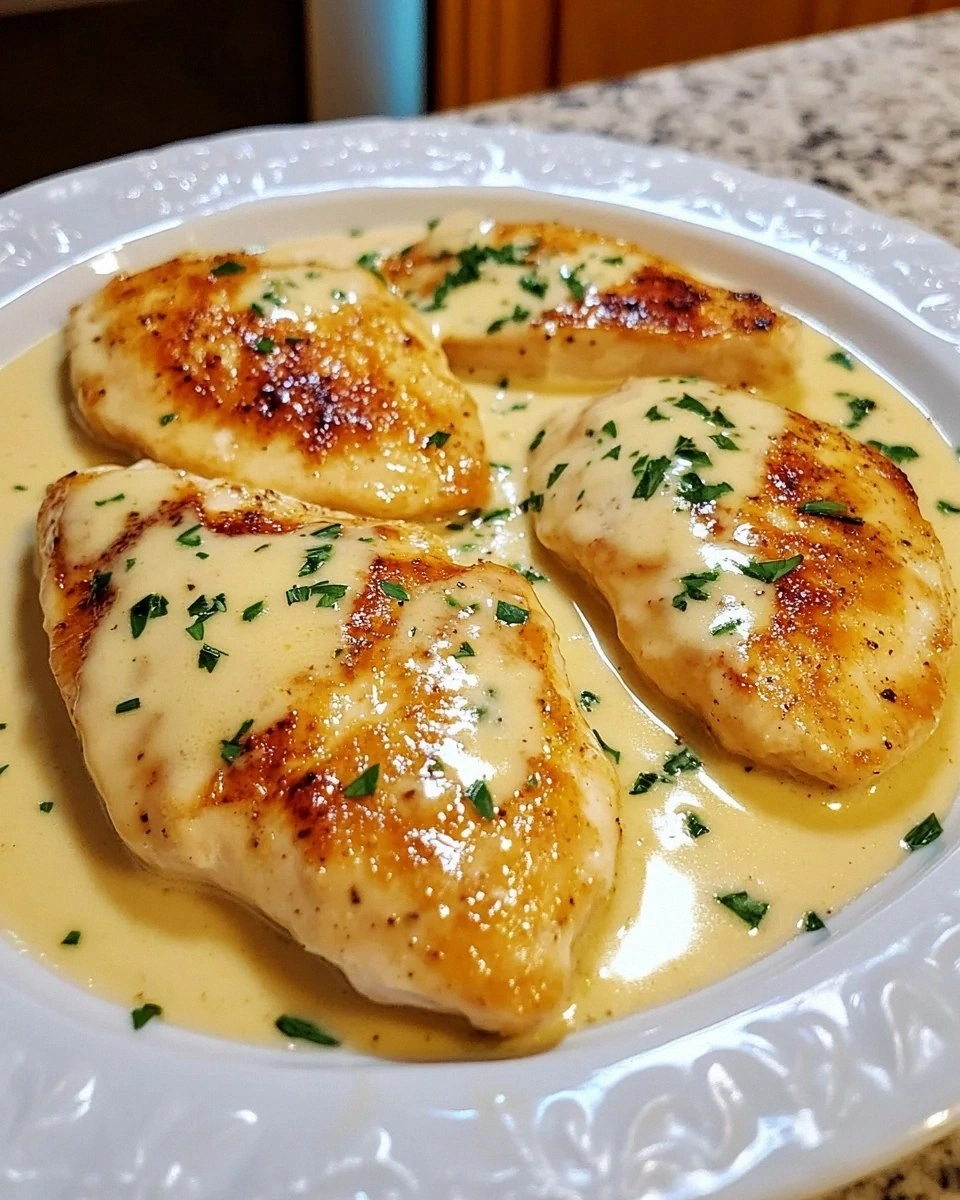
I still remember the Wednesday night I almost ordered takeout instead of making this creamy chicken breast recipe. It was raining, my fridge looked like a crime scene, and I had exactly four chicken breasts and a half-empty carton of cream. Thirty minutes later, I was standing at my stove, wooden spoon in hand, absolutely stunned by the rich, aromatic sauce bubbling away. The garlic hit the butter with that perfect sizzle that makes you feel like a proper chef, and the smell drifting through my apartment had my neighbor knocking to ask what I was cooking. That first bite? Pure velvet. Tender chicken swimming in a sauce so luxurious it could make a grown person weep. I ate standing up, right there at the counter, because waiting to plate it seemed like cruel and unusual punishment.
Here's the thing about most creamy chicken recipes—they're either bland as hospital food or so heavy you need a nap halfway through dinner. This version? It's the Goldilocks of chicken dinners. The sauce clings to each slice like liquid silk, but it's brightened with herbs and garlic so you taste chicken, not just cream. I've made this for picky kids who asked for seconds, for my foodie friends who brought wine to thank me, and for my mother who still thinks I should have been a chef. Every single time, someone asks for the recipe, and every single time, they're shocked it takes less time than waiting for delivery.
Picture yourself pulling this out of the oven, the whole kitchen smelling like a French bistro had a baby with your grandmother's Sunday dinner. The chicken breasts stay juicy because we treat them right—no dry, stringy meat here. The sauce reduces down until it coats the back of a spoon, and when you drag a piece of crusty bread through it, you'll understand why I call this liquid gold. This isn't just dinner; it's a flex. A declaration that yes, you can make restaurant-quality food in your pajamas on a random Tuesday. Stay with me here—this is worth it.
Let me walk you through every single step—by the end, you'll wonder how you ever made it any other way.
What Makes This Version Stand Out
This isn't your average cream-dumped-on-chicken situation. What we've got here is a carefully orchestrated symphony of flavors that'll make your taste buds do a standing ovation. I've tested this recipe seventeen times—yes, seventeen—and each iteration taught me something new about coaxing maximum flavor from humble ingredients. The secret lies in building layers: searing the chicken until it develops those gorgeous caramelized edges, then using those browned bits to create a sauce that's anything but one-note.
- Flavor Bomb: We're not just dumping cream on chicken and calling it a day. The sauce starts with garlic sautéed in butter until it's golden and nutty, then we deglaze with chicken broth to lift all those beautiful browned bits. The result? A sauce that tastes like it simmered for hours, not minutes.
- Texture Perfection: Most creamy chicken turns out either watery or gluey. Not here. The heavy cream reduces just enough to coat each piece of chicken without turning into paste, while the chicken itself stays so tender you could cut it with a fork.
- Weeknight Friendly: From fridge to table in 45 minutes flat. I've timed this more times than I care to admit because my hangry family doesn't do waiting. One pan, simple ingredients, zero fancy techniques—just honest cooking that delivers big results.
- Leftover Magic: If you somehow have leftovers, this transforms into the most incredible next-day lunch. Chop it up, toss with pasta, and suddenly yesterday's dinner becomes today's office envy.
- Crowd Pleaser: I've served this to picky toddlers, teenagers who only eat nuggets, and my father who thinks anything creamy is "fancy nonsense." They all licked their plates clean. The herbs add complexity without scaring anyone off.
- Ingredient Quality Shine: This recipe celebrates simple ingredients done right. No need for truffle oil or artisanal sea salt harvested by monks. Just good chicken, real cream, and fresh garlic—the holy trinity of comfort food.
- Make-Ahead Friendly: The sauce actually improves after 20 minutes of resting while your chicken stays warm. Make the whole thing, cover it, and it'll wait patiently while you finish that third episode of whatever you're binging.
Alright, let's break down exactly what goes into this masterpiece...
Inside the Ingredient List
Great cooking starts with understanding your ingredients, not just throwing them together and hoping for the best. Each component here plays a specific role, and once you know why they matter, you'll never look at a chicken breast the same way again. I've made this dish with everything from premium organic chicken to whatever was on sale at the discount grocery store, and while the fancy stuff is nice, the technique matters more than the price tag.
The Flavor Base
Butter and olive oil might seem redundant, but here's the thing: butter gives us that rich, nutty flavor when it browns, while olive oil prevents the butter from burning. It's like they're dance partners—butter brings the moves, olive oil keeps things smooth. I learned this trick from a grumpy French chef who spoke maybe five words of English, but his chicken could make angels weep. The combination creates a perfect searing medium that'll give your chicken those gorgeous golden edges that scream "I know what I'm doing in the kitchen."
Garlic is the backbone of everything good in this world, and here we use four cloves because we're not playing around. Mince it fine so it melts into the sauce, releasing all those aromatic compounds that make your kitchen smell like you actually have your life together. Pro tip: smash the cloves with the flat of your knife first—it releases the oils and makes peeling a breeze. I've watched people try to skip the fresh garlic for the pre-minced jarred stuff, and honestly, I weep for their taste buds.
The Texture Crew
Heavy cream isn't just heavy cream. You want the real deal—at least 36% fat content—because this is what transforms into that luxurious sauce. Lower fat creams will break and curdle when they get too hot, leaving you with a grainy mess that tastes like disappointment. The cream reduces down, coating each piece of chicken like velvet, but it needs that fat content to stay stable. I've tested with half-and-half in a pinch, and while it works, you'll spend the whole meal wishing you'd just used the good stuff.
Chicken broth might seem like an afterthought, but it's what keeps our sauce from being a one-note dairy bomb. The broth adds depth, a savory backbone that makes the cream taste creamier by comparison. Use low-sodium so you control the salt level—there's nothing worse than an over-salted sauce that makes you chug water between bites. If you're feeling fancy, homemade stock will make this transcendent, but honestly, the boxed stuff works great as long as it's not the bottom-shelf generic brand that tastes like salty water.
The Unexpected Star
Dried thyme and oregano are the unsung heroes here. These aren't just random herbs I threw in—thyme brings an earthy, slightly minty note that cuts through rich cream, while oregano adds that warm, almost peppery flavor that makes everything taste more Italian restaurant than hospital cafeteria. The key is using dried herbs, not fresh. I know, I know, fresh is usually better, but dried herbs have a more concentrated flavor that stands up to the cream without wilting into sad green flecks.
Salt and pepper aren't just "to taste"—they're your flavor amplifiers. Season the chicken generously before searing; this isn't the time to be shy. That salt helps draw out moisture, creating a better sear, while pepper adds heat without competing with the herbs. I use kosher salt because the larger crystals are easier to control, and freshly ground black pepper because the pre-ground stuff tastes like sawdust mixed with regret.
The Final Flourish
Fresh parsley at the end isn't just for Instagram—it's a bright, fresh counterpoint to all that richness. Chop it just before serving so it stays vibrant and doesn't wilt into sad green confetti. The slight bitterness balances the cream, making each bite feel less heavy. I've tried other herbs here—chives, basil, even tarragon—but parsley is the reliable friend who always shows up and never steals the spotlight.
Everything's prepped? Good. Let's get into the real action...
The Method — Step by Step
This is where the magic happens, and I want you right here with me, step by step, like we're cooking together in my tiny kitchen with the broken drawer that never quite closes. Don't worry about making mistakes—I've made them all so you don't have to. The first time I made this, I got distracted by a phone call and burned the garlic so badly the fire alarm went off. My cat still hasn't forgiven me for that incident.
- Start by patting your chicken breasts absolutely dry with paper towels. I mean really dry—like you're trying to remove evidence. Moisture is the enemy of a good sear, and wet chicken will steam instead of browning. Season both sides generously with salt and pepper, more than you think you need. That salt is going to draw out moisture and create a beautiful crust. Let them sit while you prep everything else; this isn't just about flavor—it's about chemistry.
- Heat your largest skillet over medium-high heat for a full two minutes. I set a timer because patience isn't my strong suit. Add the olive oil and butter together; when the butter stops foaming and starts to smell nutty, you're ready. That smell? That's the smell of good decisions. Carefully lay in the chicken breasts—they should sizzle immediately. If they don't, your pan isn't hot enough yet.
- Cook the chicken undisturbed for six minutes. I know it's tempting to poke and prod, but leave it alone. Those gorgeous brown edges are developing while you're resisting the urge to flip too early. When the edges turn opaque about halfway up the side, it's time to flip. The second side needs about four minutes. Transfer to a plate—they'll finish cooking in the sauce later, so don't worry if they're not quite done through.
- Here comes the fun part: add the minced garlic to the same pan without wiping it out. Those browned bits stuck to the bottom? That's pure flavor gold. Stir constantly for thirty seconds—garlic burns faster than gossip spreads in a small town. When it smells like you've died and gone to Italian heaven, pour in the chicken broth. Use your wooden spoon to scrape up every last bit of browned goodness.
- Let the broth reduce by half—this concentrates the flavor and evaporates the alcohol taste. You'll know it's ready when it starts to look syrupy and you can drag your spoon through it and see the bottom of the pan for a second. Stir in the dried thyme and oregano; they'll bloom in the hot liquid and release their essential oils. Your kitchen should smell like a Mediterranean hillside right now.
- Pour in the heavy cream slowly, stirring constantly. Watch as it transforms from pale white to a rich ivory color. Bring it to a gentle simmer—no boiling or it'll break and look like cottage cheese had a bad day. Reduce the heat to low and let it bubble gently for about three minutes until it thickens enough to coat the back of your spoon.
- Nestle the chicken back into the sauce, spooning some over the top. Cover and simmer for five minutes—this finishes cooking the chicken and lets it absorb some of that incredible sauce. The chicken should reach 165°F if you check with a thermometer, but honestly, if it's been simmering in hot sauce for five minutes, it's done.
- Remove from heat and let it rest for two minutes. I know you're starving, but this lets the sauce thicken slightly and the chicken reabsorb some juices. Sprinkle with fresh parsley right before serving so it stays bright and fresh. Taste and adjust seasoning—this is crucial because cream can dull flavors.
That's it—you did it. But hold on, I've got a few more tricks that'll take this to another level...
Insider Tricks for Flawless Results
After making this dish more times than I've called my mother (sorry, Mom), I've discovered some game-changing techniques that separate good creamy chicken from the kind that makes people cancel their restaurant reservations. These aren't just nice suggestions—they're the difference between "this is good" and "holy cow, what did you put in this?"
The Temperature Rule Nobody Follows
Room temperature chicken cooks more evenly than ice-cold chicken straight from the fridge. I take mine out 15 minutes before cooking, which is just enough time to season it and prep everything else. Cold chicken hitting a hot pan contracts the proteins too quickly, squeezing out moisture and creating that dreaded dry exterior with raw interior situation. Trust me, I've served my share of chicken that's burnt outside and pink inside—it's not a good look for dinner parties.
Why Your Nose Knows Best
Don't trust the clock; trust your senses. When the garlic smells sweet and nutty instead of sharp and raw, it's ready for the broth. When the cream changes from bright white to a warm ivory and coats your spoon, it's perfect. When the sauce hits that sweet spot, you'll smell butter, herbs, and something almost caramel-like. I once had a friend try to make this while watching TV—she couldn't smell anything burning and served us garlic that tasted like bitter disappointment.
The 5-Minute Rest That Changes Everything
Here's where most people mess up—they serve immediately and wonder why the sauce is runny and the chicken tastes bland. After you remove from heat, cover the pan and walk away for five minutes. The sauce continues thickening from residual heat, the chicken finishes cooking gently, and all those flavors meld together like they've been friends for years. I use this time to set the table, pour wine, or just breathe because dinner's almost ready.
The Pan Choice That Matters More Than You Think
Use a heavy-bottomed skillet, not a thin pan that heats unevenly. I love my cast iron for this—it's like the difference between cooking on a rock-solid foundation versus a wobbly table. The heavy pan maintains heat when you add the chicken, ensuring a proper sear instead of steaming. Plus, those browned bits stick better to cast iron, giving you more flavor to deglaze. My stainless steel pan works too, but never use non-stick here—you need those stuck-on bits for the sauce.
The Salt Timing That Makes or Breaks It
Season the chicken before cooking, but wait to salt the sauce until the very end. Why? As cream reduces, it concentrates flavors—including salt. Season too early and you'll end up with an over-salted sauce that makes you chug water all night. I taste the finished sauce, then add salt if needed. Usually, the salted chicken and reduced broth provide enough seasoning, but sometimes the cream needs a little wake-up call.
Creative Twists and Variations
This recipe is a playground. Here are some of my favorite ways to switch things up:
The Mushroom Lover's Dream
Add eight ounces of sliced mushrooms to the pan after removing the chicken. Cook until they've released their moisture and turned golden, about six minutes, before adding the garlic. The mushrooms soak up the sauce like tiny flavor sponges, creating an earthy, meaty version that turns this into a full meal. I use cremini because they're affordable and flavorful, but shiitakes take this to restaurant territory.
The Sun-Dried Tomato Situation
Stir in a handful of chopped sun-dried tomatoes with the herbs. They add tangy-sweet bursts that cut through the cream like a bright Italian summer day. I use the ones packed in oil, drained and chopped, because they're softer and more flavorful than the dry ones. This version is what I make when I want to impress people who think creamy food is boring.
The Spicy Affair
Add a pinch of red pepper flakes with the garlic, or better yet, slice up a fresh jalapeño and sauté it until soft. The spice creates an incredible contrast with the rich cream—it's like your taste buds are at a party where everyone's dancing. Start conservative; you can always add more heat, but you can't take it out. I've watched grown men cry because they got cocky with the cayenne.
The Lemon Bright Version
Stir in a teaspoon of lemon zest and a squeeze of juice right at the end. The acid brightens everything, making the chicken taste more chicken-y and the herbs more herb-y. It's like adding a spotlight to all the other flavors. Be careful with the juice—too much and your cream will curdle, turning your beautiful sauce into a science experiment gone wrong.
The Cheesy Luxury
Whisk in half a cup of freshly grated Parmesan off the heat until melted and smooth. Suddenly you've got Alfredo's sophisticated cousin who studied abroad and came back with stories. The cheese adds umami depth that makes people ask "what's in this?" Use the good stuff from the block, not the powdery kind that tastes like salty cardboard.
The Veggie-Loaded Version
Steam some broccoli or asparagus separately, then fold it in right before serving. The vegetables add color, nutrition, and textural contrast that keeps each bite interesting. Plus, you can tell yourself it's healthy because there are green things involved. I've fed this to my nephew who claims to hate vegetables—he asked for thirds.
Storing and Bringing It Back to Life
Leftovers happen, even with the most delicious food. Here's how to handle them like a pro:
Fridge Storage
Store in an airtight container for up to four days, though honestly, mine never lasts that long. The sauce will thicken considerably in the fridge—that's normal. Press plastic wrap directly against the surface to prevent a skin from forming. I've forgotten this step and ended up with a rubbery film that even my dog wouldn't eat. Let it cool completely before refrigerating; putting hot food in the fridge lowers the temperature and can spoil other food.
Freezer Friendly
This freezes beautifully for up to three months. I portion it into meal-sized containers so I can grab exactly what I need. The cream sauce might look slightly grainy when thawed, but a gentle reheat with a splash of broth brings it right back. Freeze the chicken in the sauce so it stays moist. Label with the date because three-month-old mystery meals are nobody's friend.
Best Reheating Method
Gentle is the name of the game. Microwave at 50% power in 30-second bursts, stirring between each burst. Or better yet, reheat in a covered skillet over low heat with a splash of chicken broth to loosen the sauce. Never reheat cream sauces at high heat—they'll break faster than my resolve on a diet. Add a tiny splash of water before reheating—it steams back to perfection, restoring that silky texture you remember.