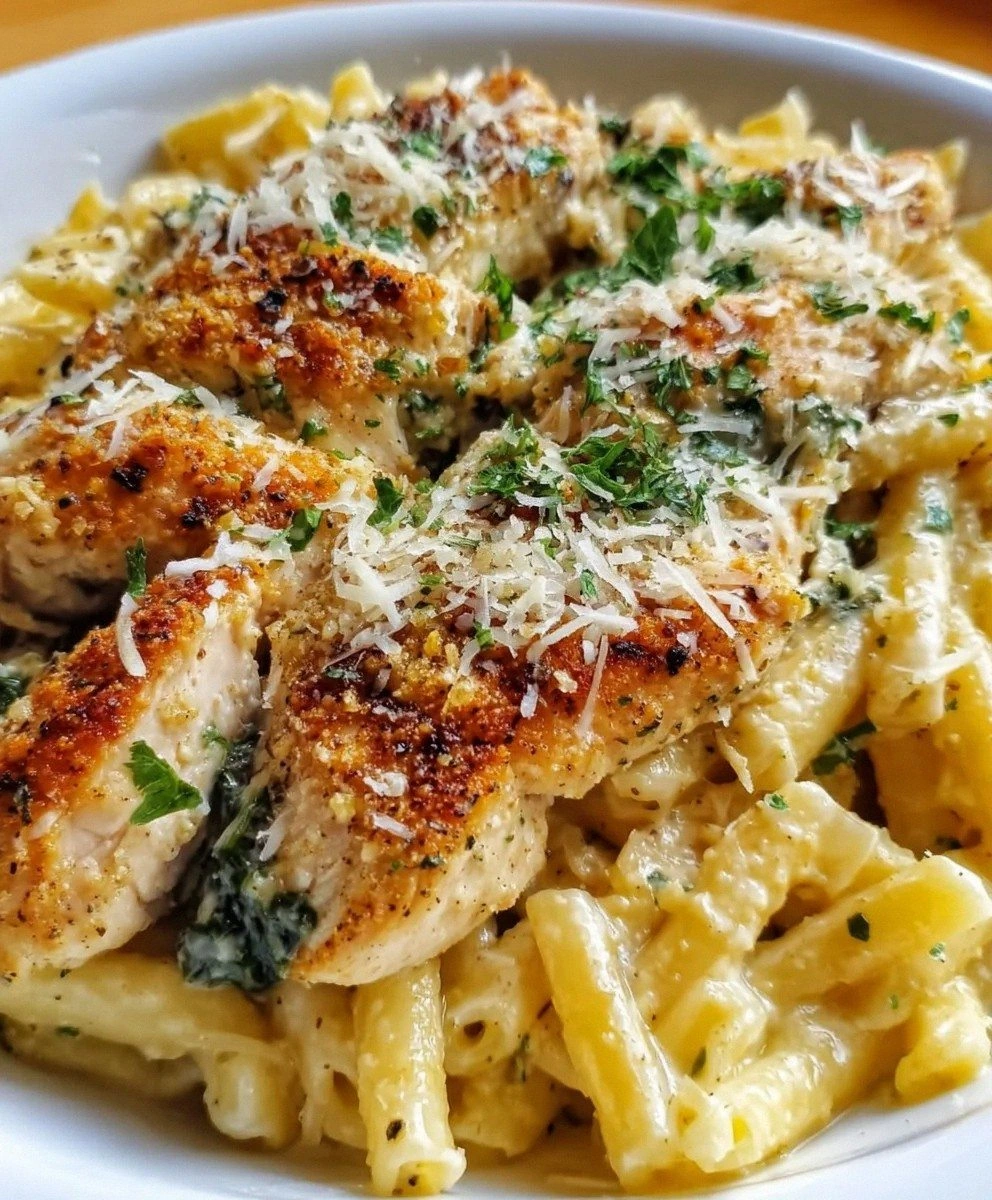
Picture this: you’re standing in a cramped apartment kitchen, the clock ticking, and a sudden craving for something that feels like a hug and a high‑five all at once. I was in that exact spot last week, after a marathon of Zoom meetings, when my roommate dared me to “make something that can survive a hurricane and still taste amazing.” I laughed, I rolled my eyes, and I grabbed the nearest smoked sausage, a handful of pasta, and a jar of Cajun seasoning that had been gathering dust on the shelf. The result? One Pot Creamy Cajun Sausage Pasta – a dish that turned my modest kitchen into a New Orleans jazz club, complete with the smoky saxophone notes of Andouille and the buttery smoothness of heavy cream.
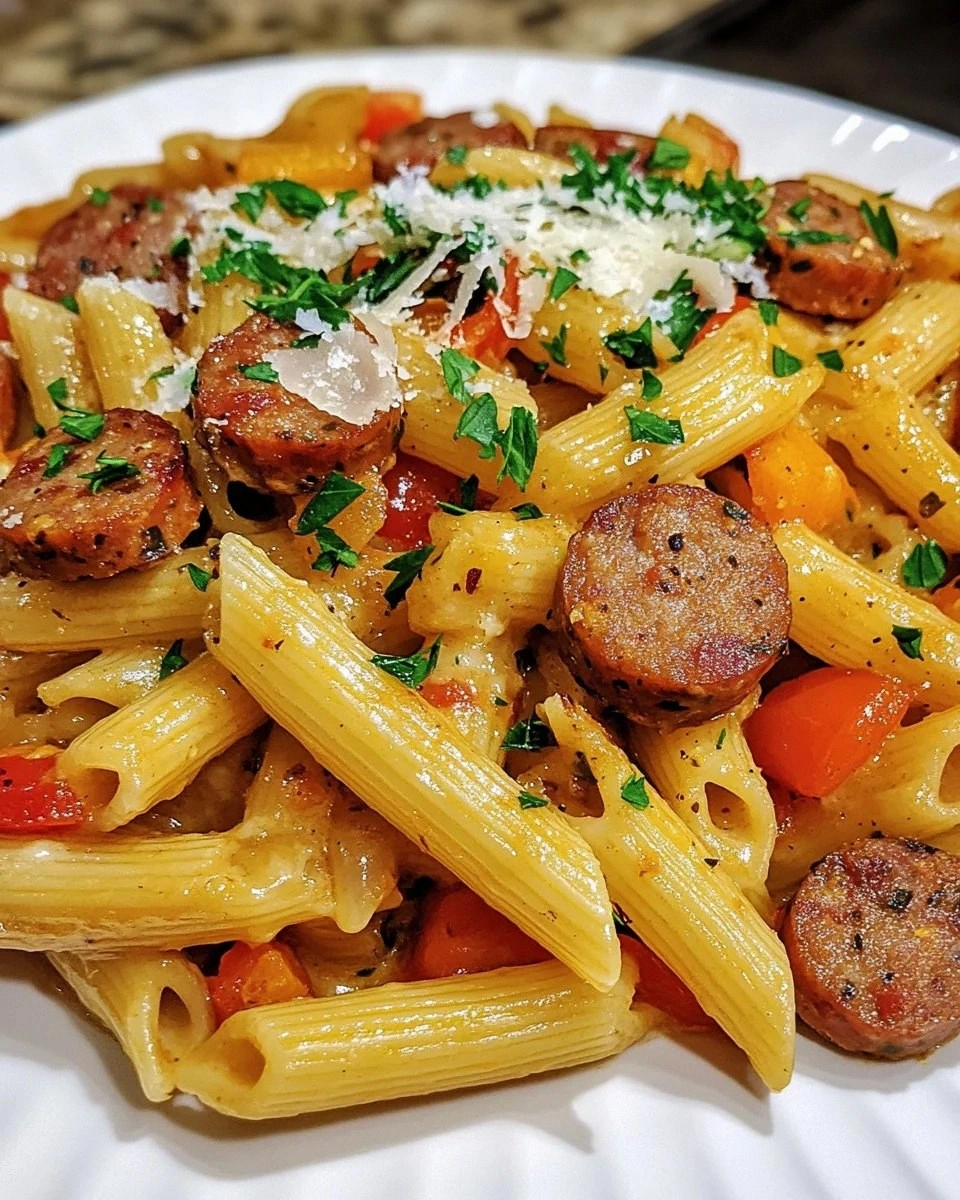
The moment the sausage hit the hot pan, the air filled with a sizzle that sounded like applause. The aroma of caramelizing meat, mingling with the sweet perfume of bell peppers and the earthy whisper of onions, made my stomach do a little dance. You could almost hear the pasta bubbling in the broth, each swirl a promise of that perfect al‑dente bite. The sauce, once the cream and cheese joined the party, coated the noodles like velvet draped over a marble statue – rich, glossy, and impossibly silky.
Why does this version stand out from the sea of one‑pot pasta recipes you’ve seen on Pinterest? Because most of them treat the sauce as an afterthought, a thin slurry that barely clings to the pasta. I, on the other hand, let the sauce develop layers: first the smoky depth from the sausage, then the bright heat of Cajun seasoning, and finally the luxurious cream‑cheese finish that turns the whole pot into a decadent, spoon‑ready masterpiece. And the best part? You only ever need one pot, which means less cleanup and more time to brag about your culinary wizardry.
Now, I won’t spoil the surprise entirely, but there’s a little trick involving the timing of the cream that most cooks overlook – it’s the difference between a sauce that separates like a bad breakup and one that stays together like a lifelong partnership. I’ll spill the beans (and the cream) in just a moment. I dare you to taste this and not go back for seconds; I’ll be honest — I ate half the batch before anyone else got to try it.
Let me walk you through every single step — by the end, you’ll wonder how you ever made it any other way.
What Makes This Version Stand Out
- Flavor Explosion: The combination of smoked sausage and Cajun seasoning creates a smoky, spicy base that’s impossible to ignore, turning each bite into a mini celebration.
- Velvet Texture: The heavy cream and Parmesan meld into a sauce that clings to every groove of the pasta, giving you that luxurious mouthfeel you crave.
- One‑Pot Simplicity: No juggling of multiple pans; everything cooks together, which means less mess and more time for you to enjoy the meal.
- Ingredient Flexibility: Swap Andouille for kielbasa, penne for rigatoni, or even use a dairy‑free cream – the recipe adapts without losing its soul.
- Crowd‑Pleaser Factor: This dish has the perfect balance of heat and comfort, making it a hit at family dinners, game nights, or solo indulgence.
- Make‑Ahead Magic: Because it’s a one‑pot wonder, you can prep it in advance, store, and reheat without sacrificing texture.
- Time Efficiency: From prep to plate in under 45 minutes, it’s ideal for busy weekdays yet impressive enough for weekend guests.
- Nutrition Balance: With protein‑packed sausage, nutrient‑dense spinach, and a modest amount of cream, it satisfies both cravings and nutritional goals.
Inside the Ingredient List
The Flavor Base
Smoked sausage (Andouille or kielbasa) is the heart‑beat of this dish. Its natural smokiness provides a depth that ordinary pork sausage simply can’t match, and the fat content helps carry the Cajun spices throughout the sauce. If you skip it, you’ll lose that signature “fire‑kissed” flavor, ending up with a bland pasta that feels like a missed opportunity. For the best results, choose a sausage that’s visibly speckled with paprika and has a firm, meaty texture.
Olive oil is the silent hero that prevents sticking while adding a subtle richness. A drizzle of extra‑virgin olive oil at the start ensures the sausage browns without burning, creating those coveted caramelized edges that shatter like thin ice under a spoon. If you’re watching calories, you can halve the amount, but expect a slightly less glossy sauce.
Bell peppers bring a sweet crunch and a burst of color that makes the dish look as good as it tastes. Red, yellow, and orange peppers each contribute a different shade, turning the pot into a miniature rainbow. Should you be out of fresh peppers, frozen mixed peppers work fine, though they’ll release more moisture and may thin the sauce a bit.
The Texture Crew
Pasta, preferably penne or rigatoni, is chosen for its ridges that trap the creamy sauce. The shape matters: smooth spaghetti would slide off, leaving you with a soupy mess, whereas grooved pasta ensures each bite is drenched. Cook the pasta directly in the broth; this not only saves a pot but also allows the starches to thicken the sauce naturally.
Heavy cream is the secret weapon that transforms a simple broth into a luxurious coating. Its high fat content emulsifies with the cheese, preventing curdling and delivering that velvety mouthfeel. If you’re looking for a lighter version, swap half‑and‑half or a plant‑based cream, but remember the sauce will be less thick and glossy.
Parmesan cheese adds salty umami and helps the sauce bind. Freshly grated works best; pre‑grated often contains anti‑caking agents that can affect texture. If you’re adventurous, try Pecorino Romano for a sharper bite.
The Unexpected Star
Spinach may seem like an afterthought, but it injects a burst of green goodness and a subtle earthy note that balances the heat. Toss it in at the end; the residual heat wilts it just enough to keep its vibrant color without turning it mushy. If you’re not a fan of spinach, kale or Swiss chard can substitute, though they’ll need a longer cook time.
Garlic powder and optional cayenne pepper give the dish its signature kick. Garlic powder distributes evenly without the risk of burning raw cloves, while a pinch of cayenne can be dialed up for those who like to feel the fire. Adjust the cayenne to your spice tolerance – remember, you can always add more, but you can’t take it out.
The Final Flourish
Salt and pepper are the universal finishers that bring everything into harmony. Taste as you go; the sausage and broth already contain salt, so add sparingly and adjust at the end. Freshly chopped parsley adds a bright, herbaceous pop that lifts the dish from hearty to heavenly just before serving.
Everything's prepped? Good. Let's get into the real action…
The Method — Step by Step
First things first: gather all your ingredients and give them a quick prep. Slice the smoked sausage into ¼‑inch rounds, dice the onion, and slice the bell peppers into thin strips. Measure out the Cajun seasoning, garlic powder, and cayenne so you won’t have to scramble for them mid‑cook. This is the moment where you set the stage – a well‑organized kitchen is half the battle won, and trust me, you’ll thank yourself when the sauce starts bubbling.
Heat a generous drizzle of olive oil in a large, deep‑bottomed pot over medium‑high heat. Once the oil shimmers, add the sausage slices in a single layer. Let them sizzle without moving them for about 2‑3 minutes, allowing the edges to turn a deep caramel brown. Flip them over and brown the other side – this is the moment of truth where those smoky aromas begin to fill the room.
Kitchen Hack: If your sausage releases a lot of fat, drain a tablespoon before moving on; this prevents the sauce from becoming overly greasy.Now toss in the diced onion and sliced bell peppers. Stir them around, letting the onions become translucent and the peppers soften while retaining a slight crunch. You’ll hear a gentle hiss as the moisture evaporates – that’s the sound of flavor concentrating. Keep the heat at medium so the veggies don’t burn; you want them caramelized, not charred.
Sprinkle the Cajun seasoning, garlic powder, and cayenne over the mixture. Stir vigorously to coat every piece, and let the spices toast for about 30 seconds. The kitchen will fill with a fragrant, peppery perfume that makes you want to dance. If you’re feeling bold, add an extra pinch of cayenne now – future you will thank you when the first bite hits.
Time to invite the pasta and broth to the party. Add the uncooked penne (or rigatoni) straight into the pot, then pour in the chicken broth. Give everything a good stir, making sure the pasta is submerged. Bring the mixture to a rolling boil, then reduce to a gentle simmer. The pasta will soak up the broth, releasing starch that begins to thicken the sauce – this is where the magic starts.
Kitchen Hack: Stir the pot every few minutes to prevent the pasta from sticking to the bottom; a wooden spoon works wonders.Let the pasta simmer uncovered for about 10‑12 minutes, or until it’s al dente. Taste a piece – it should have a slight bite and not be mushy. Watch Out: If you let the pasta sit too long, it will absorb all the liquid and the sauce may dry out, turning the dish into a sad, sticky mess.
Watch Out: Overcooking the pasta not only ruins texture but also releases excess starch that can make the sauce gluey.When the pasta is just about ready, lower the heat and stir in the heavy cream and shredded Parmesan. Watch the sauce transform from a thin broth into a glossy, buttery river that clings to every noodle. Keep the pot on low heat; high heat can cause the cream to separate, and nobody wants a curdled disaster.
Kitchen Hack: Add the cheese a handful at a time, stirring continuously, to ensure a smooth emulsification.Fold in the fresh spinach leaves; they’ll wilt in seconds, turning the sauce an inviting emerald hue. This is the moment the dish truly feels like a celebration of colors and flavors. Taste and adjust the seasoning with salt and freshly cracked black pepper, remembering that the sausage already contributed salt.
Turn off the heat and let the pot sit for a couple of minutes. This short rest allows the sauce to thicken further and the flavors to meld, creating a cohesive bite that feels like a warm hug. While you wait, grab a handful of chopped parsley and sprinkle it over the top – the bright green specks are the final flourish.
Serve straight from the pot or ladle onto plates, ensuring each serving gets a generous amount of sausage, veggies, and that luscious creamy sauce. Pair it with a crusty baguette to mop up any lingering sauce, and maybe a chilled glass of crisp white wine. That’s it — you did it. But hold on, I’ve got a few more tricks that'll take this to another level…
Insider Tricks for Flawless Results
The Temperature Rule Nobody Follows
Never crank the heat to “high” once the cream and cheese are in the pot. A gentle low simmer keeps the emulsion stable, preventing the sauce from breaking. I once tried a “quick‑fix” by turning the burner up, only to end up with a curdled mess that looked like a cheese‑sauce crime scene. Keep it low, stir gently, and you’ll get that glossy finish every single time.
Why Your Nose Knows Best
Before you even taste, trust the scent. When the Cajun spices hit the pan, the aroma should be bold and peppery, not muted. If you can’t smell the heat, the seasoning probably needs a boost. This sensory checkpoint saves you from a bland final product – a quick sniff can tell you whether you need more cayenne, more garlic, or maybe a pinch of smoked paprika for extra depth.
The 5‑Minute Rest That Changes Everything
After you turn off the heat, let the pasta sit uncovered for five minutes. This rest period allows the starches to finish cooking and the sauce to thicken naturally, without any extra flour. I’ve seen cooks skip this step and end up with a watery dish that looks like soup. Patience here turns a good dish into a great one.
Don’t Overcrowd the Pot
When sautéing the sausage and veggies, give them space. Overcrowding traps steam, which steams rather than browns the ingredients. The result is a soggy base that never develops that caramelized flavor. Use a wide, heavy‑bottomed pot, and if necessary, brown the sausage in two batches.
Finish with Fresh Herbs, Not Dried
Fresh parsley adds a bright, herbaceous pop that dried herbs can’t match. Add it at the very end, right before serving, to preserve its vivid color and fresh flavor. Dried parsley would just blend into the background, while fresh leaves give that final visual and taste contrast.
Creative Twists and Variations
This recipe is a playground. Here are some of my favorite ways to switch things up:
Seafood Splash
Swap the sausage for a mix of peeled shrimp and crab meat. The seafood absorbs the Cajun broth beautifully, and the cream sauce pairs perfectly with the sweet brine. Add a splash of lemon juice at the end for a bright, coastal vibe.
Veggie‑Heavy Delight
Replace the sausage with smoked tofu cubes for a vegetarian version. Add extra veggies like zucchini, mushrooms, and cherry tomatoes. The tofu soaks up the spice, while the added vegetables boost nutrition and color.
Cheesy Overload
Mix in a handful of shredded mozzarella or a dollop of cream cheese along with Parmesan for an ultra‑gooey texture. This creates a stretchy, indulgent sauce that’s perfect for cheese lovers.
Spicy Inferno
Increase the cayenne and add a dash of hot sauce or chipotle peppers in adobo. The heat will climb, turning the dish into a fiery adventure. Pair with a cooling cucumber salad to balance the heat.
Herb‑Infused Elegance
Stir in fresh thyme or oregano during the simmering stage. These herbs add an aromatic layer that complements the Cajun spices, giving the dish a more complex, garden‑fresh profile.
Smoky BBQ Twist
Add a tablespoon of smoked paprika and a splash of BBQ sauce after the cream is incorporated. The result is a sweet‑smoky undertone that pairs wonderfully with the sausage’s natural smokiness.
Storing and Bringing It Back to Life
Fridge Storage
Transfer any leftovers to an airtight container and refrigerate for up to three days. The sauce may thicken as it cools; simply reheat gently on the stovetop, adding a splash of chicken broth or water to loosen it back to a silky consistency.
Freezer Friendly
This dish freezes beautifully. Portion into freezer‑safe bags or containers, leaving a little headspace for expansion. Freeze for up to two months. When ready to eat, thaw overnight in the fridge, then reheat on low, stirring in a tablespoon of cream to revive the richness.
Best Reheating Method
For the best texture, reheat on the stovetop over low heat, stirring constantly. Add a tiny splash of water or broth – this creates steam that revives the sauce without making it watery. Microwaving works in a pinch, but the stovetop method preserves the creamy mouthfeel.