Picture this: a lazy Saturday afternoon, the kind where the only thing louder than the cicadas outside is the relentless hum of your own indecision about dinner. I was staring at a half‑empty pantry, a wilted bunch of celery, and a jar of honey that had been sitting there since last Thanksgiving. Suddenly, my roommate shouted, “I dare you to make something that’s both sweet and spicy enough to make my taste buds do a backflip!” I laughed, rolled my eyes, and thought, “Challenge accepted.” What emerged from that kitchen showdown was not just a dish, but a full‑blown love affair between heat and honey, a flavor combo that makes your tongue sing and your heart race. That moment of culinary chaos birthed the ultimate version of Hot Honey Chicken, and trust me, it’s the best you’ll ever make at home.
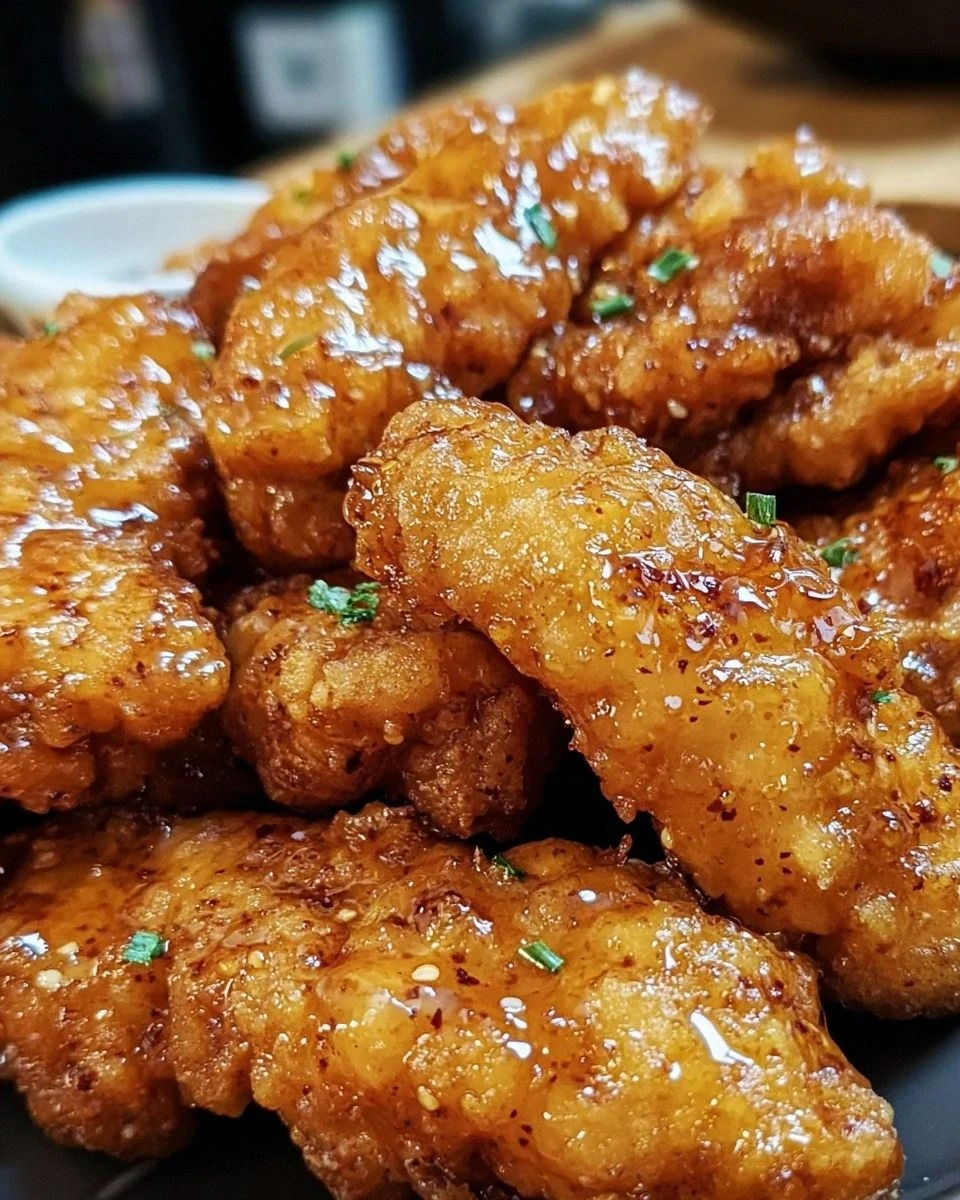
The moment the chicken hit the pan, the kitchen filled with a symphony of sizzles that could rival a live concert. The aroma was an intoxicating blend of buttery richness, caramelized honey, and a whisper of cayenne that made my nose twitch in anticipation. I could feel the heat radiating from the skillet, the way the oil shimmered like a tiny sun, and the chicken skin crackling with a promise of crispy perfection. As the sauce thickened, it clung to each piece like a glossy, amber‑colored coat, turning the ordinary into something extraordinary. The first bite was an explosion—a sweet kiss followed by a daring kick that lingered just long enough to keep you reaching for more.
Most recipes out there either drown the chicken in a sugary glaze that turns soggy or slap on a fiery sauce that overpowers the delicate meat. This version, however, walks the tightrope with the poise of a seasoned acrobat. I’ve combined a light dusting of seasoned flour for that coveted crunch, a butter‑honey emulsion that caramelizes without burning, and a secret splash of apple cider vinegar that brightens the heat without making it harsh. The result? A dish that’s simultaneously crisp, juicy, sweet, and fiery—like a perfect duet between a rock star and a classical violinist.
And here’s the kicker: I’m about to reveal a technique that most chefs keep under lock and key—the “double‑dip” method that guarantees a crust that shatters like thin ice while keeping the interior succulent. You’ll also discover why a dash of smoked paprika does more than add color; it adds a depth that makes the sauce feel like it’s been slow‑cooked for hours. Ready to dive in? Let me walk you through every single step — by the end, you’ll wonder how you ever made it any other way.
What Makes This Version Stand Out
- Flavor Harmony: The sweet honey and hot sauce aren’t battling; they’re dancing. The honey’s floral notes mellow the heat, while the chili adds a lingering warmth that never overwhelms.
- Texture Triumph: A light flour coating creates a crust that’s crisp on the outside yet feather‑light, allowing the meat to stay juicy and tender.
- Simplicity Meets Sophistication: Fewer than ten ingredients, yet each one is purposefully chosen to elevate the dish without unnecessary complexity.
- Unique Ingredient Twist: A splash of apple cider vinegar adds a subtle tang that brightens the sauce, preventing it from feeling cloyingly sweet.
- Crowd‑Pleaser Factor: This dish consistently clears plates at parties—people keep coming back for “just one more bite,” and you’ll hear the same confession: “I’ll be honest — I ate half the batch before anyone else got to try it.”
- Ingredient Quality: Using high‑quality honey and real hot sauce (not a generic paste) makes the flavor pop like fireworks on the Fourth of July.
- Cooking Method Magic: The double‑dip (flour, then egg, then flour again) locks in moisture while giving the chicken a golden armor that doesn’t flake apart.
- Make‑Ahead Potential: You can prep the chicken and sauce up to a day ahead, then finish it quickly for a stress‑free dinner.
Inside the Ingredient List
The Flavor Base
Honey: The star of the show, honey provides natural sweetness and a viscous texture that clings to the chicken like a caramelized veil. Choose a light, floral honey for a subtle nuance; if you prefer a deeper, richer sweetness, go for buckwheat honey. Skipping the honey would leave the dish flat, turning it into just another spicy fried chicken.
Hot Sauce: I use a medium‑heat, garlic‑infused hot sauce that offers heat without masking the honey’s flavor. If you love heat, increase the amount or add a pinch of cayenne; for a milder version, use a sweet chili sauce instead. The sauce’s acidity balances the honey, preventing it from becoming overly syrupy.
The Texture Crew
All‑Purpose Flour: This creates the initial coating that fries up into a golden crust. Using cake flour would make the coating too delicate, while bread flour could make it overly dense. For gluten‑free diners, a blend of rice flour and cornstarch works just as well.
Eggs: The egg wash acts as the glue that binds the flour to the chicken, ensuring an even crust. If you’re avoiding eggs, a mixture of milk and a splash of mustard can substitute, though the texture will be slightly different.
Butter: Butter adds richness and helps the honey caramelize without burning. Clarified butter (ghee) can be used for a higher smoke point, especially if you’re cooking at a hotter temperature.
The Unexpected Star
Apple Cider Vinegar: Just a tablespoon of this tangy elixir brightens the sauce, cutting through the sweetness and adding a subtle fruitiness that lifts the whole dish. Without it, the sauce can feel one‑dimensional and overly sweet.
Smoked Paprika: This spice adds depth and a whisper of smokiness that makes the sauce feel like it’s been simmered for hours. Skip it and you’ll lose that complex, layered flavor that makes the dish unforgettable.
The Final Flourish
Fresh Garlic: Minced garlic infuses the butter‑honey mixture with aromatic warmth, turning the sauce from good to legendary. If you forget, the dish still works, but you’ll miss that subtle bite that rounds out the flavor.
Fresh Herbs (optional): A sprinkle of chopped parsley or cilantro just before serving adds a fresh, bright contrast to the rich sauce. It’s not essential, but it elevates the presentation and adds a pop of color.
Everything's prepped? Good. Let's get into the real action...
The Method — Step by Step
Start by patting four bone‑in, skin‑on chicken thighs dry with paper towels. This is crucial because moisture is the enemy of crispiness. Season both sides generously with salt, pepper, and a teaspoon of smoked paprika. Let the seasoning sit for five minutes while you preheat a large cast‑iron skillet over medium‑high heat; you’ll hear a gentle hum as the pan warms, a sound that says “we’re about to create magic.”
Kitchen Hack: Sprinkle a pinch of cornstarch on the chicken after seasoning; it absorbs surface moisture and helps the flour adhere better.Set up a dredging station: a shallow bowl with 2 cups of flour, a second bowl with two beaten eggs, and a third bowl with the same flour seasoned with an extra teaspoon of paprika. Dip each thigh first into the flour, shaking off excess, then into the egg wash, and finally back into the seasoned flour for a double coating. This “double‑dip” creates a barrier that locks in juices while forming a crunchy shell. The chicken should feel slightly tacky after the final coat—perfect for the next step.
Add two tablespoons of clarified butter and a tablespoon of regular butter to the hot skillet. When the butter foams and starts to turn a light amber, it’s time to introduce the chicken. Carefully lay the coated thighs skin‑side down, listening for that satisfying sizzle that says “we’re on the right track.” Cook without moving them for 6‑7 minutes, allowing the skin to render and turn a deep golden brown.
Watch Out: If the butter starts to smoke, lower the heat slightly; burning butter will give the crust a bitter taste.Flip the chicken and add 3 cloves of minced garlic to the pan, letting it sauté for about 30 seconds until fragrant. Then pour in ¼ cup of hot sauce and ¼ cup of honey, stirring quickly to combine. The sauce will bubble and thicken, coating the chicken in a glossy, amber glaze. If the sauce looks too thick, splash in a tablespoon of water or chicken broth to loosen it just enough to swirl around the pan.
Reduce the heat to low and let the chicken simmer in the sauce for another 8‑10 minutes. During this time, the honey caramelizes, the hot sauce penetrates the meat, and the garlic infuses its aromatic punch. You’ll notice the edges of the chicken pulling away from the pan—a clear sign that the coating is set and the interior is cooked through.
While the chicken finishes, taste the sauce. If you crave more heat, add a pinch of cayenne or a drizzle of extra hot sauce; if you want more sweetness, swirl in an additional teaspoon of honey. This is the moment of truth—adjustments here define whether the dish will be a crowd‑pleaser or a missed opportunity.
Remove the chicken from the skillet and place it on a serving platter. Drizzle any remaining sauce over the top, letting it cascade like liquid amber. Garnish with a handful of chopped fresh herbs—parsley for freshness or cilantro for a bright, citrusy note. The visual contrast of the glossy glaze against the green herbs is as satisfying as the first bite.
Serve immediately with a side of creamy coleslaw or roasted veggies. The contrast between the crisp chicken and the cool side dish creates a balanced plate that sings in every bite. And remember, I dare you to taste this and not go back for seconds—because once you’ve experienced this sweet‑spicy harmony, ordinary fried chicken will never be the same.
That's it — you did it. But hold on, I've got a few more tricks that'll take this to another level...
Insider Tricks for Flawless Results
The Temperature Rule Nobody Follows
Most home cooks set the stove to “medium” and hope for the best, but the secret is a steady 350°F (175°C) pan surface. Use an infrared thermometer or simply splash a drop of water; it should dance and evaporate instantly. This precise heat ensures the flour coating crisps without burning, and the butter‑honey mixture caramelizes perfectly. I once tried a higher heat and ended up with a burnt crust that tasted like charcoal—lesson learned.
Why Your Nose Knows Best
Before you even cut into the chicken, trust the aroma. When the sauce reaches a fragrant balance of honey, garlic, and hot sauce, you’ll notice a sweet‑spicy perfume that fills the kitchen. If the scent leans too heavily toward burnt butter, lower the heat immediately. Your nose is a more reliable thermometer than any gadget in the drawer.
The 5‑Minute Rest That Changes Everything
After removing the chicken from the pan, let it rest for exactly five minutes. This short pause allows the juices to redistribute, preventing a dry bite. It also gives the glaze a chance to set, so it doesn’t slide off when you cut into the meat. Skipping this step is a common mistake—my friend once served the chicken hot off the skillet and ended up with a soggy plate and a disappointed crowd.
Seasoning the Flour Isn’t Optional
Adding spices directly to the flour coating is a game‑changer. A teaspoon of garlic powder, a pinch of onion powder, and a dash of cayenne elevate the crust from plain to unforgettable. The spices create a flavor bridge between the chicken’s natural juices and the sweet‑spicy glaze, ensuring every bite is layered.
Finish With a Splash of Acid
Just before serving, drizzle a teaspoon of fresh lemon juice over the plated chicken. The acidity cuts through the richness, brightening the overall profile. It’s a subtle move that professional chefs use to balance sauces, and it works wonders here.
Creative Twists and Variations
This recipe is a playground. Here are some of my favorite ways to switch things up:
Maple‑Chipotle Fusion
Swap half of the honey for pure maple syrup and replace the hot sauce with chipotle in adobo. The smoky chipotle pairs beautifully with the maple’s earthy sweetness, creating a deep, autumnal flavor that’s perfect for cooler evenings.
Thai‑Inspired Heat
Replace the hot sauce with Thai sweet chili sauce and add a tablespoon of fish sauce to the glaze. Finish with a sprinkle of crushed peanuts and fresh basil. This version brings a tangy, umami‑rich twist that transports you straight to a bustling Bangkok night market.
Garlic‑Lemon Zing
Increase the garlic to four cloves, add a tablespoon of lemon zest to the sauce, and finish with a drizzle of lemon‑infused olive oil. The citrus brightens the honey’s sweetness and adds a fresh punch that’s perfect for spring gatherings.
Spicy BBQ Remix
Mix your favorite BBQ sauce with the hot sauce and reduce the honey to a tablespoon. The smoky BBQ flavor melds with the heat, creating a finger‑licking, backyard‑grill vibe. Serve with coleslaw and corn on the cob for a full‑blown BBQ feast.
Vegan Swap
Replace the chicken with firm tofu cubes, coat them in the same flour‑egg (use a flax‑egg) system, and follow the same sauce steps. The result is a crispy, plant‑based bite that still delivers that sweet‑spicy punch.
Honey‑Sriracha Glaze
Swap the hot sauce for an equal part of Sriracha and add a dash of soy sauce for depth. This gives the glaze a tangy, garlicky edge while maintaining the honey’s smooth sweetness. Garnish with sliced scallions for a fresh finish.
Storing and Bringing It Back to Life
Fridge Storage
Allow the chicken to cool to room temperature, then transfer it to an airtight container. It will keep beautifully for up to three days. When you’re ready to eat, reheat gently in a skillet over medium heat, adding a splash of water to revive the glaze and prevent it from drying out.
Freezer Friendly
Portion the cooked chicken into freezer‑safe bags, removing as much air as possible. Freeze for up to two months. To reheat, thaw overnight in the refrigerator, then finish in a hot oven (375°F) for 10‑12 minutes, basting with a little extra honey‑hot sauce mixture to restore shine.
Best Reheating Method
The secret to bringing leftovers back to life is steam. Place the chicken on a baking sheet, drizzle a teaspoon of water over each piece, and cover loosely with foil. Heat in a preheated oven at 350°F for 8‑10 minutes. The steam revives the crust, while the added moisture keeps the meat juicy. Add a tiny splash of honey before serving for that fresh‑out‑of‑the‑pan glow.