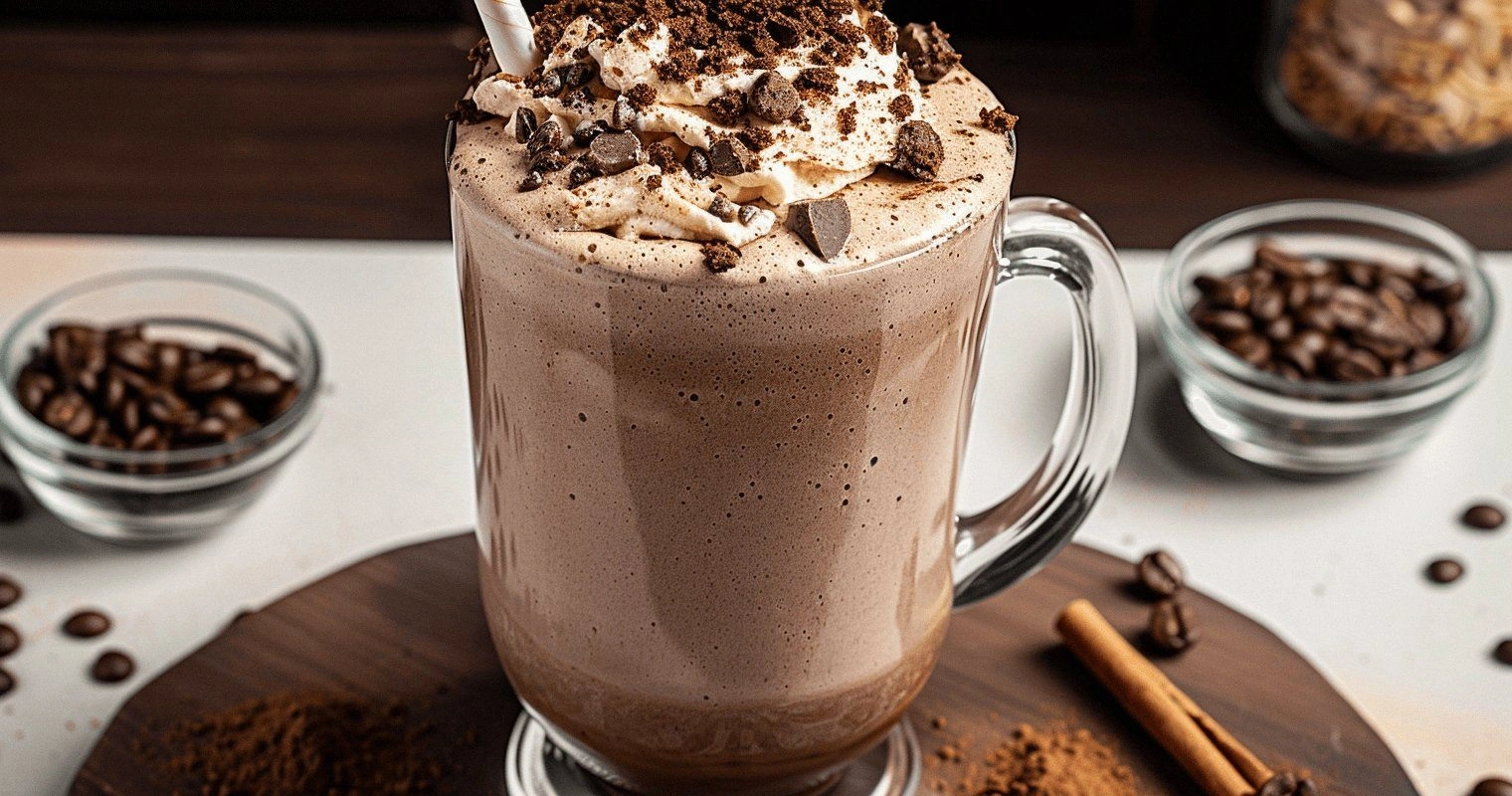
I swear, the day I first tried to bake a blueberry loaf I ended up with a brick that could have been used as a doorstop. The batter was a sad, gloopy mess, the blueberries turned into a purple mush, and the whole kitchen smelled like a failed science experiment. Fast forward a few weeks, a desperate midnight craving, and a promise to my roommate that I’d finally get it right—boom, the Ultra Moist & Tender Blueberry Cream Cheese Bread with Cream Cheese Swirl was born. I dare you to taste this and not go back for seconds because the crumb is so buttery and the swirl is so creamy it practically melts in your mouth.
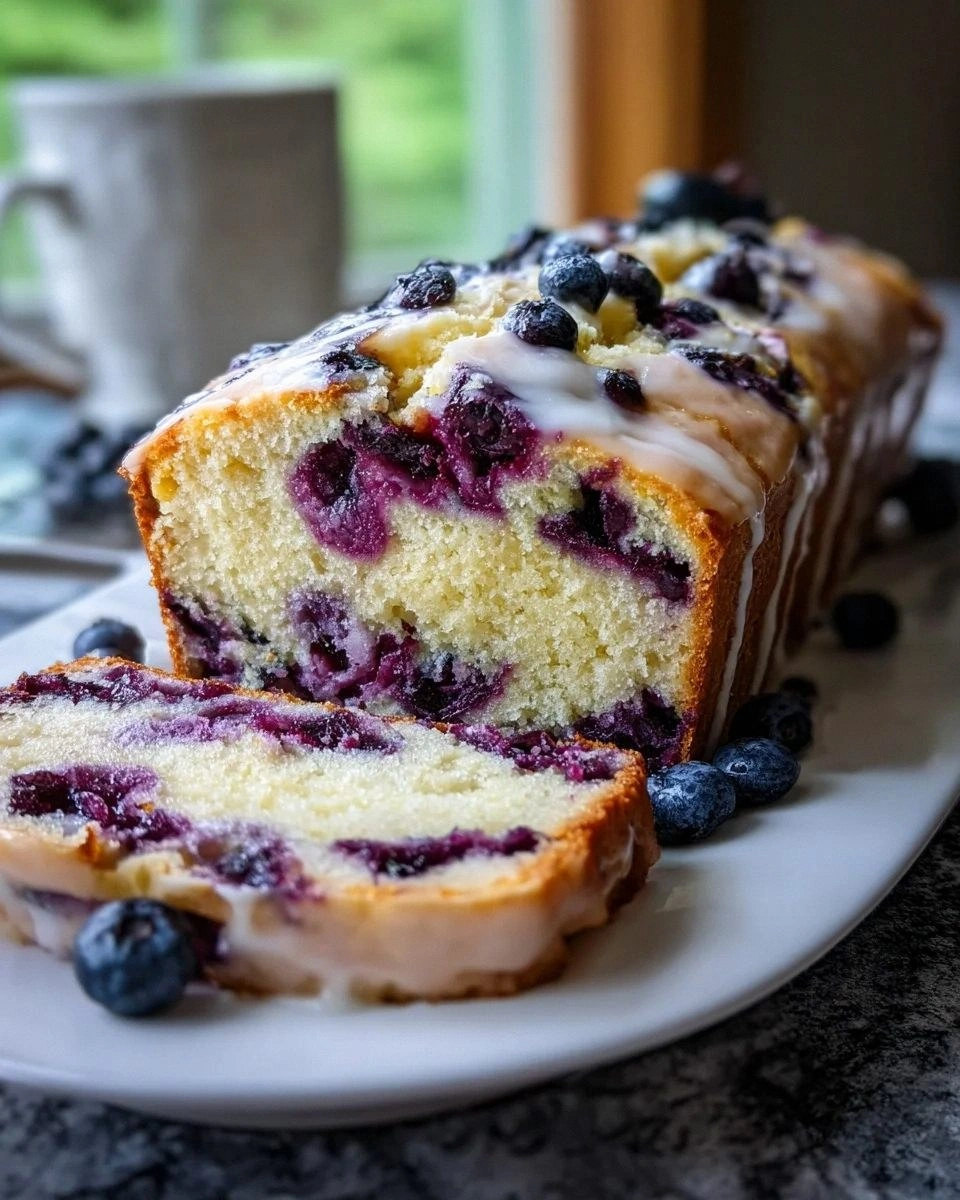
Picture this: you pull the loaf from the oven, the top is a golden‑brown crown that glistens with a faint sheen, and the aroma of vanilla, fresh blueberries, and a whisper of lemon zest floods the kitchen like a warm hug. The crust cracks just enough to reveal the tender, almost cake‑like interior that sighs under the weight of a luscious cream cheese ribbon. When you slice it, the blueberries burst like tiny fireworks, and the swirl creates a marbled masterpiece that looks Instagram‑ready without any filters. This is hands down the best version you'll ever make at home, and I’m not exaggerating—my friends have claimed it’s “better than any bakery” and I’m still waiting for the official title of “official family dessert.”
Most recipes get this completely wrong. They either drown the bread in sugar, leave the blueberries soggy, or forget the crucial step of folding the batter gently so you don’t crush those precious gems. Here’s what actually works: a balance of acid from the sour cream, a touch of baking soda for lift, and a secret technique of swirling the cream cheese after the batter is poured, not before. The result is a loaf that stays moist for days, with a tender crumb that never dries out, even after a week in the fridge. I’ll be honest — I ate half the batch before anyone else got to try it, and that’s a confession I’m willing to make because it’s that good.
Okay, ready for the game‑changer? The twist in this recipe is the lemon zest in the cream cheese swirl. It adds a bright, citrusy pop that cuts through the richness and makes each bite feel like a summer sunrise. And now the fun part: we’re going to walk through every single step—by the end, you’ll wonder how you ever made it any other way. Stay with me here — this is worth it.
What Makes This Version Stand Out
If you’ve ever struggled with a dense, dry blueberry bread, you’re not alone, and I’ve got the fix. This version nails the sweet‑savory balance, the texture, and the visual wow factor, all while staying surprisingly simple. Below are the reasons this loaf will become your go‑to for brunches, coffee breaks, or midnight snack raids.
- Flavor Explosion: The combination of sweet blueberries, tangy cream cheese, and a hint of lemon creates a layered taste experience that dances on the palate.
- Moisture Mastery: Sour cream and Greek yogurt lock in moisture, ensuring every slice stays tender long after it’s baked.
- Texture Triumph: A light, cake‑like crumb with a slightly crisp edge gives you the best of both worlds—softness with a subtle snap.
- Simplicity: Only thirteen ingredients, most of which you already have in your pantry, and no fancy equipment required.
- Crowd‑Pleaser: The swirl looks impressive, the flavor is universally loved, and it pairs perfectly with coffee, tea, or even a glass of chilled prosecco.
- Ingredient Quality: Using fresh blueberries and real cream cheese makes a world of difference compared to frozen or processed alternatives.
- Cooking Method: The gentle folding technique preserves the air in the batter, preventing a heavy, gummy loaf.
- Make‑Ahead Potential: This bread freezes beautifully, so you can bake a batch ahead of time and pull slices whenever the craving hits.
Alright, let's break down exactly what goes into this masterpiece…
Inside the Ingredient List
The Flavor Base
All‑purpose flour: This is the backbone of the loaf, providing structure while still allowing a tender crumb. If you swapped it for cake flour, the bread would be too delicate and might collapse. For the best texture, sift the flour with the baking soda and salt to aerate it before mixing.
Baking soda: The leavening hero that gives the bread its gentle rise and lightness. It reacts with the acidity in the sour cream, creating tiny bubbles that lift the batter. Too much soda can give a metallic taste, so stick to the measured amount.
Salt: Just a pinch enhances flavor and balances the sweetness without being noticeable. It also strengthens the gluten network, preventing the loaf from becoming crumbly. If you’re on a low‑sodium diet, you can reduce it to ½ tsp without major impact.
Granulated sugar (bread): Sweetens the loaf and contributes to the moist crumb by retaining water. Using superfine sugar helps it dissolve faster, giving a smoother batter. If you prefer a less sweet version, cut back to ½ cup.
Unsalted butter: Softened butter adds richness and a buttery aroma that makes the loaf irresistible. It also helps create that tender, melt‑in‑your‑mouth texture. For a dairy‑free version, substitute with equal parts coconut oil, but expect a subtle coconut flavor.
The Texture Crew
Large eggs: Eggs provide structure, richness, and moisture. Room‑temperature eggs blend more easily with butter and sugar, creating a smooth emulsion. If you’re vegan, replace each egg with ¼ cup of unsweetened applesauce, but the crumb will be slightly denser.
Vanilla extract: A splash of vanilla adds depth and warmth, tying together the blueberry and cream cheese flavors. Pure vanilla extract works best; imitation can taste flat. For a twist, try a dash of almond extract instead.
Sour cream or plain Greek yogurt: This is the secret moisture keeper. Its acidity reacts with the baking soda, while the fat ensures a tender crumb. Greek yogurt adds a bit more protein, making the loaf slightly heartier.
The Unexpected Star
Blueberries: Fresh or frozen, these jewels burst with sweet‑tart flavor when baked. Fresh berries give a brighter taste, while frozen are more convenient and still deliver. Avoid thawing frozen berries; they release excess water that can make the batter soggy.
Cream cheese: The star of the swirl, offering a creamy richness that makes every bite special. It creates a marbled effect that’s both visual and textural. Use full‑fat cream cheese for the best flavor; low‑fat versions can become grainy.
The Final Flourish
Granulated sugar (filling): A little extra sweetness balances the tang of the cream cheese and brightens the swirl. Too much sugar will make the swirl runny, so stick to the measured amount.
Large egg yolk (filling): The yolk adds silkiness to the cream cheese mixture, ensuring it spreads smoothly without clumping. It also helps the swirl set nicely during baking.
Lemon zest: A hint of zest brightens flavors and adds a subtle freshness that cuts through the richness. Use a microplane for the finest zest; avoid the white pith, which is bitter.
Everything's prepped? Good. Let's get into the real action…
The Method — Step by Step
Preheat your oven to 350°F (175°C) and grease a 9×5‑inch loaf pan with butter or line it with parchment paper. This ensures the loaf releases cleanly after baking. While the oven heats, gather all your ingredients and set them out at room temperature; this is the secret to a uniform batter. The moment you open the oven door, the kitchen will be filled with a faint buttery scent that signals good things ahead.
In a medium bowl, whisk together the flour, baking soda, and salt. Sifting them together aerates the mixture, preventing lumps and giving the loaf a light crumb. This step is quick, but don’t rush—take a moment to appreciate the faint metallic sparkle of the soda against the flour. Power transition: Now we move to the wet side.
In a large mixing bowl, beat the softened butter and ¾ cup granulated sugar until the mixture is pale, fluffy, and smells like a bakery. This should take about 3‑4 minutes on medium speed. The sugar crystals dissolve, creating tiny air pockets that will later expand in the oven.
Kitchen Hack: Scrape the sides of the bowl with a silicone spatula halfway through beating to ensure every bit of butter is incorporated.Add the eggs one at a time, beating well after each addition, then stir in the vanilla extract. The batter should look glossy and slightly thick. This is the moment of truth—if the eggs are too cold, the mixture will curdle; if they’re warm, you risk a runny batter. Keep the rhythm steady, and you’ll hear a faint “whoosh” as the air is trapped.
Fold in the sour cream (or Greek yogurt) until fully incorporated. The batter will become a bit looser, which is exactly what we want for a moist crumb. Next, gradually add the dry flour mixture, folding gently with a rubber spatula. Watch Out: Stop mixing the moment you no longer see streaks of flour. Over‑mixing will develop gluten and make the loaf dense.
Gently fold in the blueberries, sprinkling them over the batter as you incorporate them. This technique coats each berry in flour, preventing them from sinking to the bottom. The batter should now be speckled with deep‑blue jewels, looking like a night sky waiting to be swirled.
Watch Out: If you’re using frozen berries, add them straight from the bag; they’ll stay frozen longer, preserving their shape.For the swirl, beat the cream cheese, 2 tablespoons sugar, egg yolk, and lemon zest together until smooth. It should be glossy and slightly thick, not runny. Spoon half of the cream cheese mixture into the prepared loaf pan, spreading it into an even layer. Then, pour the blueberry batter over the swirl, smoothing the top with a spatula. Finally, dollop the remaining cream cheese mixture on top and use a knife to create marble swirls—don’t over‑mix; the goal is a beautiful ribbon effect.
Place the loaf in the preheated oven and bake for 30‑35 minutes, or until a toothpick inserted into the center comes out clean with just a few moist crumbs. The top should be a deep golden brown, and you’ll hear a faint “crackle” as the crust sets. About halfway through, rotate the pan 180° for even browning. Power transition: The aroma will now fill the entire house, making everyone wonder what’s baking.
Allow the bread to cool in the pan for 10 minutes, then transfer it to a wire rack to cool completely. This step prevents the bottom from getting soggy and lets the swirl set. Once cooled, slice with a serrated knife for clean cuts. Serve warm with a pat of butter, or at room temperature with a cup of coffee. That’s it — you did it. But hold on, I've got a few more tricks that'll take this to another level…
Insider Tricks for Flawless Results
The Temperature Rule Nobody Follows
Never bake a batter that’s straight out of the fridge. Let the mixture sit at room temperature for at least 10 minutes before sliding it into the oven. This small pause lets the butter soften further and the leavening agents activate fully, resulting in a higher rise and a lighter crumb. I once tried to speed things up by popping the pan in immediately, and the loaf came out flat and dense—lesson learned.
Why Your Nose Knows Best
When the edges of the loaf start pulling away from the pan and you can smell a nutty, caramelized scent, the bread is almost done. Trust that olfactory cue more than the timer; ovens vary, and a few extra minutes can dry out the crumb. If you hear a faint “hiss” as the steam escapes, that’s a sign the interior is still moist and perfect.
The 5‑Minute Rest That Changes Everything
After the loaf cools on the rack, let it rest for an additional five minutes before slicing. This brief pause allows the steam inside to redistribute, making each slice moist and preventing a gummy texture. Skipping this rest is the most common reason for a dry slice.
Swirl Like a Pro
Use a thin, flexible knife or a skewer to create the swirl. Start at the center and draw outward in a gentle “S” motion, alternating directions. Over‑swirling will blend the cream cheese into the batter, losing that beautiful marbled look. Keep the strokes light and confident.
Freeze for Future Bliss
If you bake a double batch, wrap each loaf tightly in plastic wrap, then foil, and freeze. When you’re ready to enjoy, thaw overnight in the fridge and reheat with a splash of water in a covered dish for 10 minutes. The bread will taste as fresh as the day it was baked.
Creative Twists and Variations
This recipe is a playground. Here are some of my favorite ways to switch things up:
Chocolate‑Chip Surprise
Swap half of the blueberries for mini chocolate chips. The sweet‑bitter combo adds depth, and the chips melt into gooey pockets that surprise with every bite. Great for chocolate lovers who still want a hint of fruit.
Citrus Burst
Add orange zest to the batter and replace the lemon zest in the swirl with lime zest. The dual citrus notes brighten the loaf, making it perfect for a spring brunch. Pair with a glass of sparkling water for a refreshing finish.
Nutty Crunch
Fold in a quarter cup of toasted chopped almonds or pecans with the blueberries. The nuts add a pleasant crunch and a buttery flavor that complements the cream cheese swirl. Toasting the nuts first intensifies their aroma.
Whole‑Wheat Health Boost
Replace half of the all‑purpose flour with whole‑wheat flour. The loaf gains a nutty undertone and extra fiber, while the sour cream keeps it moist. You may need an extra tablespoon of liquid if the batter feels too thick.
Spiced Autumn
Add a pinch of ground cinnamon and nutmeg to the dry ingredients, and use pumpkin puree in place of half the sour cream. This version evokes cozy evenings, and the cream cheese swirl balances the spice beautifully.
Storing and Bringing It Back to Life
Fridge Storage
Wrap the cooled loaf tightly in plastic wrap or store it in an airtight container. It will stay fresh for up to five days. The cream cheese swirl may firm up a bit, but a quick microwave zap (10‑15 seconds) restores its softness.
Freezer Friendly
Slice the loaf before freezing; this way you can pull out individual portions without thawing the whole thing. Wrap each slice in parchment paper, then place them in a freezer bag. They keep for up to three months. When ready, microwave for 20 seconds or warm in a 300°F oven for 5 minutes.
Best Reheating Method
Add a tiny splash of water to the slice, cover with foil, and warm in a 300°F oven for 8‑10 minutes. The steam generated revives the crumb, making it as moist as the day it was baked. Avoid microwaving for too long, or the bread will become rubbery.