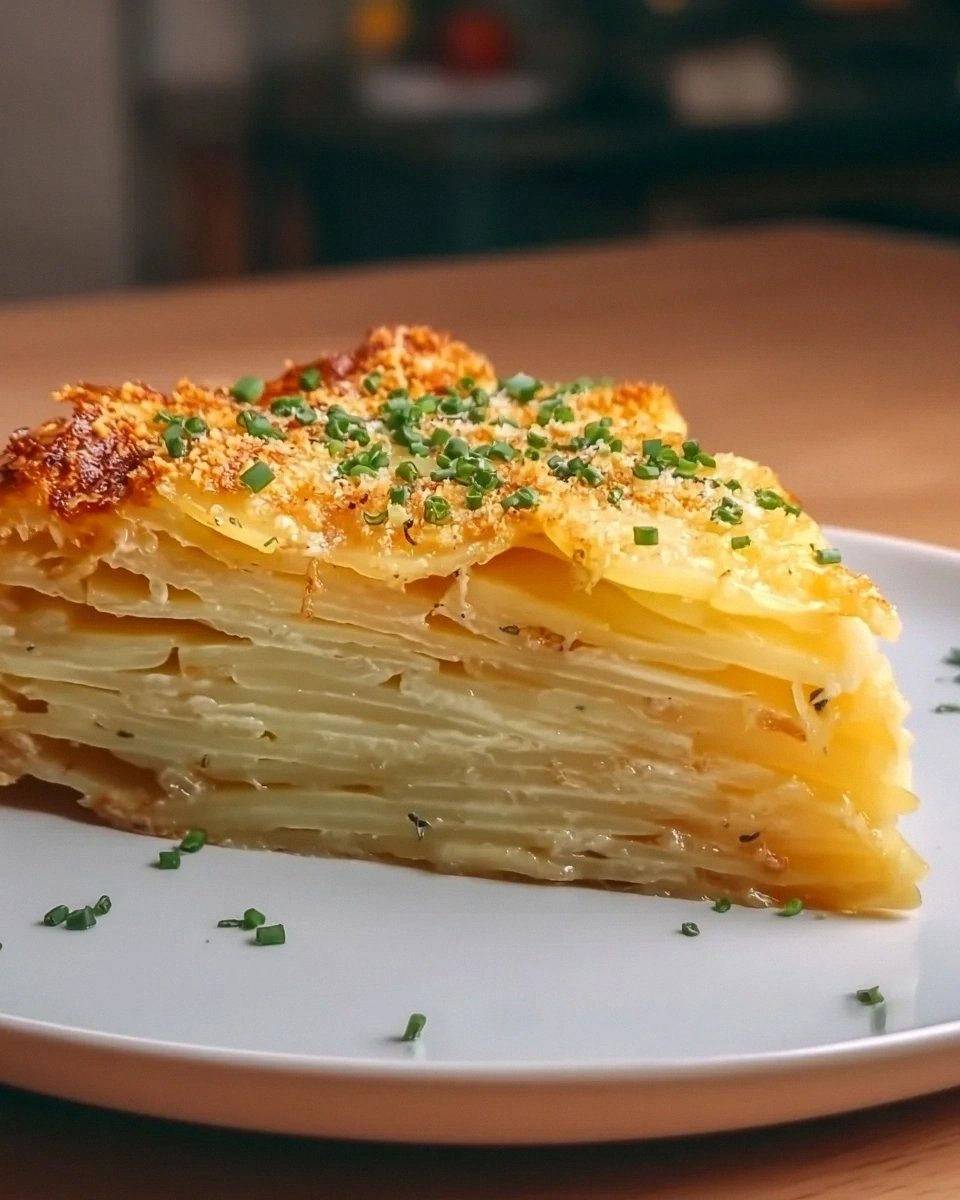
I still remember the first time I attempted to make what I called a "fancy potato thing" for a potluck. I had visions of delicate, shingled layers fanned out like a French pâtisserie showcase, but what emerged from my oven looked more like a lumpy brick that had been drop-kicked across the kitchen. The inside was raw, the outside was charcoal, and my guests politely nibbled the corner pieces before suddenly remembering they had somewhere else to be. Fast forward three years, a mountain of potatoes, and a borderline-embarrassing number of test runs, and I've cracked the code on a Million Layer Potato Cake that will make you feel like a Michelin-starred genius—even if you still burn toast on occasion.
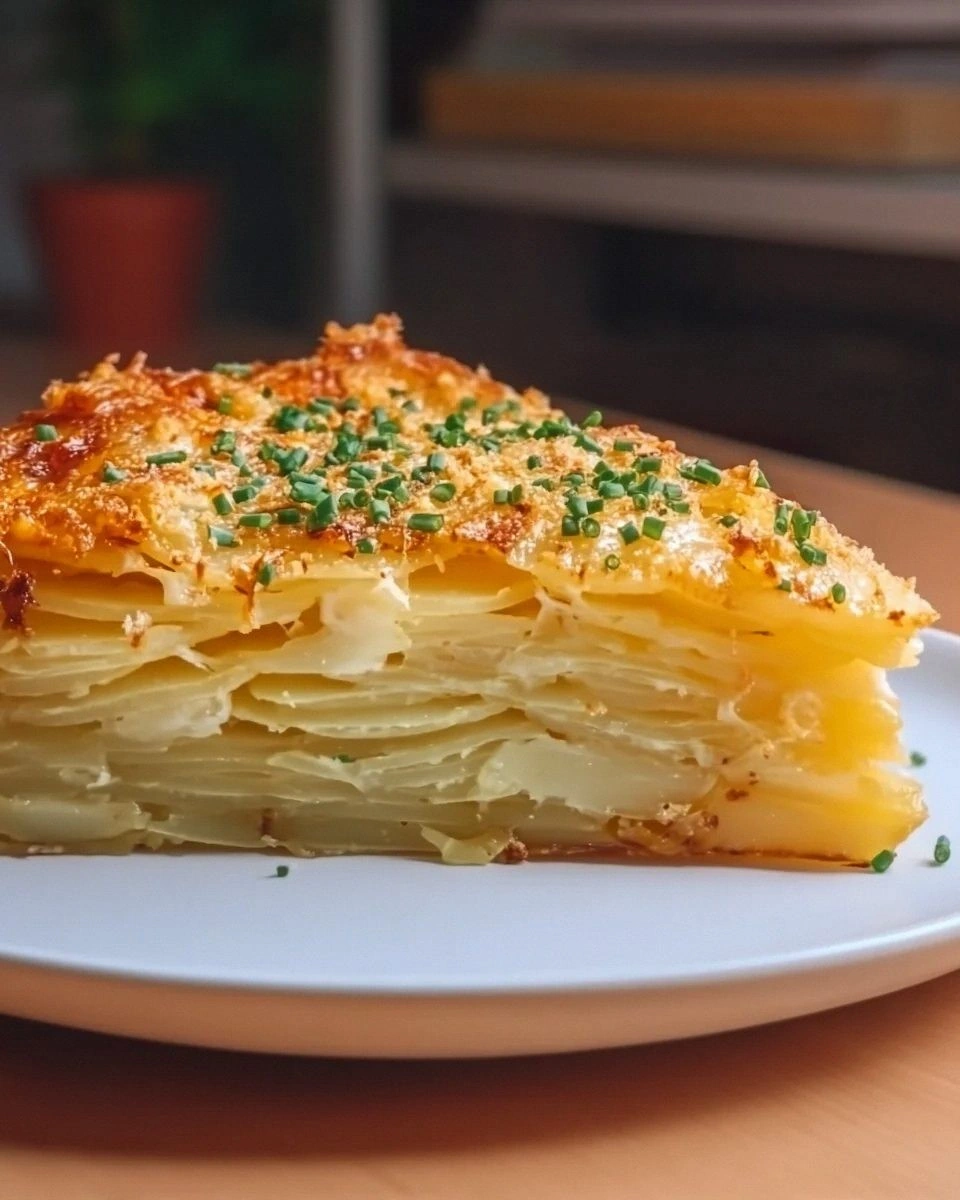
Picture this: wafer-thin slices of russet and Yukon Gold potatoes, each sheet lacquered with spiced brown-butter, stacked like edible parchment, then baked until the edges turn shatter-crisp while the interior stays cloud-soft. The aroma that drifts through the house is equal parts campfire potato skin and buttered popcorn, with a whisper of rosemary that sneaks up on you like a plot twist. Slice into it and you get this satisfying crunch, followed by a creamy pull-apart texture that tastes like the best parts of scalloped potatoes, hasselback potatoes, and potato gratin had a wild night out together.
What makes today’s version different from every other "potato galette" clogging the internet? I ditched the mandoline elitism, ditched the finicky parchment collars, and—brace yourself—ditched the notion that you need a culinary degree to pull this off. Instead, I borrowed a trick from Japanese korokke and Korean gamja-tang, married it with French laminating logic, and landed on a method that uses nothing fancier than a sharp knife, two bowls, and the self-control not to eat all the butter with a spoon before it hits the potatoes. The result is a side dish that steals the show, a brunch centerpiece that outshines the main, or—if you're like me—a midnight snack you pretend you baked "for tomorrow."
Stay with me here, because this next part is pure magic. We're going to build layers so thin you can read a love letter through them, yet the cake holds together like it went to architecture school. We'll season every stratum so aggressively that you won't need a final sprinkle of salt. And we'll bake low-and-slow before cranking the heat for the grand finale, giving you those million layers that crunch like thin ice before giving way to buttery fluff within. Ready to flip the script on spuds forever? Let me walk you through every single step—by the end, you'll wonder how you ever made it any other way.
What Makes This Version Stand Out
Butter-First Philosophy: Instead of greasing the pan and hoping for the best, we paint each potato slice with brown-butter infused with garlic confit and smoked paprika. The fat acts like tasty glue, ensuring the layers fuse but never fuse too much—you still get that jaw-dropping pull-apart effect.
Dual-Potato Power: Russets bring starch to the party so the cake binds without eggs, while Yukon Golds keep things creamy and colorful. Using two varieties is the difference between a cake that tastes like one-note mash and one that sings harmony.
Reverse Sear Technique: Most recipes blast the cake at 425 °F from the jump and pray. We start at 300 °F so moisture can escape gently, then rocket to 450 °F for the last ten minutes. Translation: no raw middle, all crispy edge.
Cast-Iron Confidence: A pre-heated skillet acts like a pizza stone, radiating heat from the bottom up. That direct contact gives you a mahogany crust that shatters under the fork—no specialty pans required.
Make-Ahead Marvel: Slice, season, and stack the cake up to 24 hours ahead, then refrigerate covered. When guests arrive, just slide it into the oven and bask in the applause while someone else refills the wine glasses.
Flavor Layering, Not Just Potato Layering: Every tier gets a micro-seasoning of salt, pepper, and a whisper of nutmeg. By the time you bake, the seasoning is woven through like a hologram—visible from every angle.
Leftover Legend: Next-day wedges reheat like champs, but my favorite move is to cube the cold cake and griddle it in a little bacon fat for breakfast. That sizzle when it hits the pan? Absolute perfection.
Inside the Ingredient List
The Flavor Base
Butter is the backbone here, but not just any melted stick. We brown it until the milk solids turn chestnut and the aroma drifts somewhere between toasted hazelnuts and butterscotch. The water evaporates, leaving behind pure flavor concentrate that lacquers each potato round with nutty depth. I use European-style butter (higher fat, lower water) because it browns faster and tastes like someone whispered sweet nothings to a dairy cow. If you only have regular butter, add an extra tablespoon and cook it a touch longer—just don't walk away, because brown can tip to burnt faster than you can say "smoke alarm."
Garlic confit is next-level insurance against harsh, raw garlic bite. Slow-poaching cloves in oil renders them spreadable and almost honey-sweet. Smash one clove per stick of butter and whisk it into the brown-butter; the subtle sweetness marries the paprika and makes neighbors wonder what you're cooking. No time for confit? Roast a head of garlic at 400 °F for forty minutes and squeeze out the paste—still mellow, still magical.
The Texture Crew
Russets are the starchy scaffolding. Slice them paper-thin and they release just enough amylopectin to glue neighboring layers together, but not so much that the cake turns gummy. Pick the largest, most oval potatoes you can find; long straight sides mean fewer odd bits and more uninterrupted layers. Pro tip: if the skin is flaky or tinged green, skip it—bitter alkaloids will hijack all that buttery work.
Yukon Golds bring buttery color and naturally creamy texture that tastes like it was pre-swaddled in dairy. Their lower starch content means they stay tender even after the high-heat blast, giving you that contrast that makes people close their eyes involuntarily when they take a bite. Buy potatoes that feel heavy for their size; light ones have lost moisture and will shrivel into potato jerky in the oven.
The Unexpected Star
Smoked paprika is the stealth bomber of the spice world. A whisper in the butter bathes every layer in campfire perfume without turning the cake barbecue-red. I use Spanish pimentón dulce for sweet smokiness, but if you like swagger, reach for the hot version—just dial back the black pepper so the heat doesn't compound. Store your paprika in the freezer; the oils stay volatile and the smoke stays lively.
The Final Flourish
Fresh rosemary is optional but highly advised. Strip the leaves, mince them until they look like green confetti, and scatter just a pinch between every fourth layer. The piney note wakes up the butter and makes the potatoes taste mysteriously outdoorsy. Dried rosemary is like crunchy little needles—skip it. If fresh isn't available, swap in thyme or even a whisper of sage, but keep the quantity modest; herbs should flirt, not shout.
Everything's prepped? Good. Let's get into the real action...
The Method — Step by Step
- Preheat your oven to 300 °F (150 °C). Place a 10-inch cast-iron skillet on the middle rack so it heats gradually; a cold pan encourages sticking, but a nuclear-hot one scorches butter. While the oven wakes up, peel the potatoes and drop them into a bowl of salted ice water. The cold bath pulls out excess surface starch, preventing layers from turning into wallpaper paste. Keep them submerged at least ten minutes—long enough to brown the butter without racing against the clock.
- Brown the butter: melt 10 tablespoons (1 stick plus 2 tablespoons) unsalted butter in a light-colored saucepan over medium heat. Swirl occasionally; the foaming bubbles are water escaping. Once the foam subsides, you'll see tiny beige flecks—those are milk solids gearing up for their tan. When they turn chestnut brown and the aroma hits toasted-nut territory, kill the heat and whisk in 1 teaspoon smoked paprika and the mashed garlic confit clove. Let the mixture cool five minutes so it thickens just enough to paint rather than flood.
- Drain the potatoes and spin them dry in a salad spinner or press between clean towels. Water is the enemy of crisp; any lingering droplets will steam the layers and sabotage your million-layer dream. Lay out two large sheets of parchment on your counter, overlap them slightly, and start your assembly line: potatoes, butter brush, seasoning ramekin, and a ¼-teaspoon measuring spoon for sanity.
- Brush the now-hot skillet with a whisper of the brown butter—just enough to shimmer. Begin layering: place one potato slice in the center, brush the top with butter, sprinkle a two-finger pinch of kosher salt, a crack of black pepper, and—if you're on a rosemary layer—a pinch of the minced herb. Overlap the next slice by half, repeat the brush-and-season, and keep spiraling outward like you're building a delicious vinyl record. Work quickly; the warm pan starts setting the bottom layer so the cake won't slide when you later invert it.
- Continue shingling and seasoning until you've used half the potatoes, then gently press down with the base of a smaller pan or the bottom of a measuring cup. Compression is the secret handshake that prevents collapse later. Drizzle a tablespoon of brown butter across the surface; think of it as intermission butter that keeps act two from drying out.
- Resume layering the remaining potatoes, but now build inward to create a domed top. The cake will settle while baking, so a slight crown ensures the finished look is flat, not concave. Every third layer, shift the direction of your spiral—clockwise, then counter-clockwise—to create cross-hatched strength. When the final slice is down, brush generously with the last of the butter and cover the skillet with a sheet of parchment, pressing directly onto the potatoes. This parchment lid traps just enough steam to cook the interior while letting edges dehydrate.
- Slide the skillet into the oven and bake 25 minutes. This low phase is where potatoes surrender moisture and begin to bond. Resist opening the door; every peek drops the temp and extends cook time. Use the oven light and look for bubbling butter around the rim—your visual cue that things are humming along.
- Remove the parchment lid, crank the heat to 450 °F (230 °C), and bake another 8–10 minutes. This is the moment of truth: edges will caramelize, paprika will bloom brick-red, and the kitchen will smell like a campfire cook-off. Keep your nose alert; when the aroma shifts from buttery to nutty-toasty, yank it out.
- Let the cake rest 5 minutes. I know, the siren song of crispy potatoes is loud, but resting lets starch set so the layers don't avalanche when you slice. Run a thin knife around the edge, place a cutting board on top, and invert confidently. If a few bits stick, just patch them back like potato spackle—no one will be the wiser.
- Flip right-side up onto your serving plate for maximum visual wow. Slice into wedges with a sharp knife or use a biscuit cutter for adorable individual rounds. Either way, prepare for the audible gasp when guests see those striations—each layer a testament to your dedication to carb happiness.
That's it—you did it. But hold on, I've got a few more tricks that'll take this to another level...
Insider Tricks for Flawless Results
The Temperature Rule Nobody Follows
Most home ovens run 25 °F cooler or hotter than the dial claims, and potato cake is unforgiving of temperature fibs. Spend ten bucks on an oven thermometer and calibrate accordingly. If your oven runs hot, the outside will carbonize before the inside surrenders; too cool and you'll bake for eternity. I tape a cheat-sheet note inside my spice cabinet: 300 °F = actual 285 °F on mine, 450 °F = 435 °F. That tiny adjustment transformed my success rate from coin-flip to slam-dunk.
Why Your Nose Knows Best
Don't set a timer and wander off; the aroma curve is your true countdown. First you smell raw potato, then butter, then nutty brown butter, finally toasty caramel. When the scent jumps from "mmm, buttery" to "holy smokes, what's that?" you've got roughly 90 seconds before potential bitterness. Pull the skillet immediately—the residual heat will coast those last few feet. Ignore this and you'll learn the hard way why a friend texted me "my potatoes taste like scorched popcorn and sadness."
The 5-Minute Rest That Changes Everything
Resting isn't optional—it's architecture. During those five minutes, internal moisture redistributes, starches retrograde, and the layers lock into place. Cut too early and you get potato Jenga; wait and you get pristine geological strata. Cover loosely with foil if your kitchen is drafty, but don't wrap tight or you'll steam away your hard-earned crunch.
Creative Twists and Variations
This recipe is a playground. Here are some of my favorite ways to switch things up:
Truffle Shuffle Edition
Swap 1 tablespoon of the brown butter with white truffle oil and shave a whisper of fresh black truffle between layers. Finish with grated Parm and suddenly you're the person who "just threw this together." Your house will smell like a fancy Italian enoteca, and your grocery bill will match—but one bite and you'll consider it rent for temporary residency in flavor paradise.
Spicy Kimchi Crunch
Stir 1 tablespoon gochujang into the brown butter and tuck in a few well-squeezed kimchi shards every other layer. The spicy funk plays off the buttery potatoes like a K-drama romance—intense, layered, and impossible to stop bingeing. Top with sesame seeds and scallion curls for a Korean-French fusion that will blow your mind.
Thanksgiving Leftover Remix
Fold ½ cup shredded roast turkey and a pinch of sage into every third layer. Serve wedges with a side of cranberry gastrique and watch relatives fight over the last piece instead of the pumpkin pie. I once brought this to a Friends-giving; the host now insists it's mandatory attendance.
Cheese-Lover's Deep Dive
Sprinkle ¼ cup finely grated aged gouda between every few layers. The cheese melts into micro-pockets, creating salty, crystalline bursts that feel like buried treasure. Use the good stuff—cheap cheese oozes oil and separates, but quality gouda stays creamy and complex.
Mini Cast-Iron Individual Cakes
Divide the potatoes among 4-inch mini skillets and bake 5 minutes less. Everyone gets their own crispy disc—no sharing required. These are dangerous at brunches because guests assume they're dainty and proceed to devour two. I dare you to taste this and not go back for seconds.
Herb Garden Confetti
Replace rosemary with a mix of dill, chervil, and tarragon for a spring vibe that tastes like you're munching a meadow. Light, grassy herbs lift the richness, making the cake feel almost virtuous—almost. Pair with roasted fish and prepare for compliments that start with "I don't even like potatoes, but..."
Storing and Bringing It Back to Life
Fridge Storage
Cool the cake completely, then wrap tightly in plastic wrap followed by foil. It keeps up to 4 days, though the edges lose their shatter after day two. Store wedges in an airtight container if you prefer grab-and-go access—just know the fridge is a moisture magnet, so revive in a hot skillet rather than the microwave for best texture.
Freezer Friendly
Wrap individual slices in parchment, then slide into a zip bag with the air sucked out. Freeze up to 2 months. Thaw overnight in the fridge, then reheat in a 400 °F oven for 8 minutes. The center may need a foil tent so it warms through before the edges over-brown. Pro move: freeze un-baked stacks in silicone muffin cups; bake from frozen at 325 °F for 25 minutes for instant dinner-party cred.
Best Reheating Method
Skillet revival beats every other option. Add a teaspoon of water to a hot pan, lay in the wedge, cover for 1 minute to steam, then uncover and crisp 1 minute per side. The water creates a micro-steam that rehydrates without sogginess, while direct contact resurrects crunch. Microwave only in emergencies; you'll get edible results, but the soul of the cake—that million-layer shatter—will have left the building.