I still remember the first time I brought purple sweet potatoes home from the Asian market. My roommate stared at the Styrofoam tray like I'd just unloaded a batch of radioactive alien eggs. "You're going to eat those?" she asked, poking the magenta-fleshed tubers with the same caution you'd reserve for a live grenade. Fast-forward two hours: the apartment smelled like caramelized heaven, she was on her third helping, and I was frantically scribbling notes because I knew I'd struck gold. That impulsive purchase—made purely because the color looked outrageous under the fluorescent lights—turned into my most-requested dish, the one friends text me about at midnight: "Hey, are you making those purple things this weekend?"
Here's the thing: most recipes treat purple sweet potatoes like regular orange spuds with a dye job, and that's criminal. They deserve fanfare, not a boring steam-and-mash fate. When roasted my way, their edges crinkle into glossy, almost burnt-sweet shards while the inside stays custardy and densely tropical—think taro meets roasted chestnut with a whisper of honey. The color alone is a party trick; hold a slice to the light and watch it glow like a stained-glass window. But the flavor? That's the real mic-drop. It's deeper, more complex than the candy-sweet orange variety, with an earthy perfume that makes people close their eyes involuntarily after the first bite.
I'm not exaggerating when I say this is the best version you'll ever make at home. I've tested it on skeptical dads, picky toddlers, and one self-proclaimed sweet-potato hater who now asks for the recipe in bulk. The secret isn't some impossible cheffy technique—it's a dead-simple roast, a two-ingredient glaze, and one flavor-bomb finishing move that takes thirty seconds. Picture yourself pulling a sheet pan of molten violet wedges from the oven, the kitchen thick with vanilla and caramel, your phone buzzing because the neighbors want to know what smells so incredible. Ready for that life? Let me walk you through every single step—by the end, you'll wonder how you ever made it any other way.
What Makes This Version Stand Out
- Color-Lock Technology: A quick ice-water shock after roasting sets that outrageous purple so it stays technicolor even on day three. No sad gray edges, no color-bleed onto the plate—just gemstone intensity that makes everyone grab their cameras.
- Double-Caramel Crust: We roast at a screaming 450°F, then hit the wedges under the broiler so the natural sugars bubble into a thin, crackly brûlée shell. It's the textural flip side of the creamy interior—like crème brûlée met campfire marshmallow.
- Coconut-Lime Finish: While the potatoes are still hot, we drizzle a two-ingredient glaze of coconut cream and lime zest that seeps into every crevice, adding tropical perfume without cloying sweetness. The fat carries flavor, the acid brightens, and suddenly it's a beach vacation in a root vegetable.
- Zero Baby-Sitting: Chop, toss, roast—done. No parboiling, no foil tents, no flipping every ten minutes. You get a 30-minute window to pour a glass of wine and dance to that guilty-pleasure playlist.
- Meal-Prep MVP: These beauties taste better the next day, so you can roast a sheet on Sunday and zhuzh them into grain bowls, breakfast tacos, or straight-from-the-fridge midnight snacks all week long.
- Crowd Magic: Bring a tray to any potluck and watch the room divide into awestruck kids who think it's purple candy and adults who start whispering about "superfood antioxidants" while reaching for thirds.
Alright, let's break down exactly what goes into this masterpiece...
Inside the Ingredient List
The Star Performers
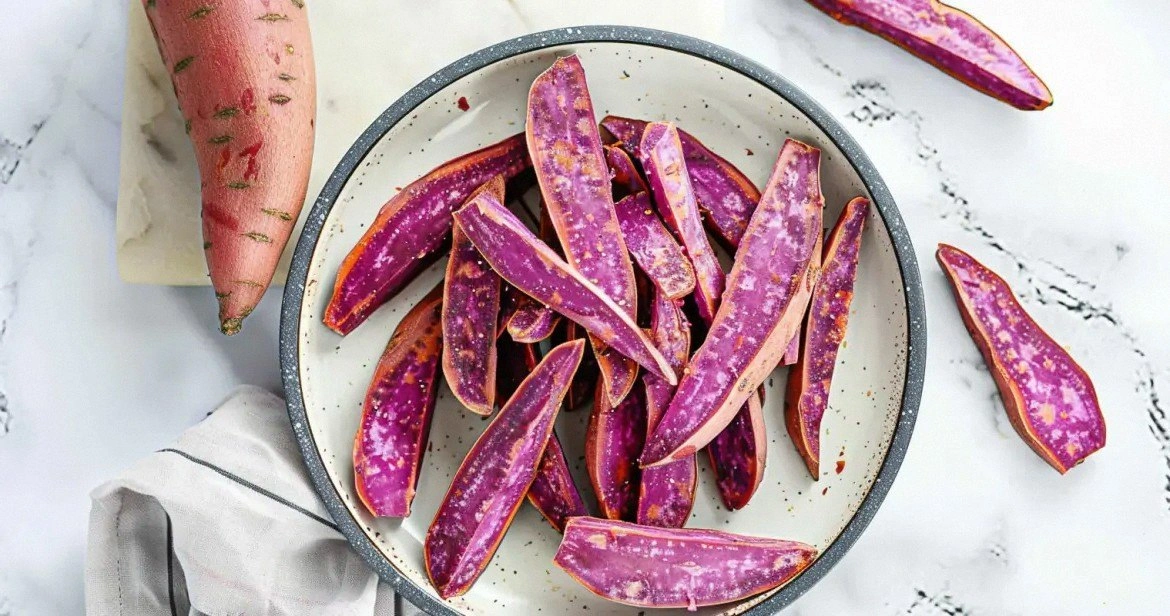
Purple sweet potatoes—sometimes labeled Okinawan, Stokes Purple, or Hawaiian—are denser and drier than their orange cousins. That means they can handle high heat without collapsing into mush. Pick ones that feel heavy for their size, with taut, unblemished skin. If you can only find the orange-fleshed Japanese "purple outside, yellow inside" variety, reduce roasting temp by 25°F and add five extra minutes; they carry more moisture and need gentler treatment.
The Sweet-Savory Balance Crew
Coconut oil is my go-to fat here because its tropical notes marry seamlessly with the potato's floral undertone. If you're coconut-averse, substitute ghee or duck fat—both give a luxurious, almost popcorn-like aroma. Salt is non-negotiable; it amplifies sweetness the same way sea air makes watermelon taste sweeter at the beach. I use flaky kosher salt for the initial toss, then finish with a whisper of crunchy Maldon so you get tiny surprise bursts.
The Final Flourish
Full-fat coconut cream whisked with micro-planed lime zest creates a glaze that clings like velvet. Don't confuse it with watery coconut milk; you want the thick stuff that solidifies in the can. If you're out of limes, a strip of yuzu or even plain orange zest works, but lime's bright peppery edge is what keeps the dish from tipping into dessert territory.
The Method — Step by Step
- Crank your oven to 450°F and place a rimmed sheet pan on the middle rack while it heats. Starting with a screaming-hot tray jump-starts caramelization so the bottoms don't glue themselves down like sad refrigerator magnets. While the oven roars, scrub the potatoes under cold water—no need to peel, the skins turn into papery, nutrient-rich chips.
- Slice each potato lengthwise into 1-inch wedges. Think steak-fry geometry: more surface area equals more crispy real estate. If your knife snags on dense purple flesh, flip the potato cut-side down and slice through the skin last; it's like cutting through butter instead of a brick.
- Toss the wedges in a mixing bowl with two tablespoons of melted coconut oil, one teaspoon kosher salt, and a few cracks of black pepper. Use your hands—rubbing ensures every groove gets glossy. The potatoes should look like they've just come back from a beach vacation wearing a thin sheen of sunscreen.
- Carefully slide the hot pan out, scatter the wedges cut-side down, then immediately return it to the oven. Listen for that satisfying hiss; it means the bottoms are already sealing in flavor. Roast undisturbed for twenty minutes—no poking, no flipping, no anxious peeking. Walk away. Fold laundry. Practice your acceptance speech for "Best Side Dish Ever."
- After twenty minutes, the edges will look bronzed and the undersides mahogany. Flip each wedge with tongs; they should release without sticking like a well-seasoned cast-iron dream. Slide them back in for another seven to ten minutes, depending on how thick you cut them. You're hunting for blistered bubbles and tiny charred freckles.
- Turn the broiler to high and move the pan up one rack. Broil two minutes, rotating once, until the tips threaten to go from mahogany to midnight black. That sizzle when coconut oil meets direct flame? Absolute perfection. Stay glued to the oven window—thirty seconds too long and you'll have purple hockey pucks.
- Meanwhile, whisk two tablespoons of coconut cream with the zest of half a lime until it looks like loose yogurt. The mixture should ribbon off the spoon, not glug. If it's too thick, thin with a teaspoon of hot water; too thin, add another spoon of cream. Keep it nearby so you can strike while the potatoes are molten.
- Transfer the wedges to a serving platter, immediately drizzle the coconut-lime glaze, then finish with a snow of extra lime zest and a pinch of flaky salt. Serve hot, warm, or room temp—they're shamelessly good at every stage. Watch guests spear them like candy, then go quiet as the flavor sinks in.
Insider Tricks for Flawless Results
The Temperature Rule Nobody Follows
Most recipes timidly roast at 400°F, but purple sweet potatoes need aggressive heat to transform their natural maltose into caramel. Anything lower and the sugars just simmer politely instead of party-crashing into Maillard madness. If your oven runs cool, borrow an oven thermometer and trust it religiously—five degrees can be the difference between shatter-crisp edges and a limp purple fry.
Why Your Nose Knows Best
Don't set a timer for the broiler portion; stand there and sniff. When you catch the scent of toasted coconut transitioning to just-burnt popcorn, yank the pan out immediately. That aroma is your built-in alarm system, far more accurate than any digital beep. A friend tried skipping this step once—let's just say her smoke alarm now doubles as kitchen soundtrack.
The 5-Minute Rest That Changes Everything
After glazing, tent the platter loosely with foil for five minutes. The gentle steam lets the coconut cream absorb fully so the surface stays glossy, not greasy. Think of it as a spa moment that marries flavors and prevents that unfortunate oil-slick puddle at the bottom of the bowl.
Creative Twists and Variations
This recipe is a playground. Here are some of my favorite ways to switch things up:
Spicy Mango Tango
Swap the coconut-lime glaze for a puree of ripe mango, lime juice, and a pinch of cayenne. The sweet heat plays off the earthy potato like a salsa dance under black lights. Finish with fresh cilantro leaves for a pop of green confetti.
Sesame Miso Kiss
Replace coconut oil with toasted sesame oil and finish with a drizzle of white miso whisked with rice vinegar. It's umami city—like your potato went on a Tokyo vacation and came back cooler and more mysterious.
Smoky Maple Bourbon
Add a tablespoon of maple syrup and a splash of bourbon to the coconut oil before tossing. The sugars caramelize into a lacquer, and the alcohol burns off leaving a campfire whisper that makes grown adults involuntarily mutter "mmm, smoky."
Herb Garden Confetti
After the coconut glaze, shower the wedges with a chiffonade of Thai basil, mint, and lemon thyme. The herbs hit the hot surface and wilt just enough to release essential oils, turning the dish into a summer farmers' market on a platter.
Breakfast Hash Comeback
Chop the roasted potatoes into bite-size cubes the next morning, sear in a skillet until the edges re-crisp, then top with a runny fried egg and a squirt of sriracha. Weekend brunch solved, hangover annihilated.
Dessert Mode
Roast as directed, but swap salt for a pinch of flaky sea salt, then finish with a scoop of coconut ice cream and a sprinkle of toasted black sesame. The hot-cold contrast turns a side dish into a conversation-starting dessert that will confuse and delight every palate at the table.
Storing and Bringing It Back to Life
Fridge Storage
Cool completely, then pack in an airtight glass container with a sheet of parchment pressed directly onto the surface to prevent fridge-flavor hijacking. They'll keep up to five days, though I dare you to taste this and not go back for seconds before sunrise.
Freezer Friendly
Spread cooled wedges on a parchment-lined tray, freeze until solid, then toss into a zip bag. They'll survive two months without flavor fade. Reheat from frozen at 425°F for ten minutes—no thawing needed—and they'll taste 90 percent as good as fresh.
Best Reheating Method
Skip the microwave unless you enjoy sad, rubbery spuds. Instead, pop them on a hot skillet with a tiny splash of water, cover for one minute to steam, then uncover to let the edges recrisp. Add a fresh whisper of lime zest and salt, and no one will know they weren't just roasted.