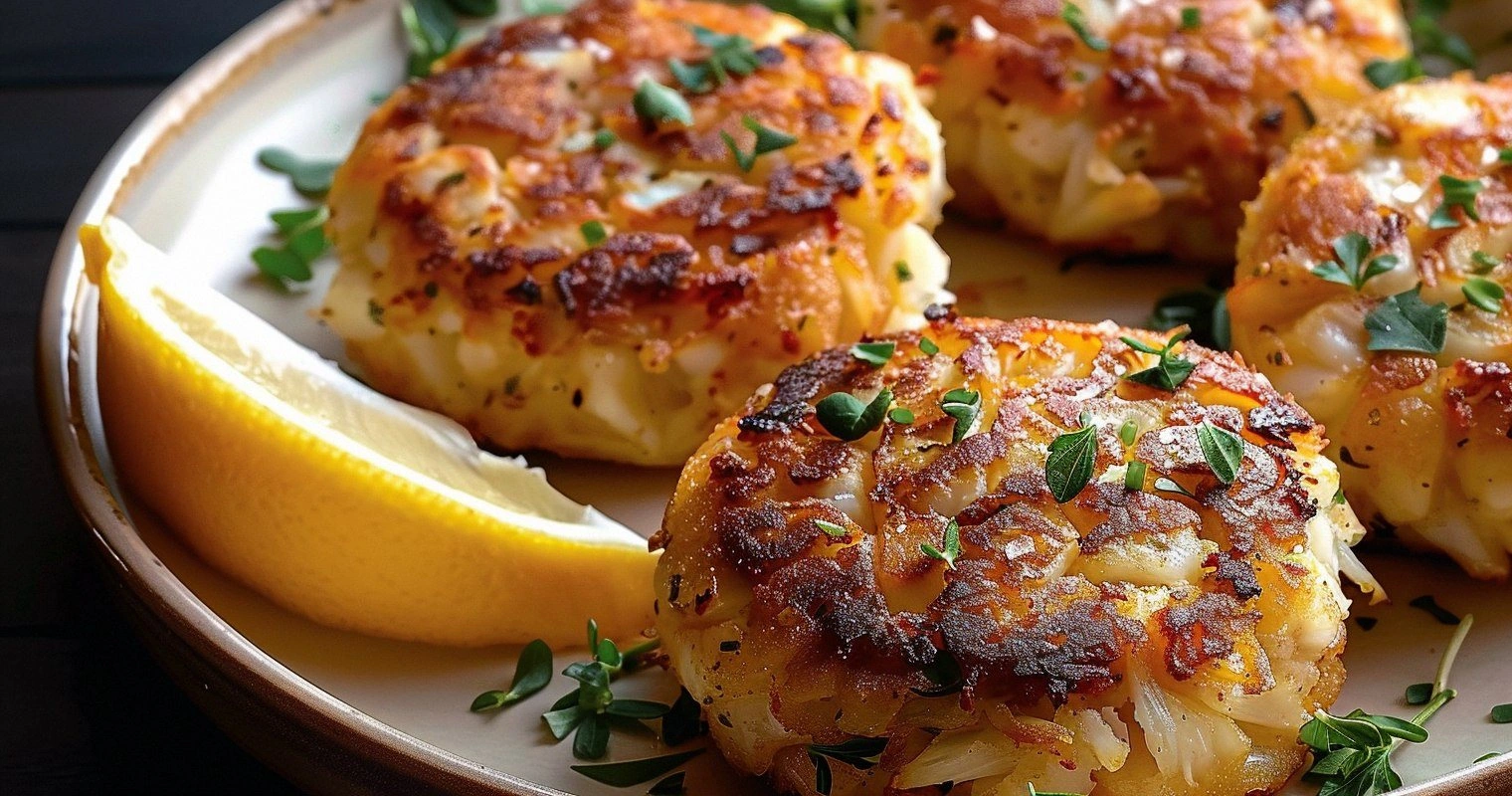
Picture this: it is a Friday night, the kind that smells like freedom and old bay, and I am standing in my kitchen with a tub of jumbo lump crabmeat that cost more than my first car payment. I had promised my skeptical Maryland-born neighbor that I could beat the crab cakes from the dockside shack we both worship, the one that wraps them in wax paper and serves them with a side of attitude. Thirty minutes later I am barefoot, hair in a bun that looks like a hostage situation, and I am flipping crab cakes that hiss like applause when they hit the cast-iron. The smell—briny, buttery, lemon-bright—slides through the house like a smooth-talking burglar. My dog is doing pirouettes by the stove, and I am muttering “stay with me, stay with me” like I am defusing a bomb instead of making dinner. Spoiler: I win the bet, but only after eating half the batch straight from the cooling rack while the neighbor is still hunting for a coaster. If you have ever dreamed of crab cakes that are 90 percent crab and 10 percent everything else, cakes that flake apart in snowy shards instead of bouncing like rubber, welcome to the rest of your life.
Most recipes get this completely wrong. They treat crab like a shy wallflower, burying it under a mountain of breadcrumbs, bell pepper confetti, and enough mayo to moisturize a small village. The result is a hockey puck that tastes like the fridge instead of the bay. I am here to flip that script. This version uses whisper-thin binders, a kiss of Dijon, and a sear so hot it sounds like summer thunder. The edges caramelize into a lacy crust that shatters like thin ice, while the inside stays a cloud of sweet, delicate meat. I dare you to taste this and not go back for seconds—actually, I dare you to share. I will be honest: I ate half the batch before anyone else got to try it, standing over the sink so I would not have to wash another plate. Future pacing moment: picture yourself pulling these out of the oven, the whole kitchen smelling like a Chesapeake sunrise, and your friends losing their minds over something you made in twenty-two minutes flat.
Okay, ready for the game-changer? We are going to chill the formed cakes for exactly twelve minutes—not ten, not fifteen—so the proteins relax and the outside dries just enough to create that coveted crunch. Skip this and you are chasing crumbs around the pan like lost marbles. Another thing: we are using saltines instead of fancy panko. Hear me out. Saltines crush into irregular shards that act like micro-planks, creating air pockets that puff and blister. It is architectural, it is nostalgic, and it is going to make you feel like a culinary rebel. Stay with me here—this is worth it. By the end you will wonder how you ever made it any other way.
What Makes This Version Stand Out
Maximum Crab, Minimum Filler: We are talking a luxurious 85 percent crab ratio. The binder is basically a polite suggestion, so every forkful tastes like you are stealing meat from a mermaid’s pantry.
The Saltine Secret: Pulverized saltines soak up less moisture than breadcrumbs, keeping the interior juicy without gumminess. Plus, they bring a whisper of childhood cracker nostalgia that makes grown adults close their eyes and sigh.
Old Bay in the Oil: Instead of mixing the spice into the cakes where it can mute the crab, we bloom it in the butter-oil swirl so the seasoning perfumes the crust without bulldozing the sweetness.
Flash-Chill Technique: Twelve minutes on a rack in the freezer firms the cakes just enough to prevent blowouts in the pan, yet keeps the center tender. Most recipes get this completely wrong and tell you to chill for an hour, turning your fridge into a crab cake morgue.
Cast-Iron Sear + Oven Finish: We start on ripping-hot cast iron for that mahogany crust, then slide the whole pan into a gentle oven so the centers heat through without turning rubbery. Your nose will know when it is time to flip—the edges will smell like buttered popcorn.
Make-Ahead Friendly: Shape the patties up to 24 hours ahead, layer between parchment, and keep them refrigerated. When guests arrive you look like a magician who can produce appetizers faster than they can open another bottle.
Alright, let us break down exactly what goes into this masterpiece...
Inside the Ingredient List
The Flavor Base
Lump crabmeat is the Beyoncé here; everything else is just backup dancers. Look for jumbo lump from blue crabs if you can swing it—it comes in gorgeous ivory chunks that separate into petals like a lazy flower. Back-fin works in a pinch, but avoid claw meat unless you want a darker, fishier vibe that screams “fishing dock at 4 a.m.” When you pick through the container, do it like a paranoid treasure hunter, feeling for bits of shell that managed to escape the packing plant. If you have ever bitten into a surprise shard at a dinner party, you know the betrayal is real.
The Texture Crew
One sleeve of saltines goes into a zip bag and gets rolled with a wine bottle until you have a mix of fine sand and pea-sized rubble. This irregular texture is crucial—those bigger pieces create micro-ledges that clutch the egg and crab juices while the fines fill gaps like grout. A single egg yolk (just the yolk, no white) acts like liquid gold, lending richness and acting as the Velcro that keeps the cake from ghosting you in the pan. A tablespoon of mayo is not for moisture; it is for insurance, adding a trace of tang and helping the cakes stay supple even if you accidentally overcook them by thirty seconds.
The Unexpected Star
Dijon mustard, but only a demure teaspoon. It is the culinary equivalent of a wink across a crowded bar—barely there, but you would miss it if it walked out. The vinegar brightens the crab’s sweetness while the mustard seeds pop like tiny caviar bombs. Skip it and the cakes taste flat, like a joke without a punchline. Add too much and you have ruined the delicate balance, turning your expensive seafood into a sandwich spread.
The Final Flourish
Lemon zest grated on a Microplane so fine it looks like neon pollen. Stir it in at the very end so the volatile oils survive. Parsley is optional; lemon is not. If you have ever wondered why restaurant crab cakes taste like sunshine, this is the covert op. A pinch of white pepper adds a gentle back-of-throat warmth that blooms thirty seconds after you swallow, the culinary equivalent of a delayed round of applause.
Everything is prepped? Good. Let us get into the real action...
The Method — Step by Step
- Dump the crab into a wide, shallow bowl so you can spot-check for shells without manhandling the meat. Using your fingers—yes, your fingers—gently lift and let the chunks fall like snowy avalanches. This aerates the meat so it does’t compact into fiberous wads later. If you find a shell, feel oddly triumphant, like you just saved your future self from dental disaster. Resist the urge to taste yet; raw crab has the personality of wet cardboard, and you want the first bite to be the seared, buttery one that changes your life.
- In a separate cereal bowl, whisk the egg yolk, mayo, Dijon, lemon zest, white pepper, and a scant 1/4 teaspoon kosher salt until it looks like sunshine custard. The mixture should ribbon off the spoon like liquid velvet; if it globs, your mayo is too cold and needs thirty seconds on the counter to relax. This is the moment of truth—taste it with the tip of your finger. It should make your tongue perk up like it just heard gossip. Too timid? Add a squeeze of lemon. Too loud? A pinch more mayo will apologize on its behalf.
- Scatter the saltine rubble over the crab, then drizzle the sunshine custard on top. Now here is the part most recipes get completely wrong: use a rubber spatula, not a spoon, and fold like you are mixing clouds. The motion is bottom-to-top, rotating the bowl a quarter turn each time, until the crumbs look evenly damp and the crab is still in proud hunks. Over-mixing equals crab cake jerky, and nobody wants to chew a meat rubber band.
- Use that 1/3-cup measure we talked about to scoop mounds onto a parchment-lined sheet pan. Gently compress each one into a puck exactly 3/4-inch thick; any taller and the centers stay chilly, any thinner and you lose the juicy middle. They should look like tiny golden hockey pucks that just got told they are beautiful. If you have ever struggled with this, you are not alone—and I have got the fix: damp hands. A quick rinse under cold water keeps the mixture from gluing to your fingers like kindergarten paste.
- Slide the whole tray into the freezer for twelve minutes. Not eleven, not thirteen. Set a timer and walk away. This flash-chill is pure magic: surface moisture evaporates, the fat in the yolk tightens, and the saltines suck up just enough liquid to act like rebar in concrete. Skip this and your cakes will slump in the pan like tired pancakes. While you wait, pour yourself something cold and feel smug about the fact that restaurant chefs do this step and never tell you.
- Preheat your oven to 400°F and place a 12-inch cast-iron skillet on the stove over medium-high heat. Add equal parts butter and neutral oil—about a tablespoon each—so the butter flavors while the oil keeps the milk solids from burning. When the foam subsides and the mixture starts to smell like hazelnut, you are ready. Do not walk away from the stove here; butter goes from tan to bitter faster than a Twitter feud.
- Lay the crab cakes in the pan with the confidence of someone placing the last piece of a jigsaw puzzle. They should sizzle instantly—if they do not, pull them back out and wait another thirty seconds. That sizzle when it hits the pan? Absolute perfection. Cook undisturbed for three minutes; the edges will start to pull away and turn toasted-almond brown. Resist poking. Resist scooting. Let the Maillard reaction do its dirty, delicious work.
- Use a thin metal spatula to flip; if the cake sticks, it is not ready—give it another twenty seconds and try again. The second side needs only two minutes because the interior is already warm from the first sear. Transfer the skillet straight into the oven for four minutes to finish. This two-stage heat is why restaurant crab cakes arrive at your table uniformly hot instead of Sahara-outside, Antarctica-inside.
- Pull the pan out and let the cakes rest on a rack for five minutes. Yes, five. They are still cooking from residual heat, and the proteins need a second to relax or they will weep like a disappointed aunt when you cut them open. During this time the crust sets into a shatteringly crisp shell that makes a sound like stepping on thin ice. If you have ever bitten into a crab cake and had the whole crust slide off like a bad toupee, skipping the rest is why.
- Serve on a warm plate with lemon wedges and nothing else—okay, maybe a little remoulade if you insist on gilding the lily. The first bite should taste like oceanic butter, bright acid, and the faintest trace of mustard heat. Close your eyes and you will swear you hear gulls and the clink of sailboat rigging. That is not hyperbole; that is just what happens when you stop trusting recipes that treat crab like canned tuna.
That is it—you did it. But hold on, I have got a few more tricks that will take this to another level...
Insider Tricks for Flawless Results
The Temperature Rule Nobody Follows
Crab meat straight from the fridge is at 35°F, egg yolk is 40°F, and your mayo is practically gelid. Mix them cold and the cakes sweat as they come up to room temp, turning your beautiful pucks into sad puddles. Let everything sit on the counter for fifteen minutes before you start. I learned this the hard way when a batch glued itself to the parchment like barnacles and I had to chisel them off with a bench scraper while muttering words my grandmother would not recognize.
Why Your Nose Knows Best
When the butter stops smelling sweet and starts smelling like toasted hazelnuts, you are in the flavor pocket. If it drifts into burnt-popcorn territory, wipe the pan with a paper towel, add fresh fat, and reheat. Your nose is more accurate than any thermometer, and it does not need batteries. A friend tried skipping this step once—let us just say it did not end well, and her kitchen smelled like a movie theater dumpster for days.
The 5-Minute Rest That Changes Everything
I already mentioned resting, but it bears repeating because it is the line between amateur and legendary. During those five minutes, starches retrograde and juices redistribute, so when you cut a cake in half it stays intact instead of bleeding out like a crime scene. If you are serving a crowd, park them on a wire rack set inside a rimmed sheet pan in a 200°F oven; the low heat keeps the crust crisp without turning the interior into tire rubber.
Creative Twists and Variations
This recipe is a playground. Here are some of my favorite ways to switch things up:
Thai Curry Crab Cakes
Swap the Dijon for a scant teaspoon of red curry paste, add a whisper of lime zest instead of lemon, and fold in a tablespoon of finely chopped cilantro stems. Serve with a coconut-lime aioli and watch people forget their own names. The sweet crab against the funky curry is like a beach vacation in your mouth.
Smoky Bacon Gilded
Fold in a tablespoon of rendered bacon fat in place of half the mayo, then press a shard of crispy bacon onto the top of each cake before searing. The fat smokes and perfumes the crust, giving you surf-and-turf without an extra pan. I serve these at brunch with a runny egg on top and call it “Crab Cake Benedict, but Make It Fashion.”
Mini Appetizer Coins
Use a tablespoon measure to shape silver-dollar cakes; reduce oven time to two minutes. Pile them on a platter with a bowl of spicy remoulade and let people skewer them like hors d’oeuvres. They disappear faster than gossip at a family reunion.
Spicy Creole Kick
Add a pinch of cayenne and a few drops of hot sauce to the binder, then serve on a bed of shredded lettuce with a slice of ripe tomato and a dollop of comeback sauce. It is like a crab cake po’ boy got a graduate degree.
California Roll Style
Fold in a teaspoon of minced pickled ginger and a strip of avocado pressed into the center of each cake. Top with a drizzle of sriracha-mayo and a sprinkle of toasted sesame seeds. Sushi purists will clutch their pearls, but everyone else will beg for the recipe.
Breakfast Buddy
Shape the mixture into two-inch patties and sear them in bacon fat, then sandwich inside a toasted English muffin with a slice of tomato and a fried egg. Brunch menus charge eighteen bucks for this; you will know the secret is just yesterday’s crab cakes reborn.
Storing and Bringing It Back to Life
Fridge Storage
Place cooled cakes in an airtight container with parchment between layers; they will keep three days. To reheat, set them on a wire rack over a baking sheet in a 300°F oven for eight minutes. Add a tiny splash of water to the pan before closing the door—the steam revives the interior without softening the crust. Microwaves are banned; they turn the texture into something a cat would not recognize.
Freezer Friendly
Flash-freeze uncooked cakes on a tray until solid, then vacuum-seal or wrap tightly in plastic and foil. They keep two months. Cook from frozen by adding two extra minutes to the oven finish; no need to thaw. I keep a stash for emergency dinner parties and let people believe I am a wizard who conjures fresh crab on command.
Best Reheating Method
Skillet revival: heat a dry nonstick pan over medium, add cakes, cover with a lid for three minutes to steam, then remove the lid and let the bottoms recrisp. The lid traps just enough moisture to re-steam without turning the crust soggy. It is like a miniature sauna that ends with a sizzle.