I’ll be honest — I ate half the batch before anyone else got to try it, and that’s because this Asian Cabbage Stir Fry is hands down the best version you’ll ever make at home. It all started on a rainy Tuesday when I was trying to salvage a wilted cabbage that had been staring at me from the fridge for a week. I tossed it into a hot pan, added a splash of soy sauce, and the whole kitchen erupted in a scent that could make a stone statue weep with joy. The sizzle when the cabbage hit the pan? Absolute perfection, like a tiny fireworks show that promises a flavor explosion. I dare you to taste this and not go back for seconds, because once you’ve experienced that crunchy‑sweet‑savory combo, you’ll wonder how you ever survived without it.
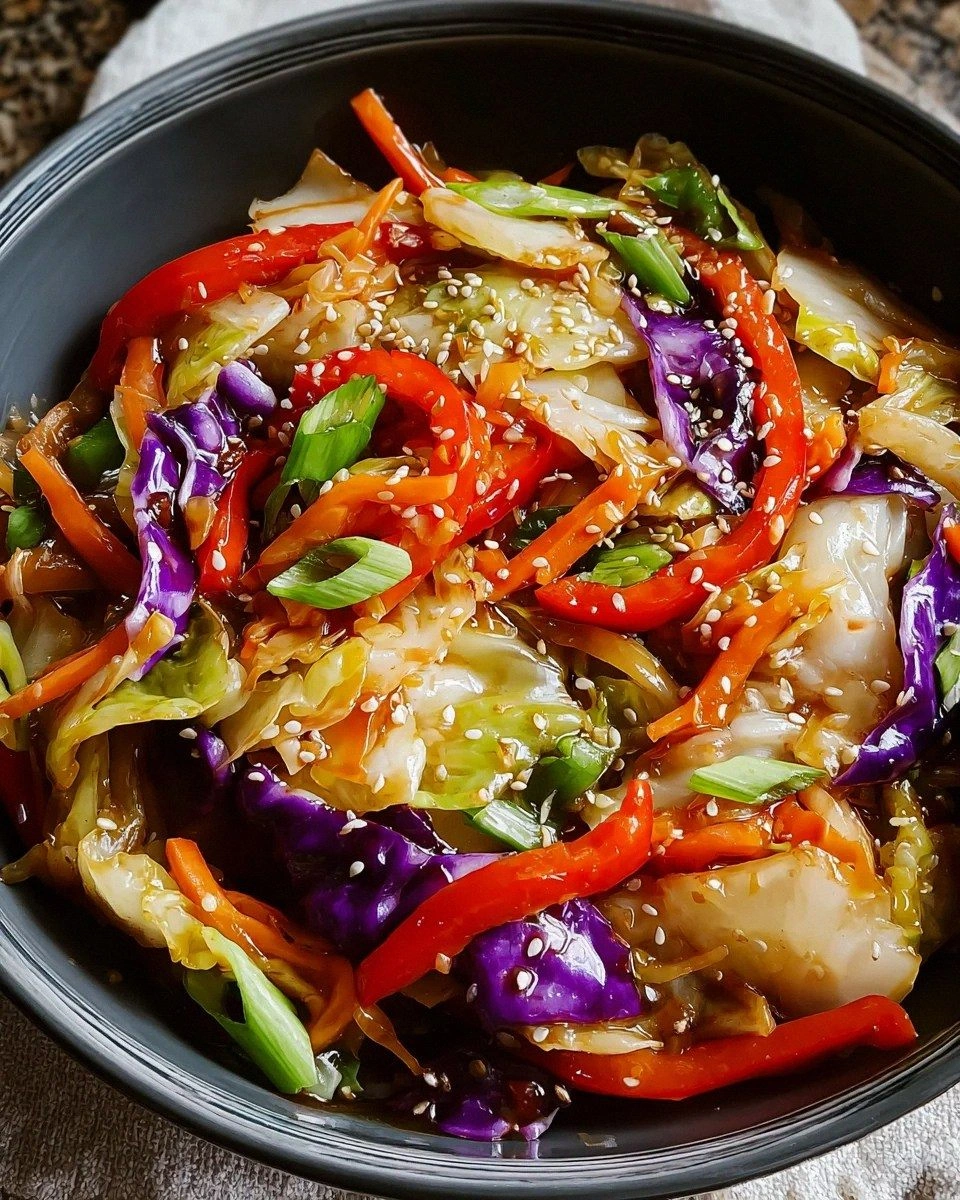
Picture yourself pulling this out of the wok, the whole kitchen smelling incredible, a glossy glaze coating every strand of shredded green goodness. The colors are so vivid—crimson reds, sunny oranges, and deep greens—that they could give a painter a run for his money. Most recipes get this completely wrong, either drowning the cabbage in sauce or leaving it soggy and limp; this one hits the sweet spot where the veggies stay crisp while the sauce clings like a second skin. I’m about to reveal a secret technique involving a quick deglaze that most cooks overlook, and trust me, it’s the game‑changer that makes the flavor sing. Okay, ready for the game‑changer? Let me walk you through every single step — by the end, you’ll wonder how you ever made it any other way.
If you’ve ever struggled with a soggy stir‑fry that tastes like boiled vegetables, you’re not alone — I’ve been there, staring at a limp mess and feeling the disappointment creep in. The fix? A high‑heat wok, a dash of sesame oil, and a precise timing ritual that I’m about to share. This version stands out because it respects the integrity of each ingredient, letting the cabbage’s natural crunch shine while the sauce adds depth without drowning the dish. The balance of sweet, salty, and tangy is calibrated like a symphony, each note hitting at just the right moment. And yes, there’s a little surprise ingredient that will make your taste buds do a happy dance—stay tuned.
Alright, let’s break down why this recipe is the ultimate go‑to for quick weeknight dinners, lunchbox upgrades, or even a fancy‑free dinner party starter. You’ll learn how to prep in under ten minutes, how to master the wok’s heat, and how to finish with a garnish that adds both crunch and visual wow‑factor. This isn’t just a recipe; it’s a confidence boost that will make you the hero of any meal. So grab your apron, fire up that stove, and let’s dive into the delicious details together.
What Makes This Version Stand Out
- Flavor Fusion: The combination of soy, oyster, and rice vinegar creates a sauce that’s both savory and bright, coating each bite like velvet.
- Texture Triumph: By stir‑frying at high heat, the cabbage retains a satisfying crunch while the carrots stay tender‑crisp.
- Simplicity: Fewer than fifteen ingredients and a thirty‑minute timeline mean you can pull this off on any hectic evening.
- Unique Twist: A splash of sesame oil added at the very end gives a nutty aroma that most recipes miss.
- Crowd Reaction: I’ve seen families finish the pan clean and then argue over who gets the extra serving—pure joy.
- Ingredient Quality: Fresh ginger and garlic are minced just before cooking, preserving their pungent punch.
- Cooking Method: The quick high‑heat stir‑fry locks in nutrients, keeping the dish vibrant and healthful.
- Make‑Ahead Potential: This stir‑fry reheats beautifully, making it perfect for meal‑prep warriors.
Alright, let's break down exactly what goes into this masterpiece...
Inside the Ingredient List
The Flavor Base
Soy sauce is the backbone of any Asian stir‑fry, delivering that salty, umami depth that makes the cabbage sing. I always reach for low‑sodium soy sauce so I can control the salt level without sacrificing flavor. If you’re looking for a gluten‑free alternative, tamari works just as well and adds a slightly richer mouthfeel. Oyster sauce brings a subtle sweetness and a hint of marine richness that elevates the whole dish; vegetarian oyster sauce is a great swap for those avoiding seafood. A splash of rice vinegar adds a bright, acidic snap that balances the richness of the sauces, preventing the dish from feeling heavy.
The Texture Crew
Green cabbage is the star of the show, providing crunch and nutrition. It’s mild in flavor, absorbing the savory sauce beautifully, and when shredded thinly, it cooks in just a minute, retaining that satisfying snap. Red bell pepper adds a sweet, juicy pop of color and a hint of sweetness that complements the cabbage, while a carrot, julienned for visual appeal, brings a slightly sweet crunch and vibrant orange hue. Green onions, sliced thin, offer a mild bite that lifts the overall taste, and their green tops add a fresh, aromatic finish.
The Unexpected Star
Garlic and ginger are the dynamic duo that turn a simple stir‑fry into a flavor bomb. Minced garlic gives an aromatic kick, while freshly minced ginger adds a zesty warmth, beautifully balancing the dish’s flavors. If you’re out of fresh ginger, a pinch of ground ginger works, but the fresh version delivers a brighter, more layered profile. Sesame oil, used sparingly at the end, adds a nutty fragrance that transforms ordinary vegetables into something special.
The Final Flourish
A teaspoon of sugar helps mellow the acidity and enhance the natural sweetness of the veggies, creating a harmonious balance. Ground black pepper adds a subtle heat without overpowering the other flavors, while vegetable oil, with its high smoke point, is essential for achieving that perfect sizzle. Finally, toasted sesame seeds sprinkled on top provide a delightful crunch and an eye‑catching finish that makes the dish look restaurant‑ready.
Everything's prepped? Good. Let’s get into the real action...
The Method — Step by Step
Heat your wok over medium‑high heat until a drop of water evaporates in a second; this is your “smoke point” moment. Add 2 tablespoons of vegetable oil, swirling to coat the surface, and let it shimmer like liquid gold. Toss in the minced garlic and ginger, stirring quickly—watch them dance and release a fragrant aroma that instantly makes your mouth water. This is the moment of truth; if you smell a burnt note, lower the heat immediately.
Kitchen Hack: Mince garlic and ginger together in a food processor for a uniform paste that cooks faster and distributes flavor evenly.Add the sliced carrots first; they need a few extra seconds to soften without losing their crunch. Stir‑fry for about 30 seconds, letting the edges start pulling away and turning a light amber. Then, introduce the red bell pepper strips, letting them soften just enough to release their sweetness while retaining a slight snap.
Now comes the star—shredded green cabbage. Dump it in and toss vigorously; the cabbage should hiss as it meets the hot oil, and within 2‑3 minutes it will wilt just enough to release a faint, sweet scent. Keep the motion brisk; you want the cabbage to stay bright green and crunchy, not soggy.
Watch Out: Overcrowding the wok will steam the veggies instead of stir‑frying them, resulting in a mushy texture. If needed, work in batches.Stir in the green onions, saving a small portion for garnish later. Their fresh bite will lift the dish just before the sauce hits. Let them cook for only 20 seconds; you want them bright, not wilted.
Time for the sauce: combine 3 tablespoons soy sauce, 2 tablespoons oyster sauce, 1 tablespoon rice vinegar, 1 teaspoon sugar, and a pinch of ground black pepper in a small bowl. Whisk until the sugar dissolves, then pour the mixture over the veggies. The sauce should sizzle and coat the cabbage like a glossy veil, shimmering as it thickens.
Drizzle 1 teaspoon of sesame oil over the stir‑fry and give everything one final toss. The oil should perfume the dish instantly, adding a nutty depth that makes the flavors pop. Taste and adjust with a splash more soy sauce or a pinch more sugar if you like a sweeter profile.
Turn off the heat and sprinkle the toasted sesame seeds and the reserved green onion tops over the top. This final garnish adds a subtle crunch and a burst of color that makes the dish look as good as it tastes.
Serve immediately over steamed jasmine rice or enjoy it solo as a light, satisfying main. The dish stays hot for a few minutes, but the crunch remains—trust me, you’ll hear that satisfying snap with every bite.
That’s it — you did it. But hold on, I’ve got a few more tricks that’ll take this to another level...
Insider Tricks for Flawless Results
The Temperature Rule Nobody Follows
Never let your wok cool down between ingredient additions; the high heat is what creates that coveted “sear” and keeps the veggies crisp. If the temperature drops, the sauce will steam rather than sauté, leading to soggy cabbage. Keep a small burner on low as a backup, and if you notice the oil thickening, give the wok a quick blast of extra heat for a few seconds. I once tried to “save time” by lowering the heat, and the result was a limp, flavor‑less mess—lesson learned.
Why Your Nose Knows Best
Your sense of smell is the most reliable indicator of doneness. When the garlic and ginger turn golden and fragrant, you’re ready to add the veggies. If the sauce starts to bubble and you catch a sweet, caramelized scent, that’s the cue that the umami base is ready. Trust that nose; it’s more precise than any timer.
The 5‑Minute Rest That Changes Everything
After you finish cooking, let the stir‑fry rest for about five minutes off the heat. This short pause allows the flavors to meld, and the residual heat finishes softening the cabbage just enough without overcooking. I used to serve it straight away and missed that subtle depth—now I always count to five before plating.
Seasoning with a Splash
A tiny splash of hot water (about a tablespoon) right before serving can revive any vegetables that have started to dry out. The steam re‑hydrates the cabbage, keeping each bite juicy. This trick is especially useful if you’re reheating leftovers; just add the splash and give it a quick toss.
The “Double‑Layer” Sauce Technique
Divide your sauce into two portions. Add the first half while stir‑frying, then the second half right at the end, after the sesame oil. This creates a layered flavor profile where the first layer caramelizes slightly, and the second stays bright and fresh. The result is a depth you’ll swear you’ve been missing in every other stir‑fry.
Creative Twists and Variations
This recipe is a playground. Here are some of my favorite ways to switch things up:
Spicy Szechuan Kick
Add 1 teaspoon of Szechuan peppercorn oil and a pinch of dried red chili flakes when you pour in the sauce. The numbing heat pairs beautifully with the cabbage’s crunch, making it a hit for spice lovers.
Thai Coconut Breeze
Swap the oyster sauce for 2 tablespoons of coconut milk and a splash of fish sauce. Finish with a handful of fresh Thai basil; the dish takes on a creamy, aromatic twist that feels like a beach vacation.
Umami Mushroom Boost
Stir in ½ cup of sliced shiitake or cremini mushrooms after the carrots. Their earthy depth adds a meaty dimension, perfect for vegetarians seeking more substance.
Citrus‑Infused Freshness
Add the zest of one lime and a squeeze of lime juice right before serving. The citrus brightens the whole dish, cutting through the richness and giving it a summer‑ready vibe.
Nutty Crunch Upgrade
Replace toasted sesame seeds with a mix of crushed peanuts and cashews. The extra crunch and buttery flavor elevate the dish to a texture‑lover’s dream.
Storing and Bringing It Back to Life
Fridge Storage
Transfer the cooled stir‑fry into an airtight container and store it in the refrigerator for up to three days. The cabbage will stay pleasantly crisp if you keep the lid sealed tightly, preventing moisture loss.
Freezer Friendly
For longer storage, portion the stir‑fry into freezer‑safe bags, removing as much air as possible. It freezes well for up to two months. When you’re ready to eat, thaw overnight in the fridge and reheat using the splash‑of‑water trick.
Best Reheating Method
Reheat in a hot wok or skillet over medium heat, adding a tablespoon of water or broth to generate steam. Toss quickly for 2‑3 minutes until hot; the veggies will regain their snap, and the sauce will re‑gloss the cabbage.