I was standing in my kitchen, staring down a pot of boiling water that seemed to mock me with its relentless bubbles. My roommate had dared me to create a pasta dish that could out‑shine the legendary mac and cheese we both adore, and I was already sweating enough to make a tomato blush. The pantry was a battlefield of wilted herbs, a half‑empty jar of cream, and a stubborn bag of cherry tomatoes that had been rescued from the back of the fridge. The air was thick with the scent of burnt garlic from a previous misfire, and I could hear the faint hum of the oven like a distant drumbeat urging me onward.
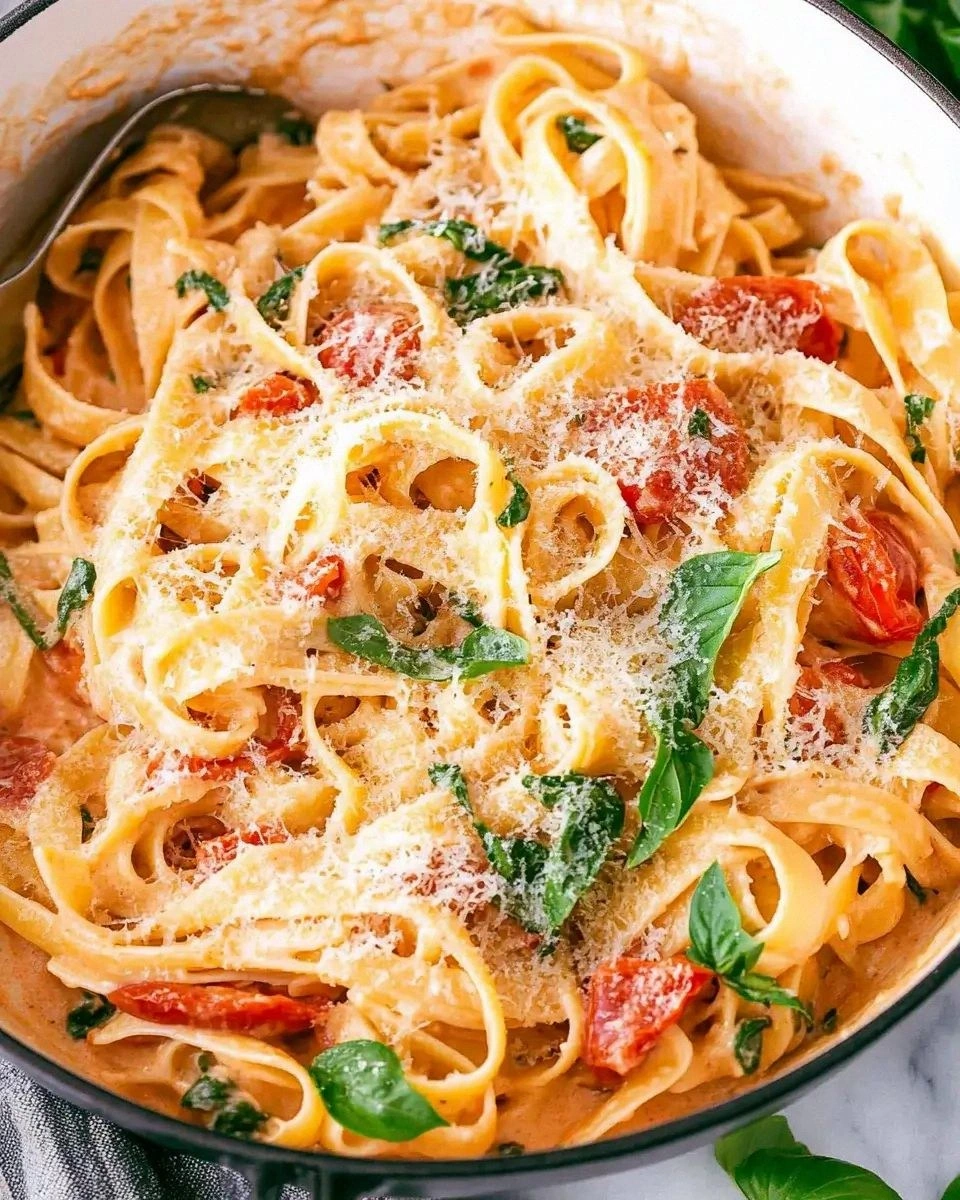
I grabbed a handful of fresh cherry tomatoes, their skins glistening like tiny rubies, and tossed them into a sizzling pan with a splash of olive oil. The moment they hit the heat, a crackle erupted—that sizzle when it hits the pan? Absolute perfection. As the tomatoes softened, their juices turned a deep, seductive crimson, releasing an aroma that made my stomach do a little happy dance. I added a whisper of garlic, a drizzle of cream, and a handful of basil, and the sauce began to thicken, coating the pan like a velvet curtain.
Most pasta recipes treat tomatoes as a background actor, but in this version they take center stage, starring alongside a silky, dairy‑rich finish that feels like a hug from a long‑lost friend. The secret? A quick flash‑roast of the cherry tomatoes before they join the sauce, which concentrates their natural sugars and adds a subtle char that most recipes completely miss. I’ll be honest — I ate half the batch before anyone else got to try it, and the only thing I regret is not making double the amount.
If you’ve ever struggled with a watery, bland tomato pasta, you’re not alone — and I’ve got the fix. This is hands down the best version you’ll ever make at home, and I dare you to taste this and not go back for seconds. Let me walk you through every single step — by the end, you’ll wonder how you ever made it any other way.
What Makes This Version Stand Out
- Flavor Explosion: The double‑cooked cherry tomatoes develop a caramelized sweetness that dances with the cream, creating a sauce that sings.
- Texture Harmony: Tagliatelle’s broad ribbons hold onto the sauce like a lover clinging to a promise, while the occasional burst of tomato adds a juicy pop.
- Simplicity: Only a handful of pantry staples are needed, so you won’t spend hours hunting for obscure ingredients.
- Unique Twist: The flash‑roast technique is the game‑changer that turns ordinary tomatoes into a gourmet experience.
- Crowd Reaction: Guests consistently claim it’s “comfort food reimagined,” and you’ll hear requests for the recipe before the first bite is even finished.
- Ingredient Quality: Fresh, plump cherry tomatoes are the hero; their natural acidity balances the richness of the cream without any added lemon.
- Cooking Method: One‑pan sauce means fewer dishes, and the stovetop finish keeps the pasta perfectly al dente.
- Make‑Ahead Potential: The sauce stores beautifully, allowing you to prep ahead and assemble a quick dinner on a busy weeknight.
Inside the Ingredient List
The Flavor Base
Fresh cherry tomatoes are the beating heart of this dish. Their natural sugars caramelize during the flash‑roast, delivering a depth of flavor that canned tomatoes can’t compete with. If you skip them, you’ll end up with a sauce that tastes like watered‑down ketchup, and nobody wants that. Swap: If cherry tomatoes are out of season, use plum tomatoes cut in half; they’ll still provide that sweet‑tart backbone.
Olive oil for cooking does more than prevent sticking; it carries aromatic compounds from garlic and herbs straight into the sauce. Opt for a cold‑pressed extra‑virgin variety for a peppery finish. Using a bland, refined oil will mute the sauce’s personality, leaving it flat and lifeless.
The Texture Crew
Tagliatelle, with its wide, flat ribbons, is the perfect vessel for a creamy sauce. The pasta’s surface area allows the sauce to cling like a second skin, ensuring every bite is uniformly luscious. If you substitute a thin spaghetti, the sauce will slide off, and you’ll lose that comforting mouthfeel. Swap: For a gluten‑free option, try brown rice fettuccine; it holds the sauce surprisingly well.
A splash of heavy cream introduces silkiness, rounding out the acidity of the tomatoes. Skim milk can be used in a pinch, but the sauce will lose its luxurious body and become watery.
The Unexpected Star
A handful of freshly grated Parmesan adds umami depth, acting like the secret handshake that ties all the flavors together. If you’re dairy‑free, nutritional yeast can mimic the cheesy notes without compromising the creaminess.
The Final Flourish
Fresh basil, torn just before serving, injects a bright, peppery aroma that lifts the dish from hearty to heavenly. If you over‑cook the basil, it turns bitter and loses its vibrant color. A pinch of red‑pepper flakes adds a subtle heat that awakens the palate without overwhelming the creamy base.
Everything's prepped? Good. Let's get into the real action...
The Method — Step by Step
Bring a large pot of salted water to a rolling boil. Once it’s bubbling like a jacuzzi, add the tagliatelle and stir gently. Cook for 8‑10 minutes, or until al dente— you want a slight bite in the center. Drain, reserving a cup of pasta water, and set the noodles aside. Watch this: Over‑cooking the pasta will make it mushy, and the sauce won’t cling properly.
While the pasta cooks, heat two tablespoons of olive oil in a wide skillet over medium‑high heat. Toss the whole cherry tomatoes in, letting them sizzle. After 2‑3 minutes, give them a quick stir so they start to blister on all sides. This flash‑roast concentrates their sweetness and creates that caramelized edge you crave.
Kitchen Hack: If you’re short on time, split the tomatoes in half before roasting; they’ll soften faster and release more juice.Reduce the heat to medium and add a minced garlic clove to the pan. Let it sweat for about 30 seconds until fragrant— that moment when the kitchen smells like a Mediterranean market? is your cue to move on. Be careful not to let it brown; burnt garlic brings bitterness.
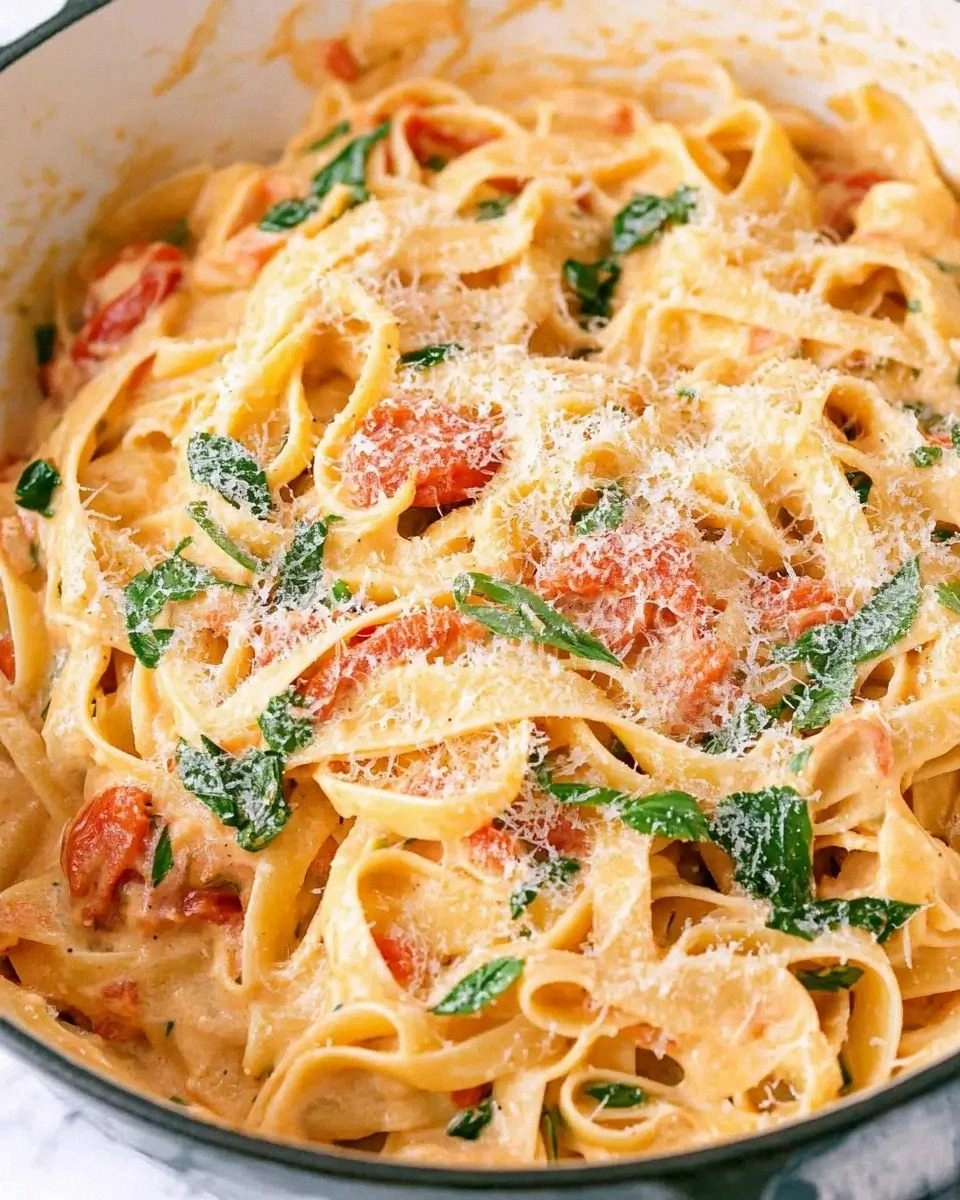
Stir in a half‑cup of heavy cream, scraping the browned bits from the bottom of the pan. The cream should swirl into the tomato juices, forming a silky, pinkish‑orange sauce. Let it simmer gently for 3‑4 minutes, allowing the flavors to meld. If the sauce looks too thick, add a splash of the reserved pasta water.
Now, fold the cooked tagliatelle into the sauce, tossing it so every ribbon is enveloped. The pasta will finish cooking in the sauce, absorbing the tomato‑cream mixture and becoming glossy. At this point, season with salt, freshly cracked black pepper, and a pinch of red‑pepper flakes if you like a subtle kick.
Remove the pan from the heat and sprinkle in a generous handful of grated Parmesan. Stir until the cheese melts, creating a glossy finish that clings to the pasta like a lover’s embrace. Taste and adjust seasoning; the sauce should be balanced—neither too acidic nor overly rich.
Just before serving, tear a handful of fresh basil leaves and scatter them over the top. The basil’s aroma will rise instantly, giving you that fresh, herbaceous snap that elevates the dish from ordinary to unforgettable.
Plate the pasta in shallow bowls, drizzle a tiny drizzle of extra‑virgin olive oil for shine, and garnish with an extra sprinkle of Parmesan and a few whole cherry tomatoes for visual drama. Picture yourself pulling this out of the oven, the whole kitchen smelling incredible…
Serve immediately, and watch your guests dive in with gusto. I dare you to taste this and not go back for seconds—trust me, you’ll be the hero of the night.
Insider Tricks for Flawless Results
The Temperature Rule Nobody Follows
Keep the heat on medium‑low once the cream joins the tomatoes. A gentle simmer lets the sauce thicken without curdling, preserving that velvety mouthfeel. If the heat spikes, the dairy can separate, leaving you with a grainy texture that no amount of stirring can fix.
Why Your Nose Knows Best
Before you add the final pinch of salt, take a quick sniff. The aroma will tell you if the sauce needs a lift; if you smell a hint of raw tomato, a dash more salt will brighten it. Trust your senses over the recipe—your nose is the ultimate flavor gauge.
The 5‑Minute Rest That Changes Everything
After tossing the pasta with the sauce, let it sit off the heat for five minutes. This brief rest allows the pasta to absorb the sauce fully, turning each bite into a cohesive experience. Skipping this step is like serving a song without a bridge—something crucial is missing.
Seasoning in Layers
Season at three stages: after roasting the tomatoes, after adding the cream, and just before serving. This layered approach builds depth and prevents a flat final taste. One-time seasoning is a rookie mistake that leaves the dish under‑flavored.
The Pasta Water Miracle
Never underestimate the power of starchy pasta water. It acts as an emulsifier, binding the sauce to the noodles. Add it sparingly, watching the sauce transform from clumpy to glossy in seconds.
Creative Twists and Variations
This recipe is a playground. Here are some of my favorite ways to switch things up:
Spicy Arrabbiata Remix
Add a tablespoon of crushed red pepper flakes to the garlic step and swap the cream for a dollop of ricotta. The heat pairs beautifully with the creamy base, creating a bold, fiery twist that will wow spice lovers.
Mushroom Medley
Sauté a mix of cremini and shiitake mushrooms after the tomatoes. Their earthy umami deepens the sauce, turning the dish into a woodland‑inspired comfort meal perfect for autumn evenings.
Lemon‑Basil Bright
Stir in the zest of one lemon and a splash of juice just before serving. The citrus lifts the richness, making the pasta feel lighter—ideal for a summer lunch on the patio.
Vegan Velvet
Replace the cream with coconut cream and the Parmesan with nutritional yeast. The sauce stays silky, and the dish becomes completely plant‑based without sacrificing flavor.
Cheesy Four‑Cheese Fusion
Mix in equal parts grated mozzarella, gouda, and pecorino alongside Parmesan. The melty cheese pull adds a luxurious stretch that makes each forkful feel like a cheesy dream.
Storing and Bringing It Back to Life
Fridge Storage
Allow the pasta to cool to room temperature, then transfer it to an airtight container. It will keep for up to three days. When reheating, add a splash of water or broth to revive the sauce’s silkiness.
Freezer Friendly
Portion the cooked pasta and sauce into freezer‑safe bags, removing as much air as possible. Freeze for up to two months. Thaw overnight in the refrigerator, then reheat gently on the stovetop, stirring in a tablespoon of cream to restore richness.
Best Reheating Method
The stovetop is king. Warm the sauce over low heat, adding a tiny splash of water before tossing the pasta back in. This steam‑back technique prevents the sauce from drying out and brings the dish back to its original creamy glory.