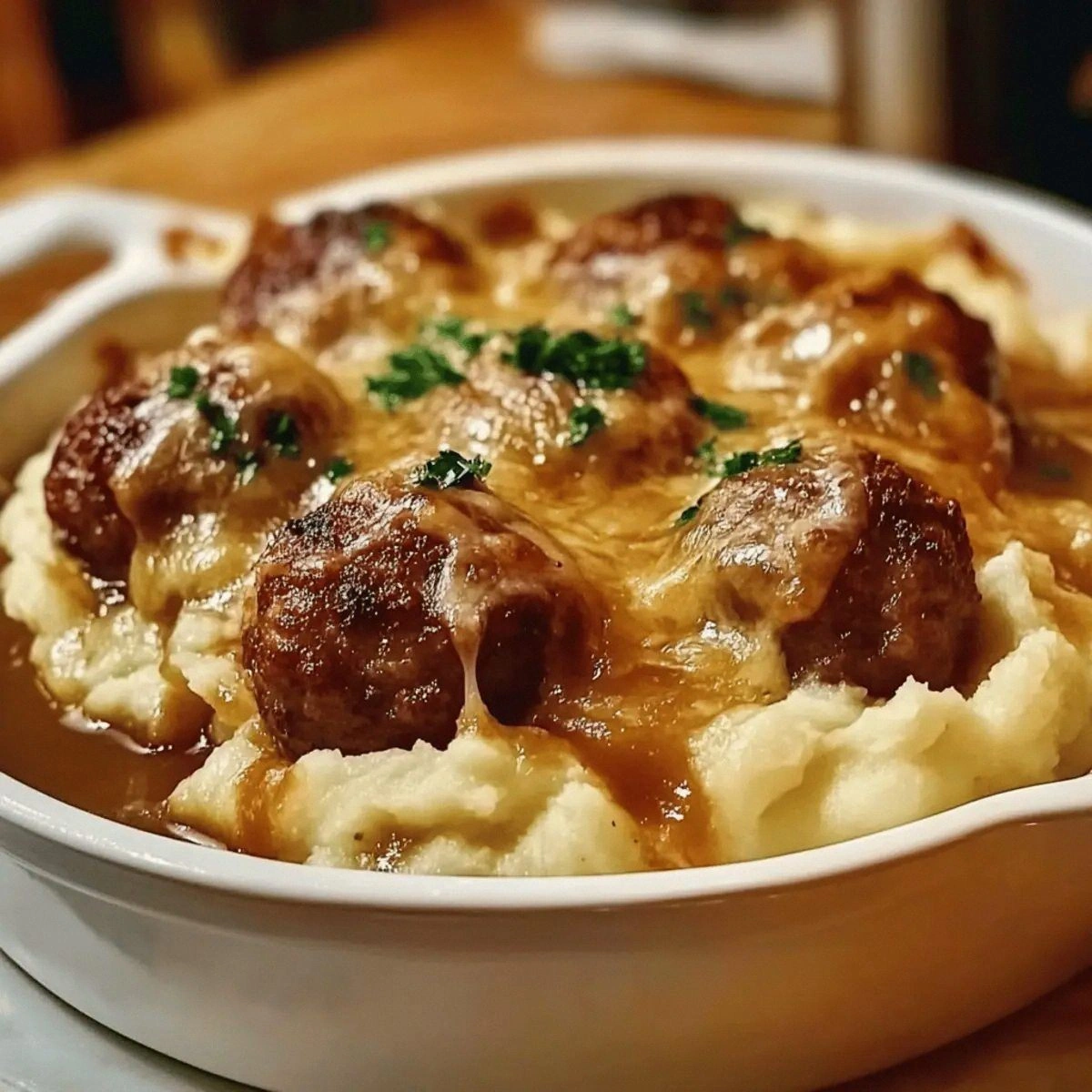
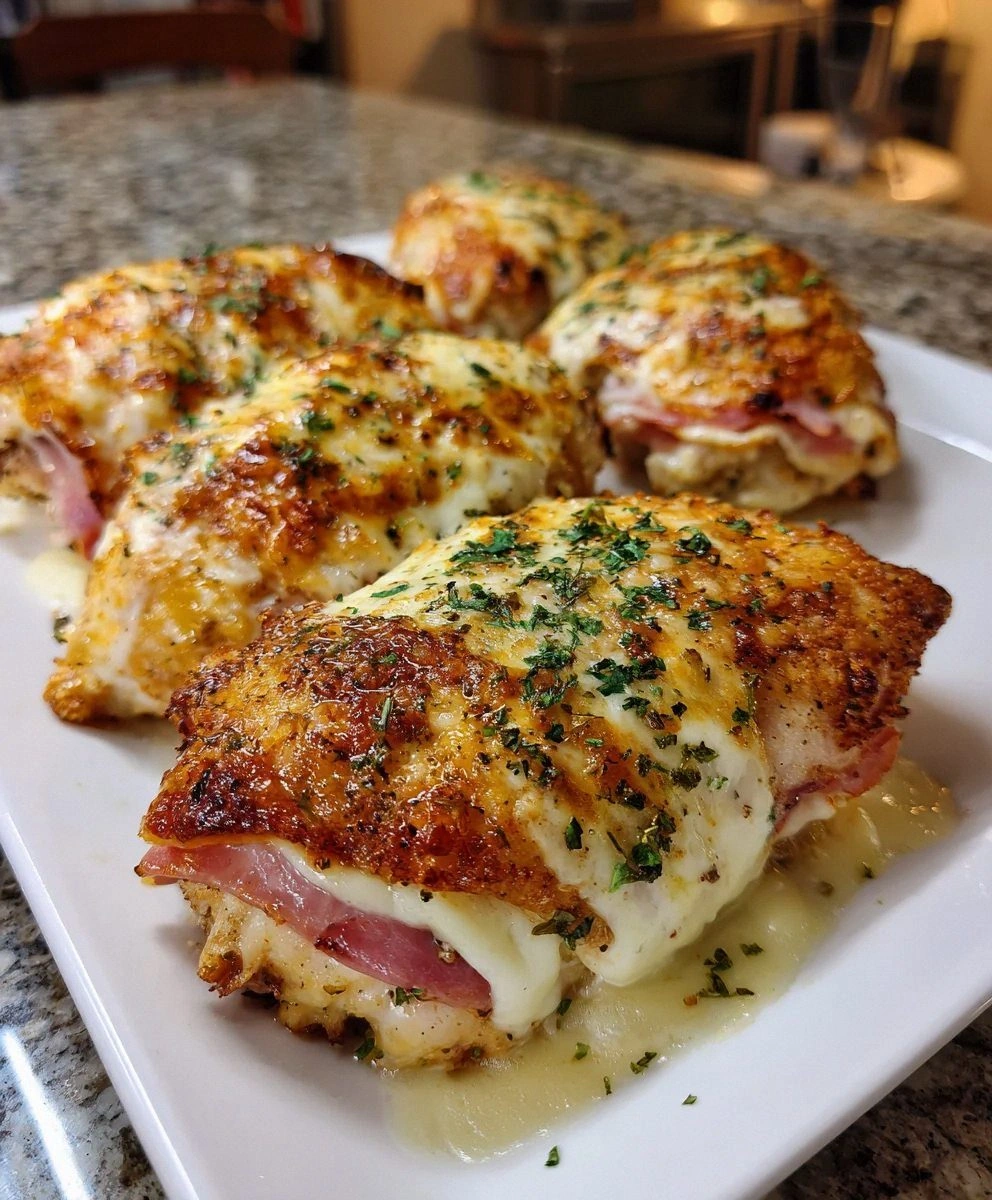
I still remember the first time I attempted chicken cordon bleu in my tiny college apartment kitchen. The chicken was dry, the cheese had mysteriously vanished into some culinary black hole, and I ended up with a plate of ham-stuffed disappointment that even my roommate's dog side-eyed. Fast forward ten years, and after what feels like a hundred iterations, I've cracked the code to what might be the most luxurious, creamy version of this classic you'll ever make at home. Picture this: tender chicken breasts wrapped around molten Swiss cheese and savory ham, all nestled in a golden panko crust that shatters like autumn leaves under your fork, then drowned in a silky cream sauce that makes you want to lick the plate clean in front of company.
What makes this version different? Instead of the traditional dry, breaded roll that most recipes produce, we're creating a pocket-stuffed masterpiece that stays unbelievably juicy. The secret lies in a technique I stumbled upon during a particularly ambitious Sunday cooking session — instead of rolling and toothpicking (which always ends in disaster), we're butterflying and stuffing, then bathing everything in a Parmesan cream sauce that would make a French chef weep with joy. I dare you to taste this and not go back for seconds, even when you're so full you need to unbutton your pants. The combination of crispy edges, creamy interior, and that rich sauce creates a textural symphony that'll ruin all other chicken dishes for you forever.
Most recipes get this completely wrong by treating cordon bleu like some delicate, finicky dish that requires culinary school training. Wrong! This is comfort food at its finest, and I'm going to show you how to nail it every single time, even on a Tuesday night when you're exhausted and the kids are hangry. The aroma alone — that buttery, garlicky, slightly nutty perfume that fills your kitchen — is worth the price of admission. Picture yourself pulling this out of the oven, the whole kitchen smelling like a Parisian bistro, your family suddenly appearing as if summoned by some invisible dinner bell.
Okay, ready for the game-changer? Instead of the traditional breadcrumb coating, we're using panko mixed with just a touch of grated Parmesan, which creates these incredible crispy bits that stay crunchy even under the cream sauce. Plus, I'll share my foolproof method for ensuring the cheese stays inside (not disappearing into the oven abyss), and the temperature trick that guarantees juicy chicken every time. Let me walk you through every single step — by the end, you'll wonder how you ever made it any other way.
What Makes This Version Stand Out
This isn't your grandmother's dry, stringy cordon bleu that requires a gallon of water to wash down. No, this is the kind of dish that makes people close their eyes and sigh dramatically after the first bite. The difference lies in the details — and trust me, I've tested every possible variation to bring you only what actually matters.
- Juicy Guarantee: The combination of butterflying technique and precise temperature control means you'll never suffer through dry chicken again. The meat stays so tender that your knife will glide through like it's cutting butter, releasing a river of melted cheese that mingles with the cream sauce in pure harmony.
- Sauce Integration: Most recipes treat the sauce as an afterthought, but here it's the star that brings everything together. The Dijon-spiked cream sauce doesn't just sit on top — it seeps into every crevice, creating a cohesive dish where every element talks to each other in perfect culinary conversation.
- Crunch That Lasts: Thanks to our panko-Parmesan coating technique, the exterior stays crispy even after being crowned with sauce. You get that satisfying textural contrast in every bite — creamy, cheesy interior meets shatteringly crisp exterior that holds its ground.
- Cheese Security System: My folding method creates a natural seal that keeps the Swiss cheese exactly where it belongs — inside the chicken, not melted all over your baking sheet like some kind of dairy crime scene. No more crying over lost cheese.
- One-Pan Wonder: Despite tasting like a restaurant dish, this entire masterpiece comes together in a single skillet. Less dishes means more time for the important things, like eating three portions while telling yourself you'll start that diet tomorrow.
- Make-Ahead Magic: You can prep these beauties up to the breading stage, then freeze them for up to three months. Having a dinner party? Make them in the morning, refrigerate, then just pop them in the oven when guests arrive. You'll look like a culinary genius with minimal effort.
Alright, let's break down exactly what goes into this masterpiece — and why each ingredient matters more than you think.
Inside the Ingredient List
Every ingredient in this dish pulls its weight, and understanding why each one matters will transform you from a recipe follower into a kitchen maestro. Let me break down the cast of characters that make this show possible.
The Foundation Players
Chicken breasts are obviously the star, but here's what nobody tells you — size absolutely matters. You want them plump and even, about 6-8 ounces each, because skimpy breasts will dry out faster than your mouth during a job interview. Look for ones that are roughly the same thickness throughout; those bizarrely shaped ones with thin tapered ends will cook unevenly and leave you with half raw, half shoe leather. If you can only find the weird ones, don't panic — just pound them to an even thickness and you'll be golden.
Swiss cheese brings that nutty, slightly sweet flavor that makes cordon bleu taste like cordon bleu, but here's the insider tip — don't grab the pre-sliced rubbery stuff from the dairy case. Hit up the deli counter and ask for it sliced right off the block, or better yet, buy a chunk and slice it yourself. The difference in flavor is like comparing a fresh garden tomato to those mealy pink excuses they serve in winter. If Swiss isn't your jam, Gruyère will give you a sharper, more sophisticated edge that makes grown adults make embarrassing happy noises.
Cooked ham adds that savory depth that makes this dish feel special, but don't feel married to traditional ham. I've made incredible versions with prosciutto for a more refined touch, or even smoked turkey for those avoiding pork. The key is getting something with real flavor — those water-packed deli slices have all the personality of wet cardboard. Ask for thick slices (about 1/8 inch) so they don't disappear during cooking.
The Texture Team
Panko breadcrumbs are your ticket to crunch city, and once you try them, you'll never go back to regular breadcrumbs. These Japanese-style crumbs are larger and flakier, creating these incredible crispy pockets that stay crunchy longer. Here's what most recipes miss — toast them lightly in a dry pan first until they're golden and smell like heaven. This extra step gives you a deeper flavor and ensures they brown beautifully in the oven.
All-purpose flour might seem boring, but it's the glue that holds our crispy coating together. The flour creates a dry surface for the egg wash to grab onto, which then grabs the breadcrumbs. Skip this step and watch your beautiful coating slide off like it's trying to escape. Season your flour with salt and pepper — every layer should taste good, not just the final product.
Eggs are the binding agent that makes the magic happen, but here's a trick — add a splash of water to your egg wash. This thins it slightly, helping it coat more evenly without creating a thick, gloopy layer that makes your breadcrumbs soggy. You want just enough to make the breadcrumbs stick, not so much that you're making egg soup.
The Flavor Bombs
Butter and olive oil work together like a culinary dream team. Butter brings the flavor, olive oil prevents the butter from burning, and together they create this gorgeous golden crust that'll make you want to frame it rather than eat it. Use real butter — not margarine, not spread, not whatever "buttery flavor" abomination lives in your fridge. The sauce needs that rich, nutty flavor that only real butter provides.
Grated Parmesan in the sauce isn't traditional, but it adds this incredible depth that makes people ask "what's in this?" in the best way. Don't use the powdered stuff from the green can — grab a chunk of real Parmigiano-Reggiano and grate it yourself. Yes, it's more expensive, but you only need a little, and the flavor difference is like comparing a symphony to a kazoo.
Dijon mustard is my secret weapon that brightens up the whole dish. Just a teaspoon cuts through the richness and adds a subtle complexity that keeps the cream sauce from feeling heavy. If you're a mustard hater, don't worry — you won't taste it as mustard, just as "why is this so delicious?" It's optional but highly recommended, like wearing matching socks to a job interview.
The Creamy Dream
Whole milk forms the base of our sauce, and using anything less than whole is like trying to make a luxury car with bicycle parts. The fat content is crucial — it's what makes the sauce coat the chicken like velvet instead of separating into a watery mess. If you're feeling particularly decadent, substitute half-and-half for an even richer experience that'll have your cardiologist on speed dial.
Everything's prepped? Good. Let's get into the real action...
The Method — Step by Step
- Prep the chicken: Lay your chicken breasts on a cutting board and pat them completely dry with paper towels. Moisture is the enemy of browning, and we want every surface to achieve that gorgeous golden color. Using a sharp knife, butterfly each breast by cutting horizontally through the middle, stopping about 1/2 inch from the other edge — think of it like opening a book. Open the breast like a book and cover with plastic wrap, then pound to an even 1/4-inch thickness using a meat mallet or rolling pin. The plastic wrap prevents chicken bits from flying across your kitchen like some kind of poultry explosion. Season both sides generously with salt and pepper — be bold here, as this is your only chance to season the chicken itself.
- Assemble the filling: Lay 2 slices of Swiss cheese on one half of each butterflied breast, leaving a 1/2-inch border around the edges. Top with a slice of ham, folding if necessary to fit within the borders. Here's the crucial part — fold the chicken over the filling like a taco, pressing the edges to seal. The seam should be on top when you place it in the pan, which helps keep everything inside during cooking. If you're worried about leakage, you can secure with toothpicks, but I've found the folding method works perfectly.
- Set up your breading station: Place flour in a shallow dish and season with salt and pepper. In a second dish, beat the eggs with a tablespoon of water until well combined. In a third dish, mix the panko with 1/4 cup grated Parmesan. Working with one stuffed breast at a time, dredge in flour, shaking off excess, then dip in egg wash, allowing excess to drip off, then press into the panko mixture, ensuring every bit is coated. Place on a wire rack and refrigerate for 15 minutes — this helps the coating adhere during cooking.
- Get that pan ready: Heat a large oven-safe skillet over medium-high heat and add 2 tablespoons butter and 1 tablespoon olive oil. The oil prevents the butter from burning while still giving you that incredible flavor. When the butter stops foaming and starts to smell nutty, you're ready to cook. Don't rush this step — properly heated fat is what gives you that gorgeous crust.
- Golden brown deliciousness: Carefully place the breaded chicken in the hot pan, seam side up. Cook for 3-4 minutes until the bottom is deep golden brown. That sizzle when it hits the pan? Absolute perfection. Don't move it around — let it develop that crust. Using tongs, gently flip and cook the other side for another 3-4 minutes. The chicken should be golden and crispy on both sides.
- Into the oven: Transfer the skillet to a preheated 375°F oven and bake for 15-20 minutes. This next part? Pure magic. The oven finish ensures the chicken cooks through without burning the coating. Don't walk away from the stove here — set a timer and check at 15 minutes. The chicken is done when it reaches 165°F internal temperature and the cheese is melted (you might see a little oozing, which is perfect).
- Rest while you make the sauce: Transfer the chicken to a plate and tent loosely with foil. Those juices need time to redistribute, and the cheese will set slightly, making serving easier. Don't skip this step — cutting into hot chicken immediately sends all those beautiful juices running onto the plate instead of staying in the meat.
- Create the cream sauce: In the same skillet (don't wash it — those browned bits are flavor gold), melt 2 tablespoons butter over medium heat. Add 2 tablespoons flour and whisk constantly for 1 minute to create a roux. Gradually whisk in 1 cup milk, stirring constantly to prevent lumps. Bring to a simmer and cook until thickened, about 3-4 minutes. Stir in 1/4 cup grated Parmesan, 1 teaspoon Dijon mustard, and season with salt and pepper.
- Bring it all together: Return the chicken to the pan, spooning sauce over each piece. Let everything simmer together for 2 minutes so the flavors can marry and the chicken reheats slightly. The sauce should coat the chicken like velvet, pooling around it in the most enticing way. Garnish with chopped parsley if you're feeling fancy, or just dive right in like the animal you are.
That's it — you did it. But hold on, I've got a few more tricks that'll take this to another level...
Insider Tricks for Flawless Results
You've got the basics down, but these are the secrets that separate the good from the "holy cow, did you go to culinary school?" These are the tips I share with friends after they've made the recipe once and want to level up their game.
The Temperature Rule Nobody Follows
Here's what separates restaurant-quality from home-cooked: temperature control. Keep your chicken cold right up until it hits the pan. Cold chicken stays juicier because the proteins don't seize up as quickly, giving you a larger window between perfectly cooked and dry. I keep my stuffed breasts in the fridge until the pan is literally ready, then work quickly. The contrast between cold chicken and hot pan also helps create that gorgeous crust faster, sealing in juices before they have a chance to escape.
Why Your Nose Knows Best
Trust your senses more than the clock. When the butter stops foaming and starts to smell nutty and caramel-like, it's ready. When the panko turns the color of toasted almonds, it's done. When the cream sauce smells like comfort and childhood and everything good in the world, it's perfect. I'll be honest — I ate half the batch before anyone else got to try it because the smell was driving me insane. A friend tried skipping the sensory cues once and ended up with burnt coating and raw chicken. Don't be that friend.
The 5-Minute Rest That Changes Everything
After cooking, let the chicken rest on a wire rack, not a plate. A rack allows air to circulate underneath, preventing the bottom from getting soggy while the juices redistribute. Five minutes is the sweet spot — long enough to let the juices settle, short enough that your dinner is still hot. During this time, make your sauce in the same pan. Everything stays hot, nothing gets overcooked, and you look like you planned it this way (which you just did).
The Cheese Blend Secret
While Swiss is traditional, blending in 20% Gruyère takes this to another dimension. Gruyère melts better than Swiss and adds a nutty complexity that makes people ask "what's different about this?" in the best way. The ratio is simple: 4 parts Swiss to 1 part Gruyère. It's subtle enough that traditionalists won't revolt, but noticeable enough that foodies will appreciate the upgrade. This small change elevates the dish from "really good" to "I need this recipe" territory.
Creative Twists and Variations
This recipe is a playground. Here are some of my favorite ways to switch things up:
The Italian Job
Swap the Swiss for fresh mozzarella, use prosciutto instead of ham, and add a teaspoon of Italian seasoning to the flour. The sauce gets a makeover with sun-dried tomatoes and fresh basil stirred in at the end. It tastes like chicken Parmesan and cordon bleu had a beautiful baby, and it's absolutely spectacular over pasta.
The Green Chile Wonder
Add a layer of roasted green chiles (Hatch if you can find them) under the ham, use pepper jack cheese, and add a pinch of cumin to the flour. The sauce gets a Southwestern kick with a tablespoon of chopped chipotle peppers in adobo. This version pairs perfectly with rice and beans, and has just enough heat to make things interesting without overwhelming the dish.
The Ultimate Decadence
Use brie instead of Swiss, add a thin layer of caramelized onions, and wrap the whole thing in bacon before breading. Yes, it's over the top. Yes, it's worth every single calorie. This is special occasion food — anniversary dinner, birthday celebration, or "I just got a raise" territory. The brie melts into this luxurious pool that mingles with the bacon fat to create pure indulgence.
The Healthier Hero
Use turkey breast instead of chicken, swap the ham for smoked turkey, and use part-skim mozzarella. The sauce gets lightened with evaporated skim milk instead of cream, and you can skip the roux by thickening with a cornstarch slurry. Is it exactly the same? No. Is it still delicious and about half the calories? Absolutely.
The Breakfast Champion
Stuff with cheddar and breakfast sausage instead of ham and Swiss. Serve with a fried egg on top and you've got the most indulgent breakfast you'll eat all year. The sauce becomes a sausage gravy by adding crumbled cooked sausage. It's completely wrong and completely right at the same time.
The Seafood Surprise
Use thin cod fillets instead of chicken, stuff with crab meat and cream cheese, and use Old Bay seasoning in the flour. The sauce becomes a lemon-dill cream that complements the seafood perfectly. It's unexpected, elegant, and perfect for when you want to impress dinner guests who think they've had everything.
Storing and Bringing It Back to Life
Leftovers? What leftovers? But on the off chance you don't eat all four portions in one sitting (no judgment if you do), here's how to handle storage and reheating like a pro.
Fridge Storage
Store cooled chicken in an airtight container with the sauce in a separate container. They'll keep for up to 4 days in the refrigerator, though they're best within 2 days. The coating will lose some crispness, but that's where reheating technique comes in. Don't store them together — the sauce will make the coating soggy faster than a cookie in milk.
Freezer Friendly
These freeze beautifully either before or after cooking. To freeze before cooking, prepare through the breading step, then freeze on a baking sheet before transferring to a freezer bag. They'll keep for up to 3 months. Cook from frozen, adding 10-15 minutes to the cooking time. For cooked leftovers, freeze in individual portions with sauce in freezer bags, removing as much air as possible. Thaw overnight in the refrigerator before reheating.
Best Reheating Method
The microwave is your enemy here — it'll turn your crispy coating into a rubbery mess faster than you can say "leftovers." Instead, reheat in a 350°F oven for 15-20 minutes, placing the chicken on a wire rack over a baking sheet. Add a splash of milk to the sauce before reheating — it steams back to perfection. If you're in a hurry, you can reheat in a skillet with a little butter over medium-low heat, covered, for about 8 minutes. The key is gentle heat and patience.