I still remember the first time I made this dish — it was a Tuesday night, I was starving, and my fridge looked like a sad bachelor pad: half a can of coconut milk, some questionable limes, and a lonely fish fillet staring back at me like it knew its fate. I was this close to ordering takeout (again), but something about the way that coconut milk glugged out of the can, thick and creamy like liquid vacation, made me pause. Ten minutes later, my kitchen smelled like I'd been teleported to a beachside shack in Thailand, and by the time I sat down to eat, I was already planning when I'd make it again. That first bite? Pure tropical lightning — the kind of flavor that makes you close your eyes involuntarily, like your brain needs to shut down all other senses just to process what's happening on your tongue.
Here's the thing about most coconut fish recipes: they either taste like sunscreen (too much coconut, not enough acid) or like someone just squeezed a lime over a piece of cardboard (all tang, no richness). This version? It's the Goldilocks zone of tropical cooking — creamy without being heavy, bright without making your face pucker, and packed with layers of flavor that make you wonder why every fish dish doesn't taste this alive. The secret isn't some fancy technique or impossible-to-find ingredient. It's about understanding how coconut and lime don't just coexist — they throw a party together, and the fish is just the VIP guest that gets to soak it all up.
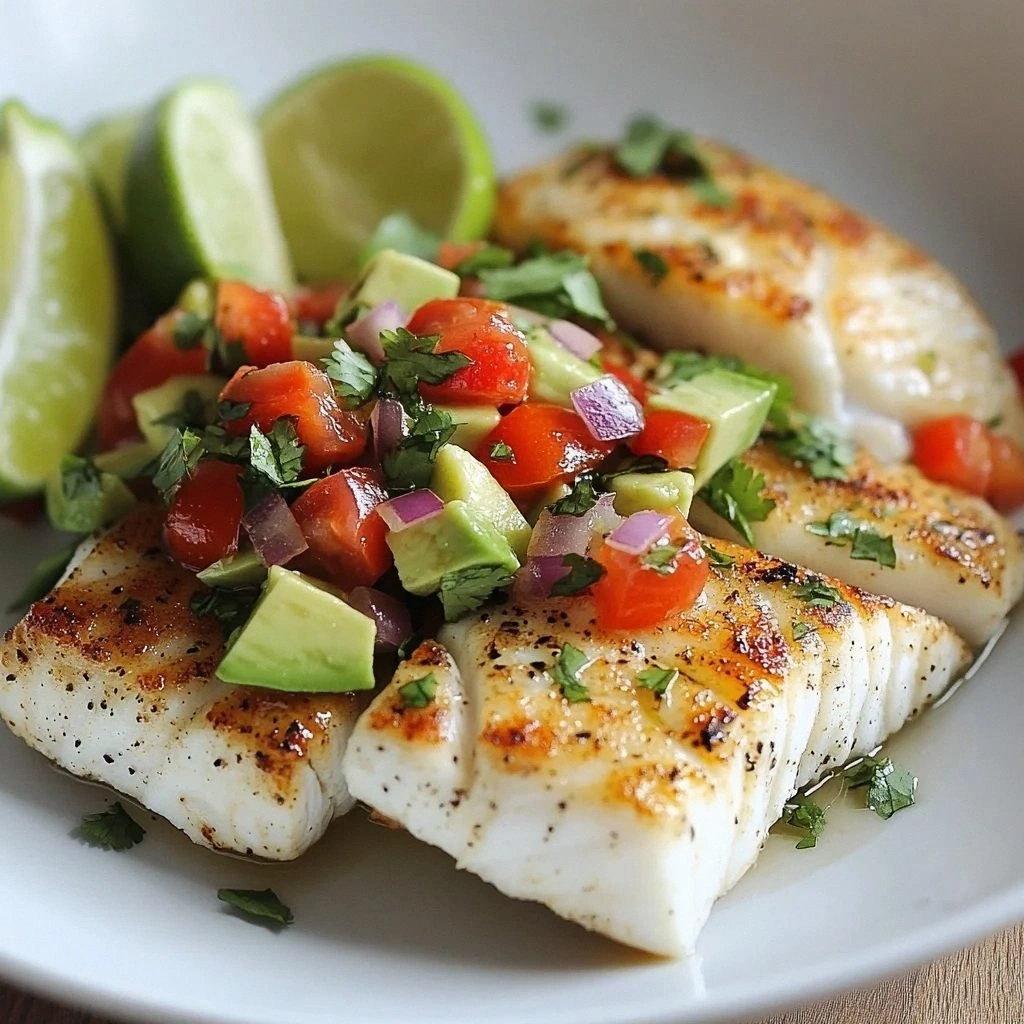
But wait until you meet the avocado salsa. Oh man, this isn't your typical chunky tomato situation. We're talking silky avocado cubes that have been marinating in the same lime-coconut bath as the fish, picking up all those tropical vibes and turning into these little green flavor bombs. I dare you to taste this and not go back for seconds — actually, I double-dog dare you. The first time I served this to friends, I watched one of them literally scrape the bottom of the bowl with her finger when she thought nobody was looking. No judgment here — I've done worse.
Picture yourself pulling this out of the oven (or off the grill, if you're feeling fancy), the whole kitchen smelling like you've been transported to some far-flung island where the hardest decision is whether to swim before or after lunch. The fish flakes apart in these perfect, juicy chunks, each piece wearing this golden coconut-lime crown that makes it look way more complicated than it actually is. Stay with me here — this is worth it. By the time we're done, you'll not only master this dish, but you'll understand exactly why certain ingredients play together so well that you'll start creating your own tropical masterpieces. Let me walk you through every single step — by the end, you'll wonder how you ever made it any other way.
What Makes This Version Stand Out
Coconut-Lime Balance: Most recipes dump coconut milk on fish like it's a rescue operation, drowning out every other flavor. This version uses just enough to create a silky coating that enhances rather than masks the fish's natural sweetness, while lime juice cuts through with surgical precision, creating this perfect push-pull of rich and bright that makes your taste buds do a happy dance.
Texture Contrast: We're not just throwing everything in a pan and hoping for the best. The fish gets a quick sear that creates these crispy edges that shatter like thin ice, while the inside stays buttery soft. Then we crown it with cool, creamy avocado salsa that melts on your tongue like ice cream on hot pavement — temperature and texture contrasts that make each bite feel like a complete experience.
Speed Demon: From fridge to plate in under 30 minutes, including prep time. This isn't one of those "quick" recipes that actually takes two hours when you factor in all the hidden steps. We're talking honest-to-goodness weeknight speed here, perfect for those nights when you're hangry but still want something that tastes like you actually tried.
Ingredient Flexibility: Got cod? Great. Halibut? Even better. Tilapia? It'll work in a pinch. This recipe doesn't discriminate — it's like the Switzerland of fish dishes, welcoming whatever your fishmonger (or grocery store freezer section) has to offer with open arms and zero judgment.
Make-Ahead Magic: The coconut-lime marinade actually improves with time, which means you can prep everything in the morning, let it hang out in the fridge all day, and dinner becomes a five-minute affair. Future pacing: imagine coming home from work knowing dinner is basically done — that's the kind of adulting we all aspire to.
Crowd-Pleasing Power: I've served this to picky kids who "don't like fish," health-conscious friends counting macros, and my father-in-law who thinks anything not deep-fried is "rabbit food." They all went back for seconds. If you've ever struggled with finding a dish that makes everyone happy, you're not alone — and I've got the fix.
Restaurant Quality, Home Price: This tastes like something you'd pay twenty-five bucks for at that trendy tropical fusion place downtown, but costs about six dollars per serving. The secret? We're using the same flavor principles as fancy restaurants — acid, fat, salt, heat — but without the markup for atmosphere and tiny portions on giant plates.
Inside the Ingredient List
The Flavor Base
Full-fat coconut milk isn't optional here — it's the backbone that carries every other flavor. Skimp with the light stuff and you'll end up with watery disappointment that tastes like someone whispered "coconut" near your fish instead of actually cooking with it. The fat content is crucial because it helps the fish stay moist during cooking, creating this self-basting situation that keeps everything succulent. When you're shopping, shake the can — you should hear it slosh around like thick cream, not splash like milk. If it sounds thin, put it back and find another brand.
Lime juice does more than add brightness — it's the acid that actually "cooks" the outer layer of fish in the marinade, creating this incredible texture transformation. Fresh limes are non-negotiable here; that bottled stuff tastes like liquid furniture polish and will ruin everything it touches. You'll need about three good-sized limes for this recipe, and here's a pro tip: roll them on the counter before cutting — it breaks down the cell walls and gets you twice as much juice. The zest goes in too, because that's where all the floral oils live, adding complexity that makes people ask "what's in this?" in the best possible way.
Fish sauce might seem weird in a tropical dish, but trust me — it's the umami bomb that makes everything taste more like itself. Just a teaspoon deepens all the other flavors, adding this mysterious savory note that people can't quite identify but absolutely love. If you're thinking "fish sauce in coconut-lime sounds gross," I get it, but consider this: Worcestershire sauce has anchovies too, and nobody questions that. Fish sauce is just the Southeast Asian version, and once you start using it, you'll wonder how you ever cooked without it.
The Texture Crew
Coconut oil for cooking isn't just thematic — it has a higher smoke point than olive oil and adds another layer of coconut flavor that ties everything together. Plus, it creates this gorgeous golden crust on the fish that makes it look like you've been cooking professionally for years. When you drop the fish in, that sizzle when it hits the pan? Absolute perfection. The sound alone will make your neighbors jealous. If you don't have coconut oil, avocado oil works, but you'll miss that subtle coconut perfume that wafts up and makes everyone ask what smells so incredible.
Garlic and ginger form the aromatic foundation that makes your kitchen smell like you've been transported to a night market somewhere exotic. Fresh ginger is worth seeking out — that powdered stuff tastes like cardboard that's been left in the rain. When you're prepping, mince the garlic super fine so it melts into the sauce rather than burning into bitter little nuggets. The ginger should be grated on a microplane so it becomes this invisible flavor enhancer rather than fibrous strings that get stuck in your teeth.
The Unexpected Star
Brown sugar might seem out of place, but it's the secret weapon that balances all that acid and creates these gorgeous caramelized edges on the fish. Just a teaspoon makes everything taste deeper and more complex without adding noticeable sweetness. It's like the bass player in a band — you don't always notice it's there, but you'd definitely miss it if it was gone. The molasses in brown sugar also helps with browning, giving you that restaurant-quality color that makes people think you know what you're doing even if you're just winging it.
The Final Flourish
Avocados for the salsa need to be perfectly ripe — not rock hard, not mushy brown sadness, but that sweet spot where they yield gently to pressure like a perfectly ripe peach. Buy them a couple days ahead and let them ripen on the counter, then move to the fridge when they're ready. For this recipe, firmer avocados work better than super soft ones because they'll hold their shape in the salsa instead of turning into green mush. Dice them just before serving so they stay bright and don't oxidize into that sad gray color that makes everything look like it's been sitting out since last Tuesday.
Red onion adds crunch and sharpness to the salsa, but we're taming it by letting it soak in lime juice for a few minutes. This takes away that harsh raw onion bite and turns it into something bright and almost sweet. Slice it paper-thin so it doesn't overpower the delicate avocado and fish. If you're one of those people who thinks they hate raw onion, try this method — it might just convert you. And if you're really onion-averse, green onions make a great substitute with a gentler flavor that plays nicely with the tropical theme.
Cilantro is controversial — people either love it or think it tastes like soap. If you're in the soap camp, substitute fresh mint or Thai basil for a completely different but equally delicious direction. For the cilantro lovers, use both leaves and tender stems — the stems have even more flavor than the leaves and add great texture to the salsa. Chop it roughly right before serving so it stays bright green and doesn't turn into that sad wilted mess that tastes like lawnmower clippings.
The Method — Step by Step
Start by patting your fish fillets absolutely dry with paper towels — I'm talking surgeon-level dryness here. Any moisture on the surface will steam instead of sear, leaving you with sad, gray fish that tastes like cafeteria disappointment. Lay them out on a cutting board and salt both sides generously — this isn't the time to be shy with seasoning. The salt draws out excess moisture and starts building flavor from the ground up. Let them sit while you prep everything else; this brief rest allows the salt to penetrate rather than just sitting on the surface like an afterthought.
Time to build our flavor bomb marinade. In a bowl large enough to hold your fish, whisk together the coconut milk, lime juice and zest, fish sauce, brown sugar, minced garlic, and grated ginger. Okay, ready for the game-changer? Add a pinch of salt and a few cracks of black pepper, then taste it. It should make you want to drink it with a straw — creamy, bright, and addictive with layers of flavor that keep revealing themselves. If it's too sweet, add more lime. Too tart? A touch more brown sugar. This is your foundation, so make it sing.
Slide those salted fish fillets into the marinade, turning to coat every surface. The fish should be swimming in this tropical pool of flavor, but not drowning — you want it well-coated, not soupy. Cover with plastic wrap pressed directly onto the surface to prevent a skin from forming, then refrigerate. Here's where patience pays off: 15 minutes minimum, but if you've got time, let it go for up to an hour. Any longer and the acid starts to actually cook the fish (hello, ceviche), which changes the texture completely. Set a timer — this isn't the moment to get distracted by Instagram.
While the fish marinates, prep your salsa components. Dice the avocados into roughly 1/2-inch cubes — small enough to fit on a fork but large enough to maintain their identity. Thinly slice the red onion (mandoline if you've got one), then let it soak in a few tablespoons of lime juice with a pinch of salt. This quick pickle takes the harsh edge off and turns it into something you could eat by the spoonful. Chop your cilantro roughly, keeping leaves and tender stems together. The key here is having everything ready to go so the avocado doesn't have time to brown while you're still fumbling with knife skills.
Heat your pan over medium-high heat — and now the fun part. Add a tablespoon of coconut oil and swirl to coat. When it shimmers like liquid gold and a tiny piece of fish sizzles enthusiastically on contact, you're ready. Remove fish from marinade, letting excess drip off, but don't wipe it clean — that coating is pure flavor gold. Lay it away from you to prevent splatter, and don't crowd the pan. Work in batches if necessary; overcrowding drops the temperature and steams everything into mediocrity.
This is the moment of truth — when the fish hits the pan, it should sizzle like applause. Let it cook undisturbed for those crucial first minutes. Resist the urge to poke, prod, or move it around. When the edges turn opaque and the bottom is golden-brown, it's ready to flip. Use a thin spatula and swift confidence — hesitation leads to broken fillets and broken dreams. The second side cooks faster, usually 2-3 minutes. You're looking for opaque flesh that flakes easily but still has a bit of translucence in the very center — it'll finish cooking from residual heat.
While the fish rests (because all proteins need a breather to redistribute their juices), finish the salsa. Drain the lime-soaked onions and add them to the avocado with the cilantro and that reserved tablespoon of marinade. Gently fold everything together — you're making salsa, not guacamole, so maintain those distinct avocado cubes. Season with salt and pepper, then taste. It should be bright and refreshing with enough acid to cut through the rich fish. If it needs more zip, add lime juice a few drops at a time. This is where personal preference reigns supreme.
Plate like you mean it. Start with a bed of rice or greens if you're feeling virtuous, then nestle that gorgeous golden fish on top. Spoon over the avocado salsa — be generous here, this isn't the time for stingy restaurant portions. Drizzle any remaining pan juices around for extra flavor. Garnish with a few cilantro leaves and maybe an extra squeeze of lime if you're feeling fancy. Serve immediately while the fish is still warm and the contrast with cool salsa creates that temperature play that makes this dish so addictive.
The final test: take a bite and try not to make embarrassing involuntary noises. The fish should be moist and flaky, carrying that tropical coconut-lime flavor in every bite. The salsa adds cool creaminess and bright acidity, while the onions provide just enough sharpness to keep everything lively. If you've done it right, you'll find yourself planning the next time you can make it before you've even finished chewing. I'll be honest — I ate half the batch before anyone else got to try it, standing at the counter "taste-testing" until I realized I'd basically had dinner twice.
That's it — you did it. But hold on, I've got a few more tricks that'll take this to another level...
Insider Tricks for Flawless Results
The Temperature Rule Nobody Follows
Room temperature fish cooks more evenly than cold fish straight from the fridge. I know, I know — food safety 101 says keep everything cold. But letting your fish sit out for 15-20 minutes while you prep everything else means it cooks more evenly and stays tender instead of seizing up like a frightened turtle. The key is not leaving it out for hours — just enough to take the chill off. Your pan should be hot, your fish should be warm, and the result will be perfectly cooked from edge to edge instead of overcooked outside and cold in the middle.
Why Your Nose Knows Best
That coconut oil should smell like a tropical paradise, not like old movie popcorn. If your coconut oil smells rancid or has yellowed, it's past its prime and will make everything taste like a bad beach souvenir. Good coconut oil has a subtle, sweet aroma that enhances the tropical theme. Same goes for your coconut milk — shake the can and smell it before using. If it smells sour or off, don't risk it. A friend tried skipping this step once — let's just say it didn't end well, and we still don't talk about "that dinner party."
The 5-Minute Rest That Changes Everything
After cooking, let your fish rest on a wire rack instead of a plate. This prevents the bottom from steaming in its own juices and losing that gorgeous crust you worked so hard to achieve. Five minutes is all it takes — enough time to finish the salsa and set the table. The fish will actually taste better because the proteins have time to relax and reabsorb their juices instead of flooding your plate the moment you cut into them. Plus, it gives you a moment to appreciate what you've accomplished before diving in.
The Marinade Magic Ratio
Getting the coconut-lime balance right is crucial — too much coconut and it tastes like sunscreen, too much lime and it'll make your face pucker like you've bitten into a lemon. The magic ratio is about 3:1 coconut milk to lime juice, with brown sugar to round everything out. But taste and adjust based on your limes — some are sweeter, some are more acidic. The marinade should taste bright and refreshing but still rich and creamy. Think of it as a tropical vacation in liquid form, not a chemistry experiment gone wrong.
The Salsa Timing Secret
Most recipes get this completely wrong — they tell you to make the salsa first, then let it sit while you cook everything else. By the time you serve, the avocado has turned brown and mushy, the onions have taken over, and everything tastes like yesterday's guacamole. Instead, prep all your components but don't combine them until the fish is almost done. Those last five minutes are perfect — enough time for flavors to meld but not enough for everything to deteriorate into a sad, gray mess.
Creative Twists and Variations
This recipe is a playground. Here are some of my favorite ways to switch things up:
Thai Basil Thunder
Swap the cilantro for Thai basil and add a minced Thai chili to the marinade. The basil adds this incredible anise-like flavor that pairs beautifully with coconut, while the chili brings heat that sneaks up on you like a plot twist. Finish with extra basil chiffonade on top — it's like regular basil but with more personality, like it studied abroad and came back with interesting stories.
Mango Tango
Add diced mango to the avocado salsa for a sweet-tart twist that makes the whole dish taste like summer vacation. The mango should be firm-ripe — sweet but still holding its shape. This version is particularly good with a spicy white fish like halibut, where the sweetness balances the natural richness. Kids love this version, probably because it tastes like dessert for dinner.
Grilled Paradise
Instead of pan-searing, grill the fish on soaked cedar planks for smoky depth that makes everything taste like you cooked it over a beach bonfire. The coconut-lime marinade caramelizes beautifully on the grill, creating these gorgeous charred edges that add another layer of flavor. Just make sure to oil the grill grates well — fish is notorious for sticking and falling through, leading to the kind of barbecue tragedy nobody wants to discuss.
Crispy Coconut Crown
Press unsweetened shredded coconut onto the marinated fish before cooking for a crispy coconut crust that adds incredible texture. Toast the coconut first for deeper flavor, then press it onto the fish just before it hits the pan. It creates this gorgeous golden coating that crackles when you cut into it, adding textural contrast to the tender fish. This version is what happens when coconut shrimp and our original recipe have a beautiful baby.
Tropical Heat Wave
Add a Scotch bonnet or habanero to the marinade for serious heat lovers. Mince it super fine and add just a quarter pepper at first — you can always add more, but you can't take it out once it's in there. The fruity heat of these chilis plays incredibly with coconut and lime, creating this complex flavor profile that makes you sweat in the best possible way. Serve with extra lime wedges for people who need to cool down their burning mouths between bites.
Coconut Rice Base
Serve over coconut rice instead of plain rice for double the tropical vibes. Cook jasmine rice in half coconut milk, half water with a pinch of salt and a bay leaf. The rice becomes this creamy, fragrant base that soaks up all the juices and makes you wonder why you ever ate plain rice. This turns the dish into a complete meal that feels restaurant-worthy but costs pennies to make.
Storing and Bringing It Back to Life
Fridge Storage
Cooked fish keeps for up to 3 days in an airtight container, but let's be real — it never lasts that long because you'll find excuses to eat it. Store the salsa separately in a container with plastic wrap pressed directly onto the surface to prevent browning. The fish reheats surprisingly well if you're gentle: add a tiny splash of water before reheating — it steams back to perfection instead of turning into fish jerky. Microwave at 50% power for 30-second intervals, checking frequently. Overheated fish is like eating sadness, so err on the side of slightly cool rather than rubbery.
Freezer Friendly
The marinated (but uncooked) fish freezes beautifully for up to 2 months. Portion it into freezer bags with the marinade, squeeze out excess air, and freeze flat. Thaw overnight in the fridge and cook as directed — the flavors actually intensify during freezing. Don't freeze the cooked fish though — it becomes a textural nightmare that even the best intentions can't save. The salsa doesn't freeze well either (avocado turns into mushy sadness), so make that fresh when you're ready to serve.
Best Reheating Method
Skip the microwave if possible and reheat in a covered skillet with a splash of water over low heat. This gentle method preserves the moisture and prevents the fish from turning into something you'd use as shoe leather. Cover with a lid and let it steam for 2-3 minutes until just warmed through. If you must microwave, do it at 50% power with a damp paper towel over the top — it's not ideal, but it beats dry, overcooked fish. The salsa should be served cold anyway, so no reheating needed there.