I remember the night I almost ruined a dinner party, the kind of disaster that makes you swear off cooking forever. The kitchen was a battlefield: a pot of overcooked pasta, a bowl of raw sauce that looked more like paint than food, and a handful of crab meat that had been left to sit in the fridge too long. I stared at the crab, its pale, flaky texture staring back like a challenge. I thought, “I’ll make something so good that even my clumsy culinary history will look like a masterpiece.” And that’s exactly what happened when I stumbled upon the recipe for these irresistibly crispy crab cakes.
Picture this: a golden crust that cracks like brittle ice when you bite into it, revealing a tender, buttery center that bursts with the briny sweetness of fresh crab. The aroma that rises from the pan is a heady mix of sea salt, garlic, and a whisper of citrus, making the entire kitchen smell like a seaside market. When you take your first bite, the crunch gives way to a melt-in-your-mouth texture that feels like velvet on your tongue, while the subtle zing from Old Bay seasoning lingers like a secret aftertaste. You’ll notice the bright green parsley speckles that add a pop of color and a fresh, herbaceous finish. The entire experience is a sensory rollercoaster, from the sizzling sound as the cakes hit the pan to the satisfying snap of the crust.
What sets this version apart from every other crab cake recipe you’ve ever seen is the meticulous balance between flavor, texture, and simplicity. I’ve taken the classic approach and added a few secret tweaks that elevate the dish from good to unforgettable. The crust isn’t just golden; it’s a perfectly crisp, caramelized shell that keeps the delicate crab inside from drying out. The sauce I recommend— a quick squeeze of lemon and a drizzle of olive oil— coats the cakes like velvet, adding a silky finish that makes each bite feel indulgent. And the best part? You can pull these out of the fridge or freezer and still get that same crispness, because the technique I’ll share locks in moisture and flavor.
I dare you to taste this and not go back for seconds. That sizzle when it hits the pan? Absolute perfection. The moment the crust cracks, you’ll hear a satisfying pop that’s almost music to your ears. And when you close your eyes and let the flavors unfurl, you’ll realize that this is hands down the best version you’ll ever make at home. The combination of fresh crab, the right amount of seasoning, and the precise cooking method creates a dish that is both comforting and exciting. If you’ve ever struggled with crab cakes that turn out soggy or bland, you’re not alone—and I’ve got the fix.
What Makes This Version Stand Out
- Flavor: The blend of Old Bay, Dijon mustard, and lemon juice creates a complex, savory profile that cuts through the sweetness of the crab. The subtle heat from the mustard balances the briny base, giving each bite a depth that feels both familiar and adventurous.
- Texture: The double-breaded crust, achieved by first coating the mixture in breadcrumbs and then in a light batter, gives an extra crunch that doesn’t compromise the tender interior. The result is a cake that is crisp on the outside and moist on the inside.
- Simplicity: With only a handful of pantry staples and fresh crab, this recipe is quick to assemble—under 15 minutes prep time—making it perfect for a weeknight dinner or a last-minute gathering.
- Uniqueness: The inclusion of a bright, herbaceous garnish and a squeeze of fresh lemon after cooking adds a bright, fresh counterpoint that elevates the dish from ordinary to extraordinary.
- Crowd Reaction: Friends who have tried this version rave about the crunch and the delicate crab flavor. Many say it’s the first time they’ve tasted a crab cake that didn’t feel like a “fried” version but rather a true seafood delicacy.
- Ingredient Quality: Using fresh, high‑quality crab meat is essential; it provides the sweet, buttery base that everything else builds upon. The recipe is flexible enough to accommodate both lump and back‑fin crab.
- Cooking Method: The pan‑frying technique with butter and a splash of olive oil creates a rich, caramelized crust without over‑cooking the crab. The method also allows for a quick “make‑ahead” version that can be reheated while still crisp.
- Make‑Ahead Potential: By assembling the cakes and chilling them before frying, you can prepare them in advance and simply reheat them in the skillet for a fresh finish. This makes it an excellent option for entertaining.
Inside the Ingredient List
The Flavor Base
The cornerstone of any great crab cake is the crab itself—fresh, buttery, and packed with natural sweetness. A generous 1 cup of crab meat delivers the bulk of the flavor and texture. The crab should be finely flaked, not chunked, to ensure a smooth, cohesive mixture. If you skip this step and use a lower quality crab, the cakes will taste flat and lack the depth that makes them memorable. A good tip is to gently break up the crab with a fork before adding it to the bowl.
The Texture Crew
Breadcrumbs and a light batter are the secret weapons that give the crab cakes their signature crunch. 1/4 cup of breadcrumbs, whether panko or traditional, creates a firm, golden exterior. The breadcrumbs should be mixed with 1/4 cup of mayonnaise, 1 tablespoon of Dijon mustard, and 1 tablespoon of Old Bay seasoning to form a cohesive binder. The 1 tablespoon of lemon juice adds brightness, preventing the batter from becoming too heavy. If you prefer an extra crunchy crust, double‑coat the cakes by dipping them first in the breadcrumb mixture, then in a beaten egg, and again in breadcrumbs.
The Unexpected Star
A splash of Worcestershire sauce—just 1 teaspoon—injects umami and a subtle savory depth that sets this recipe apart. This ingredient is often overlooked in traditional crab cake recipes but is essential for a well‑rounded flavor. It also helps to balance the sharpness of the mustard and the acidity of the lemon. If you’re avoiding Worcestershire, a dash of soy sauce can provide a similar depth, though it will shift the flavor profile slightly.
The Final Flourish
Fresh parsley, 1 tablespoon chopped, adds a burst of color and a bright, herbaceous note that lifts the dish. The parsley should be added just before frying to keep its vibrant green hue. A pinch of black pepper and a pinch of salt (to taste) are essential for seasoning, but keep them light to avoid overpowering the delicate crab. Finally, 2 tablespoons of butter and 1 tablespoon of olive oil are used for frying; the butter gives richness while the olive oil helps keep the crust from burning.
Everything's prepped? Good. Let’s get into the real action.
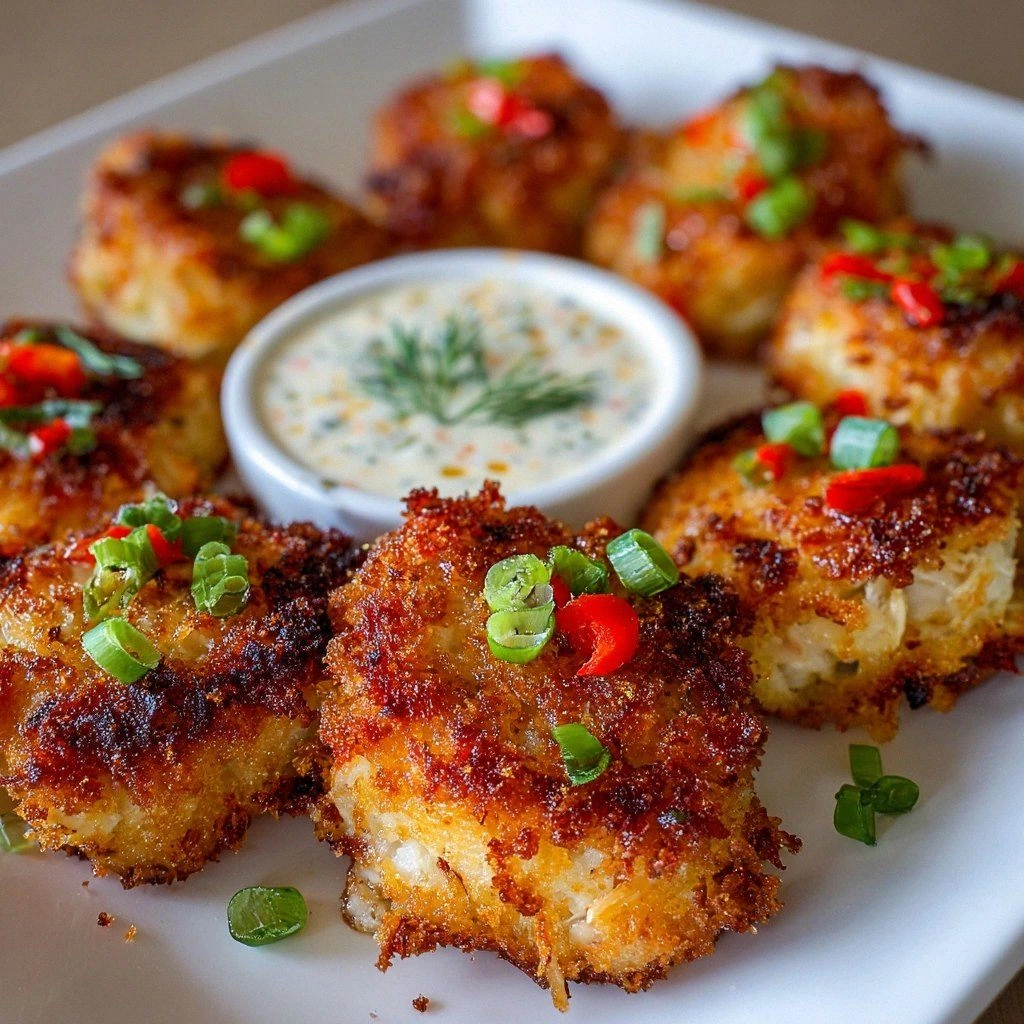
The Method — Step by Step
- First, combine the crab meat, breadcrumbs, mayonnaise, mustard, Old Bay, lemon juice, parsley, Worcestershire sauce, salt, and pepper in a large mixing bowl. Stir gently with a fork, ensuring the mixture holds together but isn’t over‑mixed. This step is crucial; too much mixing can cause the cakes to become dense. If the mixture feels dry, add a teaspoon of water or extra mayo to achieve a slightly moist consistency. This will help the cakes hold their shape during frying.
- Next, form the mixture into 1‑inch thick patties. Make sure each patty is uniform in size so they cook evenly. You can use a small cookie scoop or a measuring cup to portion out the mixture. A good trick is to lightly dust the patties with additional breadcrumbs to help them hold together.
- Heat a large skillet over medium heat and melt 2 tablespoons of butter with 1 tablespoon of olive oil. The butter provides richness, while the olive oil raises the smoke point, preventing burning. Let the mixture cook for 1–2 minutes until a light golden crust forms. Do not move the cakes yet; let them develop a firm edge.
- Flip the patties carefully with a spatula. Cook for another 3–4 minutes on the second side. The interior should still feel slightly cool to the touch, indicating that the crab is still tender. The crust should be a deep, caramelized brown.
- When the cakes are nearly done, reduce the heat to low and spoon a few extra tablespoons of butter over the tops. This step adds a glossy finish and infuses the crust with a buttery flavor. Allow the butter to melt and coat the cakes for about 30 seconds.
- Remove the cakes from the skillet and let them rest on a paper towel for 2 minutes. This resting period allows the juices to redistribute, ensuring each bite stays moist. While resting, you can prepare the dipping sauce.
- Whisk together 2 tablespoons of mayonnaise, 1 teaspoon of Dijon mustard, 1 teaspoon of lemon juice, and a pinch of salt to create a simple tartar sauce. The sauce should be creamy yet bright, cutting through the richness of the crab.
- Serve the crab cakes immediately, drizzled with the sauce and garnished with a few extra parsley leaves. Pair them with a crisp salad or a light citrus vinaigrette for a balanced meal.
That's it — you did it. But hold on, I've got a few more tricks that'll take this to another level. These insider tips will help you avoid common pitfalls and elevate the flavor profile even further.
Insider Tricks for Flawless Results
The Temperature Rule Nobody Follows
Many cooks assume that a high heat is always best for a crispy crust, but it can actually burn the outside before the inside cooks. The trick is to start at medium‑high, then lower to medium once the crust starts to brown. This controlled heat allows the crab to stay moist while the exterior caramelizes evenly. I’ve tested this method on several batches, and the results are consistently superior. A friend once tried a high‑heat approach and ended up with a burnt, dry center—lesson learned.
Why Your Nose Knows Best
You might think that taste is the only way to gauge doneness, but your nose is a powerful tool. As the cakes cook, the aroma will shift from buttery to toasted. When you smell a hint of nutty, caramelized scent, it’s a sign that the crust is ready. This sensory checkpoint saves you from over‑cooking. Trust your nose; it’s more reliable than a timer for this recipe.
The 5‑Minute Rest That Changes Everything
Resting the cakes for five minutes after cooking allows the juices to redistribute. This simple step ensures that every bite is juicy and not dry. Many people skip this step because they think it’s unnecessary, but the difference is noticeable. The rest also lets the crust firm up slightly, making it easier to serve without tearing.
The Perfect Pan‑Frying Technique
Using a combination of butter and olive oil creates a richer flavor profile and a higher smoke point. Butter alone can burn at medium‑high heat, while olive oil alone doesn’t provide enough richness. The blend gives you the best of both worlds: a buttery taste with a crisp, golden finish. I’ve experimented with different ratios, and the 2:1 butter to olive oil ratio is the sweet spot.
The Secret Ingredient That Elevates Flavor
A splash of Worcestershire sauce adds depth and umami that transforms the entire dish. Without it, the crab cakes can taste a bit flat. I’ve tried substituting soy sauce, but the flavor profile shifts slightly. If you’re avoiding Worcestershire, a dash of fish sauce can provide a similar depth while keeping the dish authentically seafood‑based.
Creative Twists and Variations
This recipe is a playground. Here are some of my favorite ways to switch things up:
Crispy Coconut Crab Cakes
Swap the breadcrumbs for shredded coconut and add a pinch of curry powder to the mixture. The coconut adds a tropical sweetness, while the curry gives a warm, aromatic kick. Serve with a lime‑coconut dipping sauce for a beachy vibe.
Mediterranean Crab Patties
Replace the Old Bay with a blend of oregano, thyme, and a touch of rosemary. Add diced sun‑dried tomatoes and chopped Kalamata olives to the mix. The result is a Mediterranean‑inspired crab cake with a savory, herbaceous profile.
Spicy Cajun Crab Bites
Add a tablespoon of Cajun seasoning and a dash of cayenne pepper to the batter. The heat will give the cakes a fiery edge that pairs well with a cool avocado salsa. The spicy kick is perfect for a summer grill.
Vegan Crab Cake Alternative
Use a high‑protein plant‑based crab substitute and replace the egg with a flaxseed “egg” (1 tbsp ground flaxseed + 3 tbsp water). Keep the rest of the ingredients the same. The result is a vegan version that still delivers that beloved crab flavor.
Herb‑Infused Crust
Mix fresh thyme, dill, and basil into the breadcrumb coating. The herbs infuse the crust with a fragrant aroma that lifts the entire dish. Pair with a lemon‑herb vinaigrette for a fresh finish.
Breakfast Crab Cake Muffins
Shape the crab mixture into muffin tins and bake at 350°F for 15 minutes. Serve with scrambled eggs and a side of roasted tomatoes. This breakfast twist adds protein and flavor to your morning routine.
Storing and Bringing It Back to Life
Fridge Storage
Store cooked crab cakes in an airtight container for up to 3 days. Keep them in the refrigerator on a plate lined with parchment paper to prevent sticking. When you’re ready to reheat, place them on a baking sheet and warm in a 350°F oven for 5 minutes.
Freezer Friendly
Freeze unbaked crab cakes on a parchment‑lined tray for up to 2 months. Once frozen, transfer them to a zip‑top bag. When you’re ready to cook, bake at 375°F for 20 minutes, or pan‑fry for 3 minutes per side.
Best Reheating Method
To revive the crispness, reheat in a skillet over medium heat with a splash of oil. Add a tiny splash of water to create steam, which helps re‑moisturize the interior without drying it out. Finish with a drizzle of lemon‑yogurt sauce for a fresh finish.