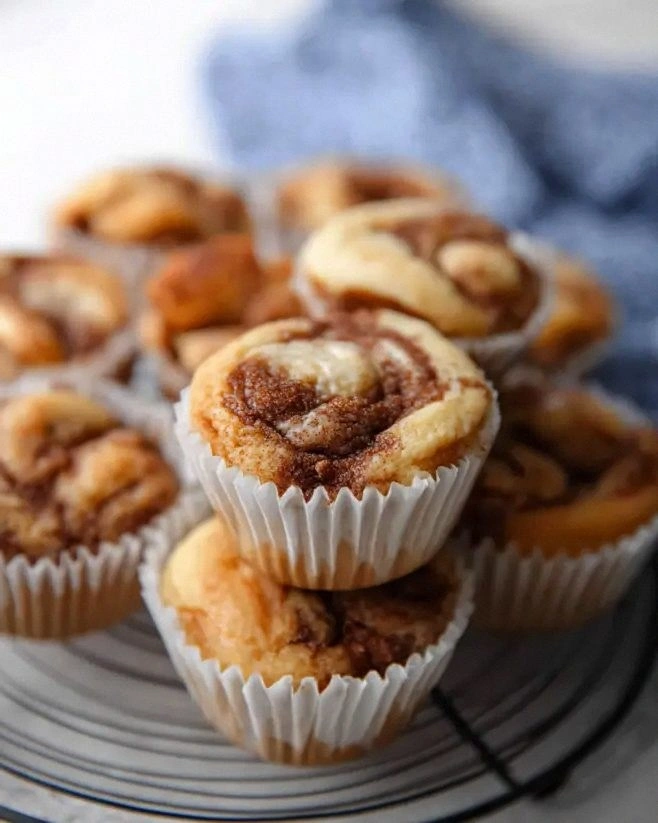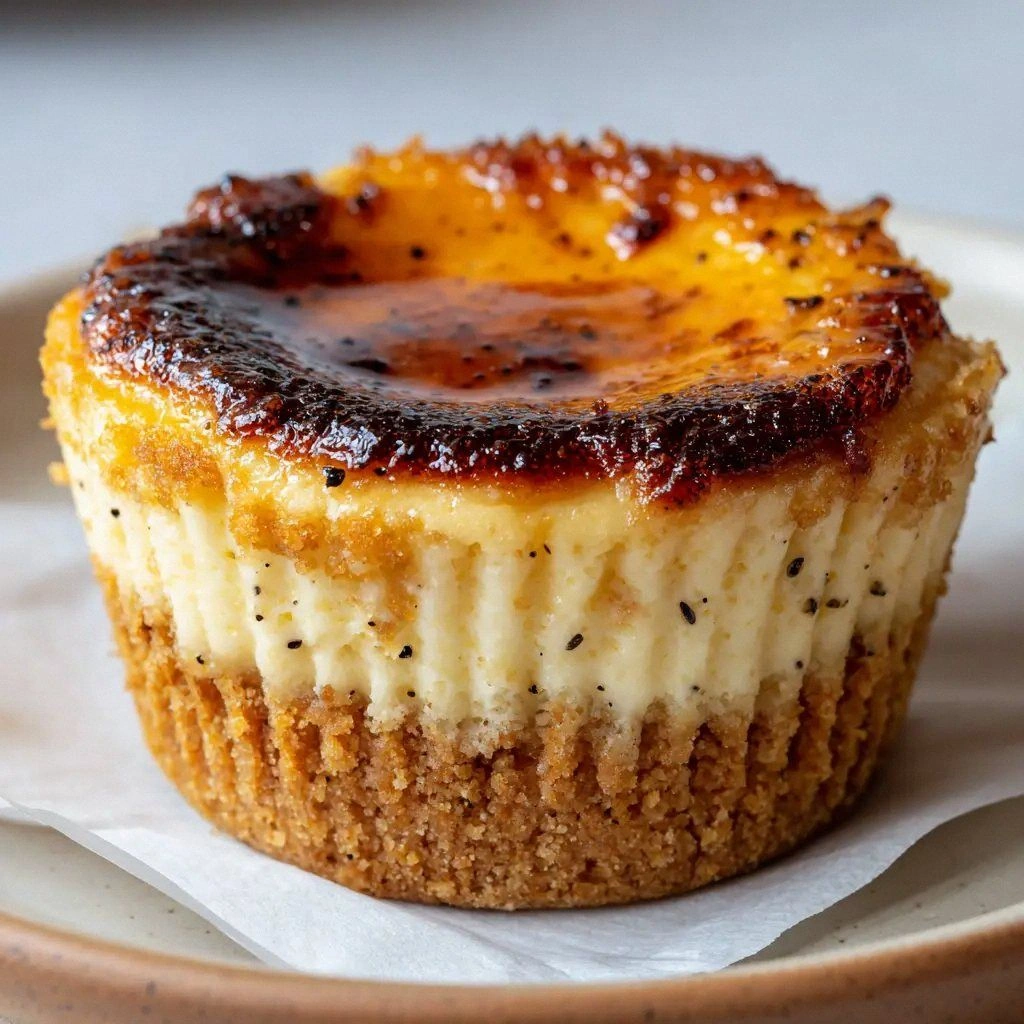
Picture this: I’m halfway through a week of bland, uninspired dinners, the fridge a beige blur of leftovers, when the kitchen lights flick on and the smell of burnt toast hits me like a slap of reality. I’ve been chasing the elusive “perfect cheesecake” for months—every recipe I’ve tried has ended up either a soggy mess or a brick of frozen disappointment. Then, on a dare from a friend who swears by their midnight snack hacks, I decided to mash together two desserts I love: the silky, custard‑like texture of crème brûlée and the rich, decadent body of cheesecake. The result? A cupcake‑sized, caramel‑topper wonder that makes every bite feel like a miniature celebration. This isn’t just another recipe; it’s a culinary revelation that will have you questioning why you ever settled for ordinary.
I’m not just talking about a sweet treat—this is a sensory experience that starts the moment the batter hits the tin. The first crackle of sugar as it caramelizes, the buttery crust that shatters like thin ice, the velvety, custard‑like center that melts in your mouth—each element is a note in a symphony of flavor. The aroma is a warm, buttery vanilla cloud that fills the kitchen, while the texture is a contrast of crunchy edges against a silky interior. It’s a dessert that doesn’t just satisfy hunger; it satisfies the soul, a comforting hug wrapped in a caramelized shell.
What sets this version apart is that I didn’t just copy a recipe; I engineered a balance between the classic crème brûlée finish and the smoothness of a cheesecake base. I used full‑fat cream cheese for depth, added sour cream to keep the custard from curdling, and incorporated vanilla bean paste for an aromatic punch. The graham cracker crust gives a subtle crunch that echoes the original cheesecake’s base, but in a bite‑sized, portable form. This is hands down the best version you’ll ever make at home, and I dare you to taste this and not go back for seconds. The only thing you’ll want to do after is brag about your newfound dessert prowess.
If you’ve ever struggled to get a crisp, caramelized top on a crème brûlée, or if you’ve tried a cheesecake that feels too dense, this recipe is your salvation. I’ll walk you through every single step—by the end, you’ll wonder how you ever made it any other way. Let’s dive into the magic.
What Makes This Version Stand Out
- Flavor: The combination of vanilla bean paste and a touch of sour cream creates a nuanced sweetness that lingers, unlike the flat sugar notes in many other recipes.
- Texture: The batter’s silky custard core contrasts with a crunchy graham cracker base, delivering a multi‑layered mouthfeel that feels indulgent yet balanced.
- Simplicity: Despite its sophisticated taste, the recipe requires only a handful of ingredients—no obscure pantry staples.
- Uniqueness: By fusing crème brûlée’s caramelized finish with cheesecake’s creamy heart, it offers a dessert that feels both familiar and entirely new.
- Crowd Reaction: Friends who’ve tried it say the caramelized top “crackles like a secret, and the center is like a hug.”
- Ingredient Quality: Using full‑fat cream cheese and real vanilla bean paste elevates the flavor profile beyond the average store‑bought mix.
- Cooking Method: Baking in a water bath ensures a silky custard, while a quick torch or broiler finish guarantees that perfect caramelized crust.
- Make‑Ahead Potential: The cupcakes can be baked, cooled, and stored for up to 48 hours before caramelizing, making them ideal for parties.
Alright, let’s break down exactly what goes into this masterpiece…
Inside the Ingredient List
The Flavor Base
The foundation of any great dessert is its flavor base, and for these cupcakes, it’s a trio of rich, creamy ingredients. Full‑fat cream cheese provides the lush, tangy depth that is the hallmark of cheesecake. It’s the anchor that holds the custard together, preventing it from becoming watery. Vanilla bean paste is the star that unlocks the aromatic profile; unlike vanilla extract, it delivers a more authentic, floral note that permeates every bite. If you’re short on vanilla paste, a teaspoon of vanilla extract will work, but the result will feel a bit flatter.
Why it matters: Cream cheese’s fat content gives the cupcakes a silky mouthfeel, while vanilla bean paste’s natural oils carry the scent through to the finished product. Skipping either results in a texture that feels thin and a flavor that lacks depth. For those who prefer a less sweet version, you can reduce the sugar by ¼ cup; the cupcakes will still set properly, but the caramelized top will be less pronounced.
The Texture Crew
Texture is the silent hero of desserts, and these cupcakes boast a dual-texture experience. The graham cracker crumbs form a crunchy base that mirrors the classic cheesecake crust, but in a bite‑sized form. The crumbs are combined with unsalted butter, which melts into the crumbs to create a cohesive, buttery foundation that crisps up beautifully in the oven. The 1/4 cup of sour cream is the secret weapon that keeps the custard from curdling during baking, giving the interior a luxuriously smooth consistency.
If you’re worried about the batter being too runny, add an extra 2 tablespoons of graham cracker crumbs; this will thicken the mixture slightly without compromising the crunch. A tip for sourcing the best graham crackers: choose a brand with a higher butter content; the crumbs will carry more flavor and create a more robust crust.
The Unexpected Star
You might think eggs are just a binder, but in this recipe they perform a more complex role. Two large eggs, beaten to a frothy consistency, help emulsify the cream cheese and sugar, creating a silky custard that sets perfectly. The eggs also contribute to the rise, ensuring the cupcakes don’t sink or become overly dense. If you’re vegan, you can replace the eggs with ¾ cup of unsweetened applesauce and a teaspoon of baking powder to maintain structure.
Watch out: Over‑mixing the batter after adding the eggs can incorporate too much air, leading to a slightly airy, less dense texture. Keep the mixing gentle and stop as soon as the ingredients are combined.
The Final Flourish
The two sugar measurements—1/2 cup granulated sugar and an additional 1/4 cup—work in tandem to create a balanced sweetness and a caramelized finish. The first ½ cup dissolves into the custard, ensuring a smooth sweetness throughout. The second ¼ cup is sprinkled on top before baking; as the cupcakes bake, the sugar caramelizes, forming a crisp, golden crust that snaps delightfully when broken. If you’re aiming for a less sweet dessert, reduce the top sugar to 2 tablespoons.
Everything’s prepped? Good. Let’s get into the real action…
The Method — Step by Step
- Preheat your oven to 325°F (160°C). Line a mini muffin tin with paper liners, ensuring each cup is snug but not overly tight. The low temperature is key to a gentle bake that keeps the custard silky.
- In a medium bowl, combine 1 cup graham cracker crumbs with 3 tablespoons unsalted butter. Use a fork or a pastry cutter to blend until the crumbs are evenly coated and the mixture resembles fine sand. This step is crucial; a buttery base prevents the crust from becoming dry.
- Press the crumb mixture firmly into the bottom of each paper liner, forming a tight, even crust. Let the crust set while you prepare the filling; this gives the base time to firm up.
- In a stand mixer fitted with a paddle attachment, beat 16 oz full‑fat cream cheese on medium speed until smooth and creamy. Add ½ cup granulated sugar and 1 tablespoon vanilla bean paste, mixing until the sugar is fully incorporated and the mixture is glossy.
- Add 1/4 cup sour cream and continue beating until the mixture is silky. The sour cream balances the richness and helps prevent the custard from curdling during baking.
- Whisk in the 2 large eggs, one at a time, ensuring each is fully incorporated before adding the next. This gradual addition keeps the batter from curdling and maintains a smooth consistency.
- Gently fold the batter into the prepared crust, filling each cup about three‑quarters full. Sprinkle the remaining ¼ cup granulated sugar evenly over the tops, which will caramelize during baking.
- Place the tin in a larger baking dish and pour hot water into the dish until it reaches halfway up the sides of the muffin tin. This water bath ensures even heat distribution, preventing the custard from overcooking.
- Bake for 30 minutes, or until the tops are golden brown and the edges start to pull away. The interior should be set but still slightly wobbly in the center.
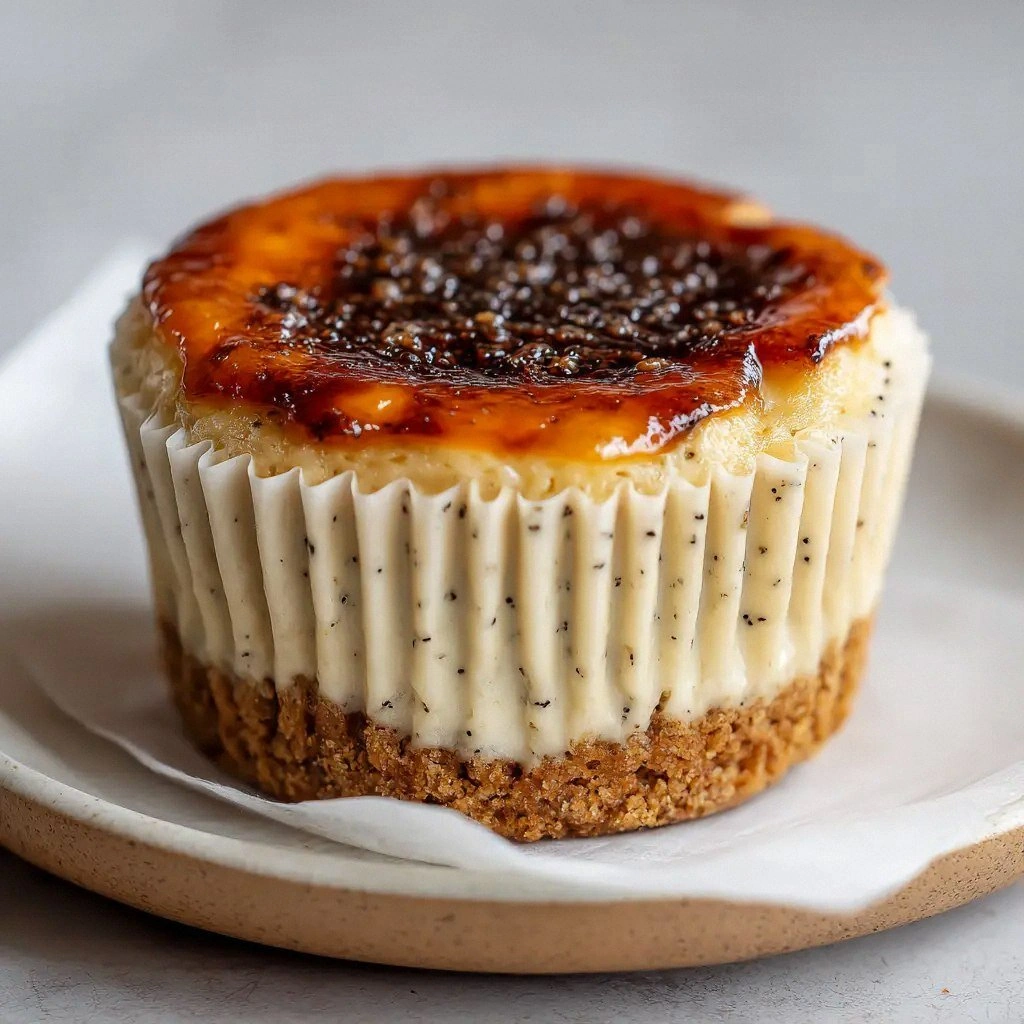
- Remove the cupcakes from the water bath and let them cool to room temperature. Once cooled, use a kitchen torch or a broiler on high to caramelize the sugar topping until it forms a crisp, golden crust. Be sure to keep the torch moving to avoid burning.
That’s it— you did it. But hold on, I’ve got a few more tricks that’ll take this to another level. These are the details that separate a good dessert from a legendary one.
Insider Tricks for Flawless Results
The Temperature Rule Nobody Follows
The secret to a silky custard is the oven temperature. Many people bake these at 350°F, which can cause the custard to set too quickly, resulting in a dry interior. Baking at 325°F allows the custard to cook slowly, giving it time to develop a smooth, airy texture. If you’re using a convection oven, reduce the temperature by 25°F to avoid overcooking.
Why Your Nose Knows Best
During baking, the sugar on top will start to caramelize and emit a sweet, buttery aroma. Trust that scent; it’s the cue that the cupcakes are ready for the torch. If you smell a faint metallic note, the cupcakes are not yet caramelized and need more time.
The 5-Minute Rest That Changes Everything
After removing the cupcakes from the oven, let them rest for 5 minutes on a wire rack. This pause allows the interior to set fully without becoming too hard. It also gives the caramelized sugar a chance to crisp up slightly, creating that satisfying snap when you bite in.
The Quick Freeze Trick
If you’re preparing these ahead of a big event, bake them, let them cool, and then freeze the cupcakes in a single layer on a parchment‑lined tray. Once frozen, transfer them to an airtight container. They’ll keep for up to 3 days, and you can finish caramelizing them just before serving.
The Secret Ingredient Swap
For a subtle twist, replace the graham cracker crumbs with crushed shortbread cookies. The buttery flavor of shortbread adds a new dimension, while the texture remains crisp. This swap is especially fun for holiday gatherings where a buttery, buttery flavor fits perfectly.
Creative Twists and Variations
This recipe is a playground. Here are some of my favorite ways to switch things up:
Chocolate Crumble Crust
Swap graham cracker crumbs for chocolate cookie crumbs and add a tablespoon of cocoa powder to the batter. The result is a chocolate‑laced, caramelized top that pairs perfectly with a hint of espresso in the filling.
Berry Burst
Fold in a cup of fresh blueberries or raspberries into the batter before baking. The berries burst in the mouth, adding a tart counterpoint to the sweet caramelized crust.
Salted Caramel Swirl
Drizzle a thin line of salted caramel sauce over the batter before the final sugar sprinkle. The caramel will meld into the custard during baking, creating a swirl of sweet and salty flavors.
Lemon Zest Surprise
Add a tablespoon of lemon zest to the batter for a bright, citrusy lift. The lemon pairs beautifully with the vanilla bean paste, giving the cupcakes a fresh, uplifting finish.
Almond Crunch
Replace half of the graham cracker crumbs with finely chopped toasted almonds. The crunch adds texture, and the nutty flavor complements the creamy custard.
Espresso Infusion
Stir in a teaspoon of instant espresso powder into the batter. The coffee undertone enhances the vanilla flavor and adds depth, making these cupcakes a sophisticated treat for coffee lovers.
Storing and Bringing It Back to Life
Fridge Storage
Store the cupcakes in an airtight container in the refrigerator for up to 48 hours. The caramelized top may soften slightly, but a quick warm‑up in a 300°F oven for 5 minutes will restore crispness.
Freezer Friendly
After baking and cooling, wrap each cupcake individually in plastic wrap, then place them in a freezer bag. They will stay fresh for up to 3 weeks. Thaw at room temperature before caramelizing.
Best Reheating Method
To revive frozen cupcakes, preheat your oven to 300°F and bake for 10–12 minutes, then finish with a torch or broiler. For fresh cupcakes that need a quick crisp, place them in a preheated oven for 3 minutes. A splash of water before reheating creates steam, helping the interior stay moist while the top crisps.