I still remember the Sunday morning I became obsessed with Greek yogurt bagels. It started with a text from my best friend daring me to make bagels from scratch before noon, and ended with me covered in flour, laughing like a maniac as I pulled the most gorgeous, golden-brown bagels from my oven. The smell was intoxicating—warm bread mingled with tangy yogurt, and I knew I'd stumbled onto something magical.
Here's the thing: most people think making bagels requires a chemistry degree, three days, and a vat of boiling water. Wrong. These Greek yogurt bagels shattered every assumption I had about homemade bread. They come together faster than a grocery run, skip the yeast entirely, and deliver that perfect chewy texture we all crave. I'm talking crispy edges that shatter like thin ice when you bite into them, revealing a tender, slightly tangy interior that makes store-bought bagels taste like cardboard.
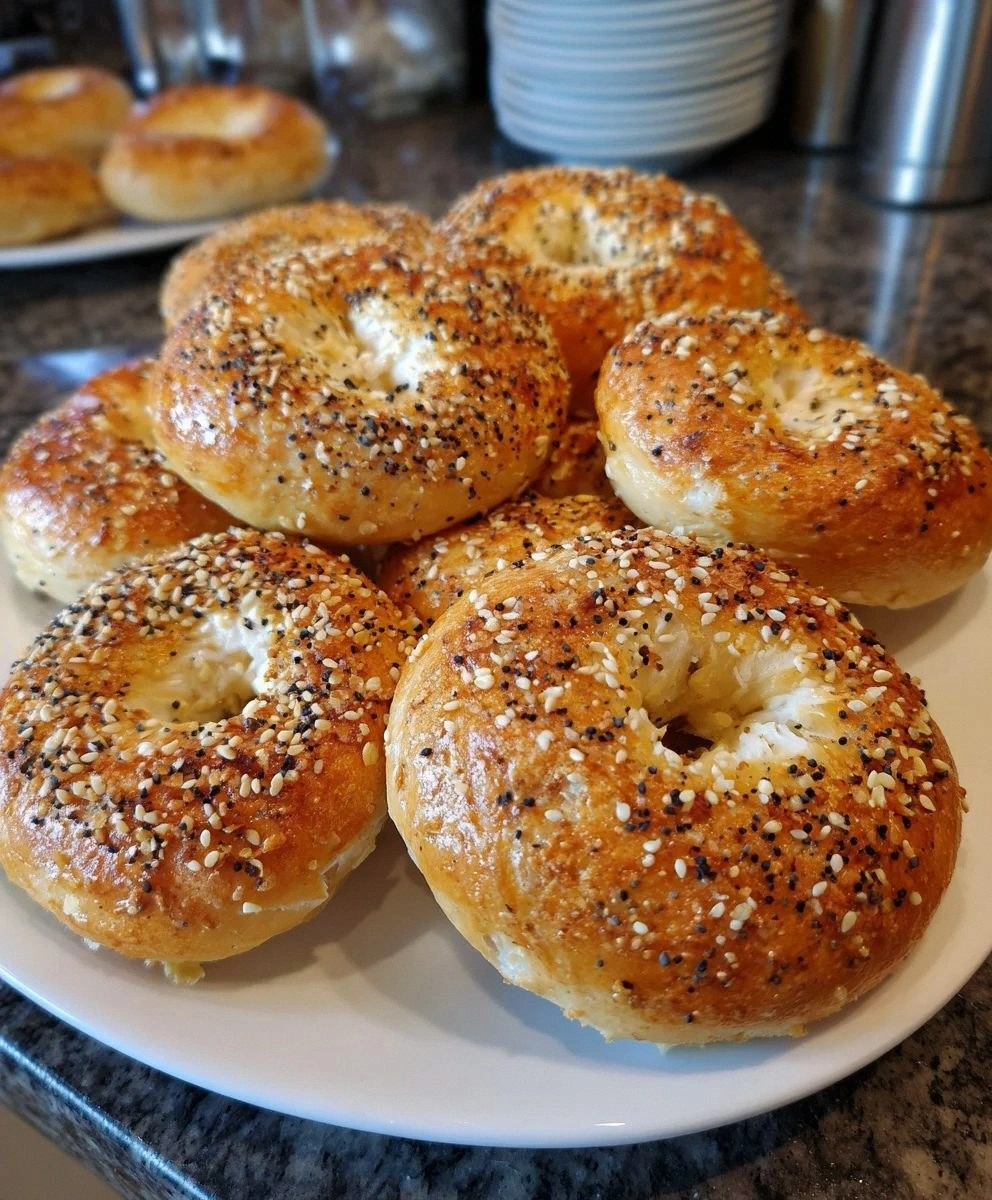
Picture yourself pulling these beauties from the oven, steam curling into the air, your kitchen smelling like a New York bakery. The exterior has that deep mahogany color, the everything seasoning clinging to every curve like edible confetti. Your first bite? Pure bliss. The tangy undertone from the yogurt dances with the nutty whole wheat flour, while the everything seasoning explodes with garlic and onion notes. Trust me, you'll be planning tomorrow's batch before you finish the first one.
I'll be honest—I ate three of these warm bagels straight from the baking sheet, no cream cheese required. My neighbor knocked on my door at 8 AM, drawn by the smell wafting through the hallway, and I had to physically restrain myself from hiding the entire batch. These aren't just good; they're life-changing good. Let me walk you through every single step—by the end, you'll wonder how you ever made it any other way.
What Makes This Version Stand Out
Lightning Fast: From mixing bowl to breakfast table in 45 minutes flat. While your coffee brews, you're shaping dough that'll transform into bakery-worthy bagels. Most recipes demand overnight rises and complicated techniques, but this one works with your actual morning schedule.
No Yeast Drama: Forget proofing, rising, and praying to the bread gods. Baking powder does all the heavy lifting here, creating steam pockets that give you that authentic bagel chew without any of the yeast-induced anxiety. Even my friend who kills succulents can nail this recipe.
Tangy Perfection: The Greek yogurt doesn't just add protein—it creates this subtle tang that mimics traditional sourdough bagels. It's like getting the flavor of a 24-hour fermentation in under an hour, and the probiotics give these bagels a nutritional edge over their commercial cousins.
Customizable Canvas: These bagels play nice with whatever flavors you're craving. Go classic with everything seasoning, sweet with cinnamon sugar, or savory with shredded cheese folded right into the dough. I dare you to taste this and not go back for seconds with a different topping combination.
Foolproof Texture: The yogurt's acidity reacts with the baking powder to create bagels that are somehow both dense and fluffy. You get that authentic chew without any gumminess, plus a gorgeous golden crust that crackles when you slice it. Most recipes get this completely wrong, ending up with either hockey pucks or bread rolls with identity crises.
Protein Powerhouse: Each bagel packs about 25 grams of protein thanks to the Greek yogurt, turning your morning carb-fest into something that actually keeps you full. My gym-rat brother calls them "stealth health food" because they taste like cheating but fuel like a protein shake.
Make-Ahead Magic: Mix the dough the night before and keep it wrapped in the fridge. In the morning, just shape and bake. Future pacing: imagine waking up to fresh bagels without any morning prep chaos.
Inside the Ingredient List
The Flavor Base: Greek Yogurt and Flour
Greek yogurt is the hero here, and not just any Greek yogurt will do. You want the thick, luxurious kind that holds its shape when you scoop it—full-fat or 2% works best because the extra fat creates a more tender crumb. Skip the non-fat stuff; it makes your bagels taste like diet food, and nobody wants that. The yogurt's lactic acid tenderizes the gluten in the flour, giving you that perfect chewy texture without any toughness. If you've ever struggled with dense, hockey-puck bagels, you're not alone—and I've got the fix right here.
All-purpose flour forms the backbone, but here's where it gets interesting. The protein content (usually around 10-12%) hits the sweet spot for bagel structure—enough gluten to give you chew, but not so much that your jaw gets a workout. I tested this recipe with bread flour once, and while it worked, the bagels were almost too chewy, like edible jawbreakers. Stick with AP flour unless you enjoy a serious jaw workout with your morning coffee.
The Rise Brigade: Baking Powder and Salt
Baking powder is your secret weapon here, and not just any baking powder. Make sure it's fresh—if it's been lurking in your pantry since last Thanksgiving, your bagels will rise like my motivation on Monday mornings. The double-acting stuff works best, releasing carbon dioxide once when it hits the yogurt's moisture and again when it meets the oven's heat. This two-stage rise creates those beautiful air pockets that make your bagels light instead of doorstops.
Salt does more than just make things taste good—it's the flavor amplifier that makes everything else sing. Too little and your bagels taste flat and sad; too much and they taste like a salt lick. I use kosher salt because the larger crystals distribute more evenly through the dough, but regular table salt works if that's what you've got. If you skip the salt entirely, don't say I didn't warn you when your bagels taste like cardboard's sad cousin.
The Golden Touch: Egg Wash and Toppings
The beaten egg isn't just for show—it's your ticket to that gorgeous mahogany crust that makes people think you went to culinary school. When the proteins in the egg hit the oven's heat, they create a shiny, protective barrier that turns deep golden brown. This isn't the time to get fancy with milk washes or butter—they won't give you that classic bagel shine. Brush it on right before baking, and don't be stingy; every uncovered spot stays pale and sad.
Toppings are where you get to play artist. Everything seasoning is classic for a reason—that savory blend of sesame, poppy, garlic, and onion makes every bite a flavor adventure. But don't stop there. Try cinnamon sugar for a sweet breakfast treat, or shredded cheddar that melts into crispy cheese frico on top. My personal favorite? A mix of za'atar and sesame seeds that turns these into Middle Eastern-inspired masterpieces.
The Unexpected Star: Whole Wheat Option
Here's where you can sneak in some extra nutrition without anyone noticing. Replace up to half the all-purpose flour with whole wheat for a nutty, slightly sweet flavor that complements the tangy yogurt perfectly. The key is using white whole wheat flour, not the regular kind that tastes like you're chewing on a wheat field. If you've got picky eaters, start with just a quarter whole wheat—they'll never notice the difference but you'll feel better about serving them.
The whole wheat adds fiber and a deeper flavor that makes these bagels more substantial. They'll keep you full longer, which means you're less likely to reach for that mid-morning donut. I've found that the whole wheat version actually tastes better the next day, while the all-white-flour ones are best fresh from the oven.
The Method — Step by Step
- Start by preheating your oven to 375°F (190°C). This isn't just busy work—getting the oven hot before you start mixing ensures your bagels hit that heat immediately, creating maximum steam for the best rise. Line a baking sheet with parchment paper or a silicone mat; trust me, you don't want to scrape stuck bagels off your pan. If you've ever tried making bagels without proper prep, you're not alone—and I've got the fix right here.
- In a large bowl, whisk together the flour, baking powder, and salt until they're best friends. This step seems basic, but it's crucial—those little baking powder clumps will create bitter pockets if you don't distribute them evenly. I like to use a fork for this because it breaks up any lumps while aerating the flour. Think of it as giving your dry ingredients a spa treatment before the main event.
- Add the Greek yogurt to the bowl and prepare for the magic moment. At first, it'll seem like there's no way this shaggy mess will become dough, but stay with me here—this is worth it. Use a fork to start incorporating, then switch to your hands when it gets thick. The dough should come together into a slightly sticky ball that holds its shape. If it's too wet, add flour a tablespoon at a time; too dry, add yogurt by the teaspoon.
- Turn the dough onto a lightly floured surface and knead for exactly 2 minutes. Set a timer—over-kneading develops too much gluten, making your bagels tough. You're looking for a smooth, elastic texture that springs back when poked. The dough should feel like a stress ball made of clouds, if that makes sense. This is the moment of truth where your bagels decide if they'll be tender or tooth-chipping.
- Divide the dough into 4 equal pieces for standard bagels, or 6 if you want mini ones perfect for kids or portion control. Roll each piece into a ball, then use your thumb to poke through the center and stretch it into a ring. The hole should be about 1.5 inches wide—it'll shrink during baking, so don't be shy. If you've ever wondered why your homemade bagels look like bread rolls with pinholes, here's why.
- Place the shaped bagels on your prepared baking sheet and brush them generously with the beaten egg. This is where you channel your inner artist—get every nook and cranny covered for maximum shine. Immediately sprinkle your chosen toppings while the egg wash is still wet; they'll stick like magic. Don't walk away from the stove here—once you start topping, you need to move fast before the wash dries.
- Bake for 22-25 minutes, but start checking at 20. You're looking for a deep golden-brown color that makes your kitchen smell like a professional bakery. The bottoms should be nicely browned too—lift one carefully to check. When they're done, they'll sound hollow when tapped and feel firm but not rock-hard. That sizzle when you open the oven? Absolute perfection.
- Let them cool for at least 10 minutes before slicing—this is the hardest part of the entire recipe. The cooling time lets the interior finish setting and prevents third-degree burns from molten cream cheese. Plus, slightly warm bagels are actually better than piping hot ones; the flavors have a chance to meld and intensify. Trust me, I've burned my mouth too many times to count because I'm impatient.
Insider Tricks for Flawless Results
The Temperature Rule Nobody Follows
Room temperature yogurt is your secret weapon here. Cold yogurt straight from the fridge makes the dough stiff and hard to work with, while room-temp yogurt creates a more pliable dough that shapes like a dream. I take my yogurt out 30 minutes before baking, but if you're impatient (hello, me), microwave it for 10 seconds max. Too hot and you'll scramble the proteins, creating weird lumps in your dough. The ideal temp is slightly cool to the touch but not cold—think Goldilocks, but for dairy.
Why Your Nose Knows Best
Your nose is the best doneness indicator you have. When these bagels are perfectly baked, your kitchen will smell like toasted nuts and warm bread with a hint of tanginess. If you still smell raw flour, they need more time. If you smell anything approaching burnt, you've gone too far. My neighbor jokes that she can tell when my bagels are done just by walking past my apartment—and she's usually right within a minute. Don't rely solely on the timer; trust your senses.
The 5-Minute Rest That Changes Everything
After shaping your bagels, let them rest on the counter for 5 minutes before egg-washing and baking. This brief relaxation period lets the gluten strands chill out, preventing your bagels from shrinking or cracking in the oven. A friend tried skipping this step once—let's just say it didn't end well. Her bagels looked like deflated inner tubes, all sad and wrinkled. Those 5 minutes are your insurance policy against bagel heartbreak.
The Steam Secret for Extra Rise
Place a metal baking pan on the bottom rack while your oven preheats. Right before you put the bagels in, pour 1/4 cup of hot water into the pan and quickly shut the door. The steam creates a humid environment that helps your bagels rise higher and develop a shinier crust. It's like giving them a spa treatment while they bake. Just be careful of the steam cloud—use oven mitts and stand back. This trick is what separates amateur bagels from the artisanal ones.
The Freezer Hack for Fresh Bagels All Week
Make a double batch and freeze half after baking and cooling completely. Wrap each bagel individually in plastic wrap, then stash them in a freezer bag. When you're ready to eat, pop one straight from the freezer into a 350°F oven for 8-10 minutes. It'll taste like you just baked it, with that same crispy crust and tender interior. This is how I survive busy weeks without resorting to sad store-bought bagels that taste like cardboard's depressed cousin.
Creative Twists and Variations
This recipe is a playground. Here are some of my favorite ways to switch things up:
Mediterranean Magic
Fold 2 tablespoons of sun-dried tomato paste and 1 tablespoon of dried oregano into your dough. Top with a mix of sesame seeds and crumbled feta cheese. These taste like a Greek island vacation in breakfast form—tangy, herby, and completely addictive. I serve them with a schmear of whipped feta and honey, which makes people think I'm way more sophisticated than I am.
Everything Bagel Plus
Make your own everything seasoning blend with 2 tablespoons each sesame and poppy seeds, 1 tablespoon each dried garlic and onion, and 1 teaspoon kosher salt. Add 1 teaspoon of caraway seeds for an unexpected twist that'll make people ask for your secret. This version is so popular at brunch, I've started making double batches because they disappear faster than free samples at Costco.
Cinnamon Roll Bagels
Roll your dough flat, spread with melted butter, brown sugar, and cinnamon, then roll up and slice like cinnamon rolls before forming into rings. Top with a cream cheese glaze after baking. These are dangerous—they taste like someone married a cinnamon roll and a bagel in Vegas, and somehow it works perfectly. My kids think these are dessert disguised as breakfast, and honestly, they're not wrong.
Jalapeño Cheddar Explosion
Mix 1/2 cup shredded sharp cheddar and 2 tablespoons diced pickled jalapeños into your dough. Top with extra cheese in the last 5 minutes of baking so it melts into a bubbly crown. These have just enough heat to wake up your taste buds without setting your mouth on fire. They're my go-to for impressing people who think homemade bagels are boring.
Chocolate Chip Dream
Gently fold 1/3 cup mini chocolate chips into your dough, being careful not to overmix. Skip the egg wash and instead brush with melted butter right out of the oven for extra richness. These taste like chocolate chip cookies had a baby with bagels, and it's as amazing as it sounds. They're particularly dangerous when warm, when the chocolate gets all melty and decadent.
Herb Garden Fresh
Add 2 tablespoons each of chopped fresh dill and chives to your dough. Top with a mix of sesame and poppy seeds. These taste like springtime in breakfast form—bright, fresh, and perfect with herb cream cheese. I make these when I want to feel fancy without any actual effort, because fresh herbs make everything taste like you tried harder than you did.
Storing and Bringing It Back to Life
Fridge Storage
Store cooled bagels in an airtight container at room temperature for up to 3 days, or in the fridge for up to a week. The yogurt acts as a natural preservative, keeping them fresher longer than regular bread. But let's be real—they're never around long enough to go stale in my house. If they start feeling a bit firm, wrap them in a damp paper towel and microwave for 15 seconds to restore that fresh-baked texture.
Freezer Friendly
These bagels freeze beautifully for up to 3 months. Slice them in half before freezing so you can pop them straight into the toaster from frozen. Wrap each half individually in plastic wrap, then store in a freezer bag with the air pressed out. Label with the date—future you will thank present you when you're rushing to work and need a grab-and-go breakfast that doesn't taste like cardboard.
Best Reheating Method
The oven is your friend here—350°F for 8-10 minutes from frozen, or 4-5 minutes for room temperature bagels. Add a tiny splash of water to the pan before reheating—it steams back to perfection, recreating that fresh-baked magic. The toaster works in a pinch, but watch closely as the everything seasoning can burn. Whatever you do, resist the microwave for reheating unless you enjoy rubbery bagels that taste like regret.