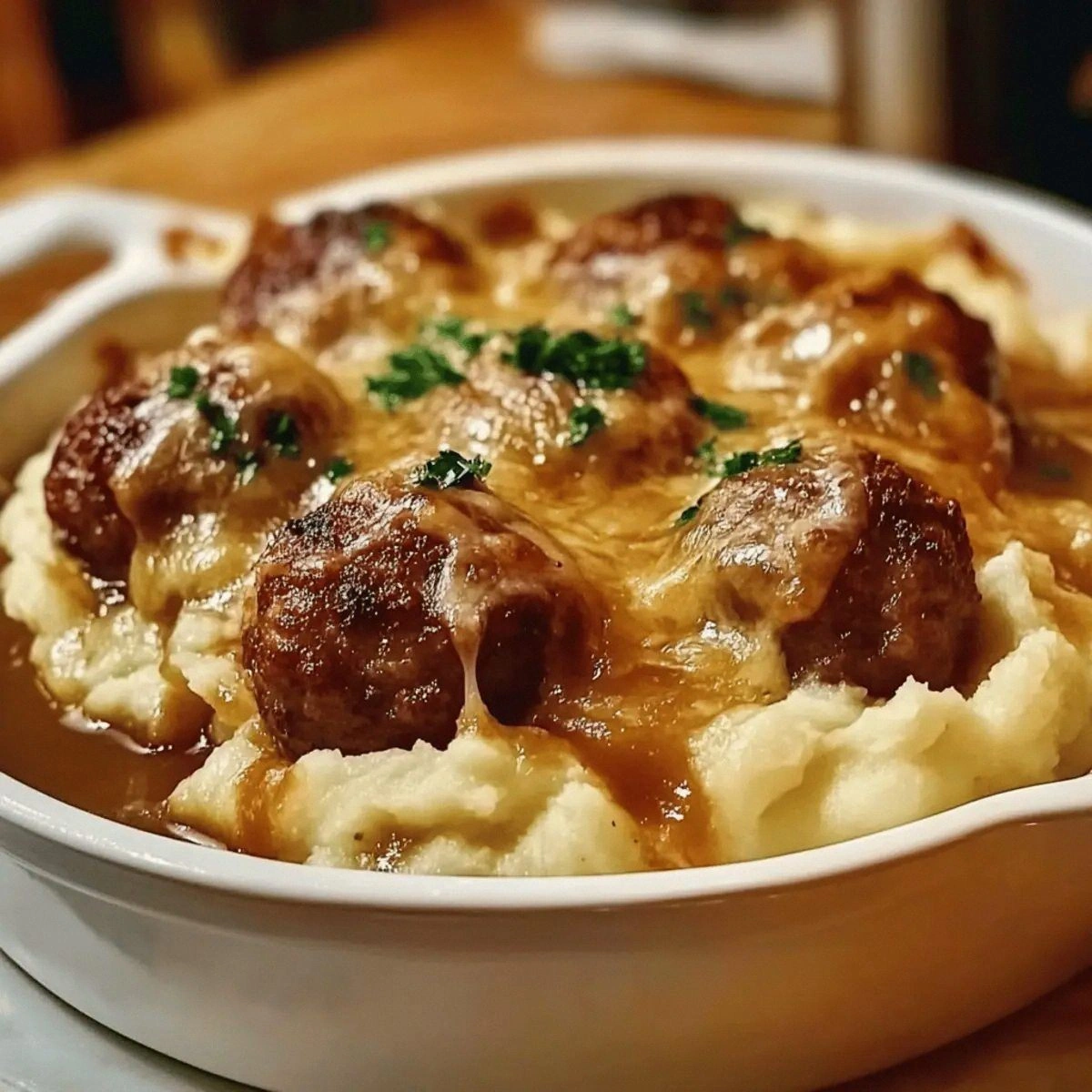
I swear, the first time I tried to make a potato gratin I ended up with a soggy, sad‑looking casserole that looked like a wilted garden after a rainstorm. My roommate laughed, I laughed, and then I promised myself I would never let a potato get away with that again. That promise turned into a full‑blown kitchen experiment that lasted three late‑night sessions, a handful of burnt edges, and a whole lot of cheese‑induced tears. The result? A dish so buttery, so cheesy, and so perfectly crisped that I dare you to taste it and not go back for seconds. This isn’t just any side—this is the kind of comfort food that makes you feel like you’ve been hugged by a French grandmother who also happens to be a master cheese monger.
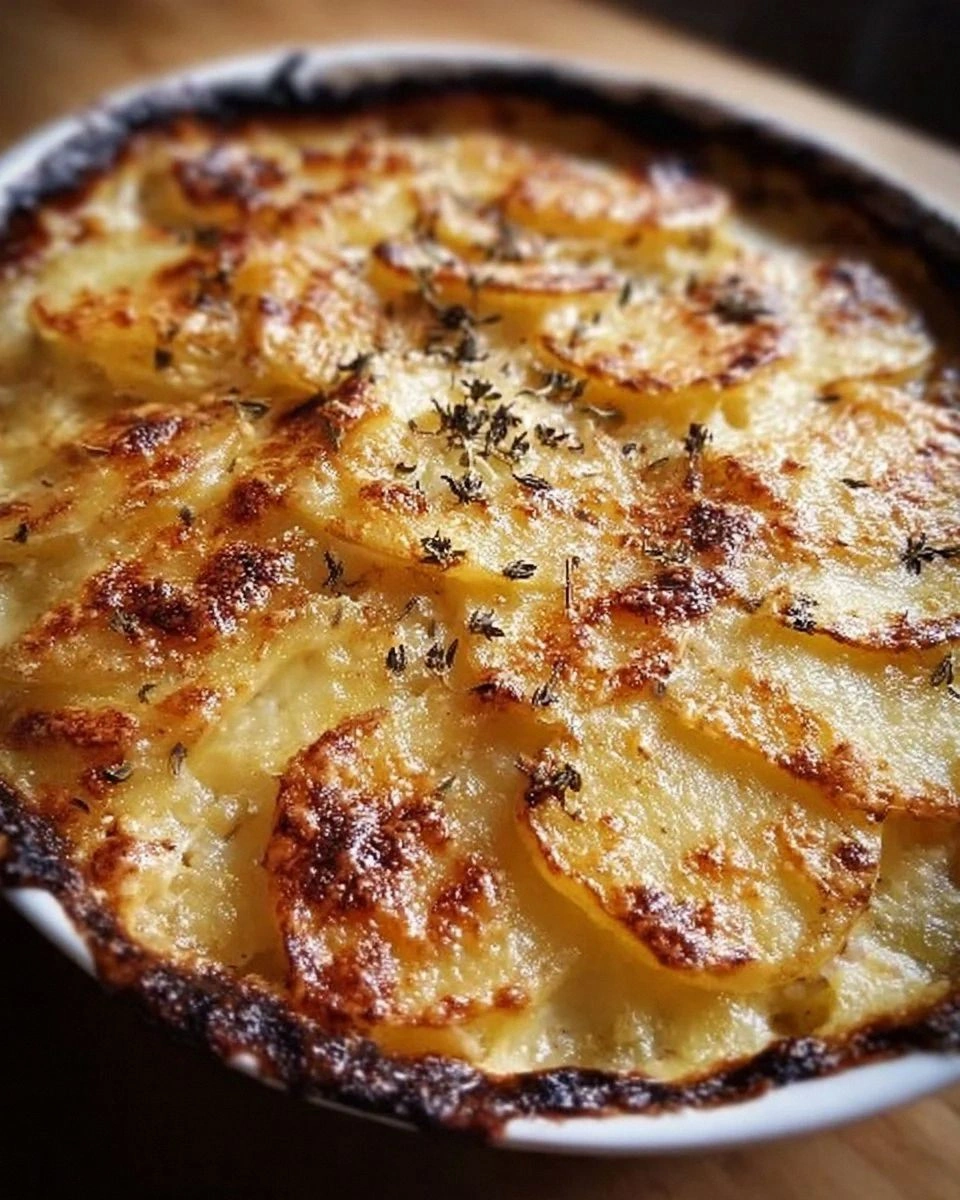
Picture this: a golden‑brown crust that cracks like thin ice when you dig your fork in, the aroma of caramelized onions (well, garlic powder, but you get the idea) mingling with the nutty perfume of Gruyère, and the deep, umami‑rich whisper of Parmesan that lingers in the air long after the oven door closes. The interior is a silky, velvety sea of cream and milk, cradling thinly sliced potatoes that have softened just enough to melt in your mouth but still retain a pleasant bite. You can hear the faint sizzle as the top browns, feel the heat radiating from the pan, and taste the buttery richness that makes each bite feel like a celebration.
What makes this version the undisputed champion of potato gratins? Most recipes get the balance of cream to cheese wrong, ending up either too watery or too dry, and they often skip the secret step that gives the top that glorious, crack‑to‑the‑bone crust. I’ve cracked the code: a two‑stage baking method, a precise ratio of heavy cream to milk, and a daring dash of fresh parsley that adds a pop of color and a hint of garden‑fresh brightness. The secret ingredient? A pinch of garlic powder that sneaks in at the right moment, delivering a subtle depth without overwhelming the delicate dairy flavors.
Okay, ready for the game‑changer? I’m about to walk you through every single step—by the end, you’ll wonder how you ever made a potato gratin any other way. I’ll reveal the technique that turns a humble tuber into a star‑studded centerpiece, the exact timing that guarantees a perfectly caramelized top, and a few pro‑tips that will make your kitchen feel like a five‑star restaurant. So roll up those sleeves, preheat that oven, and let’s dive into the most unforgettable Parmesan & Gruyère Potato Gratin you’ll ever taste.
What Makes This Version Stand Out
- Flavor Fusion: The marriage of sharp Parmesan and nutty Gruyère creates a layered cheese profile that sings louder than any single‑cheese gratin you’ve tried before.
- Texture Triumph: A crisp, caramelized crust sits atop a luxuriously creamy interior, delivering contrast that keeps every bite exciting.
- Simplicity: Despite the gourmet vibe, the ingredient list is short, the steps are straightforward, and you don’t need any fancy equipment.
- Unique Twist: A whisper of garlic powder and a sprinkle of fresh parsley add depth and freshness without stealing the spotlight.
- Crowd‑Pleaser: This dish has become the go‑to at every potluck, holiday dinner, and Sunday family brunch—people literally line up for seconds.
- Ingredient Quality: Using russet potatoes ensures a fluffy interior, while high‑quality Gruyère and Parmesan amplify the umami factor.
- Cooking Method: A two‑stage bake (low‑heat start, high‑heat finish) guarantees even cooking and a flawless crust.
- Make‑Ahead Magic: Assemble the night before, refrigerate, and bake fresh in the morning—perfect for busy hosts.
Inside the Ingredient List
The Flavor Base
The heavy cream and whole milk are the backbone of this gratin, creating a luscious custard that binds the potatoes together. Heavy cream adds richness and a silky mouthfeel, while the milk lightens the mixture just enough to avoid a greasy finish. If you swap the milk for half‑and‑half, you’ll get an even richer sauce, but you might lose a bit of the delicate balance that lets the cheese shine.
Garlic powder, though often overlooked, is the silent hero here. It infuses the cream with a subtle aromatic note that amplifies the cheese without overwhelming it. If you’re a garlic lover, feel free to increase it to 1½ teaspoons, but remember—less is more when you want the cheese to stay front and center.
The Texture Crew
Russet potatoes are the workhorse of this dish. Their high starch content means they break down just enough during baking to become melt‑in‑your‑mouth, yet they still hold their shape, providing that satisfying bite. When selecting potatoes, look for ones that are firm, with no green spots or sprouts—freshness translates directly to texture.
A pinch of black pepper adds a gentle heat that cuts through the richness, while the salt enhances every other flavor. If you’re watching sodium, you can reduce the salt to ¾ teaspoon, but keep the pepper to maintain that subtle kick.
The Unexpected Star
Parmesan isn’t just a garnish—it’s a flavor amplifier. Its sharp, salty profile adds depth and a beautiful golden crust when it melts and browns. Grating it fresh right before you bake ensures the best melt and prevents a gritty texture that pre‑grated cheese can sometimes cause.
Fresh parsley might seem like a mere garnish, but its bright, herbaceous note lifts the entire dish, preventing the richness from feeling heavy. If you’re out of parsley, a sprinkle of chives or a dash of thyme works just as well.
The Final Flourish
A drizzle of melted butter over the top before the final high‑heat blast creates that coveted crackly crust. The butter interacts with the cheese proteins, forming a Maillard‑rich layer that shatters like delicate glass when you cut into it. For an extra layer of flavor, you can sprinkle a handful of panko breadcrumbs mixed with a touch of melted butter just before the final bake.
Everything’s prepped? Good. Let’s get into the real action…
The Method — Step by Step
Preheat your oven to 325°F (163°C). While the oven warms, grease a 9‑x‑13‑inch baking dish with a generous swipe of butter. This low‑and‑slow start ensures the potatoes cook evenly from the inside out before we crank up the heat for that golden top.
In a large saucepan, combine the heavy cream, milk, garlic powder, salt, and black pepper. Heat over medium‑low until just simmering—watch closely, you want tiny bubbles forming around the edges, not a rolling boil. Once simmering, remove from heat; this is where the flavors meld together like old friends at a reunion.
Layer half of the thinly sliced potatoes in the prepared dish, overlapping them slightly. Sprinkle half of the shredded Gruyère and half of the grated Parmesan over the potatoes. This layering technique creates pockets of melted cheese that burst open as you bite.
Pour half of the hot cream mixture over the first layer, letting it seep into every crevice. Then repeat with the remaining potatoes, cheese, and cream, finishing with a generous blanket of the cheese mixture on top.
Kitchen Hack: After assembling, cover the dish tightly with foil. This traps steam, ensuring the potatoes become fork‑tender before the crust forms.Place the foil‑covered dish in the oven and bake for 35 minutes. At this point, the potatoes should be just about tender—you can test with a knife; it should slide in with a slight resistance. If you hear a gentle hiss, that’s the steam doing its job.
Remove the foil, then drizzle the top with a tablespoon of melted butter and sprinkle the remaining Parmesan and Gruyère. This is the moment of truth: the cheese will start to bubble, and the butter will create those coveted, crackly edges.
Increase the oven temperature to 425°F (218°C) and bake uncovered for an additional 20‑25 minutes, or until the top is a deep golden‑brown and the edges are pulling away from the sides of the dish.
Watch Out: Keep a close eye during this high‑heat phase; the cheese can go from perfectly caramelized to burnt in 30 seconds.Once the crust is beautifully bronzed, pull the gratin out and let it rest for 10 minutes. This rest period allows the custard to set, making it easier to slice without the layers sliding apart. While it rests, sprinkle the fresh parsley over the top for a pop of color and a hint of freshness.
Serve hot, straight from the dish, and watch your guests’ faces light up as they dig in. That first bite? It’s the buttery, cheesy, creamy dream you’ve been promising all week. And remember: I’ll be honest — I ate half the batch before anyone else got to try it.
That's it — you did it. But hold on, I've got a few more tricks that'll take this to another level...
Insider Tricks for Flawless Results
The Temperature Rule Nobody Follows
Most home cooks bake a gratin at a single temperature, which either leaves you with soggy potatoes or a burnt top. The secret is a two‑stage bake: start low to cook the potatoes through, then finish high to caramelize the cheese. Trust me, this method creates a uniform texture that’s both creamy and crisp.
Why Your Nose Knows Best
Your sense of smell is a better indicator of doneness than a timer. When the cheese starts to emit that nutty, slightly sweet aroma, you’re on the cusp of perfection. If you catch that scent early, you can pull the dish out a minute or two before the timer expires, ensuring the crust stays tender, not brittle.
The 5‑Minute Rest That Changes Everything
Resist the urge to dive in immediately. Letting the gratin rest for five to ten minutes allows the custard to firm up, making each slice hold its shape. A friend once tried to serve it straight from the oven and ended up with a soupy mess—let's just say it didn’t end well.
Butter‑Brush Finish
A quick brush of melted butter over the top just before the high‑heat blast creates that glossy, crackly finish. If you’re feeling extra indulgent, mix a teaspoon of smoked paprika into the butter for a subtle smoky undertone that pairs beautifully with the Gruyère.
Parmesan Perfection
Always use freshly grated Parmesan, not the pre‑grated kind. Fresh cheese melts more evenly and yields a richer flavor.
Creative Twists and Variations
This recipe is a playground. Here are some of my favorite ways to switch things up:
Smoky Bacon & Cheddar
Swap half of the Gruyère for sharp cheddar and fold in crispy bacon bits. The smoky, salty bacon adds a hearty depth that makes this gratin perfect for a brunch spread.
Herb‑Infused Delight
Add a tablespoon of mixed fresh herbs—thyme, rosemary, and chives—to the cream mixture. The herbs infuse the custard with aromatic notes that complement the cheese beautifully.
Vegan Velvet
Replace the heavy cream with coconut cream, use plant‑based milk, and swap the cheeses for a vegan Gruyère‑style shreds and nutritional yeast. The result is a dairy‑free version that still delivers that creamy, cheesy comfort.
Spicy Jalapeño Kick
Stir in finely diced jalapeños and a pinch of cayenne into the cream. The heat cuts through the richness, making it a bold side for taco nights or barbecues.
Root Veggie Medley
Mix in thinly sliced sweet potatoes, parsnips, or turnips with the russets. The varied colors and subtle sweetness add visual appeal and a nuanced flavor profile.
Storing and Bringing It Back to Life
Fridge Storage
Allow the gratin to cool completely, then cover tightly with foil or plastic wrap. It will keep in the refrigerator for up to 4 days. Reheat in a 350°F oven for 20 minutes, covered with foil to retain moisture, then uncover for the last 5 minutes to revive the crust.
Freezer Friendly
Portion the uncooked, assembled gratin into freezer‑safe containers, then freeze for up to 2 months. When ready, bake it straight from frozen at 350°F for 45 minutes covered, then finish with the high‑heat crust step. This is a lifesaver for busy weeknights.
Best Reheating Method
For the crispiest revival, sprinkle a tiny splash of water around the edges before reheating. The steam generated keeps the interior moist while the top re‑crispes beautifully. If you’re in a hurry, the microwave works, but you’ll lose the glorious crust.