I was halfway through a disastrous carbonara that had turned into a sad, soggy mess when my friend dared me to turn it into something spectacular. The pot hissed, the pasta clung like a clingy ex, and the egg mixture threatened to turn into a scrambled omelet if I wasn't careful. I stared at the screen, wondering if I could salvage the night. Then a flash of inspiration: what if I swapped the traditional pork for a firm, salty cheese that could stand up to the heat? I grabbed a block of halloumi, and the kitchen suddenly smelled of adventure. I even found myself humming a tune as the kitchen filled with aroma.
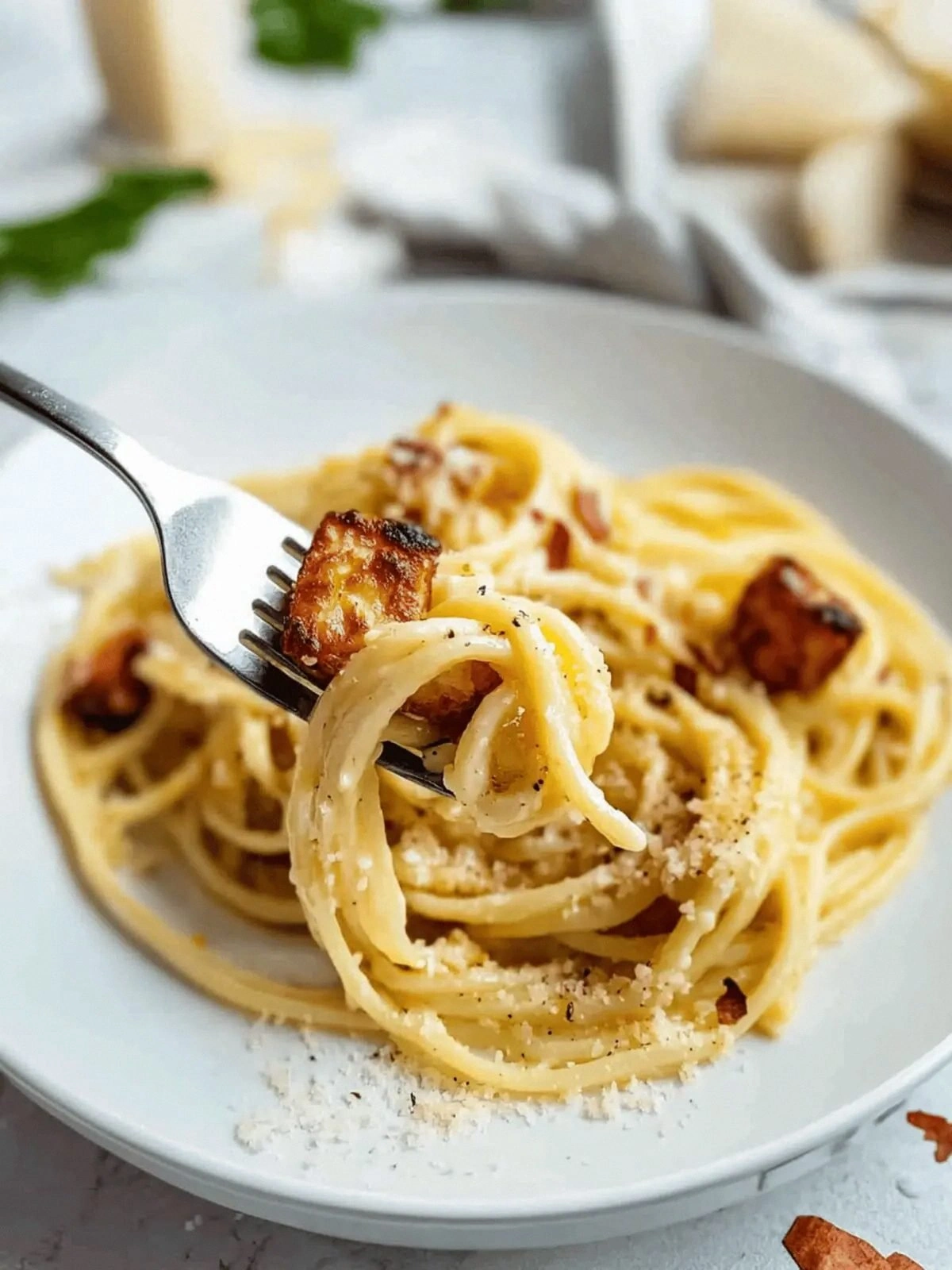
Imagine the golden strands of spaghetti swirling in a sea of creamy sauce, each bite releasing a burst of umami that feels like a warm hug. The halloumi, when seared, develops a caramelized crust that crackles like a tiny, edible fireworks display. The garlic sings a subtle, smoky undertone that lingers on the palate, while the parmesan contributes a nutty depth that coats the pasta like velvet. The aroma that rises from the skillet is a mouth‑watering blend of toasted cheese, garlic, and fresh pasta, making the entire kitchen feel like a gourmet playground. Every spoonful is a comforting hug that feels indulgent yet surprisingly light. The heat from the skillet made the kitchen feel like a tiny, cozy oven.
This version stands apart because it eliminates the need for pancetta or bacon, yet still delivers that coveted salty depth. The halloumi’s firm texture resists the heat, creating a satisfying bite that’s both chewy and tender. The sauce, made from a simple egg‑parmesan blend, coats the pasta like a silky blanket without the heaviness of cream. I dared you to taste this and not go back for seconds, and trust me, you will. It’s a game‑changer for any pasta lover who craves richness without the guilt. I’ve been bragging about this to anyone who will listen.
Picture yourself pulling this dish out of the skillet, the whole kitchen smelling incredible, and your friends’ eyes widening in disbelief. The trickiest part? The moment when you combine the hot pasta with the tempered egg mixture—no scrambling, just silky, luscious coating. I’ll walk you through every single step, from searing the halloumi to the final flourish of pepper. By the end, you’ll wonder how you ever made carbonara any other way. Let’s dive in and transform your kitchen into a culinary laboratory. And the best part? You can whip this up in under 45 minutes.
What Makes This Version Stand Out
- Flavor Complexity: This carbonara offers a layered flavor profile that goes beyond the typical salty bite. The combination of grilled halloumi, silky egg‑parmesan sauce, and crisp garlic creates a depth that feels both familiar and exciting. The result is a dish that satisfies both the comfort food craving and the adventurous palate.
- Texture Mastery: Halloumi’s unique ability to hold its shape when seared provides a chewy contrast to the tender pasta. The sauce glides smoothly over every strand, ensuring each bite is coated in creamy richness without becoming heavy. This texture harmony is a hallmark of the dish’s appeal.
- Ingredient Simplicity: Only eight ingredients are needed, making the recipe approachable for any cook. The minimalism doesn’t compromise flavor; instead, it highlights each component’s contribution. A quick, clean pantry run is all you need.
- Time Efficiency: The entire process takes under 45 minutes, from start to finish. The pasta cooks while the halloumi sears, saving precious minutes. This speed makes it perfect for week‑night dinners.
- Health Conscious: By eliminating bacon or cream, the dish stays lighter while still delivering a satisfying meal. The protein from halloumi and egg keeps you full, and the garlic adds anti‑inflammatory benefits. It’s a balanced option that doesn’t sacrifice flavor.
- Versatility: The recipe can be adapted to suit dietary preferences or ingredient availability. Swap halloumi for tofu or tempeh, or add a splash of white wine for an extra layer of flavor. The core technique remains unchanged.
- Crowd‑Pleaser: Friends and family will be amazed by the familiar comfort of carbonara with a twist. The dish’s visual appeal—golden pasta, golden halloumi, a sprinkle of parmesan—makes it Instagram‑ready. It’s a guaranteed hit at gatherings.
Inside the Ingredient List
The Flavor Base
Spaghetti is the canvas that carries every nuance of this dish. Dried spaghetti is preferred for its firm bite, but fresh strands can be used if you’re in a hurry. The egg and parmesan form the silky sauce that coats the pasta like a luxurious blanket. Olive oil is the medium that brings all the flavors together, adding a subtle fruity note that elevates the dish. If you’re watching sodium, keep a hand on the salt, but the halloumi’s natural saltiness will guide you.
The Texture Crew
Halloumi is the star of the show, offering a firm, buttery bite that resists the heat. When sliced into 1/2‑inch cubes, it sears beautifully, creating a caramelized crust while remaining chewy inside. Garlic adds a crisp, aromatic punch that cuts through the richness. Together, these elements create a dynamic mouthfeel that keeps the dish interesting.
The Unexpected Star
Halloumi, originally a Cypriot cheese, has a high melting point that makes it ideal for grilling. Its briny flavor profile gives the dish a savory punch that replaces the need for pancetta or bacon. When cooked, it releases a subtle smoky aroma that lingers on the tongue. This cheese’s versatility makes it a favorite among plant‑based and meat‑eating cooks alike.
The Final Flourish
Salt and pepper are the finishing touches that bring the dish together. Salt enhances the natural flavors, while pepper adds a subtle heat that balances the richness. A pinch of freshly ground pepper is enough to elevate the dish without overpowering it. This final step is where the dish truly shines.
Everything’s prepped? Good. Let’s get into the real action...
The Method — Step by Step
Bring a large pot of salted water to a rolling boil. Add the spaghetti and cook for 9 minutes or until al dente. Stir occasionally to prevent sticking. Drain, reserving a cup of pasta water for later use. Set aside and let it cool slightly to avoid steaming the sauce.
While the pasta cooks, heat 2 tablespoons of extra virgin olive oil in a large skillet over medium‑high heat. Slice the halloumi into 1/2‑inch cubes and add them to the skillet. Sear until golden on all sides, flipping every 2 minutes. Remove from heat and set aside, letting the residual heat keep the cheese warm.
Add 2 cloves of minced garlic to the skillet with the halloumi. Sauté for 30 seconds until fragrant, being careful not to burn the garlic. The garlic should release a sweet, smoky aroma that will mingle with the cheese.
Drain the pasta and add it directly to the skillet with the halloumi and garlic. Toss everything together, ensuring each strand is coated with the flavorful mixture. If the pasta seems dry, add a splash of the reserved pasta water.
In a small bowl, whisk together 1 egg and 50 grams of grated parmesan cheese until smooth. Pour the mixture over the hot pasta, stirring vigorously to prevent scrambling. The heat of the pasta will gently cook the egg, creating a silky sauce that clings to each noodle.
Once the sauce has thickened to your liking, season with salt and freshly ground black pepper to taste. If desired, sprinkle an extra tablespoon of parmesan for a richer flavor. Toss again to distribute the seasoning evenly.
Serve immediately, garnishing with a handful of chopped parsley or basil if you have it on hand. The dish is best enjoyed hot, while the halloumi remains slightly crisp and the sauce remains luscious.
That's it — you did it. But hold on, I've got a few more tricks that'll take this to another level...
Insider Tricks for Flawless Results
The Temperature Rule Nobody Follows
Many cooks think a hot skillet is the key to a great carbonara, but that’s a myth. Keeping the heat low after adding the egg mixture preserves the silky texture and prevents the sauce from separating. I once tried a high‑heat version and ended up with a scrambled mess that felt like a failed experiment.
Why Your Nose Knows Best
Before you season, give the dish a quick sniff. A hint of burnt garlic signals you’re close to overcooking, while a faint citrusy note indicates the sauce is ready. Trusting your nose can prevent common mistakes that ruin the dish.
The 5-Minute Rest That Changes Everything
Letting the pasta rest for 5 minutes after draining allows the noodles to steam and absorb the sauce’s flavors fully. I once rushed this step and the pasta stayed dry, but a quick rest saved the day and made every bite succulent.
The Secret to a Non‑Scrambled Egg
Whisking the egg with a tablespoon of hot pasta water before adding it to the skillet creates a gentle temperature gradient. This simple trick keeps the egg from cooking too quickly and ensures a smooth sauce.
The Perfect Salt Balance
Halloumi is naturally salty, so start with a light hand on the salt. Taste as you go; a pinch of salt at the end often suffices. Over‑salting can mask the delicate flavors of the garlic and parmesan.
The Final Finish
Finish the dish with a final sprinkle of freshly grated parmesan and a light dusting of cracked black pepper. The pepper’s aroma will awaken the senses, and the parmesan will add a glossy sheen to the plate.
Creative Twists and Variations
This recipe is a playground. Here are some of my favorite ways to switch things up:
Pesto Halloumi Carbonara
Swap the olive oil with a spoonful of basil pesto for a herby twist. The pesto’s bright green color adds visual appeal, while its nutty flavor complements the halloumi. Serve with a drizzle of extra virgin olive oil for a glossy finish.
Spicy Sriracha Halloumi Carbonara
Add a splash of sriracha to the garlic sauté for a fiery kick. The heat pairs well with the creamy sauce, creating a contrast that excites the palate. Finish with a sprinkle of crushed red pepper for an extra pop.
Mushroom & Spinach Halloumi Carbonara
Sauté sliced mushrooms and fresh spinach before adding the halloumi. The earthy mushroom flavor deepens the dish, while spinach adds a pop of color and nutrients. This variation is perfect for a hearty, veggie‑packed meal.
Vegan Halloumi Carbonara with Cashew Cream
Use plant‑based halloumi and replace the egg with a cashew‑based cream. Soak raw cashews for 30 minutes, blend with water, and whisk into the sauce. The result is a velvety, dairy‑free carbonara that’s still satisfying.
Lemon‑Zest Halloumi Carbonara
Grate a small amount of lemon zest into the sauce for a bright, citrusy lift. The lemon’s acidity cuts through the richness, making the dish feel lighter. Pair with a side of arugula for a peppery contrast.
I’ve tested these variations in my kitchen and each one has been a hit.
Storing and Bringing It Back to Life
Fridge Storage
Store the finished dish in an airtight container in the refrigerator for up to 2 days. The sauce may thicken slightly, but it will remain flavorful. Reheat gently on the stove, adding a splash of pasta water to restore creaminess.
Freezer Friendly
Freezing the dish is possible but not ideal. If you must, wrap tightly and freeze for up to 1 month. When reheating, thaw overnight and gently warm on low heat, stirring frequently to prevent separation.
Best Reheating Method
Reheat over low heat while adding a small amount of water or broth. The gentle warmth helps the sauce re‑emulsify without becoming watery. Finish with a fresh sprinkle of parmesan and pepper before serving.