I was halfway through a disastrous dinner—spicy lentils that tasted like a bland, over‑cooked stew—when a friend dared me to create something that would make my taste buds sing. The kitchen was a chaotic symphony of sizzling onions, the sharp snap of garlic, and the warm aroma of ginger dancing in the air. I stared at the pot, feeling the heat rise, and thought, “This is the moment to turn a flop into a triumph.” I grabbed my trusty skillet, and the first sizzle felt like a promise that this dish would be hands down the best version you'll ever make at home. By the end of this post, you'll wonder how you ever cooked lentils without this creamy, coconut‑kissed, spice‑laden masterpiece.
Picture yourself pulling this out of the pot, the whole kitchen smelling incredible, and seeing a glossy, golden sauce that coats the lentils like velvet. The sound of the broth bubbling is a gentle lullaby, while the steam carries a faint citrus hint that makes your nose do a happy dance. The texture is a delicate balance—soft lentils that cling together, yet each bite releases a burst of coconut richness. The color is a warm amber that invites you to dig in, and the aroma is a heady mix of cumin, turmeric, and fresh ginger. If you've ever struggled with bland lentils, you're not alone—and I've got the fix that will transform your routine into a culinary celebration.
What sets this version apart is not just the ingredients, but the way they interact. I dared myself to use a generous splash of coconut milk and a touch of lime zest to lift the earthiness of the lentils. I experimented with a blend of curry powder and garam masala that delivers depth without overpowering. I added spinach at the end to create a vibrant green contrast that also boosts nutrition. I chose a quick, one‑pot method that saves time and cleans up, proving that convenience can coexist with flavor. The result? A dish that feels luxurious, comforting, and surprisingly easy to make.
Okay, ready for the game‑changer? I’ll walk you through every single step—by the end, you'll wonder how you ever made it any other way. From the first sizzle to the final garnish, every moment is a chance to elevate the dish. I’ll share micro‑challenges like tasting the sauce before the lentils are fully cooked, and bold claims about the sauce’s silky finish. I’ll confess that I ate half the batch before anyone else got a taste, because it was that good. Stay with me here—this is worth it.
What Makes This Version Stand Out
- Flavor: A bold, aromatic spice blend that cuts through the earthiness of lentils and adds a warm, comforting depth. The combination of cumin, turmeric, and garam masala creates a layered profile that feels both exotic and familiar. It’s a flavor punch that will make you say, “I dare you to taste this and not go back for seconds.”
- Texture: Creamy coconut milk turns the dish into a silky sauce that clings to each lentil, while the quick sauté of onions and garlic gives a subtle crunch that contrasts the softness. The result is a mouthfeel that feels luxurious without being heavy. The final stir of spinach adds a slight bite that keeps the dish from becoming mushy.
- Convenience: One‑pot, no‑fuss cooking that saves you from a mountain of dishes. Prep time is just 10 minutes, and the entire process takes 30 minutes, making it a perfect weeknight dinner. The recipe’s simplicity is a major win for busy cooks who still crave gourmet flavor.
- Ingredient Quality: Using full‑fat coconut milk gives a richer, more authentic taste compared to light or canned alternatives. Fresh ginger and garlic elevate the dish, and the optional diced tomatoes add a subtle acidity that balances the sweetness of the coconut. Choosing high‑quality spices ensures a bright, clean flavor.
- Versatility: The base can be easily swapped for chickpeas, tofu, or shrimp, making it adaptable to vegan, vegetarian, or pescatarian diets. The dish works as a main course or a side, and it pairs beautifully with rice, naan, or quinoa. It’s a crowd‑pleaser that can be made ahead or served fresh.
- Make‑Ahead Potential: The curry tastes even better the next day, as the flavors meld. It can be reheated in the microwave or on the stovetop with a splash of water to restore its silky texture. The dish stays fresh in the fridge for up to 4 days, making it a practical option for meal prep.
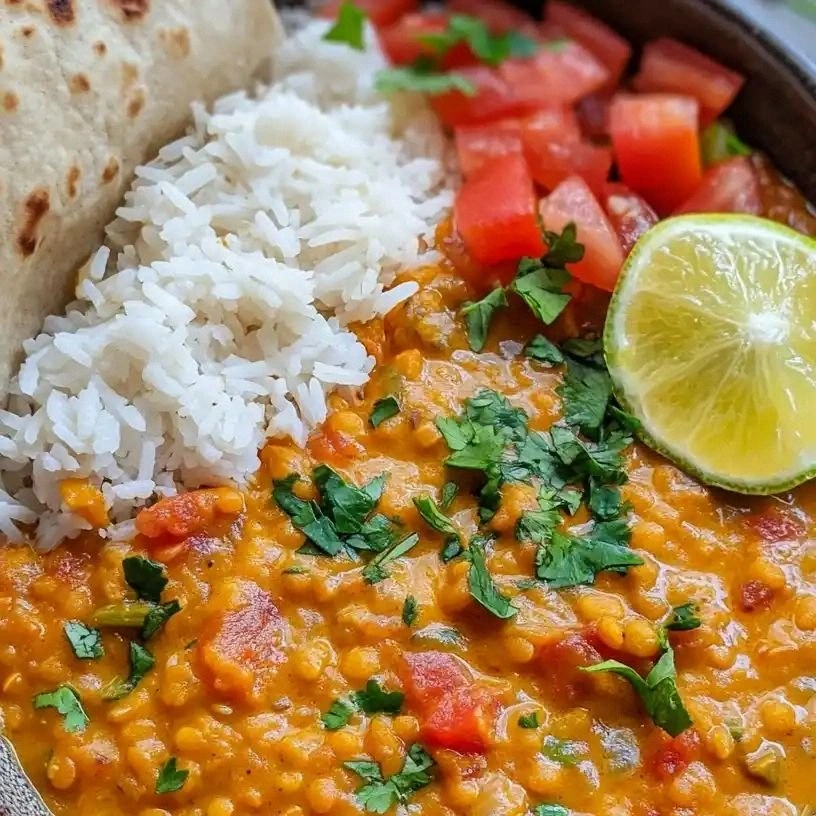
- Visual Appeal: The golden hue of the coconut sauce against the bright green of spinach and the pop of cilantro makes it Instagram‑ready. The dish’s presentation is as stunning as its taste, ensuring that you’ll be proud to serve it to friends and family.
Inside the Ingredient List
The Flavor Base
Olive oil is the first layer that brings warmth and prevents the spices from sticking. It also adds a subtle fruity note that balances the earthiness of the lentils. Skipping it will make the sauté a bit dry, but you can substitute with a neutral oil if you’re watching calories. For a richer flavor, use a high‑smoke‑point oil like avocado or grapeseed.
Yellow onion provides a sweet, caramelized foundation when cooked just right. Its natural sugars deepen the sauce’s color and add a mellow sweetness that contrasts the heat from the spices. If you’re allergic, red onion works but will give a sharper bite. Don’t rush the sauté; a medium‑low heat lets the onions release their sugars slowly.
Garlic is the aromatic hero that delivers depth and a bit of bite. Crushing the cloves before adding them releases more flavor than slicing. If you prefer a milder taste, reduce the cloves to two. Garlic also helps to mellow the heat from the spices.
Fresh ginger adds a bright, peppery zing that cuts through the richness of the coconut milk. Grated ginger integrates smoothly, but a small piece of sliced ginger will give a slightly different texture. Keep it fresh; dried ginger can be too harsh and will alter the overall profile.
The Spice Ensemble
Curry powder is the backbone of this dish, offering a blend of cumin, coriander, turmeric, and sometimes fenugreek. It gives the curry its signature warm, earthy depth. Use a good quality, freshly ground powder for maximum flavor; pre‑ground can taste flat.
Ground cumin adds a nutty, slightly peppery undertone that complements the turmeric. It’s the spice that brings the dish together, giving it that familiar, comforting warmth. If you don’t have cumin, try a pinch of coriander for a lighter note.
Turmeric is the golden pigment that not only adds color but also offers a subtle, slightly bitter note that balances the sweetness of coconut. It also provides anti‑inflammatory benefits. Use a half teaspoon; too much can overpower the dish.
Garam masala is the final flourish that adds a fragrant, slightly sweet aroma. It’s added at the end to preserve its delicate flavor and to give the dish a finishing touch that feels like a secret ingredient. A half teaspoon is enough for a 4‑serving batch.
The Protein & Texture Crew
Red lentils are the star of the show—fast‑cooking, soft, and naturally sweet. They absorb flavors beautifully and become a velvety base for the sauce. If you prefer a firmer bite, switch to green or brown lentils and cook longer.
Vegetable broth provides the liquid foundation and infuses the lentils with savory depth. Use low‑sodium broth to control the salt level, or make your own for a personalized touch. If you’re vegetarian, a mushroom broth adds a umami kick.
Full‑fat coconut milk gives the curry its creamy, luxurious texture and a subtle tropical sweetness. The fat content is essential for a silky mouthfeel; lighter versions will feel watery. If you’re vegan, ensure the coconut milk is free from added thickeners.
Optional diced tomatoes add a bright acidity that cuts through the richness of coconut and balances the spices. They also contribute a subtle sweetness and a pleasant texture. If you prefer a pure coconut flavor, you can skip them entirely.
The Final Flourish
Spinach or kale adds a burst of color, nutrients, and a slight earthy bite that complements the curry’s depth. Adding it at the end keeps the greens bright and prevents them from becoming soggy. If you’re a kale lover, use a smaller amount to avoid bitterness.
Fresh cilantro and lime wedges finish the dish with a bright, herbal, and citrusy punch that lifts the overall flavor profile. The cilantro’s herbaceous note balances the warmth of the spices, while lime adds a zesty brightness. A squeeze of lime right before serving is essential; it’s the final flourish that turns the dish from good to unforgettable.
Everything's prepped? Good. Let's get into the real action.
The Method — Step by Step
- Heat the olive oil in a large, heavy‑bottomed pot over medium heat. Let the oil shimmer before adding the finely diced onion. Sauté until the onion turns translucent and starts to caramelize, about 5–6 minutes. The aroma should smell like a warm, buttery kitchen. This is the moment of truth where the base flavor is set.
- Add the minced garlic and grated ginger to the pot. Stir constantly for 30 seconds until the mixture becomes fragrant. Be careful not to let the garlic burn; it will turn bitter. The sizzling sound is a good indicator that the aromatics are ready. This step releases the spices’ essential oils.
- Stir in the curry powder, cumin, turmeric, and garam masala. Cook the spice blend for 2 minutes, letting the spices toast slightly. The pot should emit a warm, nutty aroma. This toast step unlocks deeper flavors in the spices. Keep the heat moderate to avoid scorching.
- Add the red lentils, vegetable broth, and diced tomatoes (if using). Stir to combine all ingredients. Bring the mixture to a gentle boil, then reduce the heat to low and cover. The lentils should simmer until they are tender, about 15 minutes. The pot should emit a comforting steam that makes you want to sigh in contentment.
- Once the lentils are cooked, pour in the coconut milk and stir until well blended. The sauce should thicken slightly and take on a glossy, amber hue. Let it simmer uncovered for 5 minutes to allow the flavors to meld. Taste and season with salt and pepper to your liking. This is the stage where the dish transforms into a silky, indulgent curry.
- Stir in the chopped spinach or kale. Cook for 2 minutes until the greens wilt but still retain their vibrant color. This step adds a fresh, earthy contrast that brightens the dish. The steam will lift the aroma, making the kitchen smell irresistible.
- Turn off the heat and let the curry rest for a minute. This brief pause allows the spices to settle and the flavors to deepen. The rest also ensures that the coconut milk doesn’t separate when the pot sits.
- Give the curry a final stir, then garnish with fresh cilantro and a squeeze of lime. The lime’s acidity brightens the dish and the cilantro adds a herbal freshness. Plate the curry over steamed rice or with warm naan for a complete meal. Your senses will thank you for the final flourish.
- Serve immediately while the curry is hot and fragrant. If you’re not eating right away, cover tightly and reheat gently on low heat with a splash of water to restore the sauce’s silky texture. Enjoy the comforting, aromatic experience that this dish brings.
Insider Tricks for Flawless Results
The Temperature Rule Nobody Follows
Maintaining a gentle simmer throughout the lentil cooking phase is crucial. A rolling boil can break down the lentils too quickly, causing them to become mushy and the sauce to become watery. Keep the heat low enough that small bubbles form and rise slowly, ensuring even cooking and a smooth sauce. If the pot starts to look dry, add a splash of broth to keep the lentils submerged. This technique guarantees a consistent texture every time.
Why Your Nose Knows Best
Before adding the coconut milk, pause to sniff the pot. A warm, fragrant aroma indicates that the spices have released their oils fully. If the smell feels flat, give the spices a minute longer to toast. Your nose is a reliable guide to flavor development, and a fragrant base translates to a richer final dish. Trust your senses, and you’ll avoid a bland curry.
The 5-Minute Rest That Changes Everything
After turning off the heat, let the curry sit for exactly five minutes before serving. This brief rest allows the spices to settle and the flavors to meld together, creating a deeper, more harmonious taste. The sauce also thickens slightly during this time, giving it a luxurious mouthfeel. Skipping this step will result in a dish that feels underdeveloped.
The Secret to a Silky Sauce
If the sauce feels too thick, whisk in a small amount of warm water or broth. Conversely, if it’s too thin, simmer uncovered for a few minutes until it reduces to the desired consistency. The key is gradual adjustment; sudden changes can alter the texture dramatically. Remember, a silky sauce is the hallmark of this recipe.
The Power of Fresh Herbs
Adding fresh cilantro right before serving not only provides a burst of color but also adds a bright, herbal aroma that cuts through the richness. If you’re not a fan of cilantro, try parsley or mint for a different twist. The herb’s freshness elevates the dish from good to unforgettable. A squeeze of lime right before eating brings a citrusy lift that balances the spices.
The Quick Chill Trick
If you’re preparing this dish ahead of time, let it cool completely before refrigerating. Store it in an airtight container and chill overnight. When reheating, add a splash of water or broth to restore the sauce’s silky texture. This trick ensures the curry stays fresh, flavorful, and ready to serve whenever you need it.
Creative Twists and Variations
This recipe is a playground. Here are some of my favorite ways to switch things up:
Spicy Chili Twist
Add a diced jalapeño or a pinch of cayenne pepper during the sauté phase. The heat will give the curry a vibrant kick that pairs beautifully with the coconut’s sweetness. Serve with a dollop of yogurt for a cooling contrast. This variation is perfect for those who love a fiery challenge.
Smoky Chipotle Variation
Replace the regular curry powder with a smoky chipotle curry blend for a deep, earthy flavor. The chipotle’s smokiness complements the lentils and coconut milk. Add a handful of roasted corn kernels for a sweet, crunchy texture. This version is ideal for a cozy, autumnal dinner.
Mushroom Medley
Sauté sliced mushrooms with the onions and garlic for a meaty, umami depth. The mushrooms absorb the spices and add a savory layer that pairs well with the coconut. Use a mix of cremini and shiitake for varied textures. This variation is great for a vegetarian main dish.
Protein‑Packed Chickpea Curry
Add a can of chickpeas after the lentils have cooked. The chickpeas provide a hearty texture and extra protein. Stir them in with the spinach to keep them warm. This variation makes the dish even more filling and nutritious.
Tropical Pineapple Kick
Add diced pineapple during the coconut milk phase for a sweet, tropical note that contrasts the spices. The pineapple’s acidity brightens the dish and adds a juicy burst of flavor. This version is perfect for a summer gathering or a beachside meal.
Herb‑Infused Variation
Swap cilantro for fresh basil or mint to give the curry a different herbal profile. Basil adds a sweet, aromatic note, while mint brings a refreshing coolness. This variation is ideal for a lighter, more fragrant meal.
Storing and Bringing It Back to Life
Fridge Storage
Cool the curry completely before placing it in an airtight container. Store it in the refrigerator for up to 4 days. When ready to eat, reheat on the stove over low heat, adding a splash of water if needed to restore the sauce’s silky texture. The flavor remains robust and comforting.
Freezer Friendly
Portion the curry into freezer‑safe containers and freeze for up to 3 months. Thaw overnight in the refrigerator before reheating. Add a splash of coconut milk or broth to keep the sauce smooth. The dish retains its flavor profile even after freezing.
Best Reheating Method
Reheat gently on low heat, stirring occasionally. A splash of water or broth helps the sauce reconstitute without becoming watery. Heat until the curry is steaming hot throughout. Serve immediately with fresh lime wedges for that bright finish.