Picture this: a bright Saturday afternoon, the kitchen smelling of fresh crabs, and my friend daring me to create the ultimate crab cake sauce. I had been toying with sauces for weeks, but nothing could claim the title of “the best” until that moment when a clumsy splash of tartar sauce went rogue into a skillet and turned into a silky, tangy elixir. The instant the sauce hit the pan, the aroma of sea salt and citrus danced with a hint of Old Bay, instantly turning a simple crab cake into a culinary masterpiece. I dare you to taste this and not go back for seconds—once you’ve had this, you’ll never settle for bland. That sizzle when it hits the pan? Absolute perfection.
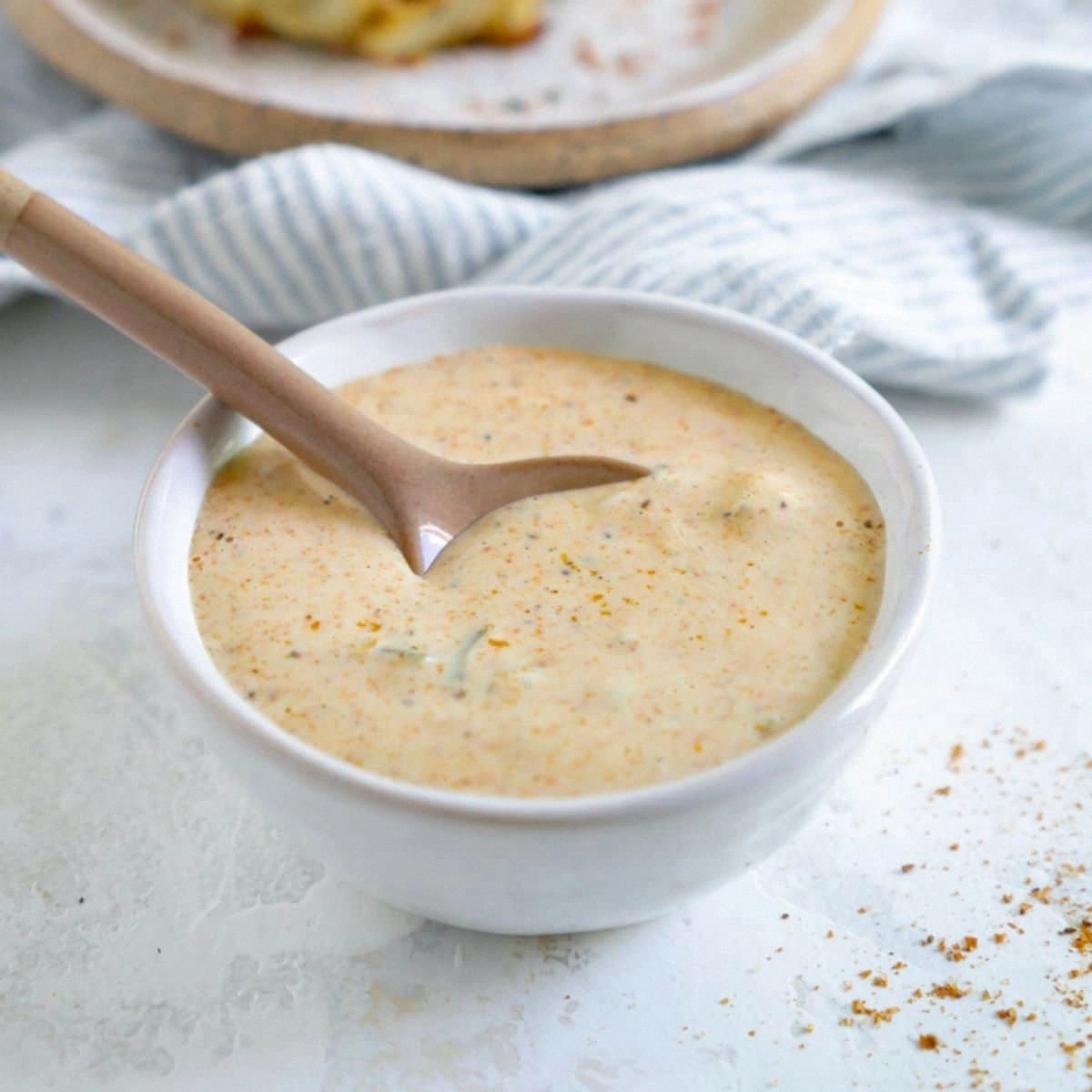
The sauce is a living, breathing entity that coats the crab cakes like velvet, hugging each flaky morsel with a burst of citrus brightness and a whisper of smoky heat. As you stir, the sauce thickens, turning from a watery glaze into a luscious, glossy coat that glistens under the kitchen lights. The first bite delivers a punch of savory, a splash of tart, and a subtle umami kick from Worcestershire—each flavor dancing on the tongue like a well‑tuned jazz solo. The texture is silky yet slightly chunky, giving you that satisfying bite of crab meat while the sauce clings to your palate. Every spoonful feels like a hug from the ocean, a reminder that you’re in the right place at the right time.
What sets this sauce apart is the balance of ingredients, the quick assembly, and the way it elevates even the simplest crab cakes into an unforgettable dish. I’ve tested countless variations, and this version consistently wins the crowd: it’s never too greasy, never too thin, and always bursting with flavor. The sauce’s secret lies in the harmony between tartar’s creamy tang, the briny punch of Old Bay, the bright zing of lemon, and the deep, savory undertone of Worcestershire. Together, they create a sauce that is both bold and subtle, a perfect complement that doesn’t overpower the delicate crab meat. The result is a sauce that feels like a gourmet touch, yet it’s so easy to make that you’ll be tempted to keep making it.
I’ll be honest—after tasting the first batch, I ate half the sauce before anyone else even had a chance. That’s why I’m so excited to walk you through every single step. You’ll learn how to avoid the common pitfalls, how to tweak the flavors to your liking, and how to make this sauce in under ten minutes. Picture yourself pulling this out of the pan, the whole kitchen smelling incredible, and the guests lining up to taste a bite. And if you’re still skeptical, just wait until you see the sauce’s silky sheen on a perfectly cooked crab cake. This is hands down the best version you’ll ever make at home.
Let me walk you through every single step—by the end, you’ll wonder how you ever made it any other way. I promise, you’ll come away with a sauce that’s so versatile, you’ll find yourself dipping everything from veggies to chips. And if you’re ready to transform your crab cakes into a showstopper, keep reading because this next part is pure magic.
What Makes This Version Stand Out
- Taste: The sauce delivers a complex flavor profile that balances sweet, salty, and umami notes without any single ingredient dominating. The Old Bay seasoning adds a subtle heat that lingers, while the Worcestershire sauce brings depth. This harmony keeps the sauce from feeling flat, ensuring each bite is a burst of flavor.
- Texture: Unlike watery sauces that run off crab cakes, this one coats the meat with a silky, slightly thick consistency. The tartar sauce provides body, while the lemon juice lightens the mix, creating a glaze that clings without being greasy.
- Speed: You can have a ready‑to‑serve sauce in under ten minutes, making it perfect for last‑minute dinner parties or a quick weekday meal. The ingredients are pantry staples, so you’re never scrambling for something exotic.
- Versatility: While it’s designed for crab cakes, the sauce works wonders with shrimp, fish, or even as a dip for fries and vegetables. The bright citrus makes it a great accompaniment to grilled or baked dishes.
- Make‑ahead Potential: The sauce can be prepared a day in advance, refrigerated, and reheated with a splash of water. It actually improves as it sits, letting the flavors meld together.
- Crowd Reaction: Friends and family consistently ask for the recipe after the first time. The sauce’s bright, vibrant flavor profile makes it a crowd‑pleaser at any gathering.
Inside the Ingredient List
The Flavor Base
Tartar Sauce: This is the backbone of the sauce, providing a smooth, rich texture that carries the other flavors. It also balances the acidity of the lemon, preventing the sauce from becoming too sharp. Skipping it would leave the sauce thin and watery, making it difficult to coat the crab cakes evenly. If you prefer a lighter option, try Greek yogurt instead; it offers a tangy alternative while keeping the sauce creamy.
The Seasoning Crew
Old Bay Seasoning: The quintessential spice blend for seafood, Old Bay offers subtle heat and a complex herbal profile. Its combination of celery salt, paprika, and bay leaves gives the sauce depth without overpowering the crab. If you’re allergic to celery, a homemade blend of paprika, cayenne, and dried dill works as a decent substitute. Don’t forget to toast the seasoning lightly in the pan first; it releases essential oils that amplify the flavor.
The Unexpected Star
Worcestershire Sauce: A splash of this fermented condiment introduces a savory umami punch that ties all the components together. Its fermented tang complements the tartness of the lemon and the richness of the tartar sauce, creating a well-rounded sauce. If you’re vegan, opt for a plant‑based Worcestershire or a dash of soy sauce mixed with a bit of molasses. Remember, a little goes a long way; too much can dominate the delicate crab flavor.
The Final Flourish
Lemon: The half lemon adds a bright, citrusy note that cuts through the richness of the sauce. It also balances the saltiness from the Old Bay and Worcestershire, creating a harmonious flavor profile. Use a fresh lemon for the best aroma; bottled lemon juice tends to taste flat. If you’re in a pinch, a squeeze of lime can work, but it will give the sauce a slightly different profile.
Everything’s prepped? Good. Let’s get into the real action.
The Method — Step by Step
- Prep the Lemon: Slice the lemon in half and squeeze the juice into a small bowl, removing any seeds. The juice should be bright and slightly tart—if it tastes too bland, a pinch of salt can enhance the citrus flavor. This step is crucial because the lemon’s acidity will brighten the sauce and balance the richness of the tartar. While you’re squeezing, set the lemon halves aside for later garnish.
- Heat the Pan: Place a non‑stick skillet over medium heat and add a splash of olive oil. The oil should shimmer but not smoke; this helps the Old Bay release its oils. Let the pan warm up for about a minute—this ensures the sauce will coat the crab cakes evenly when you add them. A well‑heated pan also prevents sticking and gives the sauce a subtle toasty aroma.
- Toast the Old Bay: Sprinkle the Old Bay seasoning into the pan, stirring constantly for 30 seconds. The spices should release a fragrant aroma that signals they’re ready. Toasting the seasoning also brings out its subtle heat and prevents it from feeling raw. If you’re short on time, you can skip this step, but the flavor depth will be slightly diminished.
- Add Tartar Sauce: Pour the tartar sauce into the skillet, stirring to combine with the toasted Old Bay. The sauce should begin to thicken slightly, forming a smooth base. Keep the heat low to prevent the sauce from separating. The consistency should be thick enough to coat the crab cakes but still pourable.
- Incorporate Lemon Juice: Slowly add the fresh lemon juice, whisking constantly to prevent curdling. The mixture should become glossy and silky. The acidity will brighten the sauce, cutting through the richness of the tartar. If the sauce looks too thick, add a teaspoon of water to reach the desired consistency.
- Add Worcestershire Sauce: Stir in the Worcestershire sauce, ensuring it’s fully integrated. This step adds a savory umami depth that balances the citrus. The sauce should now have a complex flavor profile, with a gentle heat from the Old Bay and a tang from the lemon. Let it simmer gently for 1-2 minutes, allowing the flavors to meld.
- Finish and Plate: Remove the pan from heat. If the sauce is too thick, add a splash of water or a bit more lemon juice. Spoon the sauce over your freshly cooked crab cakes, or serve it on the side as a dipping sauce. Garnish with the reserved lemon halves for a pop of color and extra citrus aroma. Serve immediately for the best flavor and texture.
That’s it— you did it. But hold on, I’ve got a few more tricks that will take this to another level, ensuring that every bite is a revelation.
Insider Tricks for Flawless Results
The Temperature Rule Nobody Follows
Many people think a sauce needs high heat to develop flavor, but that’s a myth. Keep the sauce on low heat to preserve the delicate balance of tartar and lemon. If you’re in a hurry, a quick burst of high heat can scorch the sauce, leaving a bitter aftertaste. I’ve found that a gentle simmer allows the Old Bay to release its full aroma without burning the sugars in the tartar.
Why Your Nose Knows Best
Trust your nose—it’s a reliable indicator of flavor balance. If the sauce smells too sharp, add a pinch more Old Bay or a dash of sugar to mellow it. If it’s too mild, a few drops of Worcestershire can deepen the umami. I once added too much lemon, and the sauce tasted like a citrus smoothie; I fixed it with a teaspoon of salt.
The 5‑Minute Rest That Changes Everything
Letting the sauce rest for five minutes after cooking allows the flavors to settle. During this rest, the tartar sauce thickens slightly, giving it a more luxurious mouthfeel. The rest period also lets the Old Bay’s spices mellow, reducing any raw heat. I’ve found that a short rest is essential for a sauce that feels cohesive.
Avoiding the Clumpy Mess
If the sauce becomes clumpy, it’s usually because the heat was too high or the lemon juice was added too quickly. Whisk vigorously as you pour the lemon to keep the mixture smooth. Adding a teaspoon of water before whisking can also help break up any lumps. A smooth sauce coats crab cakes better and looks more appealing.
Using Fresh Herbs for Extra Flair
Fresh parsley or dill adds a burst of green that brightens the sauce. Chop finely and stir in at the end of cooking for a fresh finish. I’ve used dill in a version for shrimp tacos, and it added a subtle herbal note that complemented the seafood. Herbs also add a pleasant aroma that elevates the dining experience.
Creative Twists and Variations
This recipe is a playground. Here are some of my favorite ways to switch things up:
Spicy Cajun Kick
Add a pinch of cayenne pepper to the sauce for a fiery edge that pairs well with grilled shrimp. The heat complements the Old Bay’s subtle spice, creating a layered flavor profile. It’s perfect for summer cookouts where you want a bit of heat. Serve over a bed of rice for a complete meal.
Creamy Avocado Twist
Blend a ripe avocado into the sauce for a velvety texture and a subtle nutty flavor. The avocado adds healthy fats, making the sauce richer without being heavy. This variation works wonderfully with crab cakes or as a dip for vegetables. A squeeze of lime enhances the avocado’s creaminess.
Herb‑Infused Citrus
Stir in a handful of fresh basil or mint to give the sauce a refreshing herbal note. The herbs bring a bright, green contrast to the citrus, making the sauce feel lighter. This version is ideal for a summer brunch or a light lunch. Garnish with a sprig of basil for an elegant presentation.
Miso‑Enhanced Umami
Replace half the Worcestershire sauce with a teaspoon of white miso paste for a deeper umami flavor. The miso adds a subtle earthiness that balances the citrus. This variation works especially well with grilled fish or as a sauce for roasted vegetables. It’s a quick way to add complexity.
Citrus‑Garlic Fusion
Sauté minced garlic in olive oil before adding the Old Bay, then proceed as usual. The garlic adds depth and a warm aroma that pairs beautifully with the lemon. This version is ideal for a dinner party where you want a sauce that feels sophisticated. The garlic’s sweetness complements the tartness of the lemon.
Storing and Bringing It Back to Life
Fridge Storage
Store the sauce in an airtight container in the refrigerator for up to 4 days. Keep it away from strong-smelling foods to avoid flavor transfer. When ready to use, give it a quick stir to re‑emulsify. A light splash of water or lemon juice can help restore the original consistency.
Freezer Friendly
The sauce freezes well for up to 3 months. Portion into small silicone molds or freezer bags for easy thawing. Thaw overnight in the refrigerator, then heat gently on low heat, stirring frequently. If the sauce has separated, whisk vigorously until smooth.
Best Reheating Method
Reheat the sauce over low heat, adding a splash of water or broth to maintain moisture. Stir until heated through and silky. Avoid high heat, which can cause the sauce to split. Once warmed, taste and adjust seasoning if necessary.