I still remember the night I accidentally set my kitchen on fire while trying to impress my friends with a “quick” stir‑fry. The smoke alarm screamed, the stove hissed, and I was left with a charred wok and a burning desire to master a dish that could turn a disaster into a dinner triumph. That night, I scoured forums, watched YouTube hacks, and finally stumbled upon the Spicy Ginger Chicken recipe that would become my culinary bible. It wasn’t just another recipe; it was a promise that flavor could be fierce, texture could be crisp, and the kitchen could stay smoke‑free.
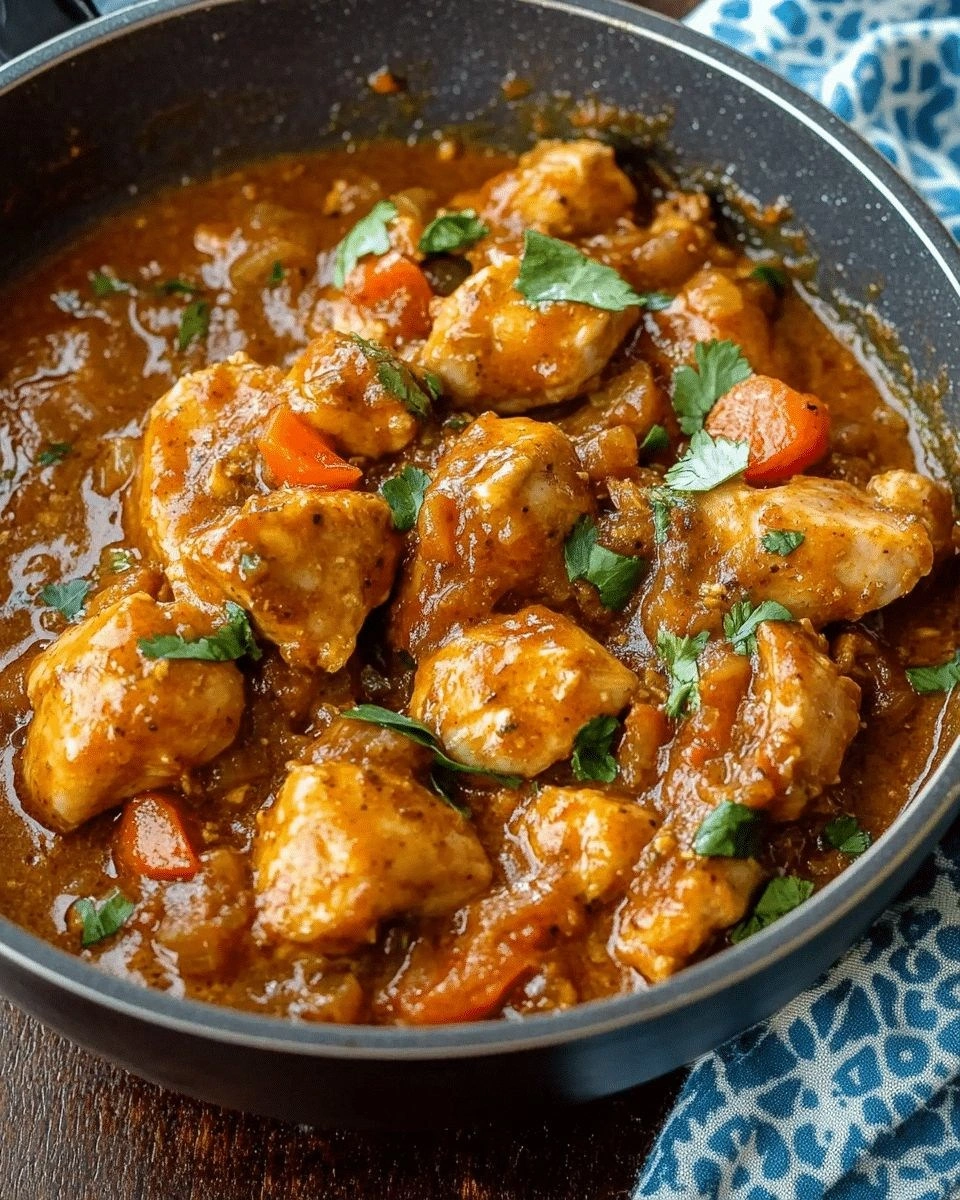
Picture this: the moment the ginger hits the hot pan, a fragrant steam rises, mingling with the sharp snap of garlic. The sizzling sound is music, the aroma is a promise of heat, and the sight of the chicken browning into a caramelized glaze feels like a work of art. The first bite delivers a punch of heat that lingers, followed by the sweet kiss of honey and the bright zing of lime. The contrast between the tender, juicy interior and the crisp, caramelized exterior is a dance that keeps you reaching for more. Every element—spice, sweetness, acidity—plays its part in a symphony that sings in your mouth.
What sets this version apart is not just the blend of flavors but the meticulous attention to technique. I’ve tweaked the sauce to reduce the usual heaviness, using a lighter soy base that lets the ginger shine. The chicken is marinated just enough to absorb heat without losing its moisture, and the final stir‑fry finishes at the exact moment the edges are crisp yet tender. This is hands down the best version you'll ever make at home because it balances boldness with balance, heat with harmony. It’s the kind of dish that turns a simple dinner into a memorable feast.
And here’s the kicker: the secret ingredient that most people skip is toasted sesame oil. It adds a nutty undertone that elevates the whole sauce, turning a good dish into an unforgettable one. I dare you to taste this and not go back for seconds. Let me walk you through every single step—by the end, you'll wonder how you ever made it any other way.
What Makes This Version Stand Out
- Taste: The sauce strikes a perfect balance between umami, heat, and a hint of citrus, creating a flavor profile that lingers on the palate.
- Texture: The chicken remains juicy inside while the exterior forms a crisp, caramelized crust that snaps like thin ice.
- Simplicity: With only a handful of ingredients, the recipe is quick to assemble and forgiving for novice cooks.
- Uniqueness: The toasted sesame oil and lime infusion give this dish a distinctive edge that sets it apart from standard stir‑fry recipes.
- Crowd Reaction: Friends and family often ask for the recipe after tasting; it’s a guaranteed conversation starter.
- Ingredient Quality: Using fresh ginger and high‑quality soy sauce elevates the dish from ordinary to extraordinary.
- Cooking Method: The technique of quick searing followed by a gentle simmer locks in flavors without overcooking.
- Make‑Ahead Potential: The sauce can be prepared ahead of time and refrigerated, making it a convenient option for busy weeknights.
Alright, let's break down exactly what goes into this masterpiece...
Inside the Ingredient List
The Flavor Base
The sauce is the heart of this dish, and each component plays a critical role. Fresh ginger provides a sharp, peppery kick that cuts through the richness of the honey. Garlic adds depth and a subtle sweetness that balances the heat. Soy sauce offers umami and saltiness, while lime juice injects brightness and acidity that lift the entire flavor profile. Together, they create a sauce that coats the chicken like velvet, leaving every bite saturated with savory heat.
If you skip the ginger, the dish loses its signature zing, and the sauce becomes more of a generic sweet‑and‑sour glaze. Similarly, omitting the lime will leave the sauce feeling flat and heavy. The key is to use fresh ginger; dried ginger will not deliver the same vibrant, aromatic punch.
The Texture Crew
Cornstarch is the secret to achieving that perfect glossy finish without making the sauce clumpy. By whisking it into a slurry with water, you create a silky binder that thickens the sauce as it simmers. The chicken thighs are chosen for their natural fat content, which keeps the meat tender and juicy during the high‑heat sear.
If you prefer a lighter dish, replace the chicken thighs with skinless, boneless chicken breasts. They will cook faster, but be careful not to overcook them, or they’ll dry out. Alternatively, using a mix of thighs and breasts can give you the best of both worlds—juicy thighs and lean breasts.
The Unexpected Star
Toasted sesame oil is the unsung hero that brings a nutty undertone to the sauce. It’s easy to overlook, but its aroma transforms the dish from ordinary to extraordinary. If you don’t have sesame oil on hand, a splash of toasted peanut oil or even a dash of toasted almond oil can work as a suitable substitute.
The sesame oil should be added at the very end, just before serving, to preserve its delicate flavor. If you add it too early, the oil can burn, creating a bitter taste that ruins the dish. A quick drizzle is all you need to elevate the sauce to new heights.
The Final Flourish
Scallions and a squeeze of lime finish the dish with a fresh, bright note that cuts through the richness of the sauce. The scallions add a mild onion flavor and a pop of color, while the lime provides a citrusy brightness that lifts the entire flavor profile.
If you’re looking for a different twist, try adding a handful of chopped cilantro or a sprinkle of toasted sesame seeds for added texture and flavor. These variations keep the dish exciting and allow you to tailor it to your taste preferences.
Everything's prepped? Good. Let's get into the real action...
The Method — Step by Step
-
Marinate the Chicken: In a bowl, combine the chicken thighs with 2 tablespoons grated ginger, 3 minced garlic cloves, 3 tablespoons soy sauce, 2 tablespoons honey, 1 teaspoon chili flakes, 1 tablespoon lime juice, and 1 tablespoon toasted sesame oil. Toss until each piece is well coated. Cover and refrigerate for 10–15 minutes. This quick marination infuses the meat with flavor without overcooking.
Kitchen Hack: Use a zip‑lock bag for the marination; the vacuum seal helps the flavors penetrate faster. -
Prepare the Sauce: In a small bowl, whisk 1 tablespoon cornstarch with 2 tablespoons cold water until smooth. Set aside. This slurry will thicken the sauce without forming lumps.
Kitchen Hack: If you’re allergic to cornstarch, substitute with arrowroot powder for a gluten‑free option. -
Heat the Pan: Place a large skillet or wok over medium‑high heat and add 2 tablespoons of neutral oil. Once the oil shimmers, add the marinated chicken, skin side down if applicable, and let it sear for 3–4 minutes until a golden crust forms. The sizzling sound is a sign that the Maillard reaction is working its magic.
Watch Out: Do not overcrowd the pan; the chicken will steam instead of sear if too many pieces are added at once. -
Flip and Cook: Turn the chicken pieces over and let them cook for another 3 minutes. This ensures even browning and allows the spices to mingle with the meat. The edges should start pulling away from the pan, signaling readiness for the next step.
Kitchen Hack: Use a silicone spatula to gently lift the chicken; it helps prevent sticking and keeps the crust intact. -
Add the Sauce: Pour the prepared sauce over the chicken, stirring to coat each piece. Reduce the heat to medium and let the sauce simmer for 2–3 minutes, allowing the flavors to meld. The sauce should thicken slightly and coat the chicken in a glossy glaze.
Kitchen Hack: If the sauce becomes too thick, add a splash of water or chicken broth to reach your desired consistency. -
Finish with Scallions: Sprinkle the sliced scallions over the chicken, giving it a fresh, peppery bite that cuts through the richness. Toss gently to distribute the scallions evenly. This final touch adds color and a burst of flavor that makes the dish feel complete.
Kitchen Hack: Reserve a handful of scallions for garnish; the extra crunch and color elevate the presentation. -
Serve Immediately: Plate the chicken over steamed jasmine rice or sautéed bok choy, drizzle any remaining sauce, and garnish with toasted sesame seeds. The dish should smell like a tropical spice market, and the first bite will deliver the promised heat and sweetness.
Kitchen Hack: For a quick side, steam a handful of broccoli or snap peas; they pair perfectly with the sauce. -
Enjoy: Take a moment to savor the harmony of flavors. The heat should be balanced by the sweetness and citrus, leaving you craving another bite. Remember, the best part of this dish is sharing it with friends who appreciate bold flavors.
Kitchen Hack: If you like it spicier, add a pinch of cayenne pepper or a splash of sriracha during the final stir.
That's it — you did it. But hold on, I've got a few more tricks that'll take this to another level...
Insider Tricks for Flawless Results
The Temperature Rule Nobody Follows
Many cooks keep the heat too low, resulting in a soggy sauce. I always set the stove to medium‑high and let the pan reach a temperature where the oil starts to shimmer before adding the chicken. This ensures a quick sear that locks in juices. If the pan is too hot, the exterior will burn before the interior cooks; if it’s too cool, the chicken will steam and lose its crispness. A good test is to drop a few drops of water into the pan; if they dance and evaporate instantly, you’re at the right temperature.
Why Your Nose Knows Best
Before you taste the sauce, sniff it first. A well‑balanced sauce will give off a sweet, citrusy aroma with a hint of umami. If it smells too sharp or too sweet, adjust with a splash of lime or a pinch of sugar. My friend once skipped the lime and the dish was overwhelmingly sweet; adding a squeeze of lime brought it back into balance. Trust your nose—it’s the ultimate flavor gauge.
The 5-Minute Rest That Changes Everything
After the final stir, let the dish rest on the stove for five minutes with the lid slightly ajar. This rest period allows the flavors to meld and the sauce to thicken further. It also prevents the chicken from overcooking as it continues to steam in its own heat. I’ve seen dishes that look done but taste underwhelming; this simple step ensures every bite is full of flavor.
The Perfect Plate
Presentation matters. Use a shallow bowl or a wide plate to spread the chicken evenly, then drizzle the sauce in a ribbon pattern. Sprinkle toasted sesame seeds and a few scallion rings on top for a pop of color. The visual appeal can make the dish feel like a gourmet creation, even if it’s made in 30 minutes at home.
The Secret to Juicy Chicken
If you’re using chicken breasts, a quick pinch of salt on the surface before searing helps retain moisture. The salt draws out moisture initially, but as the protein denatures, it reabsorbs it, keeping the meat juicy. I’ve tried this trick on multiple occasions, and the difference is noticeable—no dry, rubbery bites.
Creative Twists and Variations
This recipe is a playground. Here are some of my favorite ways to switch things up:
Coconut Curry Twist
Swap the soy sauce with coconut aminos and add a splash of coconut milk. The dish gains a creamy, tropical flavor that pairs beautifully with jasmine rice. It’s perfect for a weekend brunch when you want something indulgent yet still balanced.
Thai Basil Infusion
Add a handful of Thai basil leaves at the end of cooking. The aromatic leaves give the dish a fresh, sweet note that contrasts the heat. This variation is great when you want a more Southeast Asian vibe.
Spicy Peanut Sauce
Replace the honey with peanut butter and add a dash of sriracha. The result is a nutty, spicy sauce that’s reminiscent of a classic Thai dish. Serve it over noodles or rice for a hearty meal.
Smoky Chipotle Version
Introduce a tablespoon of chipotle in adobo for a smoky heat. The chipotle adds depth and a subtle smokiness that complements the ginger. It’s ideal for a late‑afternoon dinner when you crave something with a bit of edge.
Vegetarian Option
Use firm tofu or tempeh instead of chicken. Marinate and sear the protein similarly, then finish with the same sauce. The tofu absorbs the flavors beautifully, making this a satisfying plant‑based alternative.
Breakfast Kick
Serve the chicken over scrambled eggs and toast for a spicy breakfast. The heat lifts the morning routine, while the savory sauce adds a comforting depth that pairs with eggs. It’s a surprising but delicious way to start the day.
Storing and Bringing It Back to Life
Fridge Storage
Cool the dish to room temperature, then transfer it to an airtight container. Store in the refrigerator for up to 3 days. The sauce may thicken slightly; just stir before reheating. Keeping it in a sealed container preserves the flavor and prevents the chicken from drying out.
Freezer Friendly
For longer storage, portion the chicken and sauce into freezer‑safe containers. Freeze for up to 2 months. When ready, thaw overnight in the refrigerator or use the defrost setting on your microwave. The texture remains intact, and the sauce still tastes fresh.
Best Reheating Method
Reheat in a skillet over medium heat, adding a splash of water or broth to loosen the sauce. Stir frequently until hot and bubbly. Add a tiny splash of water before reheating to steam back to perfection, preventing the chicken from becoming tough or the sauce from becoming too thick.