Picture this: I'm frantically searching my pantry for something that could rescue a bland lunch, the clock ticking, the kids demanding something that won’t send them straight to the candy aisle. I dive into the drawer, pull out a handful of wilted lettuce, a lonely bag of sunflower seeds, and a half‑eaten avocado that’s been flirting with brownness for days. I thought, “Okay, disaster time,” but then I remembered that one chaotic week when I threw everything I could find into a bowl and somehow created a masterpiece. That was the spark — the moment I realized the kitchen sink isn’t a mess, it’s a treasure trove waiting to be turned into the best salad you’ll ever taste.
The moment I started slicing the crisp cucumber, the aromatic snap of fresh carrots, and the glossy pop of cherry tomatoes, the kitchen filled with a chorus of scents that could have easily been the soundtrack of a summer farmer’s market. The bright, earthy nuttiness of toasted sunflower seeds began to mingle with the tangy zest of a quick vinaigrette, creating a perfume so inviting that even the family dog paused his begging for a second. Hearing the gentle clatter of the metal whisk against the bowl, feeling the slick coolness of the olive oil on my fingertips, and seeing the colors collide like a painter’s palette made my heart race. I could almost taste the crunch before the first bite — a daring, buttery crunch that promised fireworks in every mouthful.
Most salads out there treat your taste buds with a polite handshake; this one throws a full‑blown fiesta. I dare you to taste this and not go back for seconds. The secret? A handful of roasted sunflower seeds that add a buttery, almost caramel‑like bite, and a daring avocado‑lime drizzle that binds everything together like a silk scarf on a summer breeze. Most recipes get the dressing wrong, leaving it either watery or swampy. Here, the vinaigrette is emulsified to perfection, coating each leaf like a delicate veil that never slips.
And let’s talk about the surprise element — a splash of honey in the dressing that whispers sweetness just enough to balance the salt of feta and the brine of olives. It’s a trick I stumbled upon while trying to sweeten a salsa, and trust me, it works magic here. Okay, ready for the game‑changer? The next part? Pure magic. Let me walk you through every single step — by the end, you’ll wonder how you ever made it any other way.
What Makes This Version Stand Out
- Flavor Explosion: The combination of tangy vinaigrette, sweet honey, and salty feta creates a symphony that hits every part of your palate, turning a simple salad into a full‑on flavor concert.
- Texture Party: From crunchy sunflower seeds to buttery avocado cubes, each bite delivers a layered mouthfeel that keeps you reaching for more.
- Simplicity Meets Sophistication: Only a handful of pantry staples and fresh produce, yet it feels like a dish you’d order at a five‑star bistro.
- Ingredient Quality: Using unsalted, roasted sunflower seeds and a good‑quality extra‑virgin olive oil makes all the difference — you’ll taste the premium in every bite.
- Crowd Reaction: Served at every potluck, this salad consistently earns the “first portion” claim, with guests lining up for seconds.
- Make‑Ahead Potential: Prep the veggies and dressing separately, toss together just before serving, and you’ve got a zero‑stress, fresh‑as‑you‑make‑it dish.
- Versatile Base: The mixed greens act like a neutral canvas, allowing you to switch up toppings without ever losing the core identity.
- Visual Wow Factor: The vibrant colors — ruby tomatoes, emerald cucumber, golden seeds — create a picture‑perfect plate that’s Instagram‑ready.
Inside the Ingredient List
The Flavor Base
Mixed spring greens (4 cups): These tender leaves are the neutral stage that lets every other ingredient shine. Choose a mix of arugula, baby spinach, and frisée for peppery, sweet, and slightly bitter notes. Skipping them means sacrificing the salad’s airy backbone, turning it into a heavy bowl of toppings.
Cherry tomatoes (1 cup, halved): Their burst of acidity cuts through the richness of avocado and feta. Opt for ripe, ruby‑red varieties; if they’re slightly soft, they’ll still provide juiciness. For a twist, use sun‑dried tomatoes for deeper umami.
The Texture Crew
Cucumber (½ cup, diced): Adds a refreshing crunch that balances the softer avocado. Peel only if the skin is thick; otherwise, leave it on for extra nutrients. If you miss the cool snap, a quick brine in salt water for 5 minutes restores it.
Grated carrots (½ cup): Their sweet earthiness pairs nicely with the salty feta, providing color contrast too. Using a micro‑plane yields finer ribbons that blend seamlessly. Forget them and you lose that subtle sweetness that lifts the whole dish.
Red onion (¼ cup, thinly sliced): Offers a sharp bite that awakens the palate. Soak the slices in ice water for 10 minutes to take the edge off if raw onion feels too aggressive. Skipping it means missing the aromatic zing that keeps the salad from being flat.
The Unexpected Star
Roasted sunflower seeds (⅓ cup): These are the heroes of the “kitchen sink” moniker. Their buttery, nutty flavor and crunchy texture turn the salad into a textural masterpiece. If you leave them out, the salad loses its signature “sink” element and becomes just another green mix.
Feta cheese (½ cup, crumbled): Salty, tangy, and crumbly, it adds a creamy backbone that ties the vinaigrette to the greens. Use authentic Greek feta for the sharpest flavor. A low‑fat alternative will make the salad feel less indulgent.
The Final Flourish
Avocado (1 ripe, cubed): Provides a silky richness that complements the crunchy seeds. Choose an avocado that yields gently to pressure; too hard and it won’t mash into the dressing, too soft and it turns mushy.
Kalamata olives (¼ cup, sliced): Their briny depth adds a Mediterranean flair. Rinse them quickly to reduce excess salt if you’re watching sodium. Leaving them out reduces the complex salty‑savory balance.
Extra‑virgin olive oil (2 tbsp): The oil carries flavor and creates the emulsion in the dressing. A cheap oil will make the vinaigrette taste flat. Opt for a cold‑pressed, fruit‑forward variety for the best result.
Apple cider vinegar (1 tbsp): Introduces a bright acidity that lifts the whole bowl. If you crave more tang, add an extra half‑teaspoon, but be careful not to overpower.
Honey (1 tsp): A whisper of sweetness that tempers the vinegar’s sharpness and brightens the overall profile. For a vegan version, swap with maple syrup.
Salt and pepper (to taste): The final seasoning that unifies all flavors. Start with a pinch, taste, and adjust — never skip this step.
Everything's prepped? Good. Let’s get into the real action…
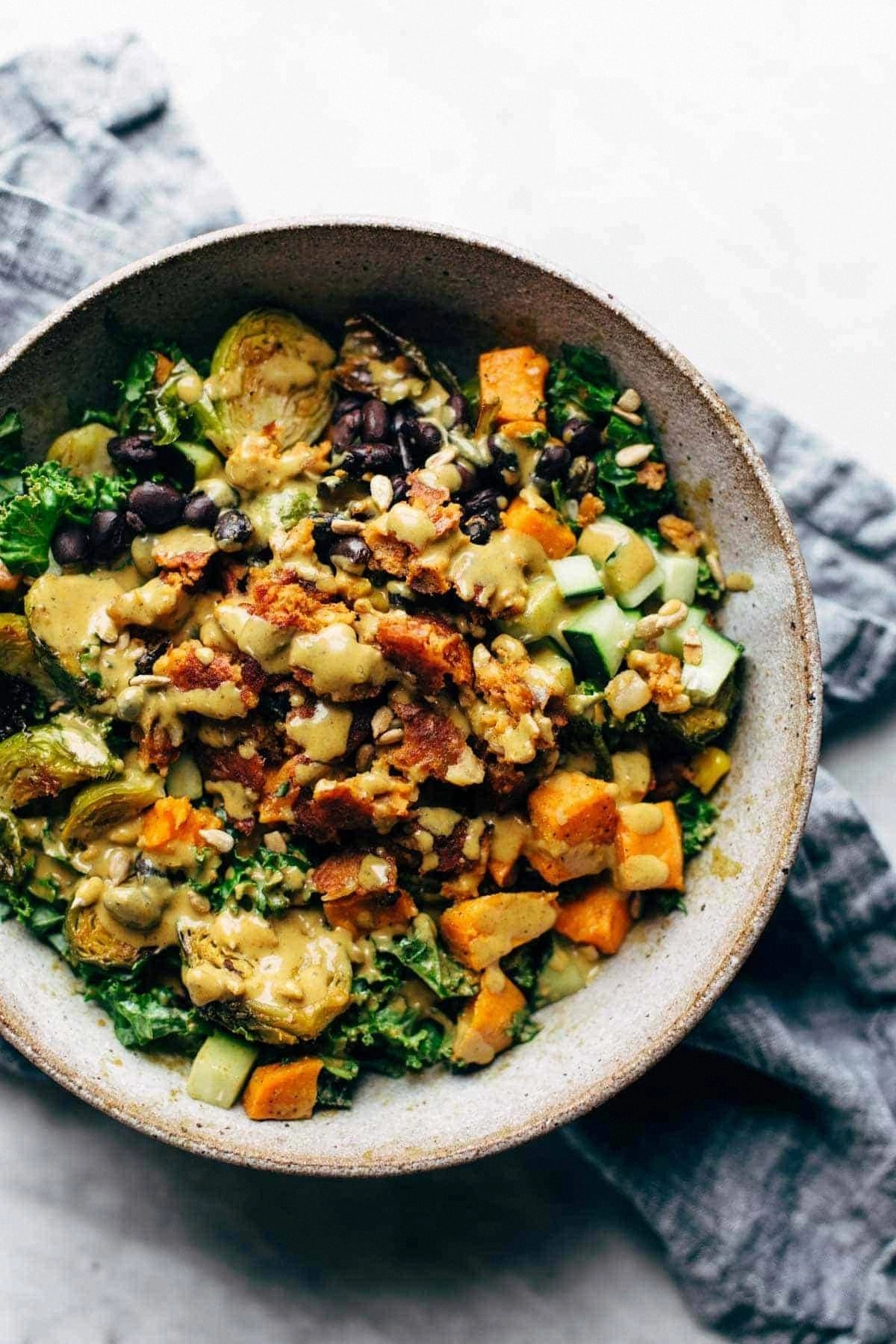
The Method — Step by Step
First, give the mixed greens a gentle rinse under cool water, then spin them dry in a salad spinner for about 30 seconds. You’ll hear the soft swish of the blades and see the leaves puff up like a tiny green tornado. Pat the leaves with a clean kitchen towel if you don’t have a spinner; the goal is a bone‑dry base so the dressing clings properly.
Kitchen Hack: After spinning, toss the greens with a pinch of sea salt and let them sit for 5 minutes; this softens the leaves and reduces bitterness.While the greens rest, heat a dry skillet over medium‑high heat and add the sunflower seeds. Listen for that quiet pop—like tiny fireworks—as the oils release. Stir constantly for 3–4 minutes until they turn a deep golden and emit a nutty aroma; that’s the moment you know they’re perfectly toasted. Transfer them immediately to a plate to stop cooking, otherwise they’ll become bitter.
Watch Out: Keep the heat moderate; scorching the seeds will make them taste burnt, ruining the salad’s balance.Prepare the vinaigrette: whisk together the apple cider vinegar, honey, and a generous pinch of salt in a small bowl. The mixture should fizz slightly—an exciting sign of the acid reacting with the honey. While whisking, slowly drizzle in the olive oil, creating a silky emulsion that thickens within seconds. Finish with a grind of fresh black pepper; the aroma should be fragrant enough to make your kitchen feel like a French bistro.
Now, dice the cucumber, halve the cherry tomatoes, grate the carrots, and thinly slice the red onion. As you work, notice the bright colors spreading across your cutting board; it’s like a painter’s palette coming to life. Toss all these chopped veggies into a large mixing bowl, letting them mingle for a minute before the dressing arrives.
Slice the avocado and crumble the feta. Gently fold the avocado into the bowl, being careful not to mash it—think of it as arranging tiny emerald jewels. Sprinkle the feta over the top, letting its salty shards scatter like snowflakes across a spring meadow.
When the vinaigrette is sky‑smooth, pour it over the vegetables. Use a wooden spoon to turn everything together, ensuring every piece gets a glossy coat. You’ll hear a soft sizzle as the oil meets any lingering warmth from the toasted seeds—absolute perfection.
Finally, add the mixed greens and the toasted sunflower seeds, tossing gently yet thoroughly. The seeds should stay suspended, giving the salad a beautiful speckled look. Pause, take a deep breath, and notice the scent—fresh greens, toasted nuts, a hint of honey—ready for the first bite.
Transfer the salad to a serving platter or individual bowls. Garnish with a few extra sunflower seeds and a drizzle of olive oil if you want extra shine. Serve immediately, or cover with a clean kitchen towel and let it sit for 10 minutes so the flavors can meld.
That’s it — you did it. But hold on, I’ve got a few more tricks that'll take this to another level…
Insider Tricks for Flawless Results
The Temperature Rule Nobody Follows
Never dress a salad with a cold vinaigrette straight from the fridge. Warm the oil and vinegar to room temperature before whisking; this helps the emulsion form without separating. I once tried a chilled dressing and ended up with a watery mess that clung to nothing. The next time, let the liquid sit for 15 minutes out of the fridge.
Why Your Nose Knows Best
Before you toss the vinaigrette, take a quick sniff. If you catch a sharp, almost alcoholic bite, the vinegar is too aggressive; balance it with an extra dash of honey. Trusting your nose instead of the timer has saved many a salad from being over‑acidic.
The 5‑Minute Rest That Changes Everything
After mixing, let the salad rest for exactly five minutes. This short pause allows the greens to absorb the dressing, the avocado to soften just a touch, and the flavors to marry. During my first attempt, I served it immediately and the leaves were too wilted, but five minutes later they were perfectly glossy.
Salt Timing Is Everything
Season the dressing, not just the salad. Salt draws out moisture from the veggies and creates a more cohesive flavor. Add a pinch of salt to the vinaigrette early, then taste and adjust right before serving.
Olive Oil Quality Matters More Than You Think
Using a fruity, peppery olive oil can elevate the salad from good to unforgettable. A bland oil will mask the subtle sweetness of the honey and the earthiness of the seeds. I once swapped a cheap oil for a premium one and the difference was night and day.
Creative Twists and Variations
This recipe is a playground. Here are some of my favorite ways to switch things up:
Harvest Delight
Swap the cucumber for roasted butternut squash cubes, and add a sprinkle of toasted pumpkin seeds. The sweet, caramelized squash pairs beautifully with the honey‑vinegar dressing, giving the salad a cozy autumn vibe.
Asian Fusion
Replace the feta with crumbled tofu, drizzle a sesame‑ginger dressing, and toss in edamame and shredded nori. Sunflower seeds become a crunchy garnish alongside toasted sesame seeds, turning the dish into a vibrant, umami‑rich feast.
Mediterranean Heat
Add thinly sliced roasted red peppers, a handful of artichoke hearts, and a pinch of red‑pepper flakes. Swap the vinaigrette for a lemon‑oregano drizzle, and you’ll get a sun‑kissed Mediterranean vibe that screams summer.
Protein Power
Top the salad with grilled chicken breast or smoked salmon for a heartier meal. The protein adds satiety, while the smoky flavor contrasts nicely with the fresh greens and sweet honey note.
Vegan Celebration
Use a plant‑based cheese alternative, replace honey with agave nectar, and add roasted chickpeas for extra crunch. The result is a fully vegan version that still delivers on texture and flavor depth.
Storing and Bringing It Back to Life
Fridge Storage
Place the salad layers in airtight containers: greens in one, veggies and seeds in another, and dressing in a small jar. Store for up to 3 days. When ready to serve, combine everything and give it a quick toss.
Freezer Friendly
While salads aren’t typical freezer candidates, you can freeze the roasted sunflower seeds and the vinaigrette separately for up to 2 months. Thaw the seeds at room temperature and give the dressing a vigorous shake before using.
Best Reheating Method
If you’ve pre‑cooked any protein to add later, reheat gently in a skillet with a splash of water or broth; this prevents drying out. For the salad itself, no reheating is needed—just a quick drizzle of fresh olive oil and a pinch of salt to revive the flavors.