I was halfway through a week of takeout when my phone buzzed with a frantic text from my roommate: “I’m craving something crispy, but I’m not feeling fancy.” I stared at the empty fridge, the pantry, and a single packet of panko breadcrumbs that had been gathering dust. The kitchen felt like a battlefield, the stove a ticking clock, and I was about to make a culinary mistake that would haunt my taste buds for days. But then, a thought popped into my head—what if I turned that humble panko into a masterpiece that would make the whole apartment smell like a Japanese izakaya? I decided to test the theory and, honestly, the results blew me away.
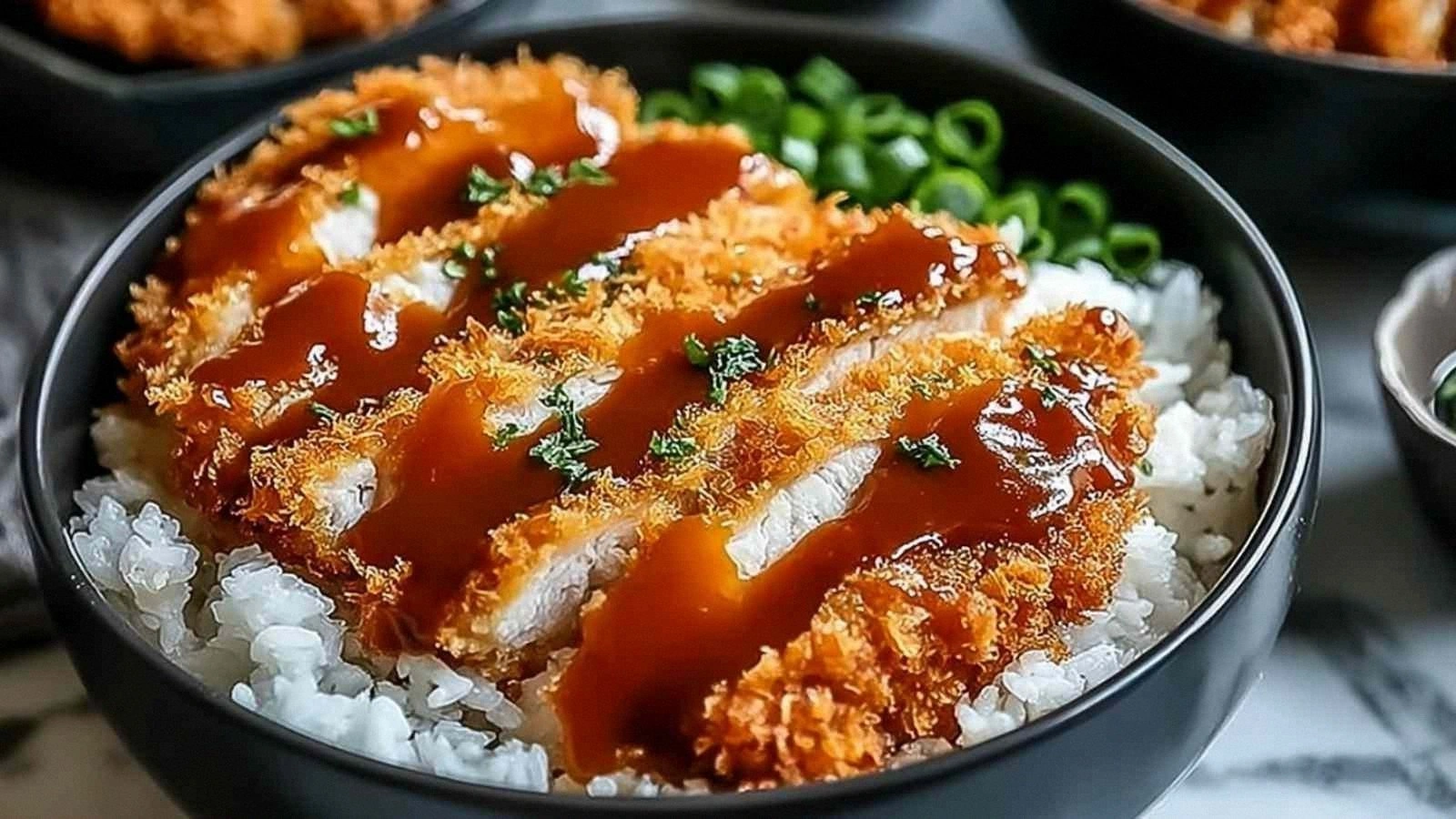
Picture this: a sizzling pan, a golden‑brown pork loin chop that shatters like thin ice when you bite into it, and a sauce that coats the meat like velvet while the rice below stays fluffy and dreamy. That’s the vibe of this bowl, and I’m about to share every secret, from the first pat of flour to the last drizzle of sauce. I’ll be honest—when I first tasted the first bite, I almost ate the entire batch before anyone else could even get a spoon. And that’s just the beginning. If you’re ready to step up your bowl game, stick around; I’ll walk you through every single step and you’ll wonder how you ever made it any other way.
You might think this is just another “katsu bowl” recipe, but it’s the kind of dish that turns a regular dinner into a headline event. The moment the pork hits the hot oil, the aroma is a symphony of toasted flour, caramelized sugar, and that unmistakable umami from the tonkatsu sauce. The crunch is crisp but not crunchy—think brittle edges that give way to a succulent center. The sauce, a silky blend of ketchup, Worcestershire, soy, oyster, and a whisper of sugar, clings to every bite, creating a mouthful of flavor that’s both sweet and savory. And the rice? It’s the perfect canvas—short‑grain, slightly sticky, ready to soak up the sauce without becoming mushy.
I dare you to taste this and not go back for seconds. The combination of textures, the depth of flavor, and the comforting familiarity of a home‑made tonkatsu sauce make this bowl hands down the best version you’ll ever make at home. Most recipes get this completely wrong—too much oil, too much sauce, or a bland pork center. But here, everything works together like a well‑orchestrated band. If you’ve ever struggled with making a crispy pork cutlet that doesn’t dry out, you’re not alone—and I’ve got the fix. So let’s dive in and bring the izakaya to your kitchen.
What Makes This Version Stand Out
- Flavor: The homemade tonkatsu sauce is the star—sweet, salty, umami, and slightly tangy, all balanced to coat the pork and rice without overpowering them.
- Texture: The panko gives a light, airy crunch that holds up even after the pork rests, while the rice stays fluffy, not gummy.
- Simplicity: Only a handful of pantry staples and a quick fry; no fancy equipment or hard‑to‑find ingredients.
- Uniqueness: A quick sauce that can be made in minutes, so you can assemble bowls instantly—perfect for busy weeknights.
- Crowd‑pleaser: The familiar comfort of pork with a Japanese twist, making it a hit whether you’re feeding friends or a solo dinner.
- Ingredient Quality: Fresh pork loin chops and crisp, fresh cabbage keep the dish vibrant and flavorful.
- Cooking Method: A classic pan‑fry technique that delivers a crisp crust while keeping the inside juicy.
- Make‑Ahead Potential: The sauce can be prepared ahead and stored, and the rice can be reheated—great for meal prep.
Alright, let's break down exactly what goes into this masterpiece...
Inside the Ingredient List
The Flavor Base
The tonkatsu sauce is the backbone of this bowl. It’s a quick blend that combines the sweetness of ketchup, the savory depth of Worcestershire, the salty umami of soy, and the rich, fermented flavor of oyster sauce. The sugar balances the acidity, ensuring the sauce isn’t too sharp. If you’re a fan of a little heat, a dash of sriracha or a pinch of crushed red pepper will elevate the sauce without overpowering the pork.
The Texture Crew
Panko breadcrumbs are the secret to that airy, crackly crunch that doesn’t turn soggy after resting. The flour forms a dry coat that seals in moisture, while the beaten eggs act as a binder, ensuring the panko sticks perfectly. If you’re worried about the pork drying out, pat it dry with paper towels before dredging—this removes excess moisture that can cause the coating to peel.
The Unexpected Star
Fresh cabbage is more than just a garnish; it provides a crisp, slightly sweet contrast that cuts through the richness of the pork. Shredded cabbage also helps keep the bowl’s texture varied, so each bite feels fresh. For a twist, try adding thinly sliced carrots or bell peppers for color and extra crunch.
The Final Flourish
Scallions add a bright, sharp finish that lifts the dish. They also bring a subtle oniony note that complements the savory sauce. If you’re craving a different green, green onions or thinly sliced cilantro can work just as well. The rice is the base, but its choice matters—a short‑grain Japanese rice holds its shape and absorbs sauce without becoming mushy.
Everything's prepped? Good. Let's get into the real action...
The Method — Step by Step
- Start by patting the pork loin chops dry with paper towels—this step is critical for a crisp coating. Season both sides with ½ tsp salt and ¼ tsp black pepper, letting the flavors seep into the meat. The seasoning also helps the flour stick better. Keep the chops at room temperature for about 10 minutes; this ensures even cooking.
- Set up your dredging station: one shallow dish with ½ cup all‑purpose flour, a second with two beaten eggs, and a third with 1½ cups panko breadcrumbs. The flour creates a dry layer that traps moisture, the eggs bind the crumbs, and the panko gives that light crunch. Make sure the dishes are shallow enough so the pork doesn’t slide around.
- Coat each chop first in flour, tapping off excess, then dip into the eggs, and finally roll in the panko. The coating should be thick but not clumpy. Shake off any loose crumbs before placing in the pan—this keeps the oil from splattering. The result? A golden, airy crust that’s a delight to bite into.
- Heat about 3–4 tablespoons of vegetable oil in a large skillet over medium‑high heat. You want the oil hot enough that a drop of water sizzles instantly. Once hot, add the first pork chop. The sizzle should be loud and satisfying—this is the moment of truth.
- Fry the first chop for 3–4 minutes on one side until a deep golden brown forms and the crust cracks slightly. Flip carefully and fry the other side for another 3–4 minutes. The internal temperature should reach 145°F (63°C). If you fry too quickly, the exterior burns before the interior cooks.
- Once both sides are golden, remove the pork to a plate lined with paper towels to drain excess oil. Let it rest for 5 minutes—this allows the juices to redistribute, keeping the meat juicy.
- While the pork rests, prepare the tonkatsu sauce. In a small saucepan, combine ¼ cup ketchup, 2 tbsp Worcestershire sauce, 1 tbsp soy sauce, 1 tbsp oyster sauce, and 1 tsp sugar. Add a splash of water to thin it slightly. Warm over low heat, stirring until the sugar dissolves and the sauce is glossy.
- To assemble, scoop 1 cup of cooked Japanese short‑grain rice into each bowl. Lay a piece of shredded cabbage on top, then place a pork chop. Drizzle the warm tonkatsu sauce over the pork and rice, letting it cascade down. Finish with a sprinkle of 4 tbsp scallions and a dash of sesame seeds if you like. Serve immediately, so the pork stays warm and the sauce glistens.
That's it—you did it. But hold on, I've got a few more tricks that'll take this to another level. The next section will reveal insider secrets that elevate the flavor and texture even further.
Insider Tricks for Flawless Results
The Temperature Rule Nobody Follows
Maintaining the right oil temperature is the difference between a crispy masterpiece and a soggy flop. Use a thermometer—aim for 350°F (175°C). If you don’t have one, test with a small crumb of bread; it should sizzle and turn golden within 30 seconds. A too‑hot pan burns the coating while the inside remains raw; a too‑cool pan creates a greasy crust.
Why Your Nose Knows Best
The aroma of the pork as it fries is a cue that the timing is spot on. A sweet, caramelized smell means the sugars are browning just right. If you smell a sharp, burnt scent, pull the pork out immediately—burnt flavors linger and ruin the dish.
The 5-Minute Rest That Changes Everything
Resting the pork after frying lets the juices redistribute, preventing them from spilling onto the pan when you slice. A quick 5‑minute rest also lets the coating firm up slightly, so it stays crisp when you cut through the center. Skip this step and you’ll end up with a soggy, uneven bite.
The Sauce‑to‑Rice Ratio
A common mistake is pouring too much sauce over the rice, turning it into a soggy mess. Aim for a 1:1 ratio of sauce to rice by volume. You can always add more later, but you can’t take sauce away. This balance keeps the bowl light and flavorful.
The Final Crunch Boost
If you love a crunchier finish, lightly toast the panko in a dry skillet for 2 minutes before coating the pork. The extra toasting gives a nuttier flavor and a firmer bite. Just be sure not to burn the crumbs, or you’ll taste bitterness.
Creative Twists and Variations
This recipe is a playground. Here are some of my favorite ways to switch things up:
Spicy Kimchi Katsu
Swap the cabbage for a handful of kimchi and add a spoonful of gochujang to the sauce. The fermented tang of kimchi pairs beautifully with the sweet sauce, and the gochujang adds a fiery kick that’s irresistible.
Teriyaki Twist
Replace the tonkatsu sauce with a homemade teriyaki glaze—combine soy sauce, mirin, sugar, and garlic. Drizzle over the pork before serving. The sweet glaze gives a glossy finish and a deeper umami flavor.
Vegan Katsu Bowl
Use a plant‑based protein like seitan or tofu, coated in panko. Make a vegan tonkatsu sauce using coconut aminos and a splash of maple syrup. This version keeps the crunch and flavor while staying plant‑friendly.
Miso‑Infused Katsu
Add a tablespoon of white miso to the sauce for a subtle depth of flavor. The miso’s earthy umami complements the pork’s richness, creating a more complex taste profile.
Citrus‑Zest Finish
Finish the bowl with a squeeze of fresh lime or yuzu juice. The citrus brightens the dish, cutting through the richness and adding a refreshing zing.
Crunchy Nori Garnish
Crush a sheet of nori (seaweed) and sprinkle it over the finished bowl. The smoky, umami flavor of nori adds another layer of texture and a subtle briny note.
Storing and Bringing It Back to Life
Fridge Storage
Store the assembled bowls in an airtight container for up to 2 days. Keep the sauce separate until you’re ready to eat; this prevents the rice from absorbing the liquid and becoming soggy. When reheating, add a splash of water or broth to keep the rice moist.
Freezer Friendly
The pork and rice can be frozen separately for up to 3 weeks. Reheat the pork in a skillet with a little oil until hot, then top with fresh sauce. The rice can be microwaved with a damp paper towel to preserve its fluffiness.
Best Reheating Method
Reheat the pork on medium heat until warmed through—about 3 minutes. Add a splash of water or broth to the rice to steam it back to life. Avoid microwaving the whole bowl, as the sauce will separate and the texture will suffer.