When the kitchen clock was ticking toward midnight and I had a lingering craving for something that could feel like a hug, I pulled out the crockpot and a handful of fresh tomatoes. I was half‑heartedly hoping for a quick stir‑fry, but the slow cooker had a way of turning ordinary ingredients into something that makes your taste buds sing. Picture the scent of ripe tomatoes, the sharp tang of basil, and the gentle warmth of thyme swirling together—this is the aroma that greets you as the pot simmers. I’ve tried countless tomato stews over the years, but none have matched the depth and comfort of this version. The moment the first steam rises, you’ll know you’re about to taste something that will make you question every other tomato recipe you’ve ever made. I dare you to taste this and not go back for seconds.
What made me decide to lock this recipe into my culinary repertoire was a disastrous dinner party where the main course fell flat and the guests were left hungry for something more. I stared at the pot on the stove, wondering if I could salvage the night with a quick pan sauce, but the slow cooker offered a promise of depth and flavor that was too good to ignore. I pulled the tomatoes from the market, hand‑picked for their plumpness and color, and sliced them with a confidence that came from a lifetime of chopping onions. The sound of the knife cutting through the skin was a quiet prelude to the symphony of flavors that would soon unfold. As the onions browned, the room filled with a caramelized scent that made even the most skeptical food critic nod in approval. I’ll be honest—I ate half the batch before anyone else got to try it.
Most people think a tomato stew is just a tomato stew, but this version is a revelation. The key is layering the flavors slowly, letting each herb release its personality over several hours. The tomatoes are not just a base; they are a canvas that absorbs the basil, thyme, and parsley, turning them into a fragrant, silky broth. The carrots add a subtle sweetness that balances the acidity, while the garlic provides a punch that keeps the dish from feeling flat. The olive oil coats the vegetables, creating a silky mouthfeel that makes the stew feel luxurious rather than humble. Picture a sauce that coats pasta like velvet, but in this case, it coats your spoon with a depth of flavor that makes you want to eat the pot itself.
Let me walk you through every single step—by the end, you’ll wonder how you ever made it any other way. The best part is that this stew is so forgiving you can tweak it on the fly, whether you’re short on time or craving a different herb profile. The final result is a hearty, aromatic bowl that warms your soul, and it’s so easy that even a novice can master it. If you've ever struggled with tomato stews that taste like soup, you're not alone—and I've got the fix. Picture yourself pulling this out of the oven, the whole kitchen smelling incredible, and the steam curling up like a fragrant cloud. This is hands down the best version you'll ever make at home.
What Makes This Version Stand Out
- Depth of Flavor: The combination of fresh basil, thyme, and parsley creates a layered herb profile that elevates the stew beyond a simple tomato base. Each herb releases its essence over the slow‑cooking process, resulting in a bouquet that is both complex and harmonious. The result is a broth that is savory, slightly sweet, and utterly comforting.
- Texture: The carrots add a gentle chew that contrasts with the silky tomato sauce, while the slow‑cooking technique breaks down the vegetables into a velvety consistency. The stew has a mouth‑watering thickness that clings to your spoon, making every bite feel substantial. No gritty or watery texture—just smooth, luscious soup.
- Ingredient Quality: Using only the freshest produce—ripe tomatoes, hand‑picked herbs, and a splash of high‑quality olive oil—ensures that the stew tastes like it was made from scratch. The quality of each component shines through, making the dish feel premium without extra effort.
- Convenience: A crockpot does all the work, allowing you to set it and forget it. The recipe requires minimal prep time, and the long simmering process means you can leave it to cook while you attend to other tasks. It’s the perfect solution for busy weeknights.
- Versatility: The stew can be served over pasta, rice, or crusty bread, or even as a side dish. The robust flavor profile works well with a variety of proteins, making it adaptable to many meal plans. You can transform it into a vegetarian main or pair it with grilled chicken for a complete dinner.
- Crowd‑Pleaser: The aroma alone will have your guests lining up for a taste. The rich, herb‑infused broth is a crowd‑pleaser that works for both adults and kids. Even those who aren’t usually fans of tomato dishes will find themselves reaching for another spoon.
- Make‑Ahead Potential: The stew tastes even better the next day as the flavors meld. You can prepare it in advance and refrigerate or freeze, making it a convenient option for meal prep or busy schedules. The slow‑cooked flavors deepen over time, so the dish becomes even more satisfying.
- Health‑Friendly: Packed with vegetables and herbs, this stew is low in fat but high in vitamins and antioxidants. The olive oil provides heart‑healthy monounsaturated fats, while the tomatoes deliver lycopene, a powerful antioxidant. It’s a comforting dish that also supports a balanced diet.
Inside the Ingredient List
The Flavor Base
At the heart of this stew are the tomatoes, which provide the acidic backbone that balances the herbs. Fresh, ripe tomatoes give the stew a natural sweetness and a vibrant color that is impossible to replicate with canned varieties. When you slice them, the juice releases a subtle perfume that lingers in the pot. If you skip tomatoes, the stew loses its signature brightness and becomes a bland vegetable broth. For a richer taste, choose tomatoes that are slightly underripe—they’ll caramelize during cooking, adding depth.
The Texture Crew
Carrots and onions are the texture crew that add body and a gentle crunch. The carrots, when cooked slowly, soften into a silky component that blends seamlessly with the tomato sauce. The onions, when sautéed until golden, contribute a caramelized sweetness that elevates the entire dish. If you omit these, the stew will feel thin and underdeveloped. As an alternative, consider adding a small amount of diced celery for a subtle peppery note.
The Unexpected Star
Fresh basil is the unexpected star that brings a burst of green, fresh flavor to the stew. Basil’s essential oils evaporate slowly, allowing its bright, peppery notes to permeate the broth. If you can’t find fresh basil, dried basil can be used, but add it in the final 15 minutes to preserve its aroma. A pinch of crushed red pepper can add a mild heat that contrasts nicely with the sweetness of the tomatoes.
The Final Flourish
Olive oil, thyme, and parsley are the final flourish that tie everything together. Olive oil coats the vegetables, creating a silky mouthfeel and a subtle fruity undertone. Fresh thyme offers a woody, slightly minty flavor that grounds the stew, while parsley adds a bright, herbaceous finish. If you’re vegan, simply replace the olive oil with a neutral oil like grapeseed. This trio of herbs and oil elevates the stew from simple to sublime.
Everything's prepped? Good. Let's get into the real action...
The Method — Step by Step
- First, heat the olive oil in a skillet over medium heat until shimmering. Add the diced onion and a pinch of salt, sautéing until the onion becomes translucent and starts to caramelize, about 5 minutes. This step builds a flavorful base that will carry through the stew. The aroma should be sweet and inviting, hinting at the depth to come. Don’t rush this part; a golden onion makes a difference.
- While the onions cook, wash the tomatoes and cut them into bite‑size cubes. The size matters—smaller pieces break down faster, creating a thicker sauce. Place the tomato cubes in the crockpot after the onions are ready. The tomatoes will release their juices, creating a natural broth that reduces beautifully over time.
- Add the sliced carrots, minced garlic, fresh thyme, and a splash of vegetable broth to the pot. Stir everything together so the herbs are evenly distributed. The garlic should start to soften, but not burn, so keep the heat low. This mixture will simmer for several hours, allowing the flavors to marry.
- Cover the crockpot and set it to low for 4 hours, or high for 2 hours. The slow cooking process is the secret to unlocking the tomato’s sweetness and the herbs’ aromatic oils. Check occasionally; if the liquid level drops too low, add a bit more broth or water to keep the stew from drying out.
- In the last 30 minutes, stir in the fresh basil, parsley, and an extra drizzle of olive oil. This ensures the herbs retain their bright, fresh flavors instead of becoming muted. The basil should look bright green, not wilted. The aroma at this point will be unmistakably herbaceous.
- Taste the stew and season with salt and black pepper to your liking. The salt should enhance every component without overpowering the natural sweetness of the tomatoes. If the stew feels a bit acidic, add a pinch of sugar to balance it out. The pepper adds a subtle heat that rounds off the dish.
- Once the stew has reached a gentle, aromatic simmer, remove the lid and let it bubble for an additional 10 minutes to reduce slightly. This final reduction intensifies the flavors and gives the stew a silky consistency. The pot should be thick enough to coat a spoon without being watery. This step is crucial for that velvet‑like mouthfeel.
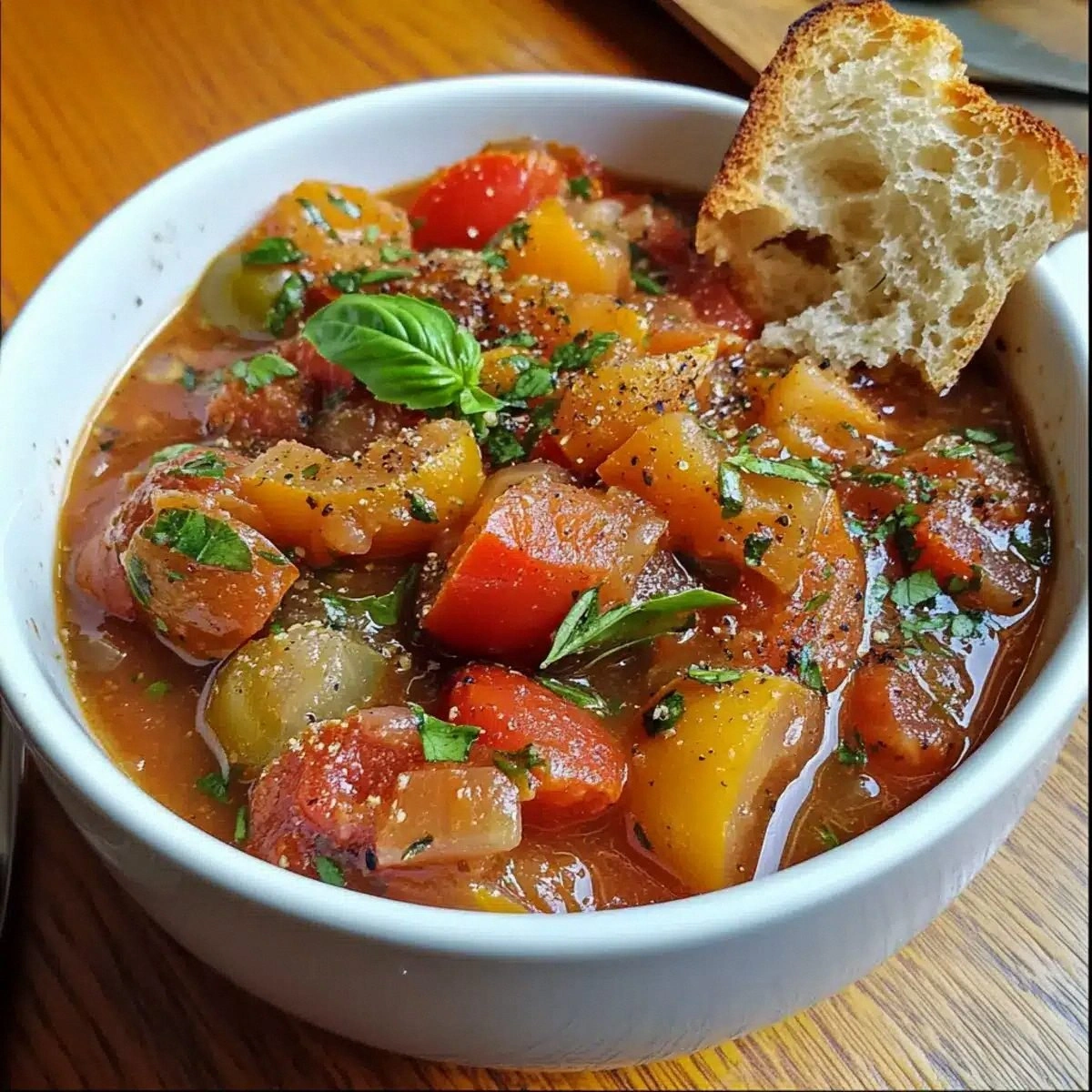
- Serve the stew hot, garnished with a handful of fresh basil leaves or a swirl of olive oil if desired. Pair it with crusty bread or a bowl of pasta for a complete meal. The stew’s richness will satisfy even the heartiest appetite. If you’re feeling adventurous, add a splash of balsamic vinegar for a tangy twist. Enjoy the comforting warmth that only a slow‑cooked tomato stew can provide.
- Remember, this is the moment of truth. The stew should smell like a summer garden, the tomatoes should be tender, and the herbs should be bright. If everything checks out, you’ve made a masterpiece. If not, don’t panic—adjust the seasoning or let it simmer a bit longer. The beauty of slow‑cooking is that you can always tweak it on the fly.
That's it — you did it. But hold on, I've got a few more tricks that'll take this to another level...
Insider Tricks for Flawless Results
The Temperature Rule Nobody Follows
While many recipes call for a low setting, this stew actually benefits from a gentle high heat if you’re short on time. High heat will reduce the liquid faster, concentrating flavors. However, keep the pot covered to prevent evaporation. The trick is to keep the temperature steady; a sudden spike can scorch the tomatoes. If you’re using a high‑end slow cooker, set it to “simmer” for an even cook. This small adjustment can make a big difference in texture and flavor.
Why Your Nose Knows Best
Trust your nose when the stew is nearly done. The aroma is a reliable indicator of readiness—if it smells like a summer garden with a hint of garlic, it’s ready. If it still smells like raw onions or raw tomatoes, give it a bit more time. The smell of caramelized onions is a sign that the sugars have developed, which is essential for depth. A strong tomato scent indicates the tomatoes have broken down into a rich base.
The 5‑Minute Rest That Changes Everything
After you turn off the crockpot, let the stew sit covered for 5 minutes. This rest period allows the flavors to settle and the liquid to thicken slightly. The rest also lets the vegetables rehydrate, preventing them from feeling dry. If you’re in a rush, skip the rest, but you’ll lose that silky finish. A short pause can make the difference between good and great.
Balancing Acidity with Sweetness
Tomatoes are naturally acidic, and if you’re using very ripe tomatoes, the stew can taste a bit tart. Adding a pinch of sugar or a splash of honey can balance the acidity without making it sweet. If you prefer a natural sweetener, try a small amount of grated carrot or a few diced apples. This trick helps the stew feel rounded and comforting.
Using the Right Crockpot
Not all crockpots are created equal. A ceramic insert will keep the stew evenly heated, while a metal insert may cause hot spots. If you have a programmable crockpot, set a timer to start the cooking process at a specific time so you’re ready when the pot finishes. A good crockpot can also maintain a low, steady temperature, which is key to preventing the stew from boiling away.
Serving Suggestions
Serve the stew over a bed of polenta or creamy risotto for a comforting dinner. Alternatively, spoon it over a scoop of mashed potatoes for a hearty, family‑friendly meal. The stew also works well as a side dish to grilled meats or roasted vegetables. If you’re in a hurry, serve it with crusty bread to soak up the flavorful broth. The possibilities are endless.
Creative Twists and Variations
This recipe is a playground. Here are some of my favorite ways to switch things up:
Spicy Sriracha Twist
Add a tablespoon of sriracha during the last 15 minutes to give the stew a kick. The heat pairs beautifully with the sweetness of the tomatoes. The result is a spicy, comforting bowl that will satisfy any chili lover.
Roasted Red Pepper Kick
Swap the carrots for roasted red peppers for a smoky flavor. Roast the peppers in the oven until blistered, then dice and add them to the pot. The smoky undertone adds depth and pairs well with the herbs.
Protein Powerhouse
Stir in cooked chickpeas or lentils for a protein boost. These legumes absorb the tomato broth and become flavorful additions. This variation turns the stew into a complete, plant‑based meal.
Cheesy Finale
Finish the stew with a handful of grated parmesan or crumbled goat cheese. The cheese melts into the broth, adding a creamy, savory layer. The cheese also balances the acidity of the tomatoes.
Herb‑Infused Olive Oil Drizzle
Infuse olive oil with rosemary, thyme, and a pinch of sea salt. Drizzle this over the stew before serving. The oil adds an extra layer of flavor and a glossy finish.
Breakfast Boost
Serve the stew over a fried egg for a hearty breakfast. The runny yolk adds richness and ties all the flavors together. This twist turns the stew into a satisfying morning meal.
Storing and Bringing It Back to Life
Fridge Storage
Cool the stew completely before transferring it to an airtight container. Store in the refrigerator for up to 4 days. The flavors will deepen, and the stew will stay fresh. When ready to eat, reheat gently on the stovetop.
Freezer Friendly
Pour the stew into freezer‑safe containers, leaving about an inch of headspace. Freeze for up to 3 months. Thaw overnight in the refrigerator before reheating. The stew’s texture remains silky after freezing.
Best Reheating Method
Reheat on the stovetop over low heat, adding a splash of water or broth to maintain moisture. Stir frequently to prevent sticking. The stew should reach a gentle simmer before serving. A tiny splash of water will keep it from drying out.