It was a Thursday night, the kind of night where the fridge is a barren wasteland, the pantry is a silent museum of expired spices, and the only thing on your mind is the gnawing urge to eat something that feels like a hug. I stared at the empty counter, the faint smell of burnt toast from the previous night still lingering, and decided to summon the kitchen gods. I pulled out the Instant Pot, a trusty sidekick that had saved me from countless culinary catastrophes, and whispered, “Let’s do something that tastes like fireworks and feels like comfort.” That’s when the idea hit: a chili garlic noodle bowl that could be whipped up in the pot and still deliver that glossy, umami-packed sauce that coats every strand like velvet. I dared my friends to taste this and not go back for seconds, and the challenge was accepted.
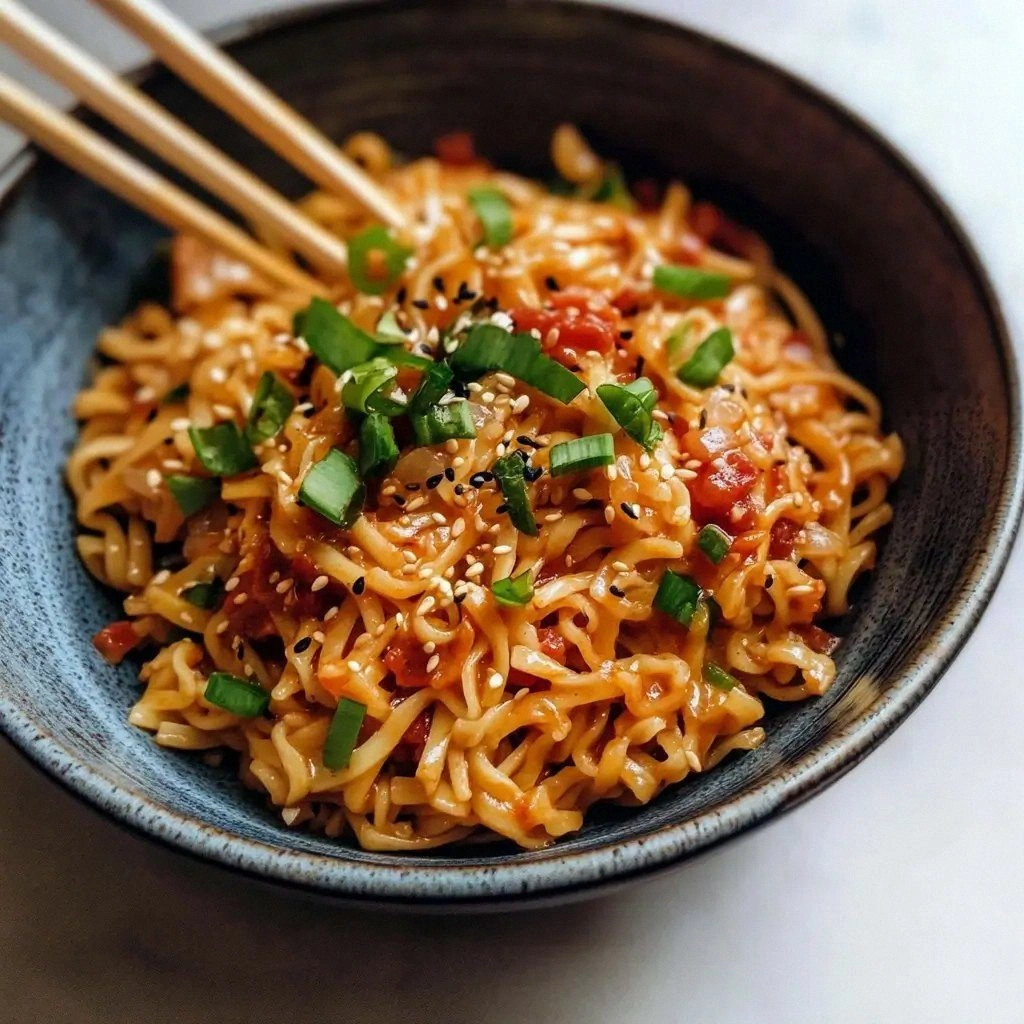
Picture this: a pot steaming with fragrant garlic, the sharp, spicy heat of chili flakes dancing in the air, and the subtle sweetness of sugar mingling with the briny tang of soy sauce. The instant moment when the noodles hit the broth, their surfaces glistening, and the sauce clings to each noodle, turning them into a silky, flavorful ribbon. The sound is a satisfying sizzle that tells you the sauce is perfectly caramelized, not burnt. The aroma is a heady mix of garlic, chili, and sesame, instantly pulling you into the kitchen’s warm embrace. And the first bite? It’s a symphony of heat, umami, and that gentle, comforting crunch of toasted sesame seeds.
This version of chili garlic noodles stands out because it marries the convenience of the Instant Pot with the depth of a sauce that’s been simmered to perfection. Instead of tossing noodles into a pan and hoping for a sauce, I let the Instant Pot do the heavy lifting, creating a broth that infuses every noodle with flavor. The sauce isn’t just a thin glaze; it’s thickened with a touch of sugar and a splash of sesame oil, giving it body and a subtle sweetness that balances the heat. I’ve added fresh scallions and a squeeze of lime at the end to brighten the dish, making it feel fresh and alive. The result is a dish that’s quick, crowd‑pleasing, and has that wow factor you’ve been craving.
And there’s a secret ingredient that many forget: a splash of rice vinegar. It cuts through the richness, adds a subtle tang, and makes the sauce feel lighter. That’s the technique I’ll reveal as we go through the steps. Trust me, you’ll notice the difference immediately. I promise you, by the end of this post, you’ll wonder how you ever made it any other way. Let me walk you through every single step — by the end, you’ll wonder how you ever made it any other way.
What Makes This Version Stand Out
- Flavor Depth: The sauce is built in layers—garlic, chili, soy, and a dash of vinegar—creating a complex profile that lingers on the palate.
- Texture Harmony: Noodles are cooked al dente, providing a satisfying bite that contrasts with the silky sauce.
- Instant Pot Advantage: Pressure cooking locks in flavors and reduces cooking time, making it ideal for busy evenings.
- Quick Assembly: All ingredients are prepped in under 15 minutes, so you can start cooking in less than 5.
- Versatility: Swap protein or veggies, and the dish transforms into a vegetarian, vegan, or meat‑centric meal.
- Make‑Ahead Friendly: Store leftovers in the fridge or freezer; reheating preserves the sauce’s richness.
- Cost‑Effective: Uses pantry staples and inexpensive protein, keeping the dish budget‑friendly.
- Low‑Cleanup: The Instant Pot does most of the work, so you’re left with just a few dishes to wash.
Alright, let's break down exactly what goes into this masterpiece…
Inside the Ingredient List
The Flavor Base
At the heart of this dish is the sauce, a marriage of savory and sweet. Soy sauce provides the umami backbone, while a teaspoon of sugar tames the heat from the chili flakes. Sesame oil adds a nutty aroma that lifts the entire profile, and a tablespoon of rice vinegar gives a bright counterpoint that prevents the dish from feeling heavy. Skipping any of these components will result in a sauce that feels flat or unbalanced. If you’re looking for a low‑sodium option, replace half the soy sauce with coconut aminos, but be prepared for a slightly sweeter taste.
The Texture Crew
Noodles are the canvas of this dish. I recommend using ramen or udon for their chewy, satisfying bite, but any wheat or rice noodle will work. The key is to cook them to al dente in the pot, so they don’t become mushy once the sauce is added. If you’re cooking for a crowd, consider pre‑boiling the noodles lightly before adding them to the pot; this reduces the final cooking time and keeps the noodles from absorbing too much liquid. A quick tip: toss the noodles with a splash of sesame oil before cooking to prevent sticking.
The Unexpected Star
Fresh scallions and toasted sesame seeds are more than garnish; they add crunch, freshness, and a burst of flavor that cuts through the richness of the sauce. The scallions’ mild oniony scent brightens the dish, while the sesame seeds provide a nutty crunch that contrasts with the silky noodles. If you’re vegan or simply don’t have sesame seeds on hand, a sprinkle of crushed almonds or toasted pumpkin seeds can offer a similar texture.
The Final Flourish
Lime juice is the final flourish that brings everything together. A squeeze of lime right before serving adds acidity that brightens the dish and balances the heat. If you prefer a different citrus, a dash of lemon or orange juice can work, but lime’s tartness is traditional in this style. A handful of chopped cilantro also adds a fresh, herbal note that completes the flavor profile. Remember, the key to this dish is layering flavors—don’t rush the steps.
Everything's prepped? Good. Let's get into the real action...
The Method — Step by Step
- Prep the aromatics. Start by mincing three cloves of garlic finely and slicing a handful of scallions into thin rings. I like to keep the garlic minced to release more flavor quickly, and the scallions will add a fresh crunch when added at the end. The aroma that fills the kitchen at this point is enough to make your stomach rumble.
- Sauté the base. Turn your Instant Pot to the sauté setting. Add a tablespoon of sesame oil, then the minced garlic and a tablespoon of chili flakes. Let them sizzle for 30 seconds until fragrant, making sure not to burn the garlic. This step caramelizes the garlic and infuses the oil with chili heat, forming the backbone of the sauce.
- Deglaze. Pour in two tablespoons of soy sauce and a teaspoon of sugar. Stir vigorously to lift any browned bits from the bottom of the pot—those bits are flavor gold. The sugar dissolves quickly, creating a glossy glaze that will coat the noodles later.
- Add liquids. Pour in two cups of water and a tablespoon of rice vinegar. Close the lid, set the valve to sealing, and cook on high pressure for 5 minutes. The pressure builds a deep, rich broth that’s ready to marry with the noodles.
- Quick release. Once the timer beeps, perform a quick release by carefully turning the valve to venting. This stops the cooking process and keeps the noodles from becoming mushy.
- Introduce the noodles. Open the pot and add eight ounces of ramen noodles. Stir gently to coat them with the sauce. Seal the lid again, set the valve to sealing, and cook on high pressure for 2 minutes. This short burst cooks the noodles al dente without absorbing too much liquid.
- Optional protein. If you’re adding diced chicken or tofu, toss it in now. The protein will steam in the remaining heat, absorbing the sauce’s flavors. If you’re vegetarian, feel free to skip this step and add extra veggies.
- Final touches. Once the noodles are cooked, perform another quick release. Open the pot, stir in a handful of sliced carrots and bell pepper for color and crunch. Add a squeeze of lime, a pinch of salt, and a dash of black pepper. Toss in the scallions, toasted sesame seeds, and cilantro. The dish should look vibrant, the sauce should coat each noodle, and the aroma should be irresistible.
That's it — you did it. But hold on, I've got a few more tricks that'll take this to another level…
Insider Tricks for Flawless Results
The Temperature Rule Nobody Follows
Many people set the Instant Pot to high pressure for the entire cooking time, but the sauce benefits from a gentle simmer once the pressure releases. After the final quick release, switch the pot to sauté and let the sauce reduce for 3–4 minutes. This concentrates the flavors and gives the noodles a glossy coat.
Why Your Nose Knows Best
Before you add the noodles, sniff the broth. If it smells slightly sweet and tangy, you’re on the right track. If it’s too sharp, give it another minute to simmer. Your nose is the best judge of when the sauce has hit the sweet spot.
The 5-Minute Rest That Changes Everything
After cooking, let the pot sit for 5 minutes before opening. This allows the flavors to settle and the noodles to steam gently, ensuring they don’t clump together. I’ve seen people skip this step and end up with a chaotic bowl.
Freshness Boost
Adding a handful of fresh cilantro and a squeeze of lime right before serving gives the dish a bright, fresh finish that cuts through the richness. Don’t skip this; it’s the final flourish that turns a good dish into a great one.
Protein Perfection
If you’re using chicken, sear it first in a hot pan before adding it to the pot. This caramelizes the exterior, adding depth to the dish. For tofu, press out the moisture and pan-fry until golden before adding.
Veggie Variations
Swap carrots and bell pepper for broccoli or snap peas. The key is to add them at the end so they retain their crunch. The dish is versatile, so feel free to experiment.
Creative Twists and Variations
This recipe is a playground. Here are some of my favorite ways to switch things up:
Spicy Korean Twist
Replace the chili flakes with gochujang paste and add a splash of Korean rice wine. Top with sliced Korean pork and a drizzle of sesame oil for an authentic Korean flavor.
Vegan Delight
Omit the chicken, add tofu, and use coconut aminos instead of soy sauce. The result is a hearty, plant‑based bowl that still delivers that satisfying umami.
Seafood Surprise
Swap the protein for shrimp or scallops, and add a splash of fish sauce for an extra layer of depth. The seafood will cook quickly and pair beautifully with the chili sauce.
Low‑Carb Option
Use shirataki noodles or zucchini noodles instead of ramen. The dish will still have all the flavor but with fewer carbs.
Breakfast Bonanza
Serve the noodles over a fried egg, and drizzle with a little hot sauce for a breakfast that’s both protein‑packed and spicy.
Gluten‑Free Edition
Use rice noodles or a gluten‑free ramen brand. The sauce remains unchanged, so the dish still feels authentic.
Storing and Bringing It Back to Life
Fridge Storage
Cool the noodles to room temperature before transferring to an airtight container. Store in the fridge for up to 3 days. Reheat in the microwave for 1–2 minutes, stirring halfway, or use the sauté function on the Instant Pot for a quick reheat.
Freezer Friendly
For longer storage, freeze in portioned containers for up to 2 months. Thaw overnight in the fridge, then reheat as described above. The noodles may soften slightly, but the sauce will still be delicious.
Best Reheating Method
When reheating, add a splash of water or broth to the pot. The liquid steams the noodles back to their original texture. A teaspoon of sesame oil or a drizzle of soy sauce can also revive the sauce’s richness.