Remember the night I tried to impress my friend with a quick “fajita bowl” and ended up with a charred, flavorless mess? I had sliced the flank steak into thin strips, tossed them in a handful of seasoning, and dropped them straight into a pan that had been heated for a full minute. The result was a sad, dry slab of meat that smelled like burnt rubber. My friend laughed, said it tasted like a campfire, and I was left staring at a pile of scorched vegetables that had never even reached a golden brown. That disaster taught me one brutal lesson: the devil is in the details, and a single misstep can turn a culinary masterpiece into a culinary tragedy.
When I finally cracked the code, the kitchen became a stage and the ingredients a chorus. The first thing you notice is the sizzling sound as the steak hits the hot pan—an audible promise of a caramelized crust that will lock in juices. The aroma that follows is a smoky, peppery perfume that drifts up from the skillet, mingling with the sweet scent of caramelizing onions and bell pepper. Your eyes catch the gleam of olive oil on the meat, the vivid reds and greens of the peppers, and the gleaming, freshly sliced garlic cloves. Your hands feel the heat radiating from the pan, and when you lift a piece of steak, the juices glint like liquid gold. Taste-wise, the result is a harmonious blend of savory, smoky, and a hint of citrusy brightness from the lime, all wrapped in a creamy, tangy dressing of guac and sour cream.
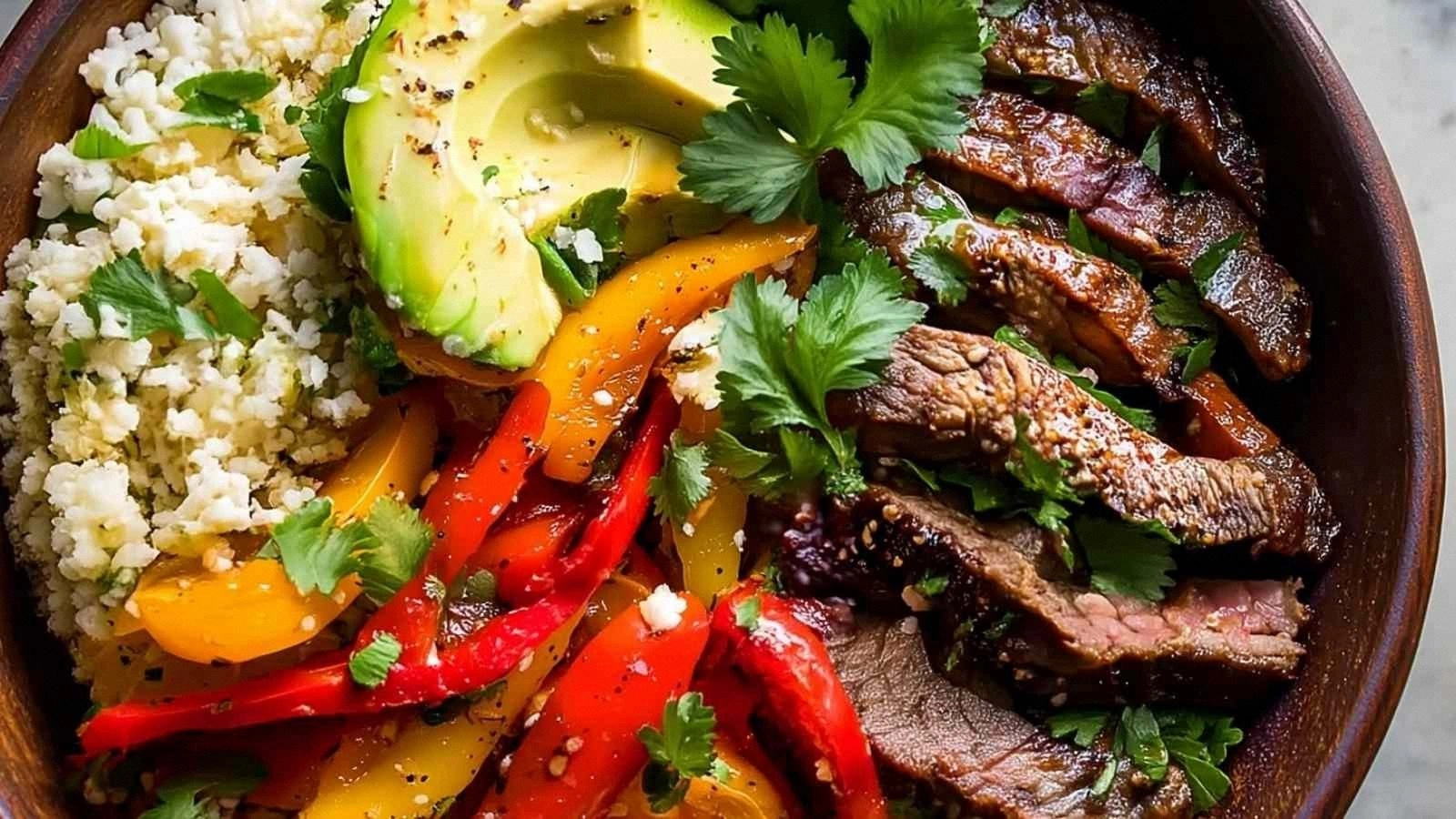
What sets this version apart is that every element is carefully calibrated to maximize flavor while staying low-carb. I’ve stripped away the fluff—no rice, no beans, no extra carbs—so each bite is a concentrated burst of protein, healthy fats, and vibrant vegetables. The steak is marinated in a simple yet powerful mix of olive oil and fajita seasoning, giving it a depth that you’d expect from a restaurant but with a home‑cooked touch. The peppers and onions are sautéed just until they’re tender but still crisp, preserving their natural sweetness and crunch. The final touch is a generous scoop of guacamole, a dollop of sour cream, and a sprinkle of shredded cheese that melts into a velvety coating, while fresh cilantro and lime wedges add a bright, zesty finish.
Now, here’s the kicker: I discovered a secret technique that transforms a regular skillet into a flavor‑infusion engine, and I’ll share it with you right now. It’s a simple tweak that gives the steak a mouth‑watering crust without overcooking, and it works every time, even if you’re a kitchen newbie. Ready to see the magic unfold? Let me walk you through every single step—by the end, you’ll wonder how you ever made it any other way.
What Makes This Version Stand Out
- Taste: The smoky, peppery profile of the fajita seasoning melds with the natural umami of the flank steak, creating a depth that feels like a gourmet experience. The bright lime and cilantro cut through the richness, leaving a clean finish.
- Texture: The steak achieves a perfect sear—crisp on the outside, juicy on the inside—thanks to a quick, high‑heat pan technique that locks in moisture. The peppers stay tender yet crisp, adding a satisfying bite.
- Low‑Carb Simplicity: With no rice, beans, or flour, the dish stays under 30 grams of carbs per serving, making it a dream for keto or low‑carb dieters without sacrificing flavor.
- Speed: From prep to plate, you’re looking at under 45 minutes. Even on busy weeknights, this dish feels like a restaurant‑grade dinner.
- Visual Appeal: The colorful layers—red peppers, green cilantro, creamy avocado—make the bowl look as good as it tastes, turning an ordinary meal into a feast for the eyes.
- Make‑Ahead Friendly: The steak can be cooked ahead and reheated without losing its juicy texture, and the toppings can be pre‑portion’d, making this a convenient option for meal prep.
- Flavor Pairing: The combination of guacamole, sour cream, and shredded cheese creates a creamy, tangy finish that balances the savory steak and sweet peppers.
Inside the Ingredient List
The Flavor Base
At the heart of this bowl lies the fajita seasoning, a blend that typically includes smoked paprika, cumin, garlic powder, onion powder, and a touch of cayenne. This spice mix not only adds depth but also provides a smoky undertone that pairs beautifully with the steak’s natural flavor. If you’re craving an extra kick, sprinkle a dash of chipotle powder or a splash of hot sauce into the mix. For a milder version, reduce the cayenne or replace it with sweet paprika. This seasoning is also versatile; you can use it to marinate other proteins like chicken or shrimp for a quick flavor boost.
The Texture Crew
The flank steak is the star, prized for its lean profile and robust flavor. Choose a cut that’s about 1‑inch thick; thinner slices will cook too fast and risk drying out. If you can’t find flank, sirloin tip or ribeye steak works as a substitute, though the fat content will differ slightly. The olive oil isn’t just a cooking medium—it adds a fruity richness that balances the spices. Use a light extra‑virgin olive oil to keep the flavor bright. For a different oil profile, try avocado oil, which has a higher smoke point and a neutral taste.
The Unexpected Star
The guacamole isn’t just a garnish; it’s a creamy, buttery element that softens the dish’s heat. Mash ripe avocados with a pinch of salt, lime juice, and a dash of pepper. If you prefer a smoother texture, blend the guac in a food processor for a minute. A tiny pinch of smoked paprika in the guac adds a subtle smokiness that ties back to the fajita seasoning. For a low‑fat version, replace half the avocado with Greek yogurt, which keeps the creaminess while cutting calories.
The Final Flourish
The sour cream and shredded cheese bring a velvety, indulgent finish that balances the dish’s acidity. For a healthier option, swap sour cream for Greek yogurt and use a reduced‑fat cheese. The fresh cilantro adds a peppery brightness that cuts through the richness, while the lime wedges provide a citrusy zing that lifts the entire bowl. If you’re not a fan of cilantro, parsley or basil can offer a different herbal note.
Everything's prepped? Good. Let's get into the real action...
The Method — Step by Step
- Marinate the steak. Pat the flank steak dry with paper towels, then rub it with 2 tablespoons of olive oil and 1 tablespoon of fajita seasoning, making sure every surface is coated. Let it sit at room temperature for 15 minutes; this allows the flavors to penetrate and the meat to reach a consistent temperature, which promotes even cooking. If you’re short on time, skip the waiting period, but the steak will be slightly less tender.
- Prep the vegetables. Slice the bell pepper into thin strips and the onion into half‑rings; set them aside. Peel and mince the garlic cloves into a fine paste. A good knife technique here—keeping the knife tip on the cutting board—ensures uniform slices, which cook evenly.
- Heat the skillet. Place a heavy‑bottom skillet (preferably cast iron) over medium‑high heat and let it preheat for 2 minutes. A properly heated pan will sear the steak instantly, creating a caramelized crust. You’ll know it’s ready when a small drop of water sizzles and evaporates in a flash.
- Sear the steak. Lay the steak flat in the pan, letting it sizzle for 2 minutes on the first side. Flip and cook for an additional 2 minutes on the other side. The goal is a beautiful brown crust with a pink center—aim for an internal temperature of 130°F for medium‑rare. If you prefer a different doneness, adjust the time accordingly. The sear locks in juices, preventing the steak from drying out.
- Let the steak rest. Remove the steak from the pan and tent it loosely with foil for 5 minutes. This resting period allows the juices to redistribute throughout the meat, ensuring each bite is moist. Don’t skip this step; a steak that’s cut too early will feel dry and less flavorful.
- Sauté the veggies. In the same pan, add a splash of olive oil and toss in the sliced onions, bell pepper, and garlic. Cook for 5 minutes, stirring occasionally, until the vegetables are tender but still retain a slight crunch. The residual flavors from the steak will infuse the veggies, creating a cohesive taste profile.
- Slice the steak. While the veggies finish cooking, thinly slice the rested steak against the grain. This technique breaks down muscle fibers, making the steak easier to chew and more tender.
- Assemble the bowl. Lay a bed of sautéed peppers and onions in the bottom of a bowl. Top with the sliced steak, then add spoonfuls of guacamole, a dollop of sour cream, and a generous sprinkle of shredded cheese. Finish with fresh cilantro and a squeeze of lime juice.
- Serve immediately. The heat from the steak and veggies will keep the bowl warm for a few minutes, allowing the cheese to melt slightly. If you need to hold the bowl for longer, cover it loosely with foil and reheat in the oven at 350°F for 5 minutes.
- Enjoy. Take a bite, savor the layers of flavor, and let the creamy, smoky, and citrusy notes dance on your palate. I dare you to taste this and not go back for seconds.
That’s it — you did it. But hold on, I've got a few more tricks that'll take this to another level. Keep reading to uncover the hidden secrets that will elevate this dish from great to unforgettable.
Insider Tricks for Flawless Results
The Temperature Rule Nobody Follows
Many home cooks think that high heat is always the answer, but the key to a juicy steak is a balanced temperature. Start with medium‑high heat to sear, then lower to medium for the final minute of cooking. This prevents the outside from overcooking while the inside remains tender. I once tried cooking the steak directly at high heat for 5 minutes; the result was a charred exterior and a raw center. The lesson? A quick sear followed by a gentle finish wins every time.
Why Your Nose Knows Best
Before you even touch the pan, take a deep sniff of the marinated steak. If the aroma feels like a smoky campfire, you’re on the right track. A faint scent might mean the seasoning didn’t penetrate fully, and you can give it a quick rub with a bit more oil. My friend once said, “I could smell the steak before I even saw it.” That’s the magic of properly seasoned meat.
The 5‑Minute Rest That Changes Everything
Resting the steak is often overlooked, but it’s the secret to juiciness. When you lift the steak off the pan, the juices start to flow outward. Letting it sit for 5 minutes allows the fibers to relax and the juices to redistribute. I’ve seen people cut into the steak immediately, and the result is a dry, uneven bite. Trust me, the extra five minutes pay dividends.
Layer Like a Pro
When assembling the bowl, layer the ingredients strategically. Start with the sautéed veggies to create a flavorful base, then add the steak, followed by the creamy toppings. This layering ensures each bite is balanced; you won’t end up with a bowl that’s either too greasy or too dry. If you’re prepping ahead, keep the toppings separate until just before serving.
Keep the Cheese Melt‑Ready
Shredded cheese is a game‑changer, but it can become clumpy if you’re not careful. Sprinkle it on the steak right before serving so it melts into the residual heat. If you prefer a more dramatic melt, place the entire bowl in a preheated oven at 350°F for 3 minutes; the cheese will form a golden crust that’s irresistible.
Creative Twists and Variations
This recipe is a playground. Here are some of my favorite ways to switch things up:
Tex‑Mex Taco Bowl
Swap the steak for shredded chicken seasoned with a taco spice blend. Add a scoop of salsa and a sprinkle of diced tomatoes. This version leans more toward a taco flavor profile, perfect for a casual family dinner.
Asian Fusion
Use a splash of soy sauce and a dash of sesame oil when sautéing the veggies. Finish with a drizzle of sriracha and a sprinkle of toasted sesame seeds. The result is a savory, umami‑rich bowl with a hint of heat.
Greek‑Inspired
Replace the fajita seasoning with a mix of oregano, garlic powder, and a pinch of lemon zest. Top the bowl with crumbled feta cheese, sliced olives, and a drizzle of tzatziki. This twist gives a Mediterranean vibe that’s refreshing.
Vegan Edition
Use a plant‑based steak alternative or marinated portobello mushrooms in place of meat. Keep the rest of the ingredients the same, but use a dairy‑free cheese and a vegan sour cream. It’s a hearty, low‑carb option that still delivers on flavor.
Breakfast Bowl
Replace the steak with diced, seasoned bacon or sausage. Add a fried or poached egg on top, and sprinkle with chives. This version transforms the dish into a protein‑packed breakfast that’s surprisingly satisfying.
Low‑Fat Light
Swap out the olive oil for a light spray oil and use a low‑fat cheese. Replace the sour cream with Greek yogurt. The dish remains flavorful but with fewer calories.
Storing and Bringing It Back to Life
Fridge Storage
Store the assembled bowl in an airtight container for up to 2 days. Keep the toppings separate—guacamole and sour cream should be added just before eating to avoid sogginess. If you need to pre‑prep, keep the steak and veggies separate and combine them when ready.
Freezer Friendly
Freeze the steak and veggies separately in freezer‑safe bags for up to 3 months. Thaw overnight in the refrigerator before reheating. Reheating on the stovetop over low heat will preserve the texture better than the microwave.
Best Reheating Method
Reheat the bowl in a preheated oven at 350°F for 5 minutes, or on the stovetop in a skillet with a splash of water. Add a tiny splash of water before reheating—this steams the bowl back to perfection and keeps the cheese from drying out. Let it rest for 2 minutes before serving.