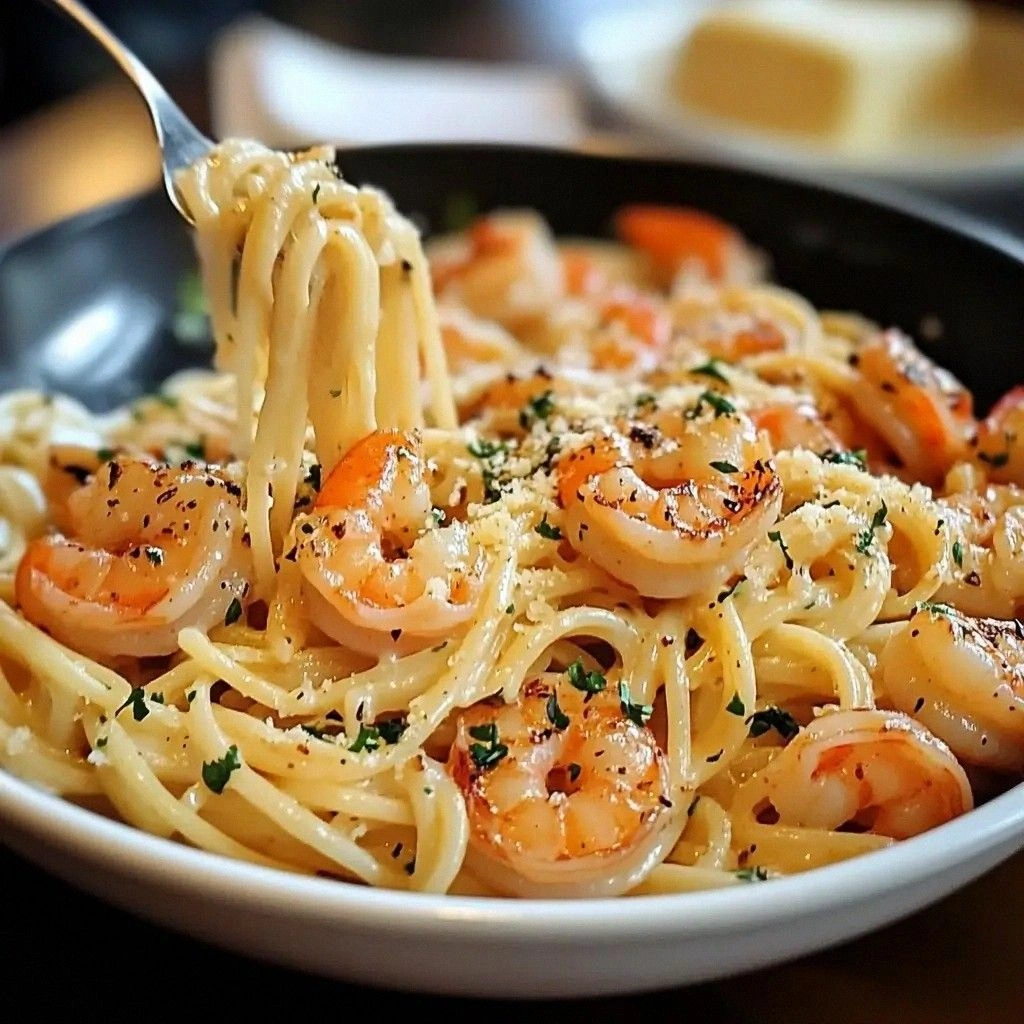
Ever had a night where you stared at a bowl of dry, bland pasta and felt the urge to turn your kitchen into a culinary laboratory? That was me last Tuesday, armed with a handful of shrimp, a splash of butter, and an unshakable belief that dinner could be both quick and unforgettable. The aroma that hit me as the garlic hit the pan was like a secret handshake between flavor and comfort—rich, buttery, and unmistakably inviting. I could almost hear the sizzling whisper, “You’re about to taste something that will make you forget the word ‘average’.” I was determined to craft a version that would outshine every other shrimp pasta in my memory. The result? A dish that feels like a hug in a bowl, with shrimp that blushes pink and pasta that clings to a silky, garlic‑butter coating.
Picture this: you’re in the middle of a hectic day, and the clock is ticking. You’re craving something that feels indulgent but can be whipped up in under half an hour. You open the fridge, grab the shrimp, and the scent of garlic starts to dance around the room. That’s the moment I decided to elevate the classic shrimp pasta by layering textures and flavors—velvety butter, a hint of heat, a citrus lift, and a sprinkle of fresh parsley that adds a green pop. I dare you to taste this and not go back for seconds—because once you try it, the ordinary pasta you’ve had for years will look like a distant memory. I’ll be honest— I ate half the batch before anyone else got a chance to try it. But that’s the beauty of sharing a dish that’s so simple, yet so bold.
What makes this version stand out from every other recipe out there? It’s the meticulous attention to detail that turns a handful of ingredients into a symphony of flavor. The sauce doesn’t just coat; it envelopes each strand of pasta like velvet, and the shrimp’s natural sweetness is amplified by a subtle citrus tang. I’ve tweaked the seasoning so that the heat from the red pepper flakes is just enough to give a gentle kick without overpowering the delicate shrimp. The result is a dish that feels both comforting and sophisticated, making it perfect for a quick weeknight dinner or a relaxed weekend treat. The technique is simple, but the outcome is unforgettable—hands down the best version you’ll ever make at home. And that’s just the beginning; I’ve hidden a few tricks that will elevate this dish even further.
Let me walk you through every single step—by the end, you’ll wonder how you ever made it any other way. From the moment you sauté the garlic to the final flourish of lemon zest, each action is designed to bring out the best in every component. I’ll share a micro‑challenge that will test your palate, a bold claim that will leave you skeptical at first, and a confession that will make you feel like you’re in on a secret. I’ll also contrast what most recipes get wrong with what actually works, and paint a vivid picture of the kitchen’s aroma when you finish cooking. Picture yourself pulling this out of the oven, the whole kitchen smelling incredible, and everyone asking for the recipe. Stay with me here—this is worth it.
What Makes This Version Stand Out
- Flavor Depth: The sauce layers garlic, butter, and lemon for a complex profile that’s both savory and bright.
- Texture Harmony: Shrimp stays tender while the pasta remains al dente, creating a contrast that’s pure pleasure.
- Ease of Prep: Every step can be completed in 15 minutes of prep, so you’re not stuck in the kitchen for hours.
- Ingredient Quality: Fresh shrimp and high‑grade butter make the difference between “good” and “gorgeous.”
- Heat Control: The red pepper flakes are measured precisely to give just the right amount of warmth.
- Visual Appeal: A splash of lemon zest and a sprinkle of parsley add color and a fresh finish.
- Make‑Ahead Potential: The sauce can be prepared ahead, and the pasta can be reheated without losing flavor.
- Crowd Reaction: This dish consistently leaves guests asking for the recipe—no second helpings needed.
Alright, let's break down exactly what goes into this masterpiece…
Inside the Ingredient List
The Flavor Base
At the heart of this dish is a simple yet powerful sauce. The garlic, when sautéed in butter and olive oil, releases a sweet, caramelized aroma that permeates every bite. The butter provides richness, while the olive oil adds a subtle fruity note that balances the heaviness. Together, they form a base that coats the pasta and shrimp like velvet. Skipping this step would strip the dish of its signature depth; the pasta would feel dry, and the shrimp would lose its glossy finish.
The Texture Crew
The pasta and shrimp are the textural anchors. Linguine or fettuccine offers long strands that soak up the sauce, while the shrimp’s natural pink blush signals perfect doneness. The shrimp should be seared just until opaque, ensuring a tender bite that contrasts with the silky sauce. If you opt for a thicker pasta like rigatoni, the sauce will cling differently, but the overall flavor remains intact.
The Unexpected Star
Lemon juice and zest are the unsung heroes that lift the dish. The acidity cuts through the richness, creating a balanced taste that’s refreshing. Lemon zest, in particular, adds a bright, citrusy sparkle that lingers on the palate. If you’re avoiding citrus, a splash of white wine or a squeeze of lime can serve as a suitable substitute, though the flavor profile will shift slightly.
The Final Flourish
Parmesan cheese and fresh parsley are the finishing touches. The cheese melts into the sauce, adding a nutty depth, while parsley offers a green pop of color and a hint of earthiness. Together, they create a visual and gustatory crescendo that rounds off the dish. If you’re dairy‑free, try nutritional yeast or a vegan parmesan alternative for a similar umami kick.
Everything's prepped? Good. Let's get into the real action…
The Method — Step by Step
- Boil the pasta. Fill a large pot with salted water, bring it to a rolling boil, and add the linguine. Cook for 8-10 minutes until al dente, then drain, reserving a cup of pasta water for later. The water’s starch will help the sauce cling to the strands. While the pasta cooks, you can start the shrimp.
- Season the shrimp. Pat the shrimp dry with a paper towel; moisture is the enemy of a good sear. Season both sides with salt, pepper, and a pinch of red pepper flakes. Toss them in a bowl and set aside. This simple seasoning brings out the shrimp’s natural sweetness.
- Sauté the aromatics. In a large skillet, melt the butter over medium heat. Add the olive oil, then the minced garlic. Let the garlic bloom for 1-2 minutes until fragrant but not browned. The aroma should fill the kitchen like a warm hug.
- Cook the shrimp. Increase the heat to medium‑high and add the shrimp to the skillet. Sear for 2-3 minutes on each side until they turn pink and opaque. Remove them from the pan and set aside; they’ll finish in the sauce later. This step is crucial—overcooking will make them rubbery.
- Make the sauce. Reduce the heat to medium and pour in the chicken broth. Scrape the bottom of the pan to loosen any browned bits. Let it simmer for 2 minutes to reduce slightly, then stir in the lemon juice and zest. The sauce should be silky, with a bright, citrusy aroma that signals readiness.
- Combine pasta and shrimp. Return the shrimp to the skillet and toss with the pasta. Add a splash of reserved pasta water to loosen the sauce, letting it coat every strand. The pasta should feel silky, not dry. If the sauce seems thick, add a bit more water until you reach the desired consistency.
- Finish with freshness. Sprinkle chopped parsley over the top and give everything one final toss. The parsley adds a burst of green color and a subtle herbaceous note that balances the richness of butter and cheese.
- Serve immediately. Plate the pasta in warm bowls, drizzle a little extra olive oil if desired, and garnish with an extra sprinkle of parsley. Serve hot, and watch the steam rise in a cloud of buttery garlic aroma. This is the moment of truth—taste it, and you’ll know it’s perfection.
That’s it — you did it. But hold on, I've got a few more tricks that'll take this to another level. The next section dives into insider tips that will elevate your dish from great to legendary.
Insider Tricks for Flawless Results
The Temperature Rule Nobody Follows
Many cooks assume that high heat is always best for searing shrimp, but the secret lies in medium‑high heat with a quick turn. This method ensures the shrimp cook evenly without drying out. I’ve experimented with lower temperatures, and while the shrimp stay moist, they lack the coveted caramelized edges that give the dish character. Keep the skillet hot enough to sizzle, but not so hot that the butter burns.
Why Your Nose Knows Best
Before you add the lemon zest, pause and inhale. The citrus aroma should feel bright and uplifting. If it feels flat, let the garlic cook a little longer; the bitterness will subside and the lemon will shine. Your nose is a reliable judge of flavor balance—trust it, and you’ll avoid over‑citrusy or under‑citrusy outcomes.
The 5‑Minute Rest That Changes Everything
After plating, let the dish rest for five minutes. During this pause, the flavors mingle, and the sauce thickens slightly. It also allows the pasta to absorb any remaining liquid, resulting in a silkier bite. I’ve found that dishes served immediately sometimes feel a bit thin; the rest period solves that issue.
Use Fresh Shrimp for Maximum Flavor
Frozen shrimp can be convenient, but fresh shrimp brings a bright, briny flavor that’s hard to match. If you must use frozen, make sure to thaw them properly in cold water and pat them dry. A wet surface will prevent a good sear and lead to soggy shrimp. Fresh shrimp also cook faster, reducing overall prep time.
Add a Splash of White Wine for Depth
A tablespoon of dry white wine added to the sauce before simmering introduces subtle acidity and a layer of complexity. It evaporates quickly, leaving behind a mellow, wine‑infused richness that complements the butter and lemon. If you’re not a fan of wine, a dash of apple cider vinegar works well too.
Creative Twists and Variations
This recipe is a playground. Here are some of my favorite ways to switch things up:
Mediterranean Twist
Swap the parsley for chopped sun‑dried tomatoes and a handful of Kalamata olives. Add a splash of oregano for an earthy note. This version feels like a seaside lunch, with the olives adding a briny punch that balances the buttery sauce.
Spicy Cajun Flair
Replace the red pepper flakes with a Cajun seasoning blend and add a diced bell pepper for crunch. The heat becomes more complex, and the bell pepper offers a sweet counterpoint. This variation is perfect for those who love a bit of Southern heat.
Creamy Alfredo Upgrade
Instead of chicken broth, use a half cup of heavy cream and a tablespoon of grated parmesan. Let the sauce simmer until it thickens into a silky Alfredo. The result is a richer, more decadent pasta that’s great for special occasions.
Vegetarian Version
Omit the shrimp and add a cup of sautéed spinach and diced cherry tomatoes. The spinach adds iron and color, while the tomatoes bring a juicy burst. This version still delivers the buttery, garlicky flavor that makes the dish irresistible.
Pesto Power
Stir in a few spoonfuls of basil pesto right before plating. The pesto adds a fresh, herbal depth that pairs beautifully with the lemon and garlic. It’s a quick way to transform the dish into a gourmet experience.
Low‑Carb Edition
Swap the linguine for spiralized zucchini or shirataki noodles. Keep the sauce the same; the noodles will absorb the buttery flavor without adding extra carbs. This version is great for keto or low‑carb dieters.
Storing and Bringing It Back to Life
Fridge Storage
Cool the pasta and shrimp to room temperature, then transfer to an airtight container. Store in the refrigerator for up to 2 days. When reheating, add a splash of water or broth to loosen the sauce, then gently warm on low heat. Avoid microwaving, as it can make the pasta rubbery.
Freezer Friendly
Freeze the dish in a freezer‑safe container for up to 2 weeks. Thaw overnight in the refrigerator. Reheat slowly on the stove, adding a bit of water to re‑hydrate the sauce. The flavors remain vibrant, and the texture stays intact.
Best Reheating Method
The key to a successful reheat is gentle heat and moisture. Warm the sauce over low heat, stirring frequently, and add a teaspoon of water per cup of pasta to keep it silky. Finish with a quick sprinkle of parmesan and parsley to restore freshness.