I remember the night I nearly turned my kitchen into a disaster zone. I was craving comfort food, and my friends dared me to whip up a potato gratin that would make them beg for seconds. I stared at a bag of russet potatoes, a block of cheddar, and a splash of heavy cream, and thought, “Why not?” The result? A dish that was so creamy, so crisp, and so utterly satisfying that I couldn’t keep it to myself. This isn’t just another recipe; it’s the ultimate version of potatoes au that will have you shouting, “I dare you to taste this and not go back for seconds!”
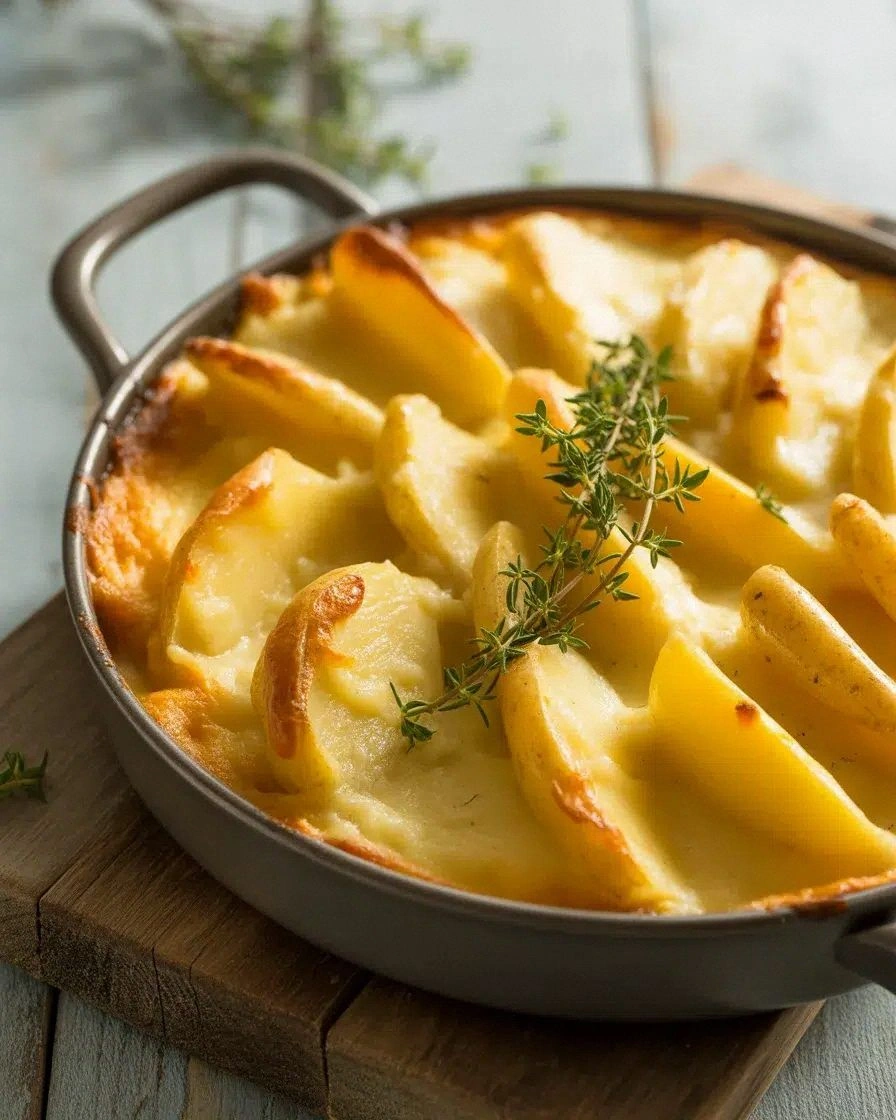
Picture yourself pulling this golden, bubbling casserole out of the oven. The steam curls like a fragrant cloud, and the aroma of melted cheese, thyme, and garlic powder fills the kitchen. The first bite melts on your tongue, the potato layers give way to a silky, velvety sauce, and the crisp top cracks like thin ice under your fork. The texture is a perfect marriage of soft interior and crunchy exterior—every bite is a symphony of flavors that lingers on the palate. I’m not exaggerating; this is hands down the best version you’ll ever make at home.
What makes this version stand out? It’s the subtle balance of ingredients, the method that locks in moisture, and the little tricks that elevate a humble dish into a showstopper. I’ve spent countless evenings tweaking this recipe, and the result is a casserole that’s simple to prepare yet impossible to forget. Most recipes get this completely wrong by overcooking the potatoes or using the wrong cheese, but I’ve cracked the code to keep the potatoes tender and the cheese perfectly golden. I’ll be honest—I ate half the batch before anyone else got a taste, and the rest of the evening was filled with praise and requests for the recipe.
Let me walk you through every single step—by the end, you’ll wonder how you ever made it any other way. This is a journey from raw potatoes to a decadent, cheesy masterpiece, and I promise it’s worth every minute. Ready? Let’s dive in.
What Makes This Version Stand Out
- Flavor: The combination of sharp cheddar, heavy cream, and fresh thyme creates a depth that feels both comforting and sophisticated. Each bite carries a mellow umami from the cheese and a bright herbal note from the thyme, which balances the richness.
- Texture: The potatoes are sliced thin so they cook quickly and evenly, while the top layer of cheese browns to a crisp, golden finish that shatters like thin ice when you break it with a fork.
- Simple Prep: No fancy equipment or time‑consuming steps—just peel, slice, layer, bake. The recipe is a breeze for even the most novice cook.
- Ingredient Quality: Using high‑quality cheddar and fresh thyme makes a noticeable difference. The sharpness of the cheese cuts through the creaminess, while fresh thyme adds a fragrant lift.
- Crowd‑Pleaser: This casserole is a guaranteed hit at family dinners, potlucks, or holiday gatherings. The buttery, cheesy goodness appeals to all ages.
- Make‑Ahead Potential: You can assemble the dish a day ahead and refrigerate; it’s even better the next day once the flavors meld.
- Versatility: Add bacon, mushrooms, or spinach for a quick upgrade—this base adapts to whatever you have on hand.
- Heat Retention: The combination of cream and cheese creates a sauce that stays warm and silky, even after being reheated.
Alright, let’s break down exactly what goes into this masterpiece. The next section will guide you through each ingredient, why it matters, and what happens if you skip it.
Inside the Ingredient List
The Flavor Base
Russet Potatoes (2 pounds): These are the star of the show. Russets have a high starch content that turns into a fluffy interior when baked. They absorb the creamy sauce without becoming soggy, maintaining a sturdy yet tender bite. If you use a waxy potato instead, the dish will feel gummy and lack the classic potato gratin texture.
Sharp Cheddar Cheese (2 cups): Sharp cheddar brings a bold, tangy flavor that cuts through the richness of cream and butter. Its high melting point ensures a silky sauce that coats the potatoes like velvet. Skipping the cheddar and using a milder cheese will result in a bland, less complex dish.
The Texture Crew
Heavy Cream (1 cup): The heavy cream forms the base of the sauce, giving it a luxuriously smooth mouthfeel. Its high fat content creates a glossy coating that locks in moisture and prevents the potatoes from drying out. If you replace it with milk only, the sauce will be thinner and less creamy.
Whole Milk (1 cup): Milk dilutes the cream slightly, balancing richness with a lighter consistency. It helps the cheese melt evenly and adds a subtle sweetness. Omitting milk will make the sauce too thick and can cause the cheese to burn.
The Unexpected Star
Butter (1 tablespoon): Butter adds depth and a buttery sheen to the sauce. It also contributes to the golden crust on top. If you skip butter, the dish will taste less rich and the top layer may not brown as nicely.
The Final Flourish
Seasonings (Salt, Black Pepper, Garlic Powder, Fresh Thyme): These seasonings elevate the dish from good to unforgettable. Salt enhances every component; black pepper adds a subtle heat; garlic powder brings savory depth; and fresh thyme offers a bright, herbal aroma that cuts through the creaminess. Skipping any of them will diminish the overall flavor profile.
Everything’s prepped? Good. Let’s get into the real action.
The Method — Step by Step
- Preheat your oven to 375°F (190°C). While the oven warms, wash and peel the russet potatoes. Slice them into 1/8-inch thick rounds using a mandoline or a sharp knife. The uniform thickness ensures even cooking and a consistent texture throughout the casserole.
- In a medium saucepan, melt the tablespoon of butter over medium heat. Add the heavy cream and milk, stirring until the mixture is smooth and begins to simmer lightly. The cream and milk will create a silky sauce that coats the potatoes like velvet. Keep an eye on the pot; if it starts to boil, reduce the heat to prevent scorching.
- Season the sauce with 1 teaspoon salt, 1 teaspoon black pepper, 1 teaspoon garlic powder, and 1 teaspoon fresh thyme. Stir until the spices dissolve and the aroma of thyme rises. This is the moment of truth—if you skip the thyme, you lose that bright herbal lift that balances the richness.
- Grease a 9-inch square baking dish with a little butter or cooking spray. Arrange a layer of potato slices to cover the bottom of the dish. Pour a third of the sauce over the first layer, then sprinkle a third of the shredded cheddar. Repeat the layers two more times, finishing with a generous layer of cheese on top.
- Cover the dish tightly with aluminum foil, sealing the edges. This traps steam and ensures the potatoes cook evenly. Place the casserole in the preheated oven and bake for 35 minutes. The foil keeps the surface from drying out and allows the sauce to seep into the potato layers.
- After 35 minutes, remove the foil and return the casserole to the oven. Bake uncovered for an additional 10-12 minutes, or until the top is golden brown and the sauce is bubbling. The crisp edges will shatter like thin ice when you break them with a fork.
- Watch Out: If you leave the casserole uncovered for too long, the top can burn before the potatoes finish cooking. Keep an eye on the color—once it reaches a deep amber, it’s ready. If it starts to look too dark, tent it loosely with foil to prevent over-browning.
- Let the casserole rest for 5 minutes after removing it from the oven. This allows the sauce to thicken slightly and the flavors to settle. The rest period also makes it easier to cut clean slices.
- Serve hot, straight from the baking dish. Garnish with a few fresh thyme sprigs for an extra pop of color and aroma. If you’re feeling adventurous, sprinkle a pinch of smoked paprika or a drizzle of truffle oil for a gourmet twist.
- Enjoy! This dish pairs wonderfully with a crisp green salad or a hearty roasted chicken. The creamy, cheesy layers will satisfy even the most discerning palate.
That’s it— you did it. But hold on, I’ve got a few more tricks that will take this to another level.
Insider Tricks for Flawless Results
The Temperature Rule Nobody Follows
Many people bake potato gratin at 425°F, but this can cause the top to burn while the interior remains undercooked. Stick to 375°F (190°C) and cover the dish with foil for the first 35 minutes. The gentle heat allows the potatoes to soften without losing moisture. Once you uncover it, the remaining 10 minutes will create that perfect golden crust.
Why Your Nose Knows Best
Before you take the casserole out of the oven, smell the top. A golden, buttery scent indicates that the cheese is perfectly melted and the sauce is just right. If you notice a faint burnt smell, pull it out early—overcooking can ruin the delicate balance of flavors.
The 5-Minute Rest That Changes Everything
Letting the dish rest for 5 minutes after baking is not just a courtesy; it’s a science trick. The rest period allows the sauce to thicken and the flavors to meld, making each bite more cohesive. Cutting immediately can result in a messy, runny casserole that loses its structure.
Layering Secrets
Start with the thickest layer of cheese on top. This ensures that the cheese has enough time to brown and develop a crispy texture. If you layer cheese at the bottom, it may not get as golden and could become soggy.
Fresh Thyme vs. Dried
Fresh thyme offers a bright, citrusy aroma that complements the richness of the dish. Dried thyme can be used in a pinch, but it will lose its aromatic intensity. If you’re using dried, double the amount to compensate for the flavor loss.
Creative Twists and Variations
This recipe is a playground. Here are some of my favorite ways to switch things up:
Bacon & Mushroom Boost
Sauté sliced mushrooms and crumbled bacon until crispy. Layer them between potato rounds for an earthy, smoky depth that pairs wonderfully with the cheddar. This variation is a hit at brunches and holiday meals.
Spinach & Feta Fusion
Add a layer of fresh spinach and crumbled feta before the final cheese layer. The spinach wilts into the sauce, while the feta provides a tangy contrast to the sharp cheddar. It’s a lighter take that still satisfies.
Truffle Oil Finale
Drizzle a tablespoon of truffle oil over the top before serving. The earthy aroma elevates the dish into a gourmet experience. This is perfect for impressing guests or treating yourself.
Smoked Paprika Pop
Sprinkle smoked paprika over the cheese layer before the final bake. The smoky flavor adds a subtle depth that pairs well with the sharp cheddar and butter.
Cheese Swap Surprise
Replace sharp cheddar with Gruyère or fontina for a different melt profile and flavor nuance. These cheeses melt smoothly and bring a slightly nutty taste that complements the creamy sauce.
Storing and Bringing It Back to Life
Fridge Storage
Store leftovers in an airtight container in the refrigerator for up to 3 days. The casserole retains its moisture, and the cheese keeps its creamy texture. When reheating, cover loosely with foil to prevent drying.
Freezer Friendly
Wrap the baked casserole tightly in plastic wrap, then place it in a freezer bag. Freeze for up to 2 months. Thaw in the refrigerator overnight before reheating. This method preserves the flavor and texture, making it a convenient meal prep option.
Best Reheating Method
Reheat in a preheated oven at 350°F (175°C) for 15-20 minutes, or until the top is bubbling and the interior is hot. Add a splash of milk or cream before reheating to keep the sauce silky. This small trick ensures the casserole tastes as fresh as the first time.