I was staring at a half‑empty pantry, a stubborn craving for something warm, and a half‑cooked chicken that had somehow survived a kitchen apocalypse. I tossed a can of creamed corn into the pot, added a splash of soy sauce, and—boom—an aroma exploded that made the whole apartment smell like a Chinese street market at dawn. That chaotic moment birthed what I can confidently call the ultimate comfort bowl: Chinese Corn Soup with Chicken. I dare you to taste this and not go back for seconds; it’s that good.
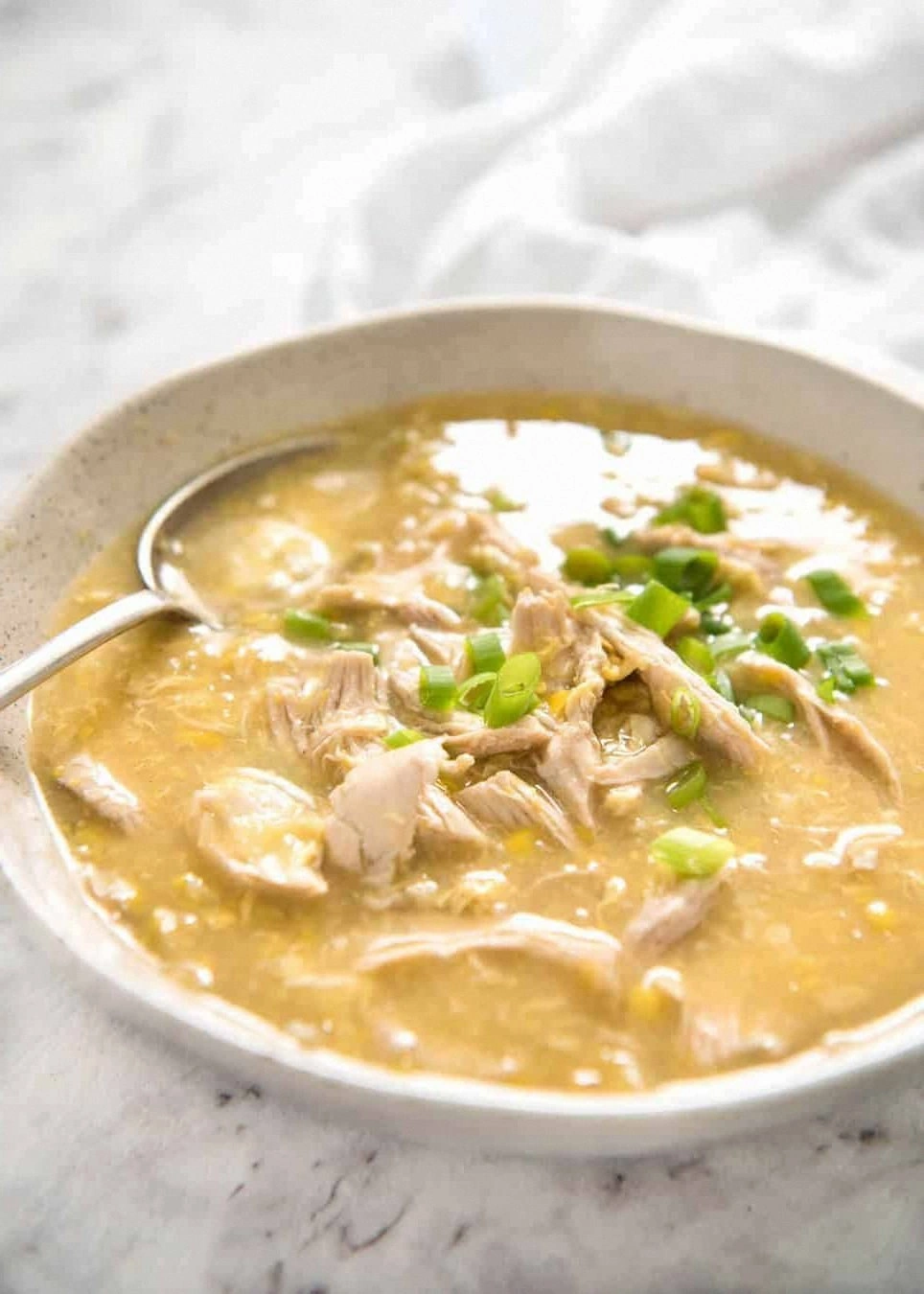
Picture this: a silky, golden broth that hugs each bite like a silk scarf, speckled with bright corn kernels that pop like fireworks, and tender ribbons of chicken that melt in your mouth. The soup sings a chorus of sweet, savory, and subtly aromatic notes—think sunshine in a bowl with a whisper of ginger and a kiss of Chinese cooking wine. The sizzle when the broth meets the pan? Absolute perfection. That sound is the prelude to a flavor symphony you’ll be humming about for weeks.
Most recipes get this completely wrong. They either drown the corn in too much broth, or they turn the soup into a watery mess that looks like a sad, thin porridge. My version respects the corn’s natural sweetness, balances it with a light, umami‑rich stock, and finishes with a velvety egg‑ribbon that adds body without heaviness. The secret? A quick cornstarch slurry that locks in the creaminess while keeping the soup whisper‑light.
I’ll be honest—I ate half the batch before anyone else got a chance to try it, and that’s a confession worth making. The trick that makes this soup stand out is the gentle tempering of the egg, creating silky strands that float like clouds. I also throw in a splash of Chinese cooking wine at the very end; it’s the game‑changer that adds depth you never saw coming. If you’ve ever struggled with a bland corn soup, you’re not alone—and I’ve got the fix.
Okay, ready for the game‑changer? Let me walk you through every single step—by the end, you’ll wonder how you ever made it any other way. Stay with me here — this is worth it.
What Makes This Version Stand Out
- Texture: The cornstarch slurry gives the broth a silk‑smooth body while the corn kernels stay plump, creating a perfect contrast between creamy and bite‑sized.
- Flavor Depth: A splash of Chinese cooking wine and a dash of soy sauce add layers of umami that make the soup feel restaurant‑quality.
- Simplicity: You need just eleven ingredients, most of which you probably already have in your pantry, and the whole process takes under an hour.
- Speed: The creamed corn eliminates the need for grinding fresh kernels, shaving minutes off prep without sacrificing taste.
- Versatility: Swap chicken for tofu, or go entirely vegetarian—this base adapts to any protein you fancy.
- Show‑stopper Factor: The egg ribbons are not just functional; they look stunning, turning a humble soup into a centerpiece.
- Make‑Ahead Potential: You can prep the broth and corn mixture ahead of time; just finish with the egg and scallions when you’re ready to serve.
- Comfort Factor: This soup feels like a warm hug on a cold day, making it a crowd‑pleaser for family dinners or quick lunches.
Inside the Ingredient List
The Flavor Base
The backbone of this soup is the broth. I recommend a good quality chicken stock, but a vegetable stock works just as well if you’re leaning vegetarian. The stock carries the subtle savory notes that will later mingle with the soy sauce and cooking wine. Skipping the stock for plain water would leave the soup tasting flat—never do that.
Soy Sauce (1 tsp): A little goes a long way. It brings that deep, salty umami which is the hallmark of Chinese cooking. If you’re watching sodium, opt for a low‑sodium soy sauce, but don’t cut it out entirely.
Chinese Cooking Wine (1 tbsp): This isn’t just for show; it adds a fragrant, slightly sweet note that lifts the whole dish. No wine? Replace with a splash of dry sherry or a teaspoon of rice vinegar mixed with a pinch of sugar.
The Texture Crew
Corn (1 can creamed corn): The canned version is already pureed, giving you that creamy body without extra effort. Fresh corn can be used, but you’ll need to blend it first. If you love extra crunch, stir in half a cup of fresh corn kernels at the end.
Cornflour / Cornstarch (1 tsp): This is the secret weapon that thickens the soup without turning it gummy. Dissolve it in a few tablespoons of cold water before adding to the hot broth to avoid lumps.
Egg (1): The egg is drizzled in a thin stream while stirring, creating silky ribbons that float like clouds. Beat it lightly with a pinch of white pepper before adding; this prevents clumping and adds a subtle spice.
The Unexpected Star
Ginger (1 tsp, minced): Fresh ginger adds a bright, peppery zing that cuts through the richness. If you’re not a fan of ginger’s bite, reduce to half a teaspoon, but don’t skip it—it’s the spark that makes the soup sing.
Garlic (1 clove, minced): Garlic gives the broth a fragrant foundation. Crush it with the ginger for a smoother texture and more even flavor distribution.
The Final Flourish
Shredded Cooked Chicken (1 cup): Use leftover rotisserie chicken or quickly poach a breast and shred it. The chicken adds protein and a comforting bite, but you can substitute tofu, shrimp, or even mushrooms for a different twist.
Scallions / Shallots (3 tbsp, sliced): Added at the very end, they provide a fresh, oniony crunch that brightens the soup. Slice them thinly; you’ll notice the difference instantly.
Salt and White Pepper: Season to taste at the end. White pepper adds a gentle heat without the black specks, keeping the soup visually pristine.
Everything's prepped? Good. Let's get into the real action...
The Method — Step by Step
Heat a medium saucepan over medium heat and pour in the 2 cups of chicken or vegetable broth. As the broth begins to shimmer, stir in the soy sauce, Chinese cooking wine, minced ginger, and garlic. The moment those aromatics hit the hot liquid, you’ll hear a gentle sizzle that tells you flavors are waking up. Let it come to a gentle boil, then reduce to a simmer; you want the broth to stay just below a rolling boil so the garlic doesn’t turn bitter.
Kitchen Hack: If you’re short on time, use a pre‑made low‑sodium broth; just give it a quick taste and adjust the soy sauce accordingly.Add the entire can of creamed corn to the simmering broth, stirring constantly. The corn will melt into the liquid, turning the soup a buttery gold. Let the mixture simmer for about five minutes, allowing the flavors to meld; you’ll notice the scent becoming sweeter and more cohesive. If the soup looks too thick, add a splash of water or extra broth to reach your desired consistency.
In a small bowl, whisk the 1 tsp of cornflour with two tablespoons of cold water until smooth. This slurry is the magic that will thicken the soup without creating lumps. Slowly pour the slurry into the pot while stirring in a circular motion; you’ll see the broth instantly start to coat the back of a spoon, a sign it’s thickening just right.
Watch Out: Do not add the slurry all at once or the soup can become gummy; a slow, steady stream is key.Stir in the shredded cooked chicken, allowing it to warm through for two to three minutes. The chicken should be heated but not overcooked; you’ll hear a faint pop as the meat re‑absorbs the broth’s flavors. This step is crucial for integrating protein without drying it out.
Season the soup with salt and a pinch of white pepper. Taste before you add more; the broth should be balanced—salty enough to bring out the corn’s sweetness but not so salty that it overwhelms. Remember, the soy sauce already contributed sodium, so err on the side of caution.
Crack the egg into a small bowl, add a dash of white pepper, and beat lightly. Reduce the heat to low, then drizzle the egg into the soup in a thin, steady stream while stirring gently in a figure‑eight motion. This creates delicate, silky ribbons that float like clouds. The egg will cook almost instantly; you’ll see it turn opaque and glossy, a visual cue that the soup is ready.
Finally, toss in the sliced scallions (or shallots) and give the soup one last gentle stir. The scallions add a fresh, sharp bite that cuts through the richness. Let the soup sit for a minute off the heat; this resting period lets the flavors settle and the scallions soften just enough to release their aroma.
Ladle the soup into bowls, garnish with a few extra scallion slices if you like, and serve immediately. The steam rising from each bowl should carry the scent of corn, ginger, and a whisper of wine—pure comfort in a spoonful.
Kitchen Hack: For an extra glossy finish, stir in a teaspoon of sesame oil just before serving; it adds a nutty sheen without altering the flavor profile.
That's it — you did it. But hold on, I've got a few more tricks that'll take this to another level...
Insider Tricks for Flawless Results
The Temperature Rule Nobody Follows
Never add the egg when the soup is boiling hard; a gentle simmer is the sweet spot. The high heat will scramble the egg into clumps, ruining those elegant ribbons. Keep the pot just below a rolling boil, and you’ll get that glossy, silk‑like texture every single time.
Why Your Nose Knows Best
Before you taste, give the soup a quick sniff. If you catch a faint aroma of ginger and wine, you’re on the right track. If it smells flat or overly salty, adjust with a splash of water or a pinch more white pepper. Your nose is a faster taste‑tester than your palate.
The 5‑Minute Rest That Changes Everything
After you finish cooking, turn off the heat and let the soup sit for five minutes. This brief rest lets the cornstarch fully gelatinize, giving the broth a velvety mouthfeel. Skipping this step often results in a soup that feels a touch thin.
Cornflour vs. Cornstarch Showdown
Both work, but cornflour (also called corn starch in the US) yields a clearer, shinier broth, while cornstarch can make it slightly cloudy. If you love a crystal‑clear soup, reach for cornflour; if you’re okay with a milky look, cornstarch is fine.
The Scallion Timing Trick
Add the scallions at the very end, right before serving. This preserves their bright color and crunch. A friend once tossed them in too early, and they turned limp and lost their fresh bite—lesson learned.
Creative Twists and Variations
This recipe is a playground. Here are some of my favorite ways to switch things up:
Spicy Sichuan Kick
Add a teaspoon of Sichuan peppercorn oil and a dash of chili oil when you finish the broth. The peppercorns give a tingly, numbing sensation while the chili oil brings heat—perfect for those who love a little fire.
Coconut Curry Fusion
Swap the chicken broth for coconut milk and stir in a tablespoon of red curry paste with the ginger. The result is a creamy, aromatic bowl that feels like a tropical vacation in every spoonful.
Mushroom Medley
Replace the chicken with a medley of shiitake and oyster mushrooms, sautéed briefly before adding to the soup. The earthy umami of the mushrooms pairs beautifully with the sweet corn, creating a vegetarian delight.
Lemon‑Ginger Bright
Stir in the zest of one lemon and a tablespoon of fresh lemon juice just before serving. The citrus lifts the richness, making the soup feel lighter and more refreshing—great for spring evenings.
Thai Basil Burst
Add a handful of Thai basil leaves right at the end, allowing them to wilt gently. The aromatic basil adds a sweet, peppery note that transforms the soup into a cross‑cultural masterpiece.
Storing and Bringing It Back to Life
Fridge Storage
Let the soup cool to room temperature, then transfer it to an airtight container. It keeps fresh for up to three days in the refrigerator. When reheating, add a splash of water or broth to revive the silky texture.
Freezer Friendly
Portion the soup into freezer‑safe bags, leaving a little headspace for expansion. Freeze for up to two months. Thaw overnight in the fridge, then gently reheat on low, whisking in a fresh egg if you want to restore the ribbons.
Best Reheating Method
Reheat over low heat, stirring constantly. Add a teaspoon of water or broth before you start; this steam‑back technique prevents the soup from becoming gummy. Once it’s hot, quickly drizzle in a beaten egg for fresh ribbons, just as you did the first time.