Picture this: I’m standing in a cramped kitchen, a pot of boiling water, a handful of butternut squash that looks more like a stubborn orange than a vegetable, and a pantry that’s been a silent witness to my culinary experiments. I’m halfway through a week of bland salads, and the urge to do something bold hits me like a sudden thunderclap. That’s when I grabbed a handful of dried cranberries, a sprinkle of cayenne, and a splash of honey, and decided to throw everything together. The result? A dish that’s not just a salad but a symphony of sweet, spicy, nutty, and tart flavors, all wrapped in the comforting hug of roasted butternut squash.
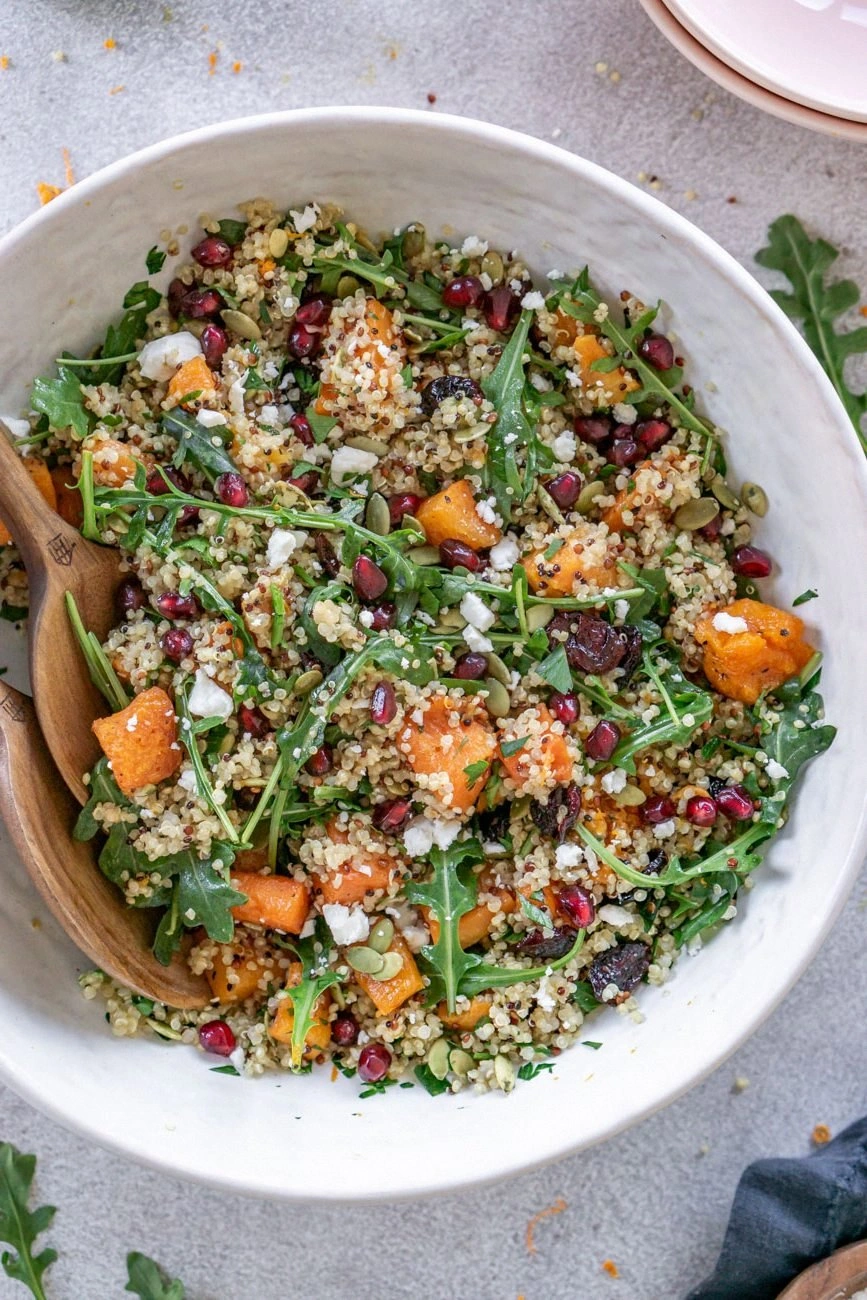
The moment the squash hits the pan, the kitchen fills with a warm, caramelized scent that feels like a hug from a cozy autumn cabin. The golden edges crisp just enough to give a satisfying crackle, while the inside remains tender and silky. The cranberries burst with a burst of tartness that cuts through the sweetness of the honey, and the pumpkin seeds add a crunchy counterpoint that keeps each bite exciting. The arugula’s peppery bite and the pomegranate seeds’ juicy pop bring layers of freshness that dance on the palate. Every element feels purposeful, not just filler.
What makes this version stand out is that it’s not just about the ingredients; it’s about the way they’re brought together. I didn’t just toss everything into a bowl. I roasted the squash to bring out its natural sweetness, simmered a flavorful broth to infuse the quinoa, and whisked a dressing that coats the grains like velvet. The combination of citrus zest, honey, and champagne vinegar creates a bright, tangy lift that makes the dish feel light yet satisfying. The result is a salad that could be served as a hearty main, a side dish, or even a breakfast bowl on a lazy Sunday.
I dare you to taste this and not go back for seconds. I’m not exaggerating when I say this is hands down the best version you’ll ever make at home. Most recipes get this completely wrong by using too much dressing or overcooking the quinoa. Here, everything works in harmony. Picture yourself pulling this out of the oven, the whole kitchen smelling incredible, and a crowd gathering around your table, begging for the recipe. Stay with me here — this is worth it.
What Makes This Version Stand Out
- Flavor: The marriage of roasted butternut squash, honey, and cayenne creates a sweet‑heat profile that feels like a hug in a bowl.
- Texture: Crispy pumpkin seeds, chewy quinoa, and juicy pomegranate seeds give a delightful contrast that keeps each bite interesting.
- Color: A vibrant palette of orange, red, green, and gold makes the dish Instagram‑ready without the need for artificial dyes.
- Nutrition: Packed with protein, fiber, and healthy fats, this salad is as wholesome as it is delicious.
- Make‑Ahead: You can prep the quinoa and roast the squash a day ahead, making this a perfect quick‑fix for busy evenings.
- Versatility: It works as a light lunch, a side for dinner, or a hearty breakfast when paired with a protein source.
Inside the Ingredient List
The Flavor Base
At the heart of this dish lies the butternut squash, the star that brings a natural sweetness and a comforting, buttery texture. Roasting the squash not only deepens its flavor but also creates a caramelized crust that adds a subtle crunch. The honey, used in two different stages, balances the heat from the cayenne and the acidity from the champagne vinegar. A dash of cayenne pepper adds a gentle kick that wakes up the senses, while the kosher salt and black pepper enhance every component without overpowering them. This trio of sweet, spicy, and savory elements sets the tone for the entire dish.
The Texture Crew
Quinoa is the backbone of the salad, offering a chewy yet fluffy texture that absorbs the flavorful broth. The tricolor variety adds visual interest and a slight nutty flavor. Dried cranberries burst with tartness, providing a chewy counterpoint to the quinoa’s softness. Toasted pumpkin seeds add a satisfying crunch and a buttery richness that elevates the dish. Baby arugula brings a peppery bite, while pomegranate seeds contribute a juicy pop that keeps the palate excited. Fresh parsley adds a bright, herbal note that rounds out the texture profile.
The Unexpected Star
The dressing is where the unexpected magic happens. Dijon mustard acts as a stabilizer, giving the vinaigrette a silky consistency that clings to each grain of quinoa. Champagne vinegar provides a subtle acidity that brightens the sweetness of the honey and the squash, creating a balanced flavor profile. A single garlic clove infuses the dressing with depth, while the orange zest adds a citrusy brightness that cuts through the richness. This combination of ingredients transforms a simple salad into a gourmet experience.
The Final Flourish
The final touches—pomegranate seeds, toasted pumpkin seeds, and fresh parsley—add layers of flavor, color, and texture. The seeds provide a nutty crunch that contrasts beautifully with the soft quinoa, while the pomegranate seeds offer a burst of juicy sweetness that brightens the dish. Fresh parsley gives a fresh, herbal finish that lifts the overall flavor profile, making each bite feel fresh and vibrant.
Everything's prepped? Good. Let's get into the real action.
The Method — Step by Step
- Preheat your oven to 400°F (200°C). Peel the butternut squash, remove the seeds, and cut it into bite‑sized cubes. Toss the cubes with 2 teaspoons of extra‑virgin olive oil, 1/2 teaspoon of kosher salt, 1/2 teaspoon of black pepper, and 1/4 teaspoon of cayenne pepper. Spread them out on a baking sheet in a single layer, ensuring they don’t overlap. Roast for 20 minutes, stirring halfway through, until the edges are caramelized and the squash is tender. This step is the flavor foundation—watch the color change; it should go from pale to a golden‑brown.
- While the squash roasts, bring 1 1/2 cups of vegetable broth to a gentle simmer in a medium saucepan. Add 3/4 cup of tricolor quinoa, cover, and reduce the heat to low. Let it simmer for 15 minutes, or until the quinoa has absorbed the broth and is fluffy. Fluff with a fork and set aside. The broth will carry the subtle flavors of the squash, making the quinoa taste like a savory soup.
- In a small bowl, whisk together 1 tablespoon of dijon mustard, 1 tablespoon of champagne vinegar, 1 teaspoon of honey, 1 teaspoon of orange zest, 1 garlic clove (minced), 1/2 teaspoon of kosher salt, and 1/2 teaspoon of black pepper. This dressing will coat the grains like velvet, creating a cohesive bite. The citrus zest gives a bright, almost floral note that lifts the dish.
- Once the quinoa is done, stir in 1/2 cup of dried cranberries and 1/2 cup of toasted pumpkin seeds. Let the mixture cool slightly, then fold in the roasted squash cubes. The cranberries will burst with sweetness, while the seeds add a satisfying crunch that keeps the salad from feeling flat.
- Add the dressing to the quinoa and squash mixture, tossing gently until everything is evenly coated. The dressing should cling to the grains, giving each bite a burst of flavor. If the mixture feels too dry, add a splash of the leftover broth to loosen it up.
- Gently fold in 1/2 cup of baby arugula, 1/2 cup of pomegranate seeds, and 1/4 cup of fresh parsley. These final ingredients bring brightness, color, and a fresh, peppery kick that balances the sweetness. The arugula’s peppery bite is a perfect counterpoint to the honey’s sweetness.
- Serve immediately or chill in the refrigerator for up to 24 hours. If you prefer a cold salad, let it sit for at least an hour to allow the flavors to meld. The dish is best served at room temperature for the squash to retain its caramelized edges.
- Optional: For a protein boost, top with grilled chicken, tofu, or a hard‑boiled egg. This transforms the salad from a side into a full‑blown main course.
That's it — you did it. But hold on, I've got a few more tricks that'll take this to another level. Stay with me here, because these insider tips will help you avoid common pitfalls and elevate the dish to restaurant‑quality.
Insider Tricks for Flawless Results
The Temperature Rule Nobody Follows
Many people roast the squash at a low temperature, but that can leave the edges undercooked. I always set my oven to 400°F (200°C) and roast for 20 minutes, turning halfway through. The high heat caramelizes the sugars, creating a sweet crust that’s both aromatic and texturally pleasing. If you’re in a hurry, use a convection setting to reduce cooking time by 5 minutes.
Why Your Nose Knows Best
When the squash is roasting, the kitchen will fill with a caramelized aroma that signals readiness. The smell is a cue to check the edges; they should be golden and slightly crisp. A strong, sweet scent means the sugars have begun to caramelize, and you’re close to perfection. Trust your nose, and you’ll avoid over‑roasting.
The 5-Minute Rest That Changes Everything
After roasting the squash, let it rest for five minutes before tossing. This rest allows the juices to redistribute, ensuring each cube remains moist and tender. If you rush and toss immediately, you risk creating a dry, over‑cooked texture. The five‑minute pause is a small investment for a big flavor payoff.
Don’t Skip the Broth
Using vegetable broth to cook the quinoa infuses it with subtle, savory flavor. Skipping it and using water can leave the grains bland and less cohesive. The broth’s natural umami enhances the overall taste, making the salad feel complete. If you’re vegetarian, opt for a low‑sodium broth to control the salt level.
Keep the Dressing Simple
The key to a great vinaigrette is balance. Too much vinegar can overpower, while too much honey can make it cloying. I use equal parts of mustard, honey, and vinegar to create an emulsion that coats each grain. Adding orange zest gives a bright lift that keeps the dressing from feeling heavy. The result is a dressing that’s crisp, bright, and not overly sweet.
Creative Twists and Variations
This recipe is a playground. Here are some of my favorite ways to switch things up:
Crispy Chickpea Edition
Add a can of drained and rinsed chickpeas, tossed with olive oil and a pinch of smoked paprika, before roasting. The chickpeas become a crunchy protein source that pairs beautifully with the sweet squash.
Mediterranean Flair
Swap the cranberries for sun‑dried tomatoes and replace the pumpkin seeds with toasted pine nuts. Add a handful of kalamata olives for brininess, and finish with a drizzle of extra‑virgin olive oil. The dish takes on a savory, Mediterranean vibe.
Spicy Thai Twist
Introduce a splash of lime juice, a handful of fresh basil leaves, and a pinch of Thai red curry powder to the dressing. Top with sliced red chili for an extra kick. The result is a bright, spicy salad that feels like a bowl of Thai street food.
Sweet & Savory Bacon
Crisp some bacon until it's almost crunchy, then crumble it over the finished salad. The salty, smoky flavor pairs well with the sweet cranberries and honey. It’s a decadent, indulgent variation that works for brunch.
Vegan Protein Boost
Add a scoop of plant‑based protein powder or a handful of hemp seeds to the quinoa mixture. This adds a protein punch without compromising the flavor profile, making it a perfect meal for vegans.
Breakfast Power Bowl
Serve the salad over a bed of sautéed spinach and top with a poached egg. The combination of protein, greens, and sweet squash makes for a nourishing breakfast that keeps you full until lunch.
Storing and Bringing It Back to Life
Fridge Storage
Store the salad in an airtight container in the refrigerator for up to 3 days. The quinoa and squash will stay crisp, while the dressing may separate slightly. Before serving, give it a quick stir and, if needed, add a splash of water or broth to loosen it up.
Freezer Friendly
To freeze, separate the quinoa and dressing from the rest of the ingredients. Store the quinoa mixture in a freezer bag and the dressing in a small container. When ready to eat, thaw overnight in the fridge, then combine with fresh arugula, pomegranate seeds, and pumpkin seeds for a quick, nutritious meal.
Best Reheating Method
If you prefer a warm version, gently heat the salad in a skillet over medium heat for 3-5 minutes, stirring occasionally. Add a splash of water to keep it from drying out. Alternatively, microwave on medium for 1-2 minutes, stirring halfway through. The key is to warm it just enough to release the aromas without overcooking the quinoa.