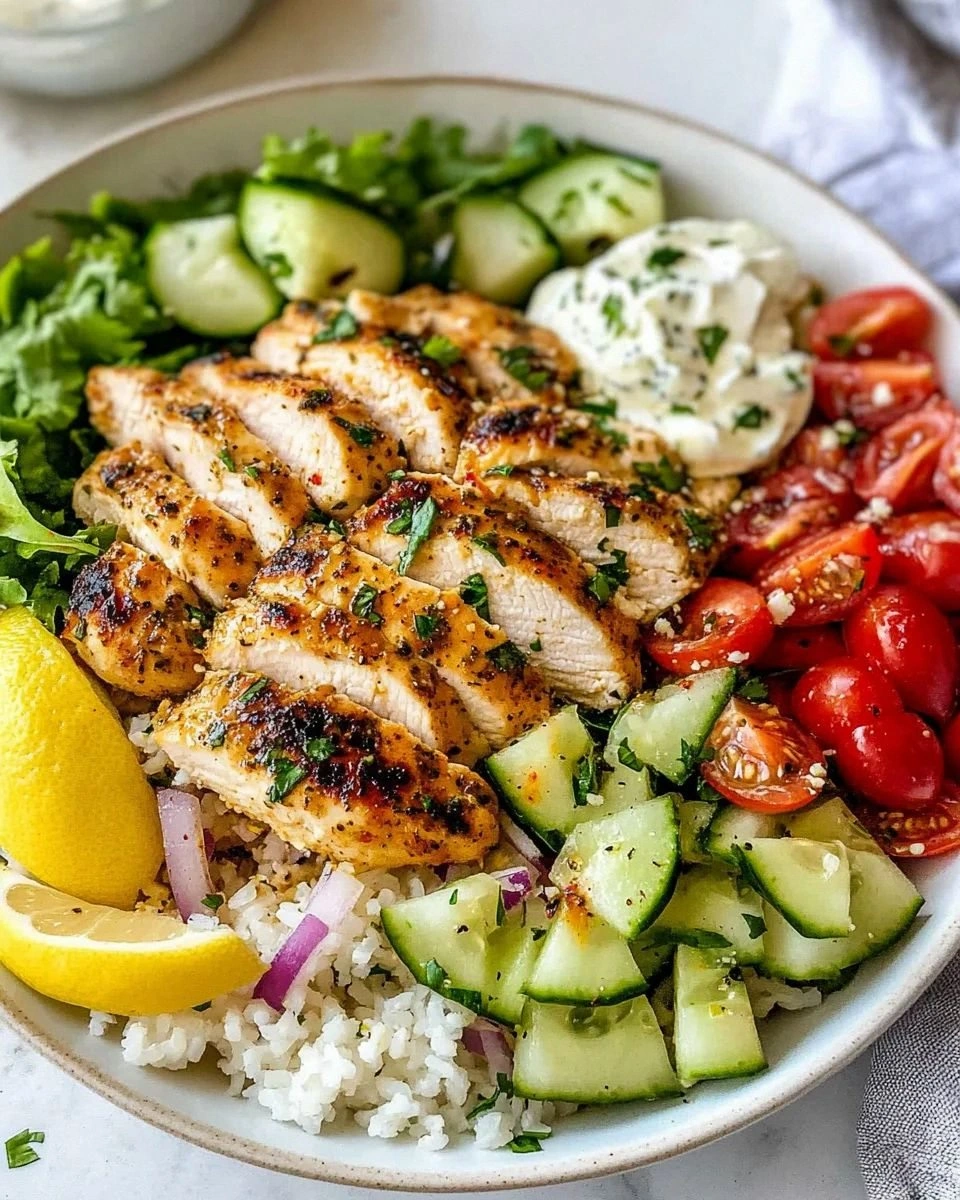
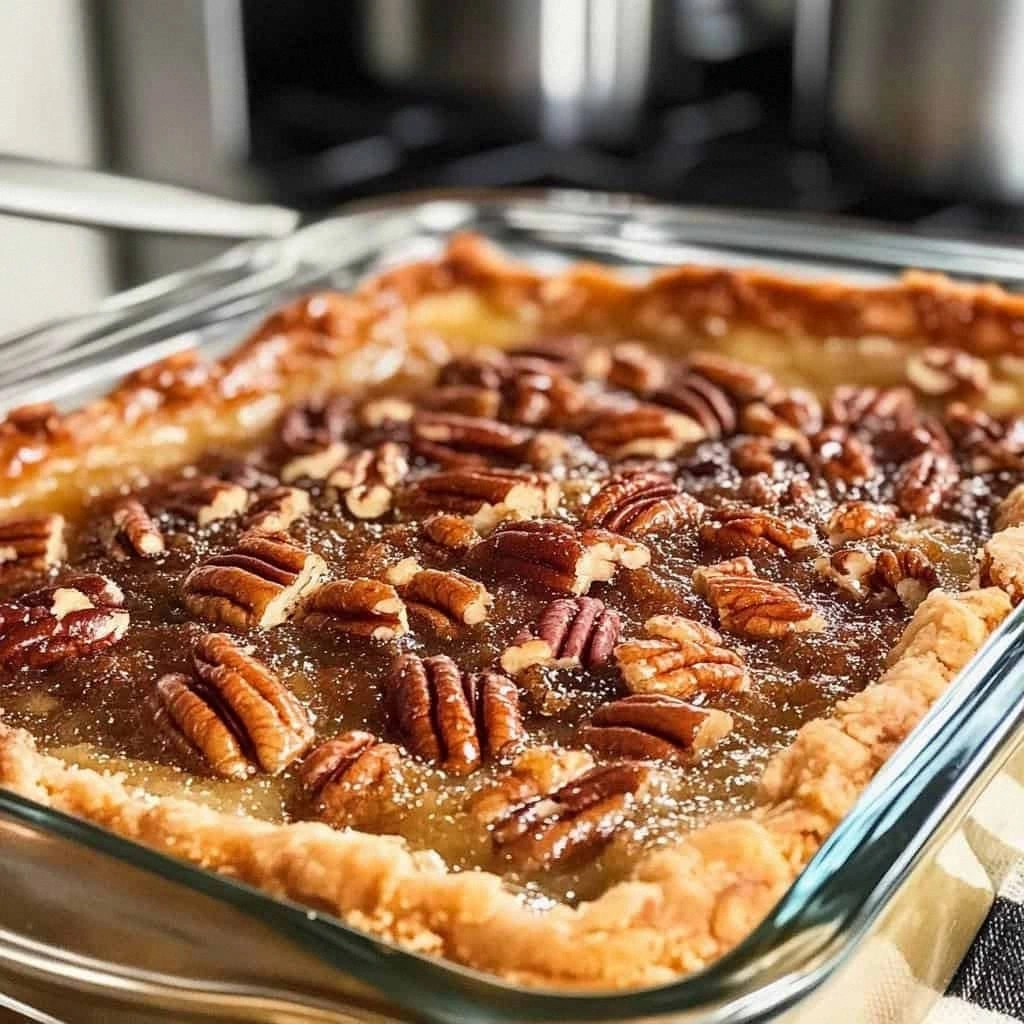
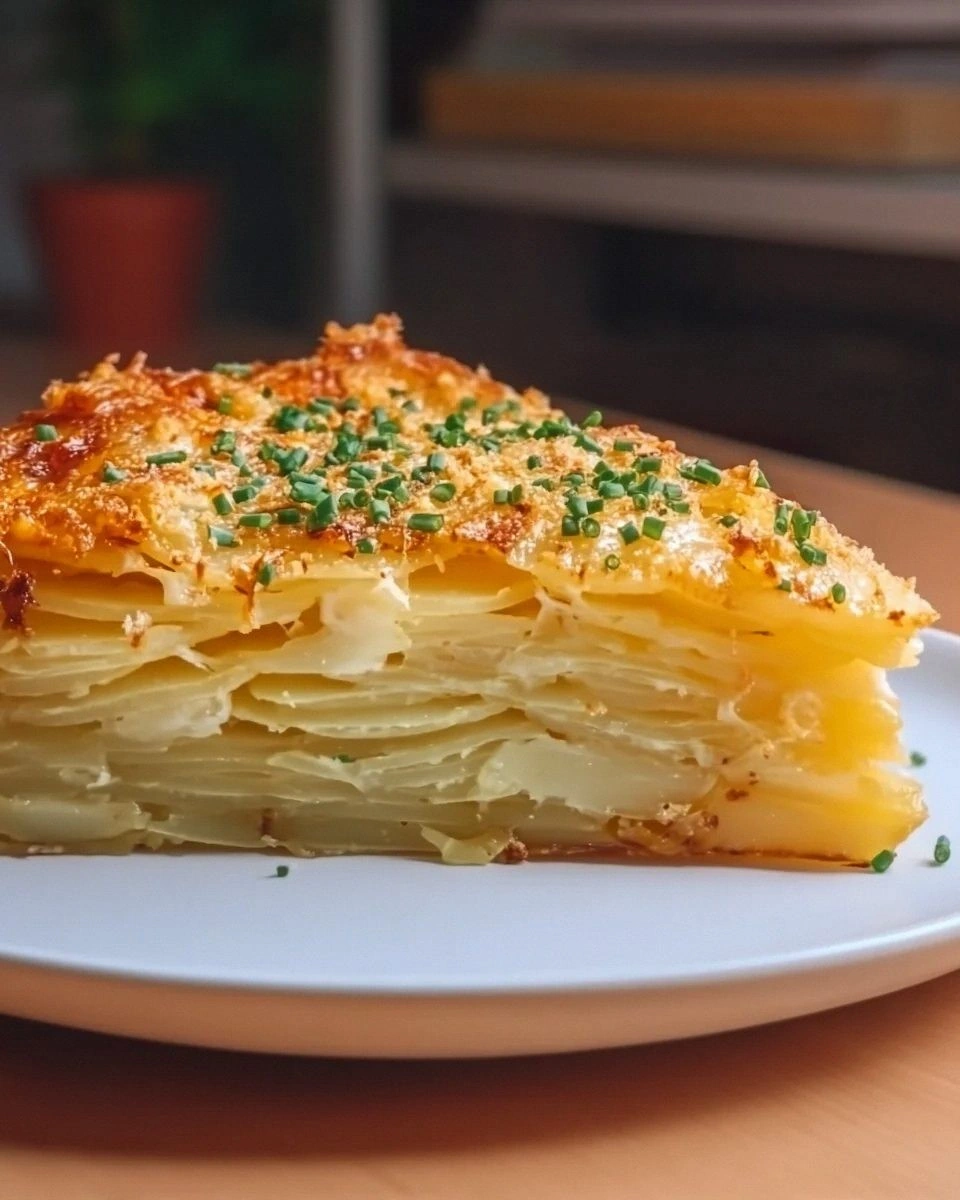
Picture this: you’re halfway through a midnight pizza binge, the fridge lights flicker, and you suddenly crave something that feels like a hug in a bowl. I was staring at a pile of vegetables and a half‑cooked rice bag, and the idea hit me like a punch of chili pepper—Bibimbap. I swear, the first bite was a flavor explosion that left my taste buds doing a little happy dance. I dare you to taste this and not go back for seconds. That’s the kind of confidence you’ll feel when you’re done.
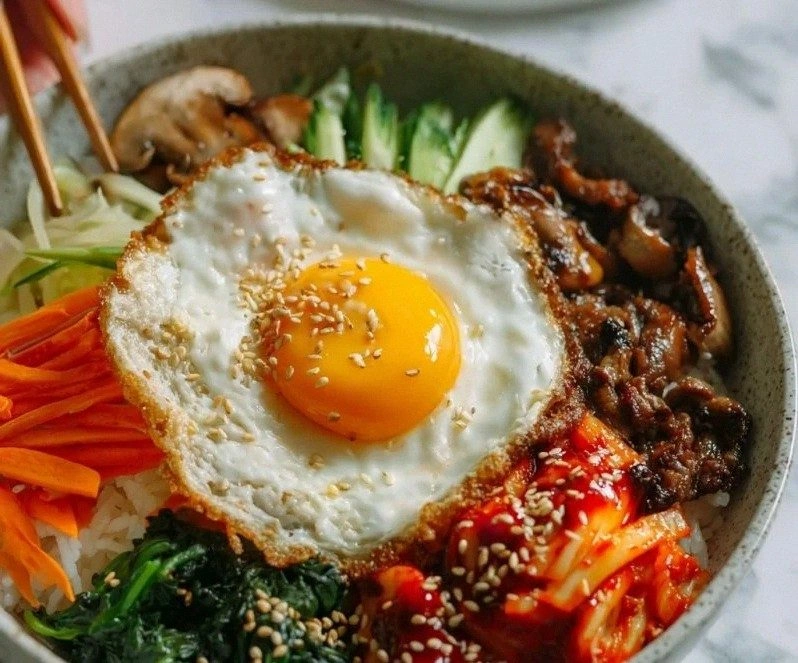
The moment the rice hits your tongue, it’s warm, slightly sticky, and it carries every other element like a loyal steed. The sautéed carrots are sweetly crisp, the zucchini is tender but still has that satisfying bite, and the mushrooms release a deep umami that makes your eyes water. The gochujang, when mixed with a splash of sesame oil, coats the dish like velvet, giving it a subtle heat that lingers without overpowering. The fresh greens—spinach and bean sprouts—add a bright, almost citrusy freshness that cuts through the richness. The finished bowl is a riot of colors: fiery red, emerald green, golden yellow, and a glossy sheen of sesame oil. It’s a sensory masterpiece that feels like a Korean holiday in your kitchen.
What makes this version stand out is that I’ve stripped it down to its core while adding a few secret twists that most recipes miss. I’ve paired the traditional gochujang with a hint of toasted sesame oil and a touch of honey to balance the heat. I’ve used fresh, lightly blanched spinach instead of the usual sautéed version, so the greens stay vibrant and full of vitamins. I’ve also included a quick sauté of garlic and ginger with the beef, giving it a fragrant depth that turns every bite into a culinary revelation. My friends keep asking for the recipe, and I’ve got the perfect answer: “This is hands down the best version you’ll ever make at home.”
If you’ve ever struggled with a bland rice bowl, you’re not alone—and I’ve got the fix. I’ll be honest—I ate half the batch before anyone else got to try it. I’ve taken the time to perfect each element, from the caramelized onions to the perfectly fried egg yolk that’s as golden as a sunrise. The result? A bowl that’s not just a meal but a story, a celebration, and a moment of pure joy. Stay with me here—this is worth it. Let me walk you through every single step—by the end, you’ll wonder how you ever made it any other way.
What Makes This Version Stand Out
- Bold Flavor: The combination of gochujang, sesame oil, and a hint of honey creates a heat that’s balanced, not overwhelming, allowing each ingredient to shine.
- Texture Contrast: Crispy carrots, tender zucchini, and silky egg yolk give the dish a playfulness that keeps your mouth moving.
- Freshness: Using blanched spinach instead of sautéed greens preserves the vibrant green color and the nutrients.
- Visual Appeal: The vibrant colors of the vegetables and the glossy finish of sesame oil make it Instagram‑ready.
- Ease of Prep: All the vegetables are pre‑cut, and the beef is marinated in just a few minutes—no long, tedious steps.
- Make‑Ahead Friendly: The rice can be made a day ahead, and the veggies can be pre‑washed and sliced, saving you time on busy nights.
Inside the Ingredient List
The Flavor Base
Gochujang is the heart of any bibimbap. It’s a fermented chili paste that brings a smoky heat and a subtle sweetness. If you can’t find authentic Korean gochujang, a mix of red pepper flakes, soy sauce, and a touch of brown sugar will do the trick, but the flavor won’t be as complex. Don’t skip the sesame oil—its nutty aroma lifts the entire dish. A tablespoon is enough, but if you’re a sesame lover, feel free to double it for that extra pop.
The Texture Crew
Bean sprouts add a crisp bite that contrasts with the soft rice. They’re also a great source of vitamin C and protein. Carrots bring natural sweetness and a satisfying crunch when sautéed just until caramelized. Zucchini, on the other hand, offers a subtle earthiness and absorbs the sauce beautifully. Mushrooms release a deep umami flavor that makes the dish feel richer.
The Unexpected Star
Kimchi isn’t mandatory, but it adds a fermented tang that elevates the dish. It also brings probiotics to the table, which is a win for gut health. If you’re not a fan of fermented foods, a few slices of cucumber can provide a refreshing crunch that keeps the bowl balanced.
The Final Flourish
A perfectly fried egg with a runny yolk is the crowning glory of bibimbap. The yolk acts like a sauce, binding all the flavors together. Ground beef, marinated with soy sauce, garlic, and ginger, gives a savory depth that’s hard to resist. The toasted sesame seeds add a nutty crunch that ties the dish together. Finally, a sprinkle of sugar balances the heat and acidity, creating a harmonious flavor profile.
Everything’s prepped? Good. Let’s get into the real action. I’ve kept the steps straightforward, so you can focus on the flavors rather than the technique.
The Method — Step by Step
- Heat a large skillet over medium heat and add one tablespoon of vegetable oil. When the oil shimmers, add the ground beef. Cook, breaking it apart with a spatula, until it turns a deep brown. Add the minced garlic, grated ginger, and a splash of soy sauce. The aroma should be intoxicating, like a Korean barbecue in your kitchen.
- While the beef cooks, sauté the carrots and zucchini in a separate pan with a teaspoon of sesame oil until they’re just tender. They should still hold their color—think bright orange and green. The goal is to caramelize them slightly without turning them mushy. Set them aside on a plate.
- In the same pan used for the beef, add the sliced mushrooms. Cook until they’re golden brown and have released their moisture. This step brings a savory depth that is essential for a well-rounded bibimbap.
- Blanch the bean sprouts in boiling water for 30 seconds, then shock them in ice water to preserve their bright green color. Drain and set aside. The crispness of the sprouts will contrast beautifully with the soft rice.
- Heat a non‑stick skillet over medium heat and crack four eggs into it. Fry until the whites are set but the yolks remain runny. A runny yolk is the secret sauce that binds all the flavors together. If you prefer a hard yolk, simply flip the eggs after the whites set.
- Prepare the gochujang sauce by whisking one tablespoon of gochujang with one tablespoon of sesame oil, one teaspoon of sugar, and a splash of water until smooth. The sauce should be silky and not too thick. Set aside.
- Divide the cooked rice into four bowls. Arrange the beef, carrots, zucchini, mushrooms, bean sprouts, and spinach in separate sections of each bowl. The visual separation keeps the dish organized and encourages you to mix thoroughly before eating.
- Place a fried egg on top of each bowl, drizzle the gochujang sauce, and sprinkle toasted sesame seeds. Add a drizzle of toasted sesame oil for an extra layer of flavor. The final touch is a pinch of salt and pepper to taste.
- Serve immediately, encouraging each diner to mix all the components together before taking a bite. The moment you stir, the yolk will mingle with the rice, creating a creamy, savory sauce that coats every grain. The first spoonful is a revelation—warm, spicy, and utterly satisfying.
That’s it— you did it. But hold on, I’ve got a few more tricks that’ll take this to another level. These insider tips will help you avoid common pitfalls and elevate your bibimbap from good to unforgettable.
Insider Tricks for Flawless Results
The Temperature Rule Nobody Follows
Cooking beef at the right temperature is key. If the pan is too hot, the beef will sear too quickly and become dry. If it’s too low, it won’t develop the caramelized crust that adds depth. The sweet spot is medium heat—just enough that the beef sizzles but doesn’t burn. I’ve found that a quick taste test of a small piece can tell you if you’re in the sweet spot.
Why Your Nose Knows Best
When the carrots and zucchini are caramelized, they release a sweet aroma that signals they’re ready. Don’t rely solely on timing; trust your nose. If the smell is sweet and slightly nutty, the vegetables are perfectly cooked. If it’s raw or bitter, give them a minute more.
The 5‑Minute Rest That Changes Everything
After cooking the rice, let it sit covered for five minutes. This allows the grains to steam, making the rice fluffier and easier to mix. I’ve seen people skip this step and end up with a clumpy bowl that’s hard to eat. The rest also lets the flavors meld, giving the dish a cohesive taste.
The Secret to a Perfect Fried Egg
Use a non‑stick skillet and keep the heat moderate. Crack the egg into a small bowl first to ensure the yolk stays intact. Slide the egg into the pan and let it sit for a minute before flipping. The result is a golden white with a runny yolk that’s the perfect sauce.
The Sauce Balance Hack
If you find the gochujang too spicy, dilute it with a teaspoon of honey or brown sugar. Conversely, if it’s too sweet, add a splash of rice vinegar. This small adjustment can make the dish more approachable for beginners.
The Final Touch of Sesame
A light drizzle of toasted sesame oil on top before serving adds a nutty aroma that elevates the entire bowl. It also gives the dish a glossy sheen that makes it look restaurant‑quality. Don’t forget to sprinkle toasted sesame seeds for that final crunch.
Creative Twists and Variations
This recipe is a playground. Here are some of my favorite ways to switch things up:
Protein Swap: Grilled Tofu
Replace the beef with marinated grilled tofu for a vegetarian version. The tofu absorbs the soy and sesame flavors, creating a hearty bite that’s perfect for meatless nights.
Summer Refresh: Cucumber & Avocado
Add sliced avocado and cucumber for a cool, creamy contrast. The avocado’s richness balances the spicy sauce, while the cucumber adds a fresh crunch.
Spicy Twist: Add Sriracha
Mix a tablespoon of sriracha into the gochujang sauce for an extra kick. It’s a great option for those who love heat but want a slightly different flavor profile.
Mushroom Medley: Add Shiitake & Portobello
Sauté a mix of shiitake and portobello mushrooms for a deeper umami flavor. The earthy tones pair beautifully with the sweet vegetables.
Breakfast Bibimbap
Serve the bowl with a side of scrambled eggs and toast for a Korean‑style breakfast. The protein boost will keep you satisfied until lunch.
Korean BBQ Bibimbap
Add thinly sliced bulgogi (marinated beef) on top of the rice and let the sauce seep into the meat. This variation brings the flavors of a Korean BBQ right into your bowl.
Storing and Bringing It Back to Life
Fridge Storage
Store the assembled bowls in airtight containers in the refrigerator for up to 2 days. Keep the rice and veggies separate if you want to maintain their textures. When ready to eat, reheat the rice in a microwave for 30 seconds, then add the vegetables and sauce.
Freezer Friendly
Freezing bibimbap is tricky because the rice can become mushy. Instead, freeze the individual components—rice, veggies, and beef—separately. Thaw each component in the fridge overnight and reheat individually before assembling.
Best Reheating Method
Reheat the rice in a steamer or microwave with a damp paper towel. Add a splash of water before reheating to keep the grains from drying out. The final mix of sauce and egg should be added fresh to maintain its silky texture.