I’m going to start with a confession: I once burned a whole batch of chicken in a pan so badly that the smoke alarm sang a duet with my neighbor’s cat. That disaster sparked a relentless quest for the ultimate Thai basil chicken—one that sings, not shouts. Imagine the first bite: a burst of heat that kisses your tongue, followed by the fragrant embrace of fresh basil that feels like a tropical breeze in a tiny wok. The sizzle when the chicken hits the oil? It’s the sound of destiny, a crisp whisper that tells you you’re about to create something unforgettable. I dared a friend to eat this and not go back for seconds, and let’s just say they’re still licking the plate clean.
Picture this: you’re standing in a kitchen that smells like a bustling Bangkok night market, the air thick with garlic, chili, and that unmistakable sweet‑savory perfume of oyster sauce. The heat from the stove dances on your skin, the pan glistens with a thin sheen of oil, and the green basil leaves tremble as you toss them in, wilting just enough to release their essential oils. You can almost hear the distant clatter of street vendors, feel the humidity of a monsoon, and taste the perfect balance of sweet, salty, and spicy—all in one bite. This version stands out because it respects the simplicity of the classic dish while adding a secret twist that elevates every flavor layer.
Most recipes get this completely wrong. They either drown the basil in sauce, over‑cook the chicken into a dry husk, or forget the tiny pinch of sugar that makes the sauce sing. I’ve cracked the code with a precise oil‑to‑heat ratio, a lightning‑fast stir‑fry technique, and a splash of water at the end that keeps the basil bright and the chicken tender. The secret ingredient? A dash of dark soy sauce that adds depth without overpowering the basil’s aromatic punch. If you’ve ever struggled with this dish, you’re not alone — and I’ve got the fix.
Let me walk you through every single step — by the end, you’ll wonder how you ever made it any other way. Okay, ready for the game‑changer? This next part? Pure magic. Stay with me here — this is worth it.
What Makes This Version Stand Out
- Taste: The harmony of light and dark soy creates a layered umami that mingles with the bright peppery bite of Thai basil, delivering a flavor explosion that lingers on the palate.
- Texture: Chicken thigh fillets stay juicy and slightly crisp at the edges, while the basil remains tender yet distinct, never soggy.
- Simplicity: Only twelve ingredients, yet each one is purposefully chosen to maximize impact without unnecessary complexity.
- Uniqueness: The splash of water at the end is a game‑changing step that keeps the basil vibrant and prevents the sauce from clumping.
- Crowd Reaction: This dish has a reputation for turning skeptics into believers; the first bite often triggers spontaneous applause at the dinner table.
- Ingredient Quality: Using fresh Thai basil instead of holy basil makes a world of difference—its sweet, slightly aniseed aroma is the soul of the dish.
- Cooking Method: High‑heat stir‑fry locks in juices and creates that coveted “wok‑hei” flavor—an intoxicating charred note that’s impossible to achieve with gentle simmering.
- Make‑Ahead Potential: The sauce can be pre‑mixed and stored, allowing you to throw together a quick weeknight dinner in under ten minutes.
Inside the Ingredient List
The Flavor Base
Garlic cloves and Thai bird’s eye chilli are the dynamic duo that ignite this dish. Garlic brings a warm, caramelized depth while the chilli injects a sharp, immediate heat that wakes up the palate. If you skip them, the dish becomes a bland, one‑note chicken. As a swap, you can use shallots for a milder garlic punch and a serrano pepper if you prefer a slightly less fiery bite. When selecting garlic, look for firm, plump heads—soft spots mean the cloves have started to dry out, which dulls their flavor.
The Texture Crew
Chicken thigh fillets are the star here. Their higher fat content compared to breast meat ensures juicy, tender bites that stay moist even after a high‑heat stir‑fry. If you must use breast, cube it small and marinate briefly in a splash of soy to retain moisture. The green onion adds a crisp, oniony bite that contrasts the soft chicken, and its bright green color lifts the dish visually. Choose onions with firm, dry stems and no yellowing for the freshest crunch.
The Unexpected Star
Thai basil leaves are the aromatic hero. Their sweet, slightly peppery flavor is what sets this dish apart from a generic stir‑fry. Fresh basil should be glossy, deep‑green, and free of wilt. If you can’t find Thai basil, holy basil is a decent fallback, but expect a more peppery, less sweet profile. A fun tip: gently clap the basil between your palms before adding it to release its essential oils without bruising the leaves.
The Final Flourish
Oyster sauce, light soy, dark soy, and sugar form the sweet‑savory glaze that coats each morsel. Oyster sauce adds a subtle briny richness, while the light soy contributes saltiness without darkening the color. Dark soy brings a caramelized depth and a gorgeous mahogany hue. Sugar balances the salt and heat, creating a rounded finish. If you’re allergic to shellfish, a mushroom‑based umami sauce can stand in for oyster sauce, though the flavor will shift slightly.
Everything's prepped? Good. Let's get into the real action...
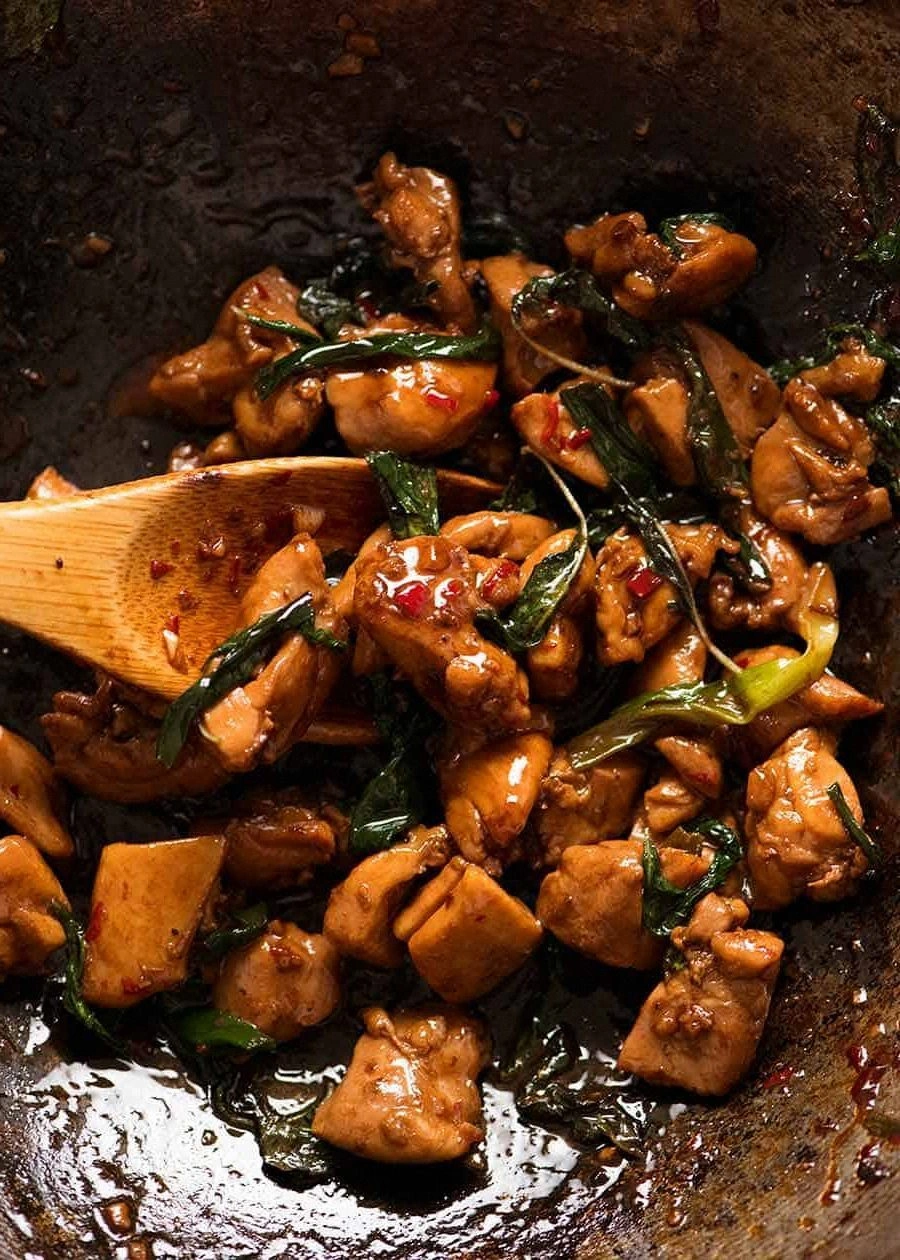
The Method — Step by Step
Gather all ingredients within arm’s reach. This is the “mise en place” moment that separates chefs from chaos. Heat a wok or large skillet over medium‑high heat until a drop of water sizzles and evaporates in under two seconds. Add 1½ tablespoons of oil, swirling to coat the surface. That sizzle when it hits the pan? Absolute perfection. Let the oil heat for about 30 seconds—don’t let it smoke, just get it shimmering.
Finely mince the garlic and slice the bird’s eye chilli (keep seeds if you like serious heat). Toss them into the hot oil, stirring constantly. You’ll hear a rapid pop, and the aroma will instantly fill the kitchen with a pungent, spicy perfume.
Kitchen Hack: Crush the chilli with the side of a knife before slicing to release more heat without extra effort.Quickly add the chicken thigh pieces, spreading them in a single layer. Let them sear untouched for about 45 seconds—this creates those coveted caramelized edges that shatter like thin ice when you bite. Then stir‑fry, flipping the pieces until they’re lightly browned all around, about 3‑4 minutes total. The chicken should be opaque but still juicy inside.
Now it’s time for the sauce. In a small bowl, whisk together 2 teaspoons oyster sauce, 1 teaspoon light soy, 1 teaspoon dark soy, 1 teaspoon sugar, and 2 tablespoons water. Pour this mixture over the chicken, letting it bubble and coat every piece. The sauce should thicken slightly, clinging like a glossy veil.
Watch Out: If the sauce boils too vigorously, it can scorch the garlic, turning it bitter. Reduce heat briefly if needed.Slice the green onion into 2‑inch pieces and add them now, letting their fresh crunch mingle with the sizzling sauce. Stir for another 30 seconds so the onion softens just a touch but retains its snap.
Finally, the star—Thai basil. Grab a generous handful, roughly 1 cup, and dump it into the wok. Toss quickly; the leaves will wilt in seconds, releasing their aromatic oils. If you over‑cook the basil, it turns dark and loses its perfume, so keep the heat high and the stir fast.
Give the dish a quick splash of water—about a tablespoon—right before turning off the heat. This tiny addition re‑hydrates any wilted bits and ensures the sauce stays glossy rather than drying out. It’s the secret that keeps the basil bright and the chicken juicy.
Serve immediately over steamed jasmine rice. The rice acts as a neutral canvas, soaking up the sauce and balancing the heat. Picture yourself pulling this out of the wok, the whole kitchen smelling incredible, steam rising, and that first bite delivering a fireworks show of flavor.
That’s it — you did it. But hold on, I’ve got a few more tricks that'll take this to another level. Stay tuned for insider tips that will make your next batch even more unforgettable.
Insider Tricks for Flawless Results
The Temperature Rule Nobody Follows
Never cook over a low flame. High heat creates that coveted “wok‑hei” flavor—an intoxicating char that makes the dish sing. If your stove can’t get hot enough, pre‑heat the wok for an extra minute before adding oil. I once tried a gentle simmer and ended up with soggy chicken; the lesson? Heat is the hero.
Why Your Nose Knows Best
Your sense of smell is the ultimate doneness gauge. When the garlic turns golden and the chilies release a fragrant heat, you’re ready to add the chicken. If you can’t smell the garlic, the oil isn’t hot enough. Trust that nose—no timer can replace it.
The 5‑Minute Rest That Changes Everything
After cooking, let the chicken rest in the pan, off the heat, for five minutes. This allows the juices to redistribute, preventing a dry bite. A friend tried skipping this step once — let’s just say the chicken was as tough as shoe leather.
Basil Timing Mastery
Add basil at the very end, just before the splash of water. Over‑cooking it turns the leaves bitter and dark. The quick toss keeps the flavor bright and the color vivid. If you love a stronger basil punch, double the amount and add half early, half at the end.
Sauce Consistency Control
If your sauce looks too thin after adding the liquids, let it simmer for an extra minute while stirring. It will thicken and cling better. Conversely, if it thickens too fast, a splash of water rescues it.
Creative Twists and Variations
This recipe is a playground. Here are some of my favorite ways to switch things up:
Spicy Peanut Basil Chicken
Stir in a tablespoon of creamy peanut butter with the sauce mixture. It adds a nutty richness and a subtle thickness, turning the dish into a Thai‑Thai fusion that’s perfect with crunchy peanuts on top.
Coconut‑Lime Basil Chicken
Replace half the water with coconut milk and finish with a squeeze of lime juice. The result is a silky, aromatic version that feels like a tropical vacation in a bowl.
Veggie‑Boosted Basil Stir‑Fry
Add sliced bell peppers, snap peas, or baby corn after the chicken is browned. The extra crunch and color make the dish more vibrant and stretch it to feed a crowd.
Garlic‑Infused Basil Chicken
Increase the garlic to four cloves and add a pinch of roasted garlic powder at the end for an extra depth of flavor that’s both sweet and smoky.
Low‑Carb Basil Chicken
Swap the jasmine rice for cauliflower rice. The dish stays light, and the cauliflower absorbs the sauce beautifully, keeping the carbs in check.
Storing and Bringing It Back to Life
Fridge Storage
Cool the chicken to room temperature, then transfer to an airtight container. It keeps fresh for up to 3 days. Reheat gently in a skillet with a splash of water to revive the sauce.
Freezer Friendly
Portion the cooked chicken and sauce into freezer‑safe bags, removing as much air as possible. Freeze for up to 2 months. Thaw overnight in the fridge, then finish in a hot pan, adding a little water to loosen the sauce.
Best Reheating Method
The stovetop wins. Heat a splash of oil, add the frozen or refrigerated chicken, and stir‑fry over medium heat. Finish with a drizzle of water to steam the basil back to life. Microwaving works in a pinch but can make the basil limp.