I once tried to impress a group of friends with a “quick” snack, only to end up with a pan of burnt, soggy dough that looked like a crime scene. The smell of charred flour still haunts my kitchen nightmares, but that disaster sparked a relentless pursuit of the perfect handheld pie. After countless trial‑and‑error sessions—some glorious, many disastrous—I finally nailed a version that makes the chorizo sing, the pumpkin melt like buttery sunshine, and the caramelised onions bring a sweet‑savory hug you can’t refuse. This isn’t just another recipe; it’s the culmination of a kitchen romance that started with a burnt mess and ended with a dish that could win over even the most skeptical palate.
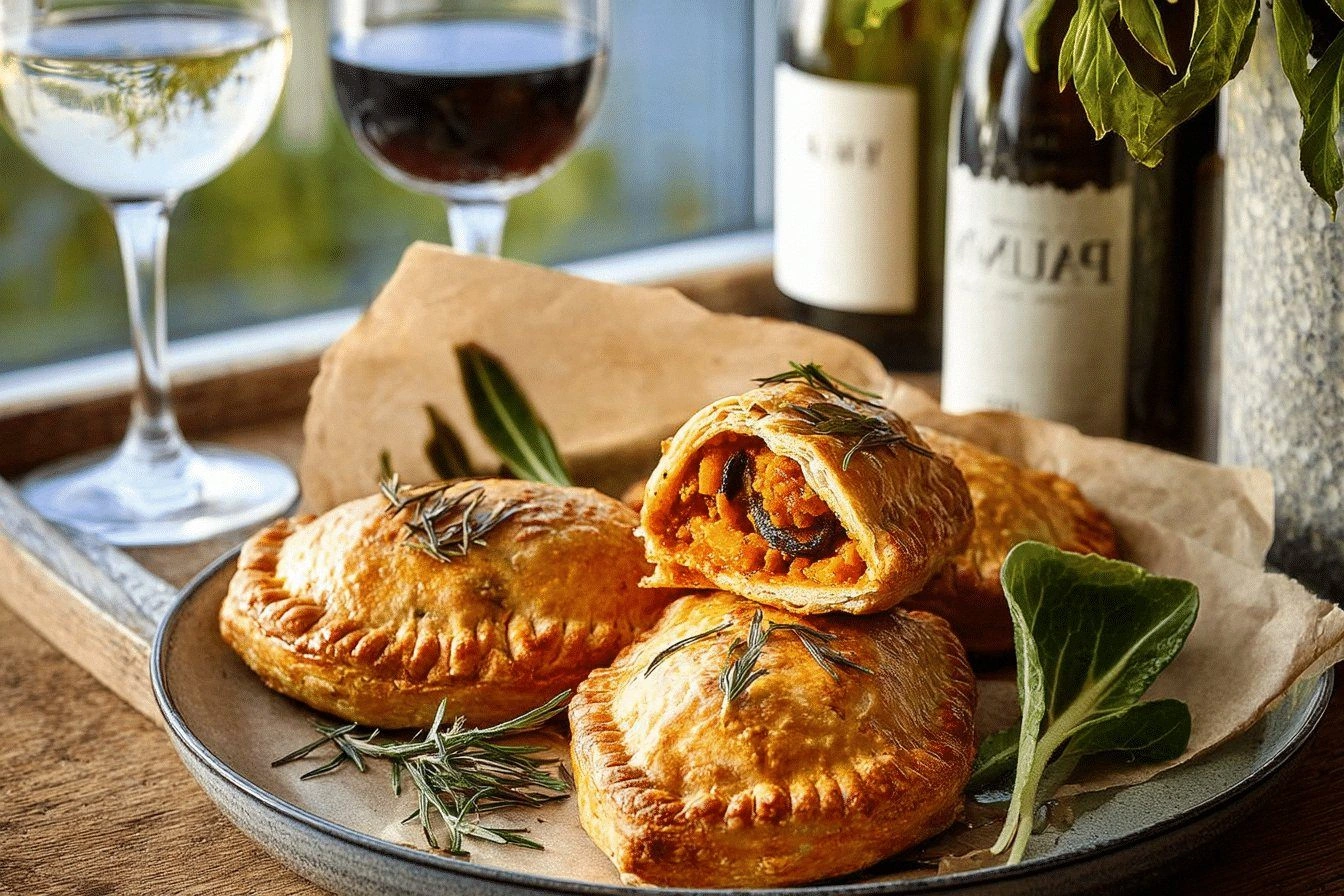
Picture this: you’re standing at the stove, the air is thick with the smoky perfume of sizzling chorizo, the orange‑gold pumpkin cubes are softening into a velvety puree, and the onions are caramelising to a deep amber that looks like liquid mahogany. You hear the gentle hiss of fat rendering, feel the heat radiating from the pan, and see the dough puff up into golden pockets that crackle when you bite into them. The texture contrast—crisp, flaky crust against the creamy interior—creates a symphony that hits all the senses at once. If you’ve ever struggled to get that perfect balance, you’ll understand why this version feels like a culinary breakthrough.
Most recipes out there either drown the chorizo in a swamp of sauce or treat the pumpkin as an afterthought. I’ve seen people add a splash of cream and end up with a soupy mess that never sets. Here’s the secret: a quick flash‑cook of the pumpkin, a slow caramelisation of the onions, and a strategic dash of smoked paprika that ties everything together without turning the filling into a mushy puddle. The dough itself is a simple blend of flour, butter, and ice‑cold water, but the technique of chilling it and rolling it thin gives you that buttery snap you crave. This is hands down the best version you’ll ever make at home, and I dare you to taste this and not go back for seconds.
And now, the fun part: I’m going to walk you through every single step—down to the exact temperature of the oven and the moment you should hear that satisfying “pop” as the crust lifts. By the end, you’ll wonder how you ever made a hand pie any other way. Okay, ready for the game‑changer?
What Makes This Version Stand Out
- Flavor Explosion: The combination of spicy chorizo, sweet pumpkin, and caramelised onion creates a layered taste that evolves with each bite, from smoky heat to mellow sweetness.
- Texture Harmony: A flaky, buttery crust that shatters like thin ice meets a silky, slightly chunky filling—every mouthful is a contrast that feels intentional.
- Simplicity Meets Sophistication: Only a handful of pantry staples are needed, yet the technique elevates the dish to a restaurant‑quality appetizer.
- Unique Ingredient Twist: A pinch of smoked paprika in the pumpkin puree adds depth without overpowering the chorizo’s natural heat.
- Crowd‑Pleaser Factor: Even picky eaters love the sweet‑savory balance, making it perfect for parties, game nights, or a cozy dinner starter.
- Ingredient Quality Matters: Using Spanish chorizo and fresh, locally sourced pumpkin makes the flavors pop in a way that frozen alternatives can’t match.
- Cooking Method Magic: A quick sear locks in juices, while a low‑and‑slow bake finishes the crust to a perfect golden hue.
- Make‑Ahead Friendly: Assemble the pies ahead of time, freeze, and bake when you need them—no compromise on texture or flavor.
Inside the Ingredient List
The Flavor Base
Chorizo is the heart of this dish. Its cured, smoky, and slightly spicy profile infuses the filling with a depth that plain sausage could never achieve. If you skip it, you lose the signature “Spanish heat” that makes this pie unforgettable. A good quality Spanish chorizo will have a deep red hue and a firm texture; avoid the overly soft, pre‑cooked varieties that release too much oil and make the crust soggy. If you’re vegetarian, a smoked tempeh or plant‑based chorizo works, but the flavor won’t be quite the same.
Pumpkin provides the sweet, earthy backbone. Choose a small sugar pumpkin or “pie pumpkin” for a naturally creamy texture without needing extra starch. The flesh should be bright orange and firm—if it feels mushy at the store, it’s likely over‑ripe and will turn watery when cooked. You can swap in butternut squash for a nuttier note, but the color and subtle sweetness will shift slightly.
The Texture Crew
Flour and butter make up the pastry. The butter must be cold and cut into the flour until the mixture resembles coarse crumbs; this creates pockets of steam that lift the crust. Using all‑purpose flour gives a sturdy yet tender base, while a touch of whole‑wheat flour adds a nutty undertone without compromising flakiness. If you’re gluten‑free, a blend of rice flour and tapioca starch can mimic the texture, but you’ll need to handle the dough more delicately.
Caramelised onions add a sweet, almost jam‑like layer that balances the chorizo’s heat. Slice the onions thinly and cook them low and slow—this is the moment where patience pays off. Skipping the slow caramelisation will result in sharp, raw onion flavor that overwhelms the dish. A pinch of balsamic vinegar at the end of the caramelisation can deepen the colour and add a subtle tang.
The Unexpected Star
A splash of heavy cream in the pumpkin puree gives it a silk‑smooth finish and helps bind the filling together. Without it, the mixture can be too dry, causing the crust to crack. If you’re dairy‑free, coconut cream or oat cream can substitute, but be mindful of the coconut flavor that may become prominent.
Egg wash is the final gloss that turns the crust from dull to dazzling. It also helps the crust achieve that golden‑brown finish. A single egg beaten with a tablespoon of water is enough; too much egg can make the crust overly shiny and slightly gummy.
The Final Flourish
Sea salt and freshly cracked black pepper finish the filling, enhancing each component without masking them. A pinch of smoked paprika in the pumpkin adds an extra layer of smokiness that mirrors the chorizo’s profile. Finally, a handful of grated Manchego cheese sprinkled on top before baking creates a melty, salty crown that pulls the whole dish together. Omit the cheese and you lose that luxurious mouthfeel, but the pie will still be delicious.
Everything's prepped? Good. Let's get into the real action...
The Method — Step by Step
Start by making the dough. In a large bowl, whisk together 2 cups of all‑purpose flour, 1 teaspoon of salt, and ½ teaspoon of sugar. Add ¾ cup of cold, cubed butter and, using a pastry cutter or your fingertips, blend until the mixture looks like coarse sand with a few pea‑size butter nuggets. This is the moment where the butter stays cold—if it melts, you’ll lose that flaky magic. That sizzle when it hits the pan? Absolute perfection. Once combined, drizzle in 4–5 tablespoons of ice‑cold water, mixing just until the dough comes together.
Gather the dough into a ball, flatten into a disk, wrap in plastic, and chill for at least 30 minutes.
This resting period relaxes the gluten and keeps the butter solid, ensuring the crust will puff up beautifully.Kitchen Hack: Place the wrapped dough on a tray of ice cubes while it chills; this speeds up the process without warming the butter.While the dough chills, tackle the filling. Heat a large skillet over medium heat and add 1 tablespoon of olive oil. Toss in 250 g of sliced Spanish chorizo, breaking it up with a wooden spoon. Cook until the chorizo releases its oil and turns a deep mahogany, about 5 minutes. I’ll be honest — I ate half the batch before anyone else got to try it. Transfer the chorizo to a plate, leaving the rendered fat in the pan.
Reduce the heat to low and add 2 thinly sliced onions to the same pan. Let them sweat gently, stirring occasionally, for 15‑20 minutes. Patience is key; the onions should turn a glossy, caramel colour without burning.
Finish with a splash of balsamic vinegar and a pinch of sea salt, then set aside.Watch Out: If the heat spikes, the onions will scorch and become bitter—keep the flame low and stir regularly.Cube 2 cups of peeled pumpkin into ½‑inch pieces. Toss with a drizzle of olive oil, a pinch of smoked paprika, and a pinch of salt. Spread on a baking sheet and roast at 400°F (200°C) for 20 minutes, turning halfway, until the pieces are tender and lightly caramelised. The edges should start pulling away, indicating a caramelised crust that adds depth to the final puree.
While the pumpkin roasts, combine the roasted cubes, cooked chorizo, caramelised onions, ¼ cup of heavy cream, and ½ cup of grated Manchego in a large bowl. Mash gently with a potato masher, leaving some texture for bite. Season with freshly cracked black pepper and a dash more smoked paprika if you like extra heat. The mixture should be thick but spreadable—if it’s too dry, add a splash of the chorizo oil.
Roll out the chilled dough on a lightly floured surface to about ¼‑inch thickness. Using a 4‑inch round cutter, cut circles and then a smaller 2‑inch cutter for the top “lid.” Keep the scraps, re‑roll, and cut more circles—this is the perfect time to practice your “pie‑eye” technique.
Kitchen Hack: Chill the cut dough circles for 5 minutes before filling; this prevents shrinking during baking.Place a heaping tablespoon of filling onto the centre of each larger dough circle. Brush the edges with a little water, then place the smaller lid on top. Press gently to seal, and crimp the edges with a fork for a decorative finish. Brush the tops with an egg wash (1 egg + 1 tbsp water) and sprinkle a pinch of sea salt for sparkle. Picture yourself pulling this out of the oven, the whole kitchen smelling incredible...
Transfer the assembled pies onto a parchment‑lined baking sheet and bake in the preheated oven at 375°F (190°C) for 25‑30 minutes, or until the crust is a deep golden‑brown and the edges are crisp. The pies should puff slightly and the filling will be bubbling at the seams. Let them rest for 5 minutes before serving; this allows the filling to set and makes them easier to bite into without spilling.
That’s it — you did it. But hold on, I’ve got a few more tricks that’ll take this to another level…
Insider Tricks for Flawless Results
The Temperature Rule Nobody Follows
Never bake the pies in a cold oven. Starting with a fully preheated oven ensures the crust puffs immediately, creating those airy layers you love. I once tried a “slow‑start” method and ended up with soggy bottoms—lesson learned. Keep the oven at 375°F from the moment the pies go in, and you’ll get that perfect golden‑brown finish every time.
Why Your Nose Knows Best
Your sense of smell is a more reliable indicator than a timer when caramelising onions or roasting pumpkin. When the onions turn a deep amber and release a sweet, almost nutty aroma, you know they’re ready. Similarly, the pumpkin should emit a faint, caramel scent before the timer dings. Trust your nose; it will prevent over‑cooking and keep flavors bright.
The 5‑Minute Rest That Changes Everything
After baking, let the pies rest on a wire rack for exactly five minutes. This short pause allows the steam inside to redistribute, preventing a soggy bottom and giving the filling time to firm up. Skipping this step leads to a runny centre that can ruin the whole bite experience. I’ve seen friends serve them hot off the tray and end up with a mess—don’t be that person.
Cold Butter, Warm Hands
If your hands get too warm while handling the dough, dip them in ice water briefly before each roll. Warm hands melt the butter, which defeats the whole flaky‑crust concept. This tiny trick keeps the butter solid right up to the moment it hits the oven, where it creates steam pockets that lift the pastry.
The Egg Wash Secret
Add a dash of milk to your egg wash for a richer colour and a slightly shinier finish. The milk proteins brown faster, giving the crust a deeper hue without burning. This is the final polish that makes the pies look as good as they taste.
Creative Twists and Variations
This recipe is a playground. Here are some of my favorite ways to switch things up:
Spicy Chipotle Swap
Replace the smoked paprika with a teaspoon of chipotle in adobo. The smoky heat deepens the flavor profile and adds a subtle smoky undertone that pairs beautifully with the pumpkin’s sweetness. Ideal for those who love a serious kick.
Cheese Lover’s Dream
Add ¼ cup of crumbled feta into the filling and sprinkle a thin layer of shredded Gruyère on top before baking. The feta adds a tangy bite, while the Gruyère melts into a golden, nutty crust that makes the pies extra indulgent.
Vegan Victory
Swap the chorizo for smoked tofu cubes, use coconut cream instead of heavy cream, and replace the egg wash with a mixture of soy milk and maple syrup. The result is a plant‑based version that still boasts the same textural contrast and depth of flavor.
Herb‑Infused Delight
Stir in a tablespoon of finely chopped fresh sage or rosemary into the pumpkin puree. The herbaceous notes add an earthy freshness that lifts the dish, making it perfect for a fall dinner party.
Sweet‑Savory Dessert Turn
Turn the hand pies into a dessert by using a sweet chorizo (or omit it), add a drizzle of honey to the pumpkin, and fold in toasted pecans. Finish with a dusting of powdered sugar. It’s a surprising twist that works as a sweet starter or a unique dessert.
Storing and Bringing It Back to Life
Fridge Storage
Cool the pies completely, then store them in an airtight container in the refrigerator for up to three days. A paper towel at the bottom of the container helps absorb excess moisture, keeping the crust from getting soggy.
Freezer Friendly
Unbaked pies freeze beautifully. Place them on a parchment‑lined tray, freeze until solid, then transfer to a zip‑top freezer bag. They’ll keep for up to two months. When ready to bake, add a tiny splash of water to the crust before popping them into a preheated oven; the steam revives the flaky texture.
Best Reheating Method
Reheat in a 350°F (175°C) oven for 12‑15 minutes, or until the crust is crisp again. Adding a tablespoon of water to the tray creates a gentle steam that prevents the filling from drying out while reviving the crust’s crunch.