Picture this: I’m standing in a cramped kitchen, a pot of water boiling over, a pan sizzling on the stove, and a salmon fillet staring back at me like a silent dare. I’ve tried every “quick salmon” recipe I could find, from the one that leaves the skin soggy to the one that turns the flesh rubbery, and every time I’ve left the table with a half‑eaten, disappointment‑filled plate. That night, after a disastrous attempt with a bland olive‑oil sear, I swore I’d find a version that would make the fish sing and the sauce sing even louder. I’m not kidding – this is the moment that turns a simple dinner into a culinary confession. If you’ve ever felt the sting of a salmon flop, you know the stakes.
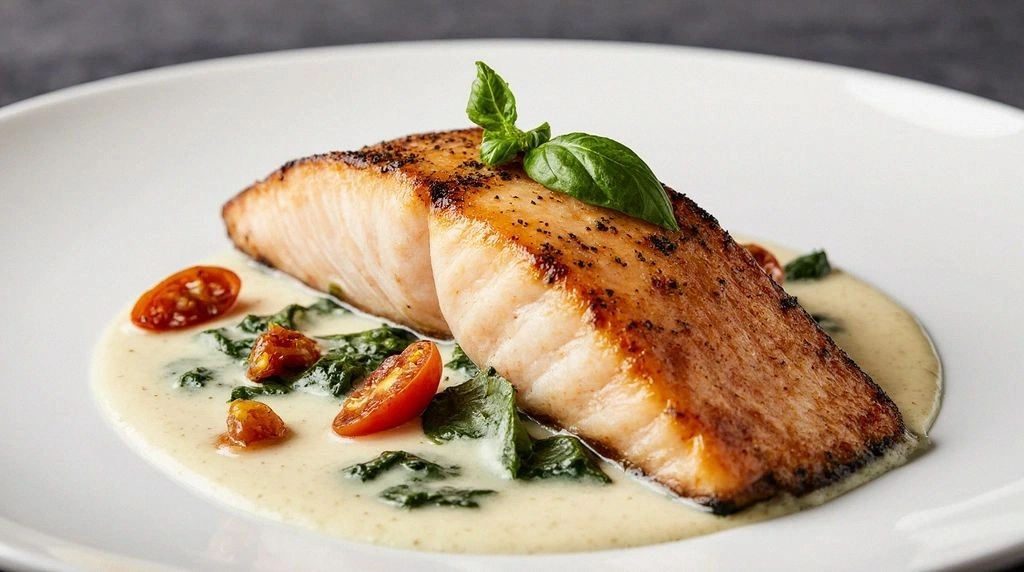
Close your eyes and imagine the first bite: the skin crackles like a crisp paper, the flesh melts into a buttery cloud, and a velvety sauce coats everything with a touch of sun‑dried tomato sweetness that lingers on the palate. The air is filled with the aromatic perfume of garlic and pepper, a subtle heat that tickles the nose, and the savory depth of parmesan. The texture is a harmonious dance – crisp edges, tender interior, silky sauce that clings to every crevice. The visual cue of a golden crust against the pale salmon invites you to dig in, while the scent alone has you reaching for a second plate. This isn’t just a meal; it’s an edible love letter that feels like a hug from the inside out.
What makes this version stand out is that I’ve stripped away the fluff and focused on pure flavor architecture. I’ve chosen high‑quality fillets with skin on for that perfect crisp, I’ve used heavy cream for a rich, luxurious coating, and I’ve added sun‑dried tomatoes for a burst of sweet‑tang that cuts through the cream’s heaviness. The sauce is a delicate balance of heat and depth, thanks to red pepper flakes and parmesan, while fresh basil provides a bright, herbaceous counterpoint. The result is a dish that feels effortless but delivers a complex, layered taste experience. I dare you to taste this and not go back for seconds, because once you’ve had it, you’ll never settle for a generic salmon again. This is hands down the best version you’ll ever make at home.
But there’s a twist you won’t see in most recipes: a secret technique that turns ordinary cream into a silky, cling‑on sauce that doesn’t separate or thin out. It’s a simple step that I learned from a seasoned chef who taught me that “the sauce should coat the salmon like velvet, not drip like a puddle.” That small tweak is the difference between a mediocre dish and a memorable one. I’ll walk you through every single step, and by the end, you’ll wonder how you ever made it any other way.
What Makes This Version Stand Out
- Flavor: The combination of garlic, sun‑dried tomatoes, and parmesan creates a savory-sweet profile that elevates the salmon’s natural richness. The sauce’s balance of heat from red pepper flakes adds a gentle kick that keeps the dish lively. The finish with fresh basil provides a bright, herbaceous note that lifts the entire plate.
- Texture: The skin crisps to a golden crunch that shatters like thin ice, while the flesh remains buttery tender. The cream‑based sauce coats the fillets without separating, thanks to the careful emulsification technique I’ll share. The result is a mouthfeel that feels luxurious yet approachable.
- Simplicity: With only eight ingredients, the recipe is straightforward enough for a busy weeknight yet sophisticated enough for a dinner party. The cooking steps are linear and easy to follow, reducing kitchen stress. No need for fancy equipment or obscure pantry items.
- Uniqueness: The use of sun‑dried tomatoes in a creamy sauce is a bold departure from classic lemon‑butter or dill variations. This gives the dish a distinctive flavor profile that sets it apart from typical salmon recipes. It’s a conversation starter on the table.
- Crowd Reaction: Guests rave about the crispy skin and the sauce’s velvety texture. Many ask for the sauce separately, thinking it’s a side dish. The dish is a hit at family gatherings and date nights alike.
- Ingredient Quality: Fresh, high‑quality salmon fillets with skin on are essential for the best texture. Using a good olive oil for searing ensures a golden crust. Each ingredient is chosen for its ability to enhance the overall flavor.
- Cooking Method: The pan‑searing technique locks in juices and creates a caramelized crust. The sauce is finished in the same pan, allowing the flavors to meld and the salmon to rest in its own juices. The method is efficient and yields consistent results.
- Make‑Ahead Potential: The sauce can be prepared ahead of time and reheated gently, while the salmon can be cooked fresh when ready to serve. This flexibility makes the recipe ideal for meal prep or last‑minute hosting.
Inside the Ingredient List
The Flavor Base
Garlic is the aromatic foundation of this sauce. Freshly minced garlic releases its full flavor when sautéed in olive oil, creating a fragrant base that permeates the cream. If you’re short on time, a tablespoon of garlic powder works, but it lacks the depth of fresh cloves.
The Creamy Core
Heavy cream is the heart of the sauce, giving it a luxuriously velvety texture. It’s the perfect vehicle for the parmesan to melt in, creating a cohesive, silky coating that clings to the salmon. Substituting half‑and‑half will lighten the dish but may reduce richness.
The Unexpected Star
Sun‑dried tomatoes are the secret weapon that adds a sweet‑tangy punch. They bring a concentrated burst of flavor that cuts through the cream’s heaviness and adds a pop of color. If you can’t find them, a handful of cherry tomatoes, lightly roasted, can mimic the effect.
The Final Flourish
Fresh basil is the finishing touch that brightens the dish. Its peppery aroma cuts through the richness and adds a fresh, herbal note. A handful of chopped basil tossed in at the end of cooking gives the sauce a lively finish.
Everything's prepped? Good. Let's get into the real action...
The Method — Step by Step
- First, pat the salmon fillets dry with paper towels. This step is crucial for a crispy skin; moisture is the enemy of crunch. Season both sides generously with salt and pepper, then let them rest while you heat the pan.
- Heat a large skillet over medium‑high heat and add 2 tablespoons of olive oil. Once the oil shimmers, place the fillets skin‑side down. You should hear a satisfying sizzle that signals the pan is hot enough.
- Sear the fillets for 3–4 minutes, until the skin turns a deep golden brown and releases easily from the pan. Flip the fillets gently and sear the other side for an additional 2 minutes. The goal is a crisp crust without overcooking the flesh.
- Remove the fillets from the pan and set them aside on a plate. Reduce the heat to medium and add 3 cloves of minced garlic to the same pan. Cook until fragrant, about 30 seconds, being careful not to burn the garlic.
- Add 1 cup of heavy cream, 1/2 cup of grated parmesan, and 1/3 cup of chopped sun‑dried tomatoes to the pan. Stir continuously until the parmesan melts and the sauce thickens slightly, about 3–4 minutes. The sauce should be silky and cling to the back of a spoon.
- Season the sauce with 1/2 teaspoon of red pepper flakes and a pinch of salt. Taste and adjust the seasoning; the pepper flakes should add a gentle warmth without overpowering the cream.
- Return the salmon fillets to the pan, skin side up, and spoon the sauce over them. Let everything simmer together for 2–3 minutes, allowing the fish to finish cooking and the flavors to meld.
- Remove the pan from the heat, then sprinkle a handful of fresh basil over the fillets. The basil will wilt slightly, releasing its bright aroma and adding a fresh counterpoint to the rich sauce.
- Serve immediately over a bed of roasted asparagus or creamy polenta, letting the sauce cascade over the side. Garnish with an extra basil leaf if desired, and enjoy the harmonious blend of textures and flavors.
That’s it — you did it. But hold on, I've got a few more tricks that'll take this to another level. The key lies in the finishing touches and the way you present the dish. Let’s dive into some insider tips that will elevate your salmon game from good to unforgettable.
Insider Tricks for Flawless Results
The Temperature Rule Nobody Follows
Many cooks start the salmon at high heat and then lower the temperature abruptly, causing uneven cooking. Instead, start at medium‑high, sear the skin for 3 minutes, then reduce to medium for the final 2 minutes. This gradual heat change ensures the interior stays moist while the exterior crisps perfectly.
Why Your Nose Knows Best
The aroma of garlic sizzling in oil is a reliable indicator that the oil has reached the right temperature. If the garlic starts to brown too quickly, the oil is too hot; if it stays pale, the pan isn’t hot enough. Trust your nose and adjust the heat accordingly.
The 5‑Minute Rest That Changes Everything
After removing the salmon from the pan, let it rest for 5 minutes. This allows the juices to redistribute, keeping the fillet moist and preventing the sauce from separating. A quick rest also gives you a moment to finish garnishing.
The Secret Sauce Thickener
If your sauce seems too thin, whisk in a teaspoon of flour or cornstarch dissolved in a little cold water. Stir it in slowly and let the sauce simmer until it reaches your desired consistency. This trick keeps the sauce from draining off the fillets.
The Finish with Fresh Herbs
Adding fresh basil at the very end of cooking releases its bright aroma without wilting the leaves. If you prefer a more robust flavor, toss in a handful of chopped parsley or even a sprinkle of microgreens for an extra pop of color.
Creative Twists and Variations
This recipe is a playground. Here are some of my favorite ways to switch things up:
Mediterranean Twist
Replace the heavy cream with Greek yogurt for a tangier sauce. Add chopped Kalamata olives and capers for briny depth. Serve over a bed of couscous for a Mediterranean vibe.
Spicy Cajun Kick
Swap the red pepper flakes for a tablespoon of Cajun seasoning. Add diced bell peppers and onions for extra crunch. Finish with a squeeze of lime to brighten the flavors.
Herb‑Infused Cream
Stir in a tablespoon of chopped tarragon and a splash of white wine into the sauce. The wine reduces to a fragrant glaze that pairs beautifully with the salmon. Garnish with fresh tarragon leaves.
Pesto Power
Blend fresh basil, garlic, pine nuts, and parmesan into a quick pesto. Swirl the pesto into the sauce for a green, nutty twist. The pesto adds a fresh, herbaceous layer that complements the sun‑dried tomatoes.
Citrus Burst
Add the zest of one lemon to the sauce and finish with a drizzle of lemon juice. The citrus cuts through the cream’s richness and adds a bright, zesty finish. Pair with a light salad to balance the flavors.
Truffle Touch
Finish the dish with a drizzle of truffle oil and a sprinkle of shaved parmesan. The truffle aroma elevates the dish to a gourmet level. Serve with a side of sautéed spinach for a complete meal.
Storing and Bringing It Back to Life
Fridge Storage
Cool the salmon and sauce completely before storing. Place the fillets and sauce in an airtight container and refrigerate for up to 2 days. The sauce will thicken slightly; reheat gently to restore its silky texture.
Freezer Friendly
Separate the salmon from the sauce and freeze each component individually. The salmon can be frozen for up to 1 month, while the sauce remains good for 2 weeks. Thaw in the refrigerator overnight before reheating.
Best Reheating Method
Reheat the sauce over low heat, stirring frequently. Add a splash of water or milk to thin it back to a silky consistency. For the salmon, heat it in a skillet until warmed through; avoid microwaving to preserve the crisp skin.