I was halfway through a frantic Sunday brunch prep, juggling a pot of simmering tomato sauce, a bowl of chopped basil that smelled like a summer garden, and a half‑sliced eggplant that was still stubbornly firm, when my friend texted me a dare: “Show me a low‑carb version of bruschetta that doesn’t taste like a salad.” I laughed, grabbed my skillet, and decided to turn that eggplant into the star of the show. The moment the eggplant hit the hot pan, it sizzled, releasing a caramelized aroma that made the whole kitchen feel like a rustic Italian trattoria. That instant, I knew I had stumbled upon a culinary revelation.
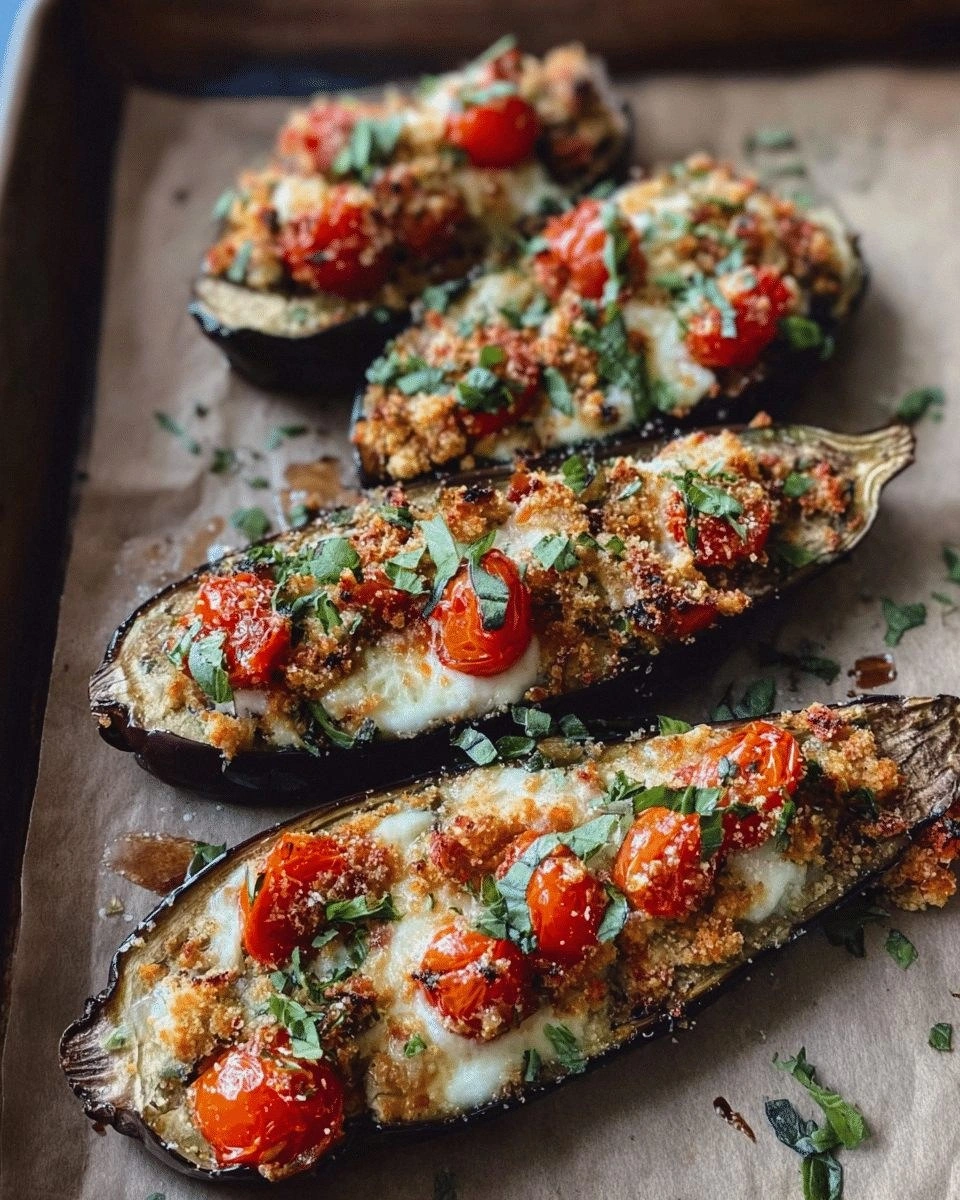
Picture this: a golden‑brown slab of eggplant, its edges crisping into a thin, crackling shell that shatters like thin ice when you bite into it. Inside, the flesh is tender, almost buttery, and it swells with a subtle, earthy sweetness that pairs perfectly with the bright, acidic burst of diced tomatoes and the fragrant lift of basil. The olive oil coats the surface like a glossy varnish, sealing in moisture while adding a silky texture. When you add a sprinkle of sharp Parmesan and a pinch of red pepper flakes, the dish transforms into a multi‑layered flavor experience that feels both comforting and adventurous. That’s the kind of taste profile that makes a simple appetizer feel like a headline act.
Most recipes that claim to be low‑carb bruschetta either over‑cook the eggplant until it’s mushy or under‑season it so the result is bland. I’ve tasted a dozen versions that left me craving the original Italian tomato bruschetta, and I’ve had to admit that I was missing something essential. The secret, I discovered, is balancing the moisture and crunch, using the right kind of oil, and layering the flavors in a way that each bite delivers a burst of freshness followed by a lingering savory finish. The result? A dish that is hands down the best version you’ll ever make at home.
And here’s a hint you won’t see on the surface: I’ll show you how to use a simple technique that turns ordinary diced tomatoes into a silky sauce that coats the eggplant like velvet without adding extra carbs. By the end of this guide, you’ll not only master the perfect low‑carb bruschetta but also gain a new kitchen hack that will elevate any tomato‑based dish. Let me walk you through every single step — by the end, you’ll wonder how you ever made it any other way.
What Makes This Version Stand Out
This isn’t just another “low‑carb” recipe; it’s a reimagining of a classic that keeps the heart of bruschetta while slashing carbs. Here’s why it’s different:
- Taste: The combination of caramelized eggplant, bright tomatoes, and fresh basil creates a flavor profile that feels both indulgent and refreshing. The Parmesan adds a salty depth that balances the acidity.
- Texture: The eggplant’s exterior crisps to a satisfying crunch, while the interior stays moist and tender. The tomato mixture behaves like a light salsa rather than a chunky relish, giving each bite a smooth finish.
- Simplicity: With only six main ingredients, the recipe is quick to assemble, making it a go‑to for busy evenings or last‑minute gatherings.
- Uniqueness: The trick of turning diced tomatoes into a silky sauce using a splash of olive oil and a pinch of salt sets this version apart from traditional bruschetta.
- Crowd Reaction: Guests often comment that this feels like a “bruschetta with a twist” and that they’d love to see a vegan or dairy‑free version.
- Ingredient Quality: The recipe relies on fresh, seasonal produce, which elevates the dish beyond a generic “low‑carb” label.
- Cooking Method: The pan‑sauté technique locks in flavor and keeps the eggplant from becoming soggy.
- Make‑Ahead Potential: The bruschetta can be assembled ahead of time and kept chilled, making it ideal for parties.
Alright, let's break down exactly what goes into this masterpiece...
Inside the Ingredient List
The Flavor Base
At the heart of this dish is the tomato mixture, a simple yet powerful combination of diced tomatoes, minced garlic, fresh basil, and a splash of olive oil. The tomatoes provide acidity and natural sweetness, while the garlic adds a pungent kick that cuts through the richness of the eggplant. Basil contributes an aromatic lift that feels unmistakably Italian. When you combine these ingredients and let them sit for a few minutes, the flavors meld into a silky sauce that coats the eggplant like velvet.
The Texture Crew
The eggplant is the star of the texture game. Sliced into thick rounds or cubes, it offers a satisfying bite that contrasts beautifully with the smooth tomato mixture. Olive oil is the secret binder that not only adds flavor but also helps the eggplant develop a crisp, caramelized exterior. A pinch of salt and a dash of black pepper finish the seasoning, ensuring every bite is balanced.
The Unexpected Star
A generous sprinkle of grated Parmesan cheese may seem like a cliché, but it adds a nutty, umami depth that elevates the dish from simple to extraordinary. The cheese melts slightly over the warm eggplant, creating a glossy finish that is both inviting and indulgent. If you’re dairy‑free, a handful of nutritional yeast or a vegan parmesan substitute will work just as well.
The Final Flourish
A pinch of red pepper flakes adds a gentle heat that lingers on the palate, while a drizzle of high‑quality extra‑virgin olive oil adds a fruity finish. These final touches transform the dish from a humble appetizer to a gourmet experience. Remember: the goal is to layer flavors without overpowering the delicate balance of sweetness, acidity, and savory.
Everything's prepped? Good. Let's get into the real action...
The Method — Step by Step
- Prep the Eggplant: Slice the eggplant into 1/2‑inch thick rounds, or cut into 1‑inch cubes if you prefer a more rustic feel. Sprinkle both sides with sea salt and let sit for 10 minutes to draw out bitterness and excess moisture. Pat dry with a paper towel before cooking. The salt step is crucial; it prevents the eggplant from becoming soggy and adds a subtle depth of flavor.
- Cook the Eggplant: Heat 2 tablespoons of extra‑virgin olive oil in a large skillet over medium‑high heat. Add the eggplant slices in a single layer, cooking until golden brown on one side (about 3 minutes). Flip and cook the other side until crisp and cooked through (another 3 minutes). The surface should develop a slight char that adds a smoky note.
- Prepare the Tomato Mixture: While the eggplant is searing, combine the diced tomatoes, minced garlic, chopped basil, and a pinch of salt in a bowl. Add a splash of olive oil and a dash of pepper. Let the mixture sit for 5 minutes; this allows the flavors to meld and the tomatoes to release some juice, creating a silky sauce that coats the eggplant.
- Combine: Once the eggplant is cooked, remove it from the skillet and set aside on a paper towel to drain any excess oil. In the same skillet, reduce heat to medium and add the tomato mixture. Cook for 2–3 minutes, stirring gently, until the tomatoes soften and the sauce thickens slightly. The skillet should emit a fragrant, toasty aroma.
- Finish the Dish: Return the eggplant to the skillet, spooning the tomato sauce over the top. Sprinkle grated Parmesan evenly, and add a pinch of red pepper flakes if desired. Toss gently to combine, ensuring every slice is coated. Let it simmer for an additional 2 minutes so the cheese melts slightly and the flavors marry.
- Plate: Transfer the bruschetta onto a serving platter. Drizzle with a final splash of olive oil and garnish with a few extra basil leaves for a pop of color. The dish should look rustic yet polished, with a glossy sheen from the olive oil.
- Serve: Present immediately while the eggplant is still warm and the Parmesan is slightly melted. The contrast of hot, crispy eggplant against the cool, fresh tomato sauce creates a dynamic eating experience. If you’re serving at a gathering, keep the platter covered with foil until ready to serve to preserve the warmth.
That's it — you did it. But hold on, I've got a few more tricks that'll take this to another level...
Insider Tricks for Flawless Results
The Temperature Rule Nobody Follows
Many cooks think medium heat is enough for searing eggplant, but the truth is that high heat is essential for that coveted caramelized crust. Start the skillet over medium‑high, add the oil, and let it shimmer before adding the eggplant. If the oil smokes, lower the heat slightly. The goal is a golden, slightly charred surface that locks in moisture.
Why Your Nose Knows Best
Your sense of smell is your secret ally. As the eggplant cooks, you’ll notice a sweet, nutty aroma. That’s the moment to check the texture: the surface should be crisp, but the interior should still feel firm. If the scent turns bitter, it’s a sign the eggplant is over‑cooked or too salty.
The 5‑Minute Rest That Changes Everything
After searing, let the eggplant rest on a paper towel for 5 minutes. This step allows the steam to escape and prevents the surface from becoming soggy. It also gives the cheese a chance to melt slightly, creating a luscious, gooey layer that’s hard to resist.
The Secret of the Sauce
The key to a silky tomato sauce is the ratio of oil to tomato. Use a splash of olive oil to coat the tomatoes, then add a pinch of salt. The oil emulsifies the tomato juices, creating a smooth texture that clings to the eggplant. If you prefer a thicker sauce, let it simmer a little longer.
The Power of Fresh Basil
Fresh basil adds a bright, peppery note that cuts through the richness of the eggplant. If you’re using dried basil, add it at the end of cooking to preserve its flavor. A handful of fresh parsley or oregano can also work, but the basil’s unique aroma is irreplaceable.
The Final Touch of Parmesan
A generous sprinkle of Parmesan adds a nutty, umami depth that elevates the dish from simple to gourmet. If you’re dairy‑free, try a handful of nutritional yeast or a vegan parmesan alternative. The cheese should melt slightly, forming a glossy coating that enhances the visual appeal.
Creative Twists and Variations
This recipe is a playground. Here are some of my favorite ways to switch things up:
Mediterranean Spin
Swap the Parmesan for crumbled feta and add a drizzle of balsamic glaze. The tang of feta and the sweet acidity of balsamic create a Mediterranean vibe that pairs beautifully with grilled vegetables.
Spicy Sriracha Kick
Replace the red pepper flakes with a teaspoon of sriracha for a fiery punch. The heat will contrast nicely with the mild eggplant and the sweet tomato sauce.
Herb‑Infused Eggplant
Before searing, toss the eggplant slices with chopped rosemary, thyme, and a splash of lemon zest. The herbs infuse the eggplant with aromatic flavors that elevate every bite.
Cheese‑Free Delight
Omit the Parmesan entirely or replace it with a sprinkle of nutritional yeast for a cheesy flavor without dairy. This version is perfect for vegans or those with dairy sensitivities.
Zucchini Variation
If eggplant is out of season, use thick zucchini slices instead. The texture is slightly different but still delivers a satisfying crunch and mild flavor that complements the tomato sauce.
Add a Protein Punch
Top each bruschetta slice with a seared chicken breast or a grilled shrimp for a heartier appetizer. The protein adds a savory element that makes the dish more filling.
Storing and Bringing It Back to Life
Fridge Storage
Store the assembled bruschetta in an airtight container for up to 2 days. Keep the eggplant and tomato mixture separate until you’re ready to serve to preserve the crispness of the eggplant.
Freezer Friendly
For longer storage, freeze the eggplant slices separately in a single layer on a baking sheet, then transfer to a freezer bag. The tomato mixture can be frozen in an airtight container for up to 3 months. Reheat in a skillet over low heat, adding a splash of water to keep the eggplant from drying out.
Best Reheating Method
To reheat, place the bruschetta on a preheated skillet over medium heat. Add a tiny splash of water to create steam, cover briefly, then finish with a quick drizzle of olive oil. This method restores the crispness of the eggplant while keeping the sauce silky.