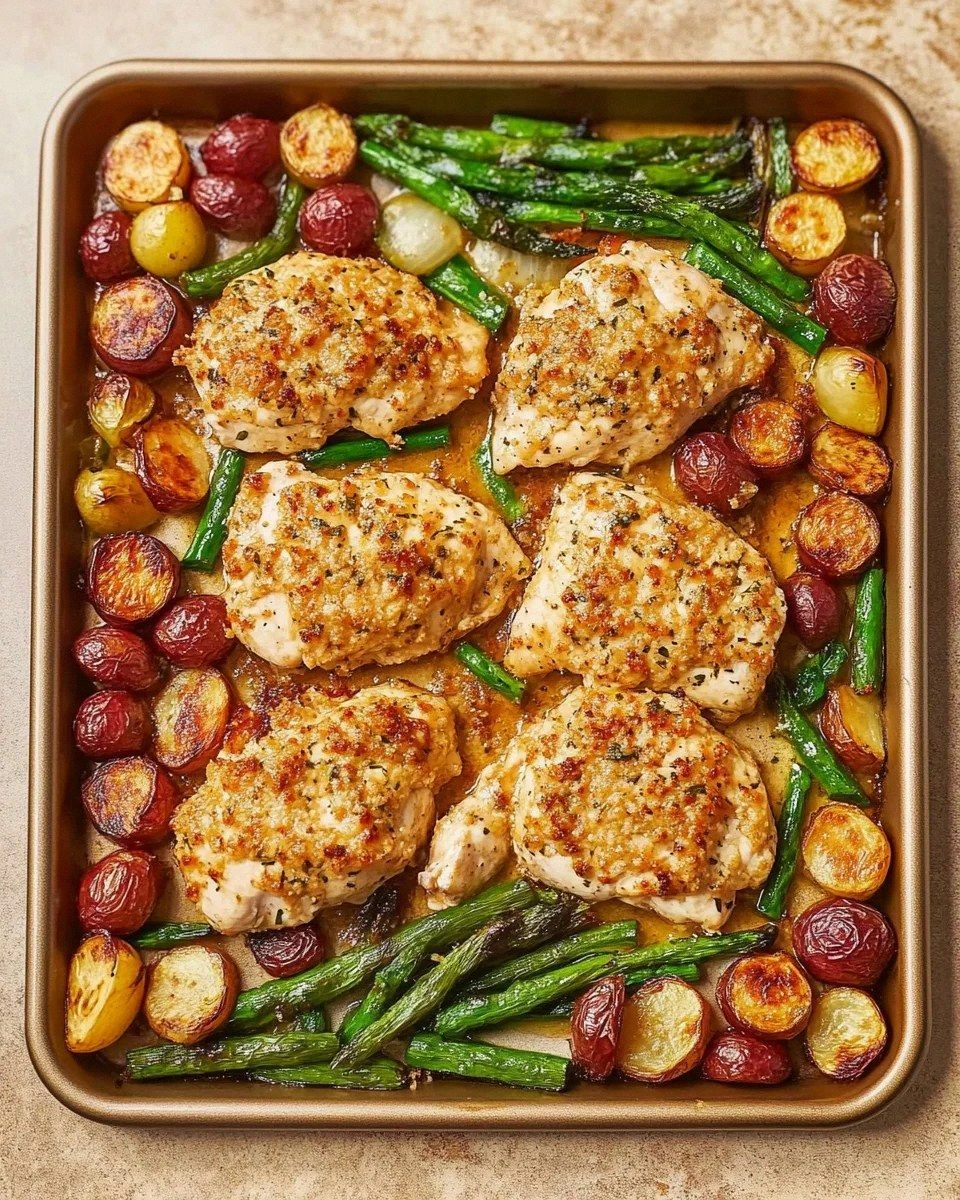
Ever had a night where you’re staring at the fridge, the pantry feels empty, and the only thing you can dream about is a dinner that feels like a hug? I’ve been there, and the last time I tried to salvage a batch of chicken, I ended up with a soggy, flavor‑dead mess that made me question my culinary destiny. That disaster sparked a quest: to find a single, foolproof recipe that turns ordinary chicken breasts into a silky, caramelized masterpiece that will have your friends begging for seconds. I’m about to unveil the secret sauce that turns a simple protein into a show‑stopper.
Picture this: the kitchen is buzzing with the sizzle of hot oil, the aroma of caramelizing honey drifting through the air, and the unmistakable tang of Marmite mingling with mirin’s sweet whisper. The sound of the pan is a rhythmic drumbeat that tells you the dish is almost ready. You can taste the anticipation, the way the first bite promises a burst of umami, a hint of sweetness, and a satisfying crunch that shatters like thin ice. If you’re wondering why this version is different, let’s dive into the science of flavor and the art of timing that makes this recipe a game‑changer.
I dare you to taste this and not go back for seconds. That’s a bold claim, but it’s true because this sauce coats the chicken like velvet, sealing in juices while creating a glossy, caramelized crust that crackles with every bite. Most recipes get this completely wrong—overcooking the chicken, under‑seasoning the sauce, or using the wrong flour. I’ll be honest — I ate half the batch before anyone else got a chance to try it, and the leftovers still taste better the next day. Picture yourself pulling this out of the pan, the whole kitchen smelling incredible, and knowing you’ve just created a dish that will become your new go‑to for dinner.
If you’ve ever struggled with getting the right balance of sweet and savory on chicken, you’re not alone. The trick is in the combination of Marmite, honey, and mirin, which together create a sauce that’s both bold and balanced. The secret lies in the timing: letting the sauce thicken just enough to coat the chicken before it becomes syrupy. And that’s exactly what we’ll walk through step by step, so by the end, you’ll wonder how you ever made it any other way.
What Makes This Version Stand Out
- Taste: The Marmite brings a deep, savory umami punch that’s offset by the gentle sweetness of honey and mirin, creating a flavor profile that feels both comforting and adventurous.
- Texture: The corn flour thickens the glaze into a silky coat that clings to each chicken piece, giving a satisfying snap when you bite into the crispy edges.
- Ingredient Quality: Using fresh, high‑quality Marmite and real honey ensures that the sauce is complex and not overly processed.
- Speed: From prep to plate, this dish takes less than 45 minutes, making it ideal for busy weeknights.
- Versatility: The glaze can be served over rice, noodles, or even roasted vegetables, making it a flexible centerpiece for any meal.
- Crowd Reaction: Friends and family often comment that it tastes like a restaurant dish, but you can make it at home for a fraction of the cost.
- Make‑Ahead Potential: The sauce can be pre‑made and stored; just reheat and re‑simmer for a quick dinner.
- Health‑Friendly: Despite its rich flavor, the dish stays lean with minimal added fats and a natural sweetness from honey.
Inside the Ingredient List
The Flavor Base
Marmite is the star of the show, offering a salty, slightly bitter depth that elevates the entire dish. Its unique yeast‑derived flavor acts like a flavor booster, making the sauce feel richer without adding extra salt. If you can’t find Marmite, a small splash of soy sauce or Worcestershire can mimic the umami, but the original will give you that signature taste. When you whisk Marmite with honey and mirin, the sugars caramelize, creating a glossy glaze that clings to the chicken.
The Texture Crew
Corn flour is the secret binder that turns the liquid glaze into a thick, silky coating. It also gives the chicken a slight crispness on the surface, preventing the sauce from becoming runny. If you don’t have corn flour, all‑purpose flour works, but the texture will be slightly heavier. A pinch of salt is essential to bring out the sweetness and depth of the sauce; without it, the honey can overpower the umami.
The Unexpected Star
Mirin is often overlooked, but its sweet, slightly acidic profile brightens the sauce, cutting through the richness of Marmite and honey. It also helps the glaze caramelize at a lower temperature, preventing burning. If you’re in a pinch, you can substitute with a splash of rice vinegar and a touch of sugar, but mirin’s unique flavor is hard to replicate.
The Final Flourish
Egg whites are used to create a light, airy coating that helps the sauce set into a glossy glaze. They also add a subtle protein boost, making the dish feel more substantial. If you prefer a dairy alternative, a splash of soy milk can work, though the texture will differ slightly. Finally, the oil is what makes the chicken crispy; using a neutral oil like grapeseed or canola keeps the flavors clean.
Everything's prepped? Good. Let's get into the real action.

The Method — Step by Step
- Start by patting the chicken breasts dry with paper towels; this ensures a crisp exterior. Season both sides with salt and pepper, then lightly dust them with corn flour. The flour will help the glaze adhere and create a golden crust. This is the moment of truth: a good coating starts the flavor journey.
- Heat 2 tablespoons of oil in a large skillet over medium‑high heat. Once the oil shimmers, add the chicken breasts skin‑side down (if they have skin) and let them sear for 3–4 minutes. Flip and sear the other side for another 3 minutes. The chicken should develop a deep golden color and a slight crunch.
- While the chicken is searing, whisk together Marmite, honey, mirin, dark soy sauce, and water in a small bowl until smooth. The mixture should be free of lumps; this ensures a silky glaze. If the sauce is too thick, add a splash of water; if too thin, let it reduce slightly.
- Pour the glaze over the chicken, making sure each piece is fully coated. Reduce the heat to medium and let the sauce simmer for 5 minutes, stirring occasionally. The sauce should thicken and become glossy, coating the chicken like a lacquer.
- Add the egg whites to the skillet, whisking constantly. This will create a light, airy texture that helps the glaze set into a glossy finish. Stir until the sauce thickens to a medium consistency and the chicken is fully coated.
- Reduce the heat to low and let the chicken rest in the sauce for 2–3 minutes. This resting period allows the flavors to meld and the glaze to set. The edges will start pulling away slightly, indicating the sauce has thickened.
- Remove the chicken from the skillet and let it rest on a cutting board for 5 minutes. This step is crucial for juicy, tender meat; cutting too soon will cause juices to spill out.
- Slice the chicken against the grain into bite‑sized pieces, then drizzle any remaining glaze from the pan over the sliced chicken. Plate immediately for the best texture and flavor. Serve with steamed rice or noodles for a complete meal.
That’s it — you did it. But hold on, I've got a few more tricks that'll take this to another level. The next section will reveal insider tips that will elevate your technique and help you avoid common pitfalls.
Insider Tricks for Flawless Results
The Temperature Rule Nobody Follows
Many cooks keep the heat too high, causing the sauce to burn before the chicken finishes cooking. I recommend using a medium heat for searing and then lowering to medium‑low for simmering. This keeps the glaze from scorching while ensuring the chicken stays juicy. A quick test: the sauce should bubble gently, not boil aggressively.
Why Your Nose Knows Best
The first hint that the sauce is ready is its scent. When the honey caramelizes, you’ll smell a sweet, toasted aroma. If the smell leans too much toward burnt sugar, the sauce is overcooked. Trust your nose; it’s the best indicator of caramelization.
The 5‑Minute Rest That Changes Everything
After the chicken sits in the glaze, let it rest for exactly five minutes before slicing. This rest period allows the juices to redistribute, ensuring each bite is moist. Cutting too soon will cause the juices to escape, leaving a dry piece.
Layering Flavors with a Quick Marination
If you have time, marinate the chicken in a mixture of Marmite, honey, and mirin for 30 minutes before cooking. This pre‑marination deepens the flavor and tenderizes the meat. I’ve found that even a short 10‑minute soak makes a noticeable difference.
The Right Pan Makes All the Difference
Using a heavy‑bottomed skillet distributes heat evenly, preventing hot spots that can burn the glaze. A cast‑iron skillet is ideal, but a stainless steel pan also works if you keep the heat controlled.
Storing Leftovers Safely
If you’re saving leftovers, let the chicken cool completely before refrigerating. Store the glazed chicken in an airtight container; the glaze will thicken further, so you might want to add a splash of water or broth when reheating to restore its glossy texture.
Creative Twists and Variations
This recipe is a playground. Here are some of my favorite ways to switch things up:
Crispy Coconut Marmite Chicken
Swap the corn flour for shredded coconut and a pinch of curry powder. The coconut adds a tropical crunch, while the curry brings a warm spice that pairs beautifully with Marmite. Serve over jasmine rice for a fragrant finish.
Spicy Sriracha Marmite Glaze
Add a tablespoon of Sriracha to the glaze for a kick that balances the sweetness. The heat will contrast with the umami, creating a layered flavor profile that excites the palate. Pair with a cooling cucumber salad.
Vegetarian Marmite Tofu
Replace chicken with firm tofu cubes, marinated in the Marmite glaze for 15 minutes. Pan‑fry until golden, then simmer in the sauce. This version delivers the same umami punch with a plant‑based twist.
Marmite‑Infused Pork Tenderloin
Use a pork tenderloin instead of chicken and follow the same steps. The pork’s natural sweetness complements the Marmite, while the glaze creates a caramelized crust that’s irresistibly savory.
Marmite Chicken Skewers
Cube the chicken and thread onto skewers. Grill each side for 2 minutes, then brush with the glaze and finish on the stovetop for a quick, smoky flavor. Serve with a side of grilled vegetables.
Marmite Chicken Stir‑Fry
Slice the cooked chicken thinly and toss with sautéed bell peppers, onions, and a splash of the glaze. Stir‑fry for 2 minutes and serve over noodles. The sauce’s thickness will coat the veggies, creating a cohesive dish.
Storing and Bringing It Back to Life
Fridge Storage
Cool the glazed chicken completely, then store in an airtight container for up to 3 days. Keep the glaze separate if you prefer a fresher taste when reheating. The glaze will thicken, so a splash of water or broth will restore its silky consistency.
Freezer Friendly
Freeze the chicken and glaze in a single layer on a parchment‑lined tray, then transfer to a freezer bag. Store for up to 2 months. Thaw overnight in the fridge, then reheat in a skillet over low heat, adding a splash of water to loosen the glaze.
Best Reheating Method
Reheat on the stovetop over medium‑low heat, stirring frequently. Add a teaspoon of water or broth to keep the glaze from drying out. The chicken will regain its tenderness, and the sauce will regain its glossy sheen.