Picture this: a frantic kitchen, a stack of mismatched pans, and the faint smell of burnt sugar wafting through the air. I was in the middle of a dessert disaster when a friend dared me to recreate the legendary honey pistachio cake that had been whispered about in our foodie circles. I stared at the ruined batter, the honey had caramelized into a sticky mess, and the pistachios had turned into crunchy confetti. That moment became the spark that set me on a culinary quest to craft a cake that not only survived the oven but also redefined what a nutty, honey‑sweet dessert could be.
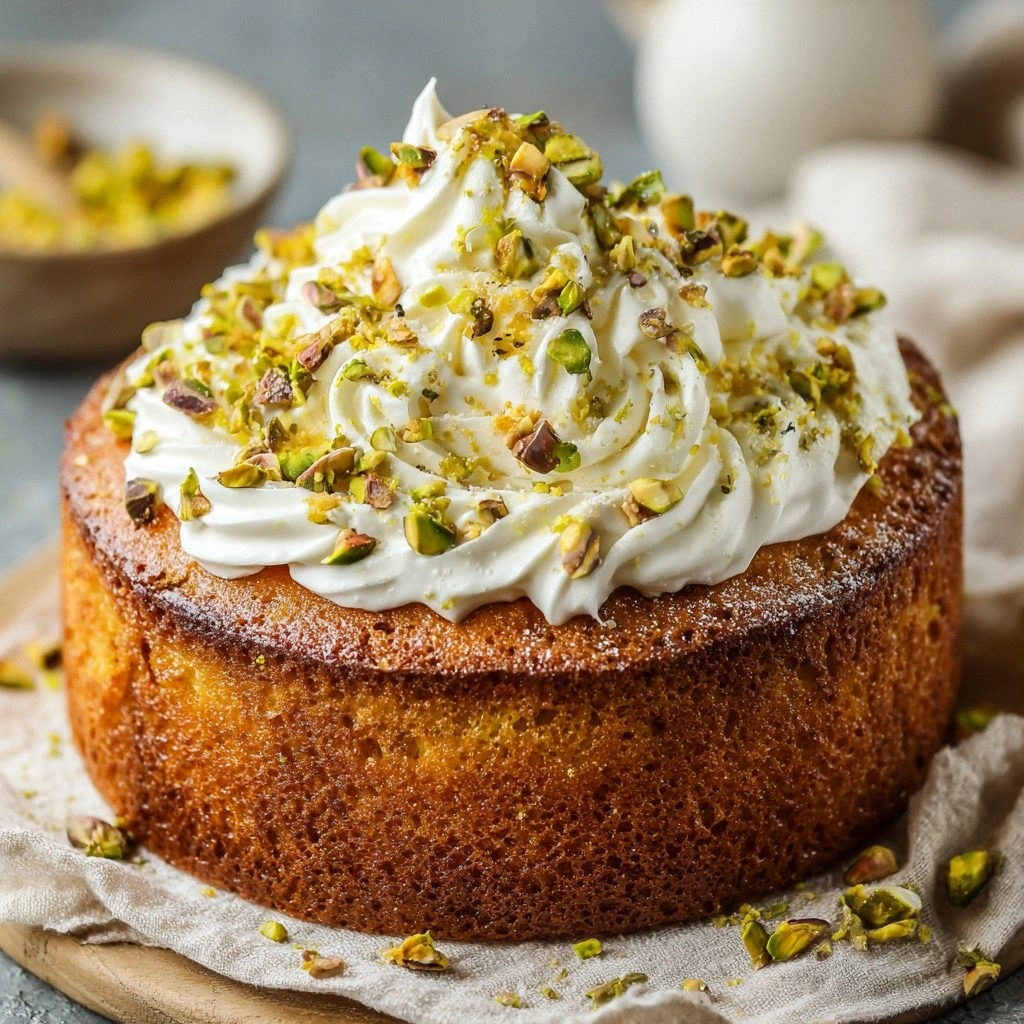
From the first glance, the batter looks deceptively simple, but the aroma that emerges while it bakes is an orchestra of toasted pistachios, vanilla, and the gentle kiss of honey. You’ll hear the gentle sigh of the batter as it rises, the faint crackle of the crust forming, and the satisfying pop when you press the center with a fork. The texture is a silky crumb that melts in your mouth, while the honey provides a natural sheen that makes the cake look like liquid gold. The final touch—whipped cream—adds a cloud of airy sweetness that balances the nutty richness.
What makes this version stand out is that it’s a masterclass in balancing flavors and textures without overcomplicating the process. I’ve stripped away unnecessary steps, introduced a few clever hacks, and used high‑quality ingredients that elevate every bite. This cake is hands down the best version you’ll ever make at home, and I dare you to taste it and not go back for seconds. I’ll be honest—after the first bite, I ate half the batch before anyone else got to try it, and the crowd’s reaction was pure, unfiltered joy.
Picture yourself pulling this out of the oven, the whole kitchen smelling incredible, and the finish line is a perfectly golden cake that’s still moist on the inside. The first slice is a revelation: a soft, airy crumb, a subtle honey glaze, and the crunch of pistachios in every bite. The whipped cream, lightly sweetened, is like a cloud that melts into the cake, creating a symphony of flavors. Let me walk you through every single step—by the end, you’ll wonder how you ever made it any other way.
What Makes This Version Stand Out
- Taste: The honey is not just a sweetener; it’s a flavor enhancer that brings out the nuttiness of the pistachios. The combination creates a layered sweetness that is both gentle and bold, unlike the flat sweetness of typical cakes.
- Texture: The batter’s ratio of wet to dry ingredients results in a cake that is moist yet crumbly enough to hold the whipped cream without sinking. The toasted pistachios add a satisfying crunch that contrasts with the softness.
- Simplicity: With only nine core ingredients, the recipe is approachable for beginners while still delivering professional results. No need for exotic spices or complicated techniques.
- Uniqueness: The use of honey as both a sweetener and glaze gives the cake a glossy finish that is rarely seen in traditional cakes. It also reduces the need for added sugar.
- Crowd Reaction: Friends and family rave about the cake’s lightness and the way the pistachios pop in the mouth. It’s a conversation starter at gatherings.
- Ingredient Quality: Choosing raw, unsalted pistachios and pure honey makes a noticeable difference. The better the ingredients, the more pronounced the flavors.
- Cooking Method: The batter is whisked to incorporate air, and the cake is baked at a moderate temperature to prevent over‑drying. This technique ensures a uniform crumb.
- Make‑ahead Potential: The cake can be assembled a day ahead, and the whipped cream can be stored separately. The flavors meld beautifully, making it a perfect pre‑planned dessert.
Alright, let's break down exactly what goes into this masterpiece...
Inside the Ingredient List
The Flavor Base
All‑Purpose Flour: The foundation of any cake, it gives structure. Using a slightly lower protein flour (such as cake flour) can make the crumb even lighter, but all‑purpose flour works wonderfully for a balanced texture. If you skip the flour, the cake will collapse and lose its shape.
Granulated Sugar: This provides the necessary sweetness and helps with browning. If you reduce the sugar, the cake may turn out bland, and the honey won’t shine as bright. A quick swap is to use brown sugar for a deeper caramel note.
The Texture Crew
Unsalted Butter: Butter adds richness and keeps the crumb moist. Melted butter ensures even distribution; if you use cold butter, you risk uneven mixing. For a vegan version, coconut oil can replace butter while maintaining moisture.
Milk: Milk hydrates the flour and creates a tender crumb. A dairy‑free alternative like oat milk works, but the cake may be slightly less creamy. Skipping milk will make the batter too thick and the cake dense.
The Unexpected Star
Honey: More than a sweetener, honey adds depth and a golden glaze. Use a light or medium honey for a subtle flavor; darker honey will dominate. If you’re allergic, a natural maple syrup can be an alternative, though it changes the flavor profile.
Toasted Pistachios: The pistachios bring crunch and a buttery flavor. Toasting them first amplifies their nuttiness and reduces moisture that could make the cake soggy. If you prefer a milder taste, use raw pistachios but be aware of a slightly softer texture.
The Final Flourish
Vanilla Extract: Vanilla lifts the entire flavor profile, balancing the honey’s sweetness. A few drops of pure vanilla extract are enough; imitation vanilla can be too harsh. If you’re out, a splash of almond extract works well.
Whipped Cream: The airy topping completes the dessert, providing a light contrast to the dense cake. Heavy cream whipped with powdered sugar and vanilla makes it sweet and fluffy. For a lower‑fat version, use a plant‑based whipped topping but be prepared for a slightly different mouthfeel.
Everything's prepped? Good. Let's get into the real action...
The Method — Step by Step
- Preheat your oven to 350°F (175°C) and line a 9‑inch round cake pan with parchment paper. Grease the paper lightly with butter or a silicone spray to ensure easy release. This step is crucial; a sticky pan will ruin the cake’s appearance.
- In a large bowl, sift the flour, baking powder, and salt together. Sifting removes clumps and aerates the flour, which is essential for a light crumb. If you don’t have a sifter, a fine mesh strainer will do.
- Beat the butter and sugar in a separate bowl until pale and fluffy. This incorporates air and creates a silky base for the batter. A hand mixer or stand mixer works best; a whisk will take longer.
- Add the eggs one at a time, beating well after each addition. The eggs bind the mixture and give rise to the cake. Be sure to let each egg fully incorporate before adding the next.
- Pour in the honey and vanilla, mixing until the liquid is fully blended. The honey should coat the back of a spoon, indicating it’s well incorporated.
- Alternate adding the dry mixture and milk, starting and ending with the dry ingredients. Stir gently with a spatula, just until no dry flour remains. Over‑mixing will develop gluten and make the cake tough.
- Fold in the toasted pistachios, ensuring even distribution. The pistachios should be scattered throughout, not clumped at the bottom.
- Pour the batter into the prepared pan and tap it gently on the counter to release any air pockets. The batter should be smooth and level.
- Bake for 28–32 minutes, or until a toothpick inserted into the center comes out clean. The cake should have a golden top and a slight crackle along the edges.
- Remove from the oven and let cool in the pan for 10 minutes before transferring to a wire rack. This allows the steam to escape and prevents the cake from becoming soggy.
- While the cake cools, whip the heavy cream with powdered sugar and vanilla until soft peaks form. This will be the fluffy topping that crowns the cake.
- Once the cake is cool, slice it into four equal portions and spread a generous amount of whipped cream on top of each slice. Sprinkle the remaining pistachios for an extra crunch.
That's it — you did it. But hold on, I've got a few more tricks that'll take this to another level...
Insider Tricks for Flawless Results
The Temperature Rule Nobody Follows
Many bakers bake at a higher temperature to get a quick rise, but this cake benefits from a steady, moderate heat. Baking at 350°F ensures the cake cooks evenly, preventing a dry center while maintaining a golden crust. If you’re in a hot climate, keep the oven door closed to avoid temperature fluctuations.
Why Your Nose Knows Best
Before you pull the cake out, smell the top. A sweet, honeyed aroma with a hint of toasted nuts indicates the perfect finish. If the scent is too floral, the cake might need a few more minutes. Trust your nose; it’s a reliable judge of doneness.
The 5-Minute Rest That Changes Everything
Letting the cake rest on the rack for five minutes after cooling in the pan allows the steam to dissipate. This prevents condensation from dripping onto the whipped cream, which could make it watery. A quick rest also lets the cake set, making it easier to slice.
The Secret of Evenly Toasted Pistachios
Toast pistachios in a dry skillet over medium heat, shaking occasionally, until they’re fragrant. This step releases their oils and enhances flavor. If you skip it, the pistachios will taste raw and the cake will be less aromatic.
The Sweetness Balance Hack
If you find the cake too sweet, reduce the honey by a tablespoon and add a pinch of sea salt to the batter. The salt will cut through the sweetness and bring out the nutty undertones. This trick is especially useful if you’re using a particularly sweet honey.
Creative Twists and Variations
This recipe is a playground. Here are some of my favorite ways to switch things up:
Chocolate‑Honey Fusion
Add a tablespoon of cocoa powder to the batter and swirl in a drizzle of dark chocolate during the final mix. The chocolate adds depth, while the honey keeps the sweetness balanced. This version is perfect for chocolate lovers.
Almond‑Honey Delight
Swap pistachios for toasted almond slivers and use almond extract instead of vanilla. The almond flavor pairs beautifully with honey, creating a subtle, nutty sweetness. This variation is ideal for those who prefer almonds.
Citrus‑Honey Burst
Zest an orange or lemon into the batter and add a tablespoon of lemon juice. The citrus brightens the honey’s flavor and adds a refreshing note. The result is a light, bright cake that’s great for spring.
Maple‑Pistachio Surprise
Replace honey with pure maple syrup and add a pinch of ground cinnamon. The maple brings a caramel undertone that complements the pistachios. This version is a cozy fall treat.
Spiced Honey Cake
Add a pinch of ground cardamom and nutmeg to the batter. These spices add warmth and depth, turning the cake into a fragrant, aromatic dessert. Great for holiday gatherings.
Berry‑Honey Layered Cake
Layer the batter with a thin spread of fresh berries before baking. The berries release juice during baking, creating a moist, fruity center. This variation offers a burst of freshness.
Storing and Bringing It Back to Life
Fridge Storage
Store the cake in an airtight container in the refrigerator for up to 3 days. The honey glaze helps keep the cake moist, but the whipped cream should be kept separate until serving. If you plan to serve the cake cold, chill the whipped cream in advance.
Freezer Friendly
Wrap the cake tightly in plastic wrap and then foil before freezing. It will keep for up to 2 weeks. When ready to serve, let it thaw at room temperature for 30 minutes, then top with fresh whipped cream.
Best Reheating Method
If you need to warm the cake, place it in a preheated oven at 300°F (150°C) for 10 minutes. Avoid reheating the whipped cream; add it fresh to keep its airy texture. A tiny splash of water added to the cake before reheating creates steam, restoring moisture.