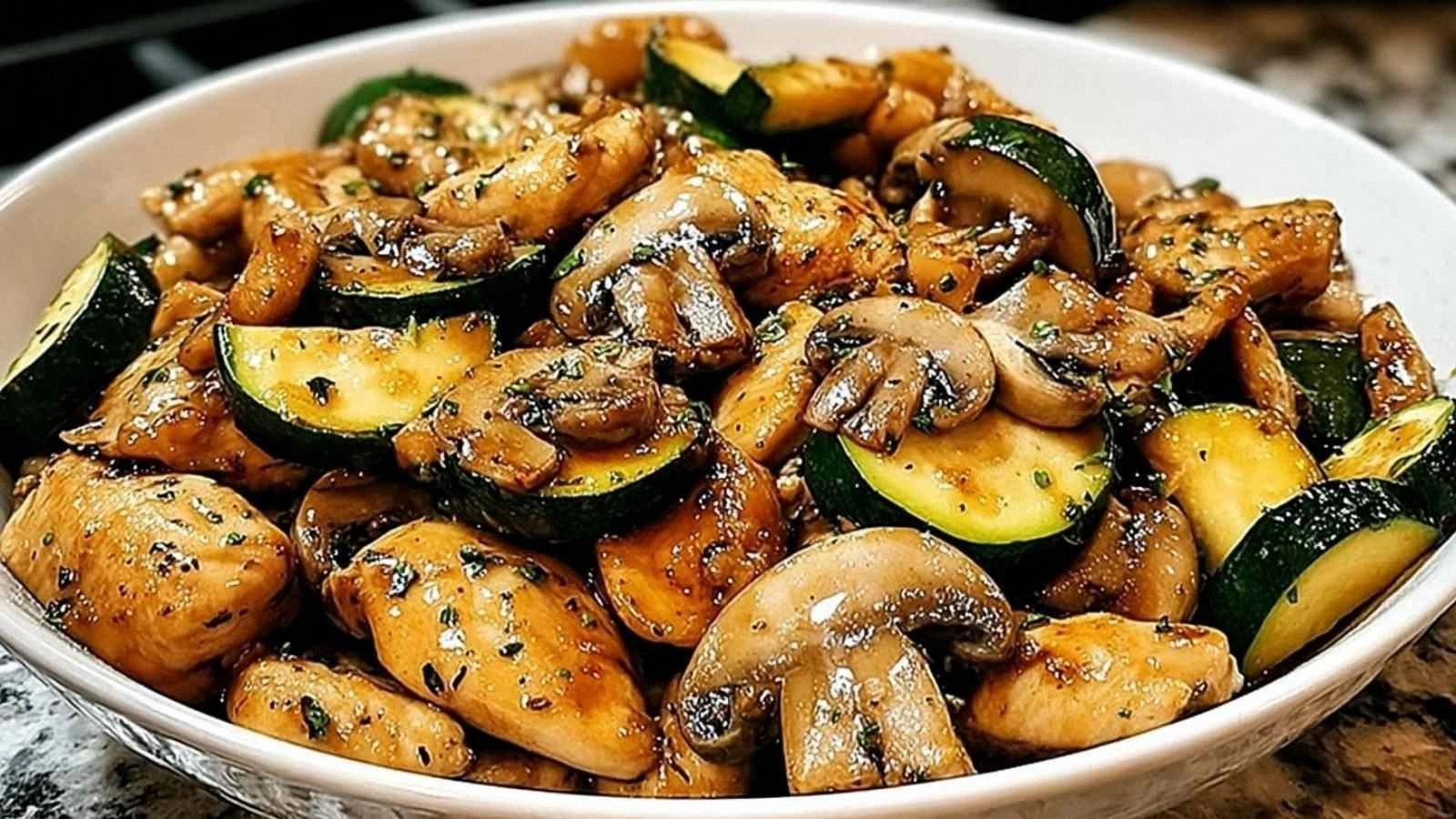
Picture this: the kitchen clock was ticking, the fridge was a silent abyss, and your friends were demanding a dinner that would make their taste buds dance. I stared at a stack of forgotten zucchini and mushrooms, feeling a pang of culinary desperation. Then, like a flash of inspiration, I decided to turn those humble vegetables into a star with a splash of soy, honey, and ginger. The result? A dish that feels like a warm hug on a cold evening, yet bright enough to lift any mood.
I was halfway through a marathon of take‑out orders when I heard the clatter of a pan. The aroma that erupted was a promise of something special—an earthy umami, a hint of sweetness, and a whisper of spice that made my senses jump. The sizzling sound was a drumbeat, the steam a soft halo, and the sight of golden mushrooms and crisp zucchini a visual feast. I grabbed a knife, sliced, and the kitchen transformed into a stage where flavor was the star.
If you've ever stared at a sheet of ingredients and felt paralyzed, this recipe is your lifeline. The blend of low‑sodium soy, honey, and rice vinegar creates a sauce that coats the chicken like velvet, while the sesame oil adds a nutty finish that lingers on the palate. The mushrooms bring a chewy texture that contrasts the tender zucchini, and the ginger gives a bright bite that wakes up every bite. I dare you to taste this and not go back for seconds.
The secret sauce? A touch of cornstarch that gives the glaze a glossy sheen and a satisfying bite. The cornstarch also thickens the mixture so it clings to each ingredient, preventing the pan from turning into a sad, watery mess. This little trick keeps the dish from drying out and adds a silky mouthfeel that feels both indulgent and healthy. I’ll be honest—I ate half the batch before anyone else got to try it.
By the time you finish reading this, you’ll have a recipe that’s not only foolproof but also a conversation starter. Picture yourself pulling this out of the pan, the whole kitchen smelling incredible, and your guests cheering for an encore. I promise this is hands down the best version you'll ever make at home. Let me walk you through every single step—by the end, you'll wonder how you ever made it any other way.
What Makes This Version Stand Out
- Taste: The balanced blend of sweet, savory, and umami flavors creates a harmonious profile that satisfies any palate. The honey and soy sauce duet forms a sweet-savory backbone, while the ginger adds a bright, slightly peppery kick.
- Texture: The tender chicken, crisp zucchini ribbons, and meaty mushrooms deliver a multi‑sensory bite that feels like a culinary playground. The sauce glazes each piece, adding a silky finish that keeps everything moist.
- Ease: Every step is designed for the kitchen warrior who wants results without a time‑consuming prep. From pre‑cut veggies to a single‑pan cook, the dish is a breeze.
- Versatility: Swap in any protein or adjust the sauce to match your dietary needs. It’s a blank canvas that adapts to your cravings.
- Visual Appeal: The vibrant green zucchini and earthy mushrooms create a color palette that looks as good as it tastes. The sesame seeds add a pop of nutty crunch.
- Nutrition: Packed with lean protein, fiber, and healthy fats, this dish hits the sweet spot for a balanced meal. It’s a guilt‑free indulgence.
- Make‑Ahead Friendly: The flavors deepen overnight, making it perfect for meal prep or a quick dinner rush.
- Crowd‑Pleaser: The universal flavor profile means it’s a hit at family dinners, potlucks, or a quick weeknight meal.
Alright, let's break down exactly what goes into this masterpiece...
Inside the Ingredient List
The Flavor Base
Low‑sodium soy sauce is the backbone of this sauce, delivering that deep umami punch without drowning the other flavors. It balances the sweetness of honey and the acidity of rice vinegar, creating a sauce that coats without overpowering. If you’re watching sodium, consider using a low‑sodium or tamari alternative—just keep the volume the same.
Honey or maple syrup acts as the sweet counterpoint, softening the saltiness of the soy and adding a silky sheen. The choice between honey and maple depends on your preference: honey gives a floral note, while maple adds a deeper, molasses‑like warmth. If you’re vegan, maple syrup is a perfect substitute.
Rice vinegar provides a mild acidity that brightens the dish. It prevents the sauce from becoming cloyingly sweet and gives the chicken a subtle tang. If you don’t have rice vinegar, a splash of white wine vinegar works well, but keep the amount moderate to avoid sharpness.
The Texture Crew
Boneless skinless chicken breasts are the protein star, chosen for their lean quality and ability to absorb flavors. Cutting them into bite‑size pieces ensures even cooking and quick searing. If you prefer a different protein, tofu or shrimp can be used with minimal adjustments.
Zucchini is the green, crisp element that brings a fresh crunch. Slice it into thin ribbons or half‑moons for maximum surface area, allowing the sauce to cling. If zucchini is out of season, green beans or sliced bell peppers work as excellent stand‑ins.
Cremini or button mushrooms add earthiness and chewiness, creating a contrast to the tender chicken. Slice them evenly to ensure they cook at the same rate. For a richer flavor, try shiitake or portobello slices.
The Unexpected Star
Fresh ginger and garlic infuse the dish with aromatic depth. The ginger’s peppery bite cuts through the richness, while garlic adds a savory undertone. Mince them finely so they release their flavors quickly; a coarse chop will result in uneven taste.
Sesame oil, though used sparingly, delivers a nutty aroma that elevates the entire dish. It should be added at the end to preserve its delicate flavor. If you’re allergic, you can omit it, but the dish will lose that signature finish.
The Final Flourish
Cornstarch is the secret to that glossy, silky sauce. It thickens without adding bulk, ensuring the glaze clings to every bite. Mix it with a little water to create a slurry before adding to the pan to avoid clumps.
Low‑sodium chicken broth adds moisture and depth, preventing the pan from drying out. It also balances the saltiness of soy sauce. If you’re vegan, replace it with vegetable broth.
Sesame seeds and sliced green onions provide a final pop of color and crunch. Toss them in at the very end for a fresh, vibrant finish. For a milder taste, you can skip the seeds and keep the green onions.
Everything's prepped? Good. Let's get into the real action...
The Method — Step by Step
- Heat a large skillet or wok over medium‑high heat until it shimmers. Add 1 tablespoon of olive oil, swirling to coat. The oil should begin to lightly smoke, signaling the right temperature. This step is critical; too low and the chicken won’t sear, too high and it will burn.
- Season the chicken pieces with a pinch of salt and pepper, then add them to the pan in a single layer. Let them cook undisturbed for 3–4 minutes until a golden crust forms on one side. Flip and cook for another 2 minutes. This creates a caramelized exterior that locks in juices.
- Remove the chicken and set aside. In the same pan, add the sliced zucchini and mushrooms. Stir-fry for 3–4 minutes, allowing the vegetables to soften but still retain a bright green color. The moisture from the veggies will create a subtle steam, helping the sauce to thicken later.
- Add minced garlic and ginger to the pan, sautéing for 30 seconds until fragrant. The aroma should be intoxicating, signaling that the aromatics have released their essential oils. Be careful not to let them burn; a quick stir keeps them from scorching.
- Whisk together 1/4 cup soy sauce, 1 tablespoon honey, 1 tablespoon rice vinegar, 1 teaspoon sesame oil, 1 tablespoon cornstarch mixed with 2 tablespoons water, and 1/2 cup chicken broth. Pour this mixture over the vegetables, stirring to combine. The sauce should thicken instantly, coating the veggies and chicken.
- Return the chicken to the pan, tossing everything together so the sauce coats each piece. Reduce heat to medium and simmer for 5 minutes, allowing the flavors to meld. The edges of the chicken will start pulling away from the pan, signaling readiness.
- Stir in sliced green onions and sesame seeds, cooking for an additional minute. The green onions should soften slightly, while the sesame seeds provide a nutty crunch. This final touch adds both flavor and visual appeal.
- Serve immediately over steamed rice, quinoa, or your favorite grain. The sauce should be glossy and cling to every morsel. Garnish with extra green onions if desired.
That's it — you did it. But hold on, I've got a few more tricks that'll take this to another level...
Insider Tricks for Flawless Results
The Temperature Rule Nobody Follows
Maintaining the correct heat is the secret to a perfect sear and sauce. Too low, and the chicken will steam, losing that coveted caramelized crust. Too high, and the sauce will burn, turning sweet into bitter. I keep a metal thermometer handy; 375°F is the sweet spot for a quick sear.
Why Your Nose Knows Best
When the sauce starts to thicken, the aroma changes from sweet to caramelized. That scent is your cue to reduce the heat and let the flavors deepen. Trusting your nose ensures you don’t overcook or underseason.
The 5‑Minute Rest That Changes Everything
After you remove the pan from heat, let the dish rest for 5 minutes before serving. This allows the juices to redistribute, keeping the chicken moist and the sauce thick. I’ve seen people skip this step, resulting in a dry, unevenly flavored meal.
The Quick‑Stir Technique
When adding the cornstarch slurry, stir briskly in a circular motion to prevent clumps. A quick whisk before pouring can also help, ensuring a silky sauce that coats without lumps. I used to let the slurry sit, and the sauce clumped—now I whisk it like a pro.
The Fresh‑Ingredient Swap
If you’re short on fresh ginger, use ginger paste or a small amount of ground ginger. The flavor will be slightly different but still delicious. A friend once used ground ginger and the dish turned out surprisingly good, proving flexibility can be a friend.
Creative Twists and Variations
This recipe is a playground. Here are some of my favorite ways to switch things up:
Spicy Sriracha Kick
Add a tablespoon of sriracha to the sauce for heat that pairs beautifully with the sweetness. The chili’s bright flavor gives the dish an Asian‑fusion vibe, perfect for those who like a little burn.
Thai Coconut Twist
Replace the chicken broth with coconut milk and add a pinch of Thai red curry paste. The result is a creamy, aromatic dish that feels like a trip to Bangkok without the airfare.
Mediterranean Flair
Swap soy sauce for low‑sodium tamari, and sprinkle dried oregano and a dash of lemon zest. The Mediterranean herbs bring a fresh, herbaceous note that balances the umami.
Vegan Version
Use tofu or tempeh in place of chicken, and replace honey with maple syrup. The tofu absorbs the sauce wonderfully, creating a plant‑based meal that still feels indulgent.
Quick Stir‑Fry Upgrade
Add a handful of snap peas or sliced bell peppers for extra crunch and color. This variation keeps the dish light yet satisfying, perfect for a fast, healthy dinner.
Breakfast Brunch
Serve the dish over scrambled eggs or a fluffy omelet for a protein‑packed breakfast. The savory sauce pairs nicely with the eggs, making a hearty start to the day.
Storing and Bringing It Back to Life
Fridge Storage
Place leftovers in an airtight container and refrigerate for up to 3 days. The flavors will mellow, making it even more delicious the next day. Keep the sauce separate if you want to avoid soggy veggies.
Freezer Friendly
Store in freezer‑safe bags or containers for up to 2 months. Thaw overnight in the fridge before reheating. A quick stir in a pan with a splash of water restores moisture and prevents dryness.
Best Reheating Method
Reheat on low heat, adding a splash of water or broth to steam the dish back to perfection. The sauce should regain its glossy sheen, and the chicken will stay tender. Avoid microwaving, as it can make the chicken rubbery.