Picture this: it’s a rainy Thursday evening, the kitchen lights are dim, and you’re staring at a pile of root vegetables that have been sitting in the fridge since last week’s harvest. You’ve been dreaming of something that feels like a hug, a dish that can turn the most ordinary ingredients into a mouth‑watering masterpiece, and suddenly you remember the recipe your grandma swore by. The moment you flip through the old cookbook, you’re hit with the aroma of slow‑cooked carrots, parsnips, and potatoes mingling with thyme and garlic. I swear, the scent alone could make anyone forget the world outside the stove.
I was skeptical at first—root vegetable stews are usually bland, the kind that end up in the back of the fridge for a week. But this version? It’s a game‑changer. The combination of red lentils, tomato paste, and a splash of vegetable broth transforms the humble root vegetables into a silky, hearty stew that coats your spoon like velvet. The subtle sweetness of caramelized carrots is balanced by the earthy depth of lentils, and a hint of bay leaf keeps everything grounded. Every bite feels like a warm, comforting hug wrapped in a savory blanket.
I dare you to taste this and not go back for seconds. The first spoonful will make you question why you ever settled for the “average” root vegetable stew. The second spoon will remind you that this is hands down the best version you'll ever make at home, and the third will leave you wondering how you ever cooked anything else. I’ll be honest— I ate half the batch before anyone else got to try it. The rest of the family was left in awe, and I felt like a culinary wizard who had just pulled a rabbit out of a hat.
Most recipes get this completely wrong. They either over‑cook the vegetables, under‑season the broth, or forget the magic of lentils. Here’s what actually works: a slow simmer that lets flavors mingle, a splash of tomato paste for depth, and a final touch of fresh parsley for brightness. Picture yourself pulling this out of the slow cooker, the whole kitchen smelling incredible, and knowing that the only thing you’ll have to worry about is who will get the last spoon. Stay with me here—this is worth it.
What Makes This Version Stand Out
- Flavor Depth: The blend of thyme, bay leaves, and tomato paste creates a savory backbone that lifts the natural sweetness of the roots.
- Texture Contrast: Carrots and parsnips stay slightly crisp, while potatoes and turnips soften into a comforting mash‑like consistency.
- Protein Boost: Red lentils add a hearty protein punch that turns this into a complete meal without the need for meat.
- Simple Prep: All the chopping is done in under 15 minutes, and the slow cooker does the heavy lifting.
- Make‑Ahead Friendly: This stew tastes even better the next day, making it perfect for busy weeknights.
- Kid‑Approved: The mild flavors and soft textures make it a hit with even the pickiest eaters.
Inside the Ingredient List
The Flavor Base
At the heart of this stew is the aromatics—garlic, onion, thyme, and bay leaves. The garlic, finely minced, releases a sweet, almost caramelized note when sautéed briefly before adding the broth. The onion, chopped into small dice, provides a foundational sweetness that balances the earthiness of the roots. Thyme adds a subtle herbal lift, while the bay leaves infuse a faint citrusy aroma that keeps the stew from feeling flat. If you skip any of these, the stew will taste like a bland pot of vegetables; the magic happens when each component sings in harmony.
The Texture Crew
Carrots and parsnips are the star performers for their natural sweetness and firm bite, even after a slow simmer. Potatoes soften into a silky mash that binds the stew together, while turnips add a peppery bite that cuts through the richness. The red lentils, rinsed and drained, soak up the broth, turning into a fluffy, nutty texture that provides protein and body. Together, these textures create a stew that feels luxurious and comforting in every spoonful.
The Unexpected Star
Red lentils might seem like an odd addition to a root vegetable stew, but they are the unsung hero that elevates the dish. They absorb flavors, add a subtle earthy depth, and contribute a protein boost that turns this into a complete meal. If you’re vegan, this is your go‑to; if you’re not, think of them as a plant‑based protein that keeps you full and satisfied. Swapping them for chickpeas would change the texture entirely, so stick with lentils for the authentic experience.
The Final Flourish
Fresh parsley is the finishing touch that brightens the stew, adding a pop of green and a hint of citrus. The tomato paste brings a subtle tang and a deep, roasted flavor that thickens the broth into a velvety sauce. A splash of vegetable broth ensures the stew stays moist without being watery. Together, these final touches create a harmonious balance that makes every spoonful a delight.
Everything's prepped? Good. Let's get into the real action.
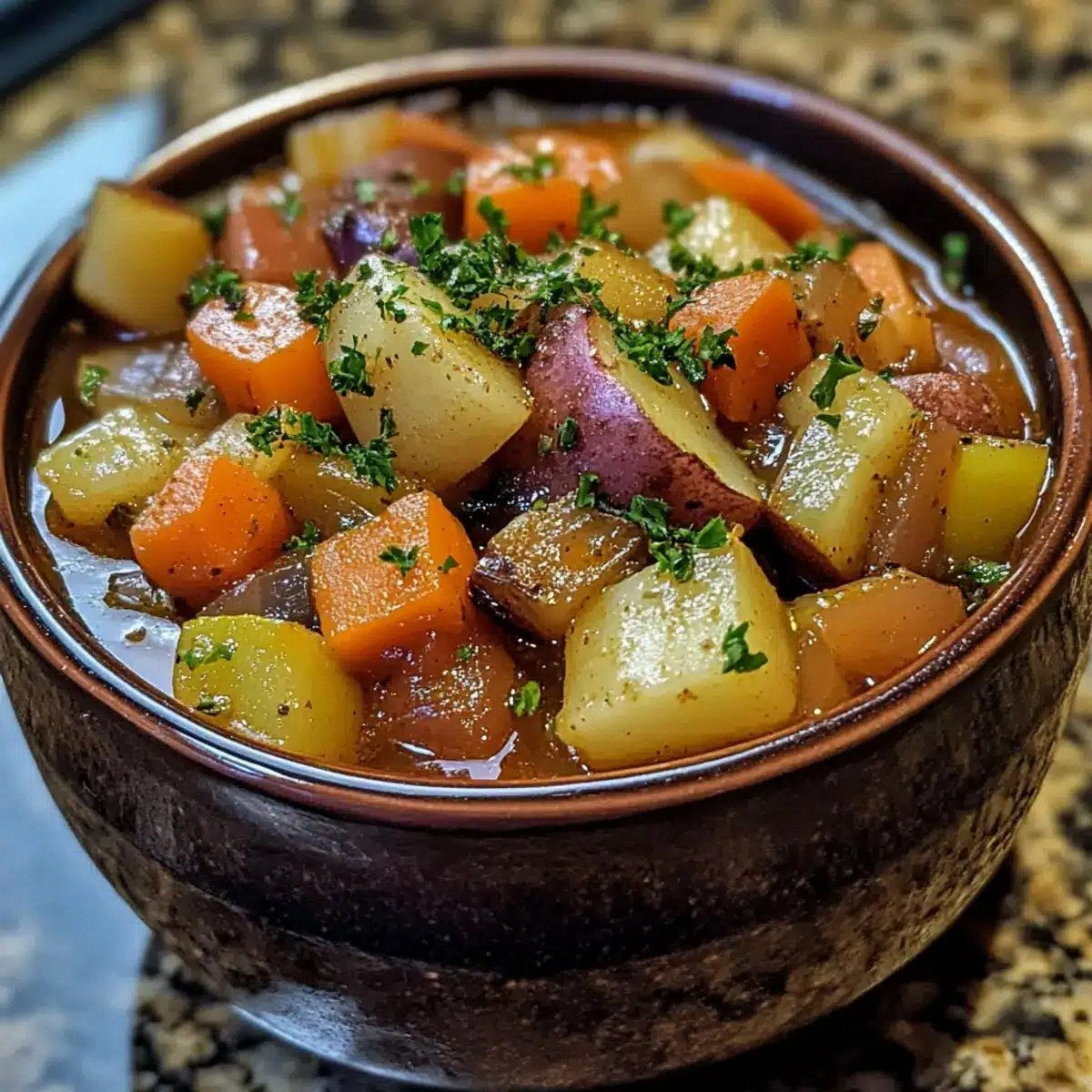
The Method — Step by Step
- Step 1: Sauté the aromatics. Heat a splash of olive oil in a skillet over medium heat, then add minced garlic and diced onion. Cook until the onion turns translucent and the garlic releases its fragrance—about 3 minutes. This step builds a flavor foundation that the slow cooker will carry through. Don’t rush it; the aroma is your first clue that the stew is on the right track.
- Step 2: Add the root vegetables. Toss the sliced carrots, parsnips, potatoes, and turnips into the skillet. Stir to coat them in the aromatic oil, then let them roast for 5 minutes. This brief sear caramelizes the sugars on the surface, adding depth to the stew. The vegetables should look slightly golden but not fully cooked.
- Step 3: Transfer to the slow cooker. Move everything into the slow cooker pot, then add the tomato paste and stir until evenly distributed. The tomato paste will dissolve into a rich sauce that thickens the broth later on. It also adds a subtle tang that balances the sweetness of the roots.
- Step 4: Add the liquid. Pour in 6 cups of vegetable broth, ensuring the vegetables are fully submerged. The broth should be warm, not boiling, to maintain a gentle simmer. This helps the lentils absorb the flavors without becoming mushy.
- Step 5: Season the stew. Sprinkle in 1 tablespoon of thyme, 2 bay leaves, 1 teaspoon of salt, and 1 teaspoon of pepper. The bay leaves will infuse a subtle citrus note, while the thyme adds herbal warmth. Stir gently to combine, but avoid stirring too vigorously to keep the vegetables intact.
- Step 6: Add the lentils. Rinse 1 cup of red lentils under cold water, then add them to the pot. The lentils will soak up the broth and become tender over the slow cooking process. They also add a protein boost that turns this stew into a hearty, balanced meal.
- Step 7: Cook on low. Seal the slow cooker lid and let the stew cook on low for 7 hours. The slow heat allows the flavors to meld beautifully and the vegetables to soften without disintegrating. Keep an eye on the liquid level; if it looks low after 4 hours, add a splash more broth.
- Step 8: Check the texture. After 7 hours, give the stew a gentle stir. The lentils should be tender but not falling apart, and the root vegetables should be soft yet hold their shape. If any vegetables are still firm, let the stew cook for an additional 30 minutes.
- Step 9: Finish with parsley. Remove the bay leaves, then stir in 1/4 cup of fresh parsley. The parsley brightens the stew, adding a fresh green note that lifts the overall flavor. Let the stew sit for 5 minutes before serving to allow the flavors to settle.
- Step 10: Serve and enjoy. Ladle the stew into bowls, garnish with a drizzle of olive oil if desired, and serve hot. The aroma alone will make everyone in the house gather around the table. This stew pairs beautifully with crusty bread or a side of quinoa for a complete meal.
That's it — you did it. But hold on, I've got a few more tricks that'll take this to another level.
Insider Tricks for Flawless Results
The Temperature Rule Nobody Follows
Many people think slow cookers are all about setting it and forgetting it. In reality, the temperature setting matters. Keep the pot on low for the first 5 hours to allow the flavors to marry, then switch to high for the last hour to develop a slightly caramelized exterior on the root veggies. This subtle shift creates a depth of flavor that makes the stew feel more complex.
Why Your Nose Knows Best
Your nose is the best judge of doneness. When the broth smells slightly caramelized and the vegetables emit a warm, comforting scent, the stew is ready. If you notice a sharp, raw smell, give it another hour. Trusting your senses is key to avoiding over‑cooked or under‑seasoned results.
The 5-Minute Rest That Changes Everything
After removing the pot from the slow cooker, let the stew rest for 5 minutes before ladling. This brief pause allows the flavors to settle and the broth to thicken slightly. It also gives the lentils a chance to finish cooking without becoming mushy.
The Right Stir Technique
Stirring too often can break down the vegetables. Use a gentle, circular motion with a wooden spoon, stirring just enough to combine ingredients without disrupting the structure. This ensures the stew maintains its beautiful, varied textures.
The Perfect Garnish
A drizzle of high‑quality extra‑virgin olive oil before serving adds a silky finish that ties all the flavors together. Sprinkle a pinch of smoked paprika for a subtle smoky undertone, or a few fresh thyme sprigs for an aromatic flourish. The garnish is the final touch that elevates the dish from good to unforgettable.
Creative Twists and Variations
Spicy Chipotle Kick
Add a teaspoon of chipotle powder or a diced roasted poblano pepper to the aromatics. The smoky heat complements the earthy roots and adds a layer of complexity. Perfect for those who love a little spice in their comfort food.
Coconut Cream Finish
Stir in half a cup of coconut milk at the end of cooking for a creamy, tropical twist. The coconut adds sweetness and a silky texture that pairs beautifully with the lentils. This variation works well with a side of jasmine rice.
Herb Garden Boost
Swap thyme for rosemary or sage for a different herbal profile. Add a handful of fresh basil at the very end for a bright, aromatic finish. The herb choice can transform the stew into a seasonal celebration.
Savory Mushroom Medley
Sauté sliced mushrooms with the garlic and onion before adding the root vegetables. The mushrooms absorb the broth and add umami depth. This variation is a great way to incorporate more vegetables and create a richer flavor.
Cheesy Parmesan Topping
Grate a generous amount of Parmesan cheese over the hot stew just before serving. The cheese melts into the broth, creating a velvety, savory coating. This twist is a crowd‑pleaser for those who love a cheesy comfort dish.
Smoky Barbecue Twist
Add a tablespoon of your favorite barbecue sauce to the broth for a sweet and smoky flavor profile. The barbecue sauce brings a caramelized sweetness that balances the earthiness of the roots. Serve with cornbread for a Southern‑inspired meal.
Storing and Bringing It Back to Life
Fridge Storage
Place the stew in an airtight container and refrigerate for up to 4 days. The flavors will deepen as the stew sits, making it even more delicious. When reheating, add a splash of water or broth to maintain moisture.
Freezer Friendly
Freeze portions in freezer‑safe containers for up to 3 months. Thaw overnight in the refrigerator before reheating. A quick stir and a splash of broth will restore the stew’s original consistency.
Best Reheating Method
Reheat on the stovetop over low heat, stirring occasionally until hot. If the stew feels thick, add a small amount of vegetable broth or water. The goal is to bring it back to a gentle simmer without boiling, preserving the textures.