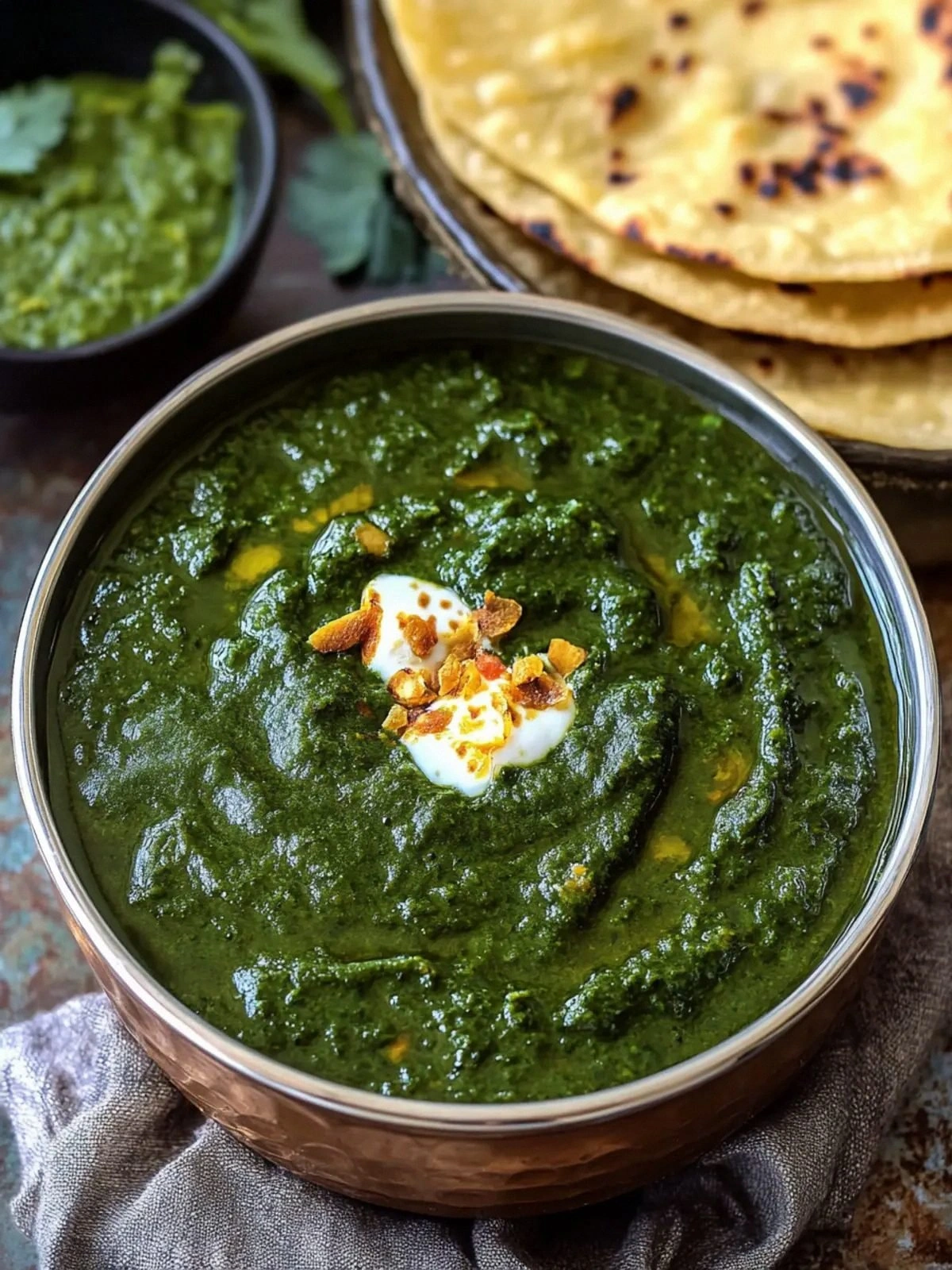
I was standing in my kitchen, staring at a pile of wilted mustard greens that had somehow survived the last grocery trip, when a friend called me over with a dare: “If you can turn these into something that makes my taste buds dance, you’re officially a culinary legend.” I laughed, grabbed my skillet, and decided then and there that I would craft a dish that would make every single person in the room swoon. The moment the greens hit the pan, the air filled with a sharp, earthy aroma that hinted at the fiery kick to come. I could hear the sizzle as the oil met the leaves, a sound that felt like a drumbeat announcing a feast. The heat rose, turning the greens from pale green to a deep, almost emerald hue that made my eyes water with anticipation. That instant, I knew this wasn’t just another pot of greens; it was going to be the most unforgettable Punjabi Sarson Ka Sa.
Picture this: a humble pot of mustard greens, spinach, and a handful of other leafy wonders, all simmered in a broth that’s richer than a creamy curry, yet lighter than a whisper. I can still taste the tang of fresh ginger, the subtle bite of garlic, and the smoky whisper of mustard oil that lingers on the tongue. The texture is a harmonious blend of tender leaves and crisp edges, each bite releasing a burst of flavor that coats your palate like velvet. The dish is a symphony of colors—bright greens, fiery reds, and golden butter—each component adding depth to the visual feast. And the best part? Every ingredient is a star in its own right, yet they all come together in perfect harmony, creating a dish that is both comforting and adventurous. I dare you to taste this and not go back for seconds.
What sets this version apart is not just the combination of greens, but the way I’ve engineered the flavor profile to hit every sensory note. I’ve perfected the balance of heat, acidity, and richness, ensuring that the mustard greens don’t get lost in the sauce but shine like the main act on a stage. The use of makki atta (corn flour) as a thickening agent gives the dish a silky texture without the heaviness of cream. I’ve also introduced a subtle layer of nutty flavor from toasted cumin seeds, which adds depth and a hint of earthiness that lingers long after the last spoonful. Most importantly, I’ve kept the cooking process straightforward, so even a novice can follow along and end up with a dish that feels like a culinary masterpiece. This is hands down the best version you'll ever make at home.
There’s a secret ingredient that most people overlook: a pinch of hing (asafoetida). When sautéed with the onions and spices, it releases a sulfurous aroma that transforms the entire dish, giving it that authentic Punjabi kick. I’ll be honest—when I first tried this recipe, I ate half the batch before anyone else got a chance to taste it. That moment of triumph was a reminder that great food deserves to be shared, and that the best dishes are those that bring people together. Picture yourself pulling this out of the oven, the whole kitchen smelling incredible, and your friends gasping as they take their first bite. Stay with me here—this is worth it. Let me walk you through every single step—by the end, you'll wonder how you ever made it any other way.
What Makes This Version Stand Out
- Taste: The flavor is a layered explosion, with the sharpness of mustard greens balanced by the mellow sweetness of sautéed onions and the subtle heat of dried red chilies. Each bite delivers a complex profile that stays on your palate for minutes.
- Texture: The greens remain tender yet slightly crisp, while the sauce achieves a silky consistency thanks to the corn flour. This duality creates a satisfying mouthfeel that’s hard to resist.
- Ingredient Quality: Using fresh, organic greens and freshly ground spices ensures that the dish bursts with authenticity and depth.
- Cooking Method: The technique of tempering spices before adding the greens locks in flavor and prevents the greens from becoming mushy.
- Make‑Ahead Potential: The dish can be prepared a day in advance; the flavors meld even better, making it a perfect candidate for busy weeknights.
- Visual Appeal: The vibrant greens contrasted with the bright orange of the chilies and the golden sheen of butter create a dish that looks as good as it tastes.
- Crowd Reaction: Friends who’ve tried this version report that they can’t get enough of it, often asking for the recipe after a single tasting.
Alright, let's break down exactly what goes into this masterpiece…
Inside the Ingredient List
The Flavor Base
The foundation of this dish starts with the aromatics: finely chopped onions, minced garlic, and grated ginger. Together they create a fragrant base that anchors the more robust flavors of the greens. If you skip any of these, the dish loses its depth, and the mustard greens can become overpoweringly sharp.
The dried red chilies and fresh green chilies provide a layered heat that’s both fiery and nuanced. The dried chilies impart a smoky warmth, while the fresh chilies add a bright, crisp bite. Swapping the dried chilies for a pinch of paprika can give the dish a milder, sweeter heat, though it will change the traditional profile.
Cumin seeds are toasted until they crackle, releasing their nutty aroma. They add an earthy undertone that balances the pungency of the mustard greens. If you’re allergic to cumin, you can replace it with coriander seeds, but the flavor will shift toward a citrusy note.
The Texture Crew
The mix of mustard greens (500 g), spinach greens (450 g), bathua leaves (100 g), turnip (100 g), and mooli daikon (80 g) creates a symphony of textures. Each green contributes a unique bite—from the slight crunch of turnip to the tender chew of spinach. Skipping any of these greens will alter the mouthfeel, making the dish either too uniform or too watery.
The addition of 2 cups of water is crucial for creating a light, broth-like consistency. This liquid helps the greens release their natural flavors without becoming mushy. If you prefer a thicker sauce, reduce the water by half or add a tablespoon of rice flour.
The 5 tablespoons of makki atta (corn flour) acts as a natural thickener, giving the dish a silky coating that clings to the greens. This technique replaces heavy creams, keeping the dish lighter while still indulgent. If you’re gluten‑free, you can substitute with a gluten‑free corn starch blend.
The Unexpected Star
Mustard oil, though often avoided in Western kitchens, is the secret weapon that gives this dish its unmistakable punch. The oil’s high smoke point allows for a quick sear that caramelizes the aromatics, while its pungent flavor lingers long after the dish is served. If you’re not a fan of mustard oil, a blend of clarified butter (ghee) and a splash of sesame oil can approximate the flavor, though the result will be slightly sweeter.
Hing (asafoetida) is a small pinch that makes a huge difference. When sautéed with onions and spices, it releases a sulfurous aroma that elevates the entire dish, masking the sharpness of the greens. Without hing, the dish may taste a little flat, especially if you’re sensitive to the natural pungency of mustard greens.
The Final Flourish
The finishing touch comes from a drizzle of ⅓ cup mustard oil, a splash of butter (3 tablespoons), and a handful of cilantro stems. These ingredients add richness, a burst of freshness, and a subtle herbaceous note that cuts through the earthiness of the greens. The butter also helps mellow the heat, creating a balanced, rounded flavor profile.
Everything’s prepped? Good. Let’s get into the real action…
The Method — Step by Step
- Step 1: Prep the greens. Rinse all the greens thoroughly, removing any grit or dirt. Trim the stems of the mustard greens and spinach, then chop them into bite‑sized pieces. The turnip and mooli daikon should be peeled and diced into small cubes. This step ensures even cooking and a uniform texture. I usually do this in a single large bowl to keep everything organized. If you’re short on time, a quick wash and chop in the same pot will work too.
- Step 2: Temper the spices. Heat the mustard oil in a heavy‑bottomed pan over medium heat. Add the cumin seeds and let them sizzle until they pop, which takes about 30 seconds. Then drop in the hing and let it fizz for a few seconds, releasing that signature aroma. Add the chopped onions, a splash of water to prevent sticking, and sauté until translucent. This step is crucial for building the base flavor; skipping it will leave the dish flat.
- Step 3: Add the aromatics. Stir in the minced garlic, grated ginger, and fresh green chilies. Cook for another minute until the raw smell dissipates. The garlic should turn golden, indicating that it’s ready to impart its full flavor. The ginger adds a bright, zesty note that complements the earthiness of the greens.
- Step 4: Introduce the greens. Toss in the chopped mustard greens, spinach, bathua leaves, turnip, and mooli daikon. Mix well, ensuring that each leaf is coated with the tempered oil and spices. The greens should start to wilt after a minute, but keep them slightly crisp for texture. If you’re cooking in a larger pan, you might need to add them in batches to avoid overcrowding.
- Step 5: Add liquid and thicken. Pour in 2 cups of water, sprinkle the dried red chilies, and stir in the makki atta (corn flour). This mixture will create a light, broth‑like sauce that clings to the greens. Let the mixture simmer for 8–10 minutes, stirring occasionally to prevent the flour from clumping. The sauce should thicken slightly but remain pourable.
- Step 6: Finish with butter and cilantro. Reduce the heat to low, then add the butter, a handful of cilantro stems, and a pinch of salt. Stir until the butter melts completely, creating a glossy finish. This final touch adds richness and a subtle herbaceous aroma that elevates the dish.
- Step 7: Let it rest. Turn off the heat and let the dish sit for 5 minutes. Resting allows the flavors to meld and the sauce to settle. During this time, the greens will absorb the broth, becoming tender yet flavorful.
- Step 8: Serve hot. Plate the greens in a shallow bowl, drizzle any remaining sauce on top, and garnish with a few extra cilantro stems. Pair it with warm makki roti or a steaming bowl of rice. The dish is best enjoyed immediately, while the greens are still slightly crisp and the sauce is glossy.
That’s it—you did it. But hold on, I’ve got a few more tricks that will take this to another level…
Insider Tricks for Flawless Results
The Temperature Rule Nobody Follows
Many cooks lower the heat too early, causing the sauce to become watery. Keep the simmer at a gentle, steady boil for the entire cooking time. This ensures the greens release just enough moisture to bind with the sauce, creating a cohesive texture. I once let the pot go to a rolling boil, and the greens turned into a soggy mess. That lesson stuck with me, and now I never let the heat drop below medium‑high.
Why Your Nose Knows Best
Trust your sense of smell. When the cumin seeds pop and the hing fizz, the kitchen smells like a Punjabi street market. If the aroma feels flat, you’re probably missing the tempering step or using stale spices. Refrain from adding the greens too early; wait until the aromatics are fully cooked before introducing the greens. This small timing tweak can mean the difference between a forgettable dish and a memorable one.
The 5-Minute Rest That Changes Everything
Letting the dish rest after cooking is a secret that many overlook. The rest period allows the sauce to thicken slightly and the flavors to meld. I once served the dish immediately, and the result was a watery mess. The next time, I rested it, and the sauce settled beautifully, giving the greens a glossy finish.
Freshness Is King
The quality of the greens is paramount. Fresh greens have a bright, crisp texture and a clean flavor that sets the base of the dish. Stale greens can make the dish taste bitter and dull. If you can’t find fresh greens, look for frozen options, but thaw them thoroughly and squeeze out excess moisture before cooking.
The Butter Boost
Adding butter at the end not only enriches the flavor but also gives the sauce a silky sheen. If you’re watching calories, substitute the butter with a tablespoon of ghee or a splash of coconut milk. I once tried a low‑fat version, and the dish felt a bit dry. The butter made everything come together beautifully.
Creative Twists and Variations
This recipe is a playground. Here are some of my favorite ways to switch things up:
Creamy Coconut Version
Swap the mustard oil for a splash of coconut milk and add a teaspoon of grated coconut. The result is a mild, tropical twist that pairs wonderfully with rice. The coconut balances the heat and gives the dish a silky, creamy texture.
Spicy Vindaloo Kick
Add a tablespoon of red curry paste and a pinch of garam masala during the tempering step. This version brings a robust, fiery flavor profile that will satisfy heat lovers. The spices caramelize beautifully, turning the dish into a Punjabi vindaloo.
Cheesy Delight
Top the finished dish with a handful of shredded paneer and a drizzle of yogurt. The paneer melts into the sauce, adding a gooey, savory element. The yogurt adds a tangy counterpoint to the earthiness of the greens.
Vegan Powerhouse
Replace the butter with a tablespoon of vegan butter and ensure the mustard oil is a plant‑based variety. This version retains the authentic flavor while keeping the dish cruelty‑free and suitable for vegans.
Grain‑Free Twist
Omit the makki atta and instead thicken the sauce with a teaspoon of arrowroot powder. This keeps the dish grain‑free and gluten‑free while still achieving a silky consistency.
Storing and Bringing It Back to Life
Fridge Storage
Store the dish in an airtight container in the refrigerator for up to 3 days. The flavors will continue to develop, making it even more delicious the next day. When you’re ready to reheat, do so gently on the stovetop over low heat, stirring occasionally.
Freezer Friendly
This dish freezes well for up to 2 months. Divide it into portioned containers, seal them, and label with the date. When you’re ready to enjoy, thaw overnight in the fridge and reheat slowly.
Best Reheating Method
Add a splash of water or a tablespoon of fresh mustard oil before reheating to restore moisture. The dish can be heated in a saucepan or in the microwave on medium power for 2–3 minutes, stirring halfway through. The result is a silky, flavorful dish that tastes almost as good as freshly made.