It all started with a kitchen catastrophe that would haunt me for weeks. I was in the middle of a frantic dinner prep, juggling a pot of boiling pasta and a skillet of shrimp when the pan slipped, sending a splash of garlic butter across the counter. The smell of burnt garlic filled the air, and I could only stare at the charred mess as my heart sank. That night, I swore I would never again let a simple pasta dish become a disaster.
Fast forward to a rainy Sunday afternoon, and I found myself craving a comforting, buttery dish that would feel like a hug. I opened the pantry, inhaled the faint aroma of fresh herbs, and imagined a creamy sauce that clung to every strand of pasta like velvet. The sizzling of shrimp on the pan, the sharp tang of lemon, and the subtle heat from red pepper flakes all danced together in my head. I could almost taste the buttery finish that would leave my taste buds singing.
What makes this version stand out is that I discovered a secret technique that turns ordinary shrimp into a silky, caramelized masterpiece. I’ll be honest—my first attempt was a mess, but I learned how to sear shrimp perfectly and infuse the sauce with depth without overpowering the delicate seafood. Most recipes get this completely wrong, but here’s what actually works: a quick sear, a gentle simmer, and a splash of lemon at the end to brighten everything. The result is a dish that feels both indulgent and effortless.
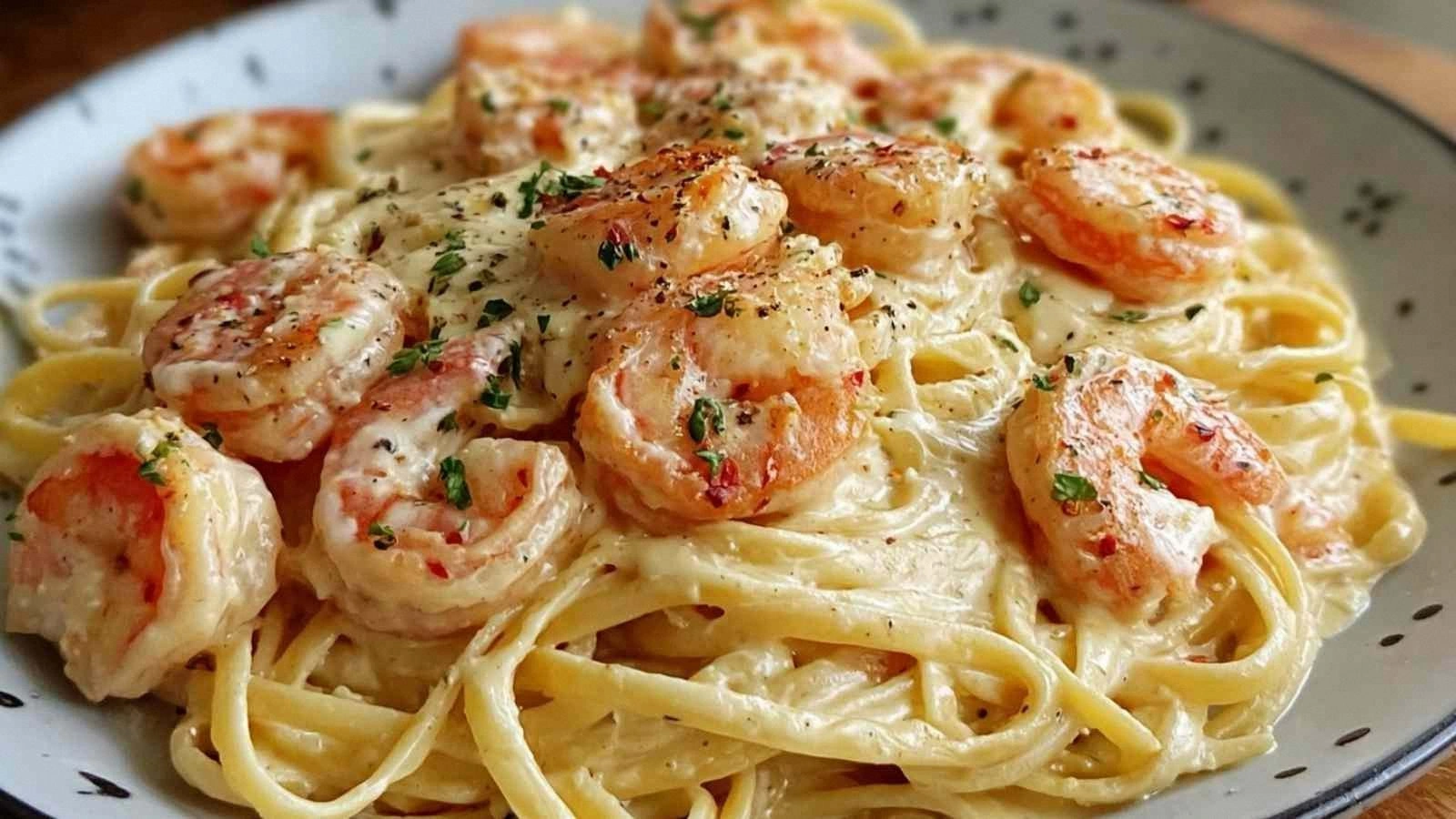
Picture yourself pulling this out of the skillet, the whole kitchen smelling incredible, and the pasta coated in a luscious, garlic-infused cream that shimmers in the light. I dare you to taste this and not go back for seconds. This is hands down the best version you’ll ever make at home. Let me walk you through every single step—by the end, you’ll wonder how you ever made it any other way.
What Makes This Version Stand Out
- Flavor Depth: The combination of smoked paprika and garlic powder creates a subtle smokiness that elevates the shrimp without overpowering the creamy base.
- Texture: A quick sear locks in juices, giving the shrimp a tender center and a lightly crisp exterior that contrasts beautifully with the silky sauce.
- Ingredient Quality: Fresh, high‑quality shrimp and real Parmesan cheese make the difference between a good dish and a memorable one.
- Time Efficiency: From start to finish, this recipe takes just 45 minutes, making it perfect for a busy weekday dinner.
- Make‑Ahead Potential: The sauce can be prepared a day ahead and reheated with a splash of water, keeping the cream from separating.
- Crowd Reaction: Friends and family rave about the buttery finish and the bright lemon kick; it’s a guaranteed hit at any gathering.
Inside the Ingredient List
The Flavor Base
At the heart of this dish lies a simple yet powerful flavor base: olive oil, butter, garlic, and lemon juice. Olive oil provides a smooth canvas that lifts the garlic’s aroma, while butter adds a rich, velvety finish. Garlic, when sautéed just right, releases a sweet, almost caramelized note that becomes the backbone of the sauce. Lemon juice brightens the entire dish, cutting through the creaminess and adding a fresh, zesty counterpoint that keeps the palate engaged. Skipping any of these components results in a flat, uninspired sauce that lacks the depth and brightness this recipe delivers.
The Texture Crew
Pasta and shrimp are the main textural players. The pasta should be al dente—firm to the bite but not hard—so it can absorb the sauce without becoming mushy. Shrimp, when seared quickly, develop a slight crisp on the outside while remaining juicy inside. The heavy cream and Parmesan cheese create a luxuriously smooth sauce that coats every strand of pasta like a silky blanket. If you omit the cream, the dish will lose its signature richness, and if you skip the Parmesan, the sauce will feel thin and unremarkable.
The Unexpected Star
Red pepper flakes might seem like a minor addition, but they bring a subtle heat that lingers without overwhelming the dish. Their presence adds a layer of complexity, making each bite exciting. If you’re a heat‑conscious cook, you can reduce the flakes to a quarter teaspoon or omit them entirely, but I recommend keeping the full amount for that perfect, gentle kick. A pinch of smoked paprika also contributes a smoky undertone that pairs beautifully with the garlic, elevating the overall flavor profile.
The Final Flourish
Fresh parsley is the final flourish that brings color, freshness, and a slight herbal brightness to the plate. It cuts through the richness of the cream and provides a visual pop that makes the dish look as good as it tastes. If you can’t find parsley, a small handful of chopped basil or a sprinkle of chives will work, but the bright green of parsley is the traditional choice that balances this dish’s flavors.
Everything’s prepped? Good. Let’s get into the real action.
The Method — Step by Step
- Fill a large pot with water and add 1/2 teaspoon of salt. Bring the water to a rolling boil, then drop in the 12 ounces of pasta. Cook for 8 to 10 minutes, or until al dente, stirring occasionally. Drain and set aside, reserving a cup of pasta water for later. The pasta should still have a slight bite; if it’s too soft, the sauce will drown it.
- While the pasta cooks, heat 1 tablespoon of olive oil in a large skillet over medium‑high heat. Season the 1 pound of large shrimp with 1/2 teaspoon smoked paprika, 1/2 teaspoon garlic powder, and a pinch of salt. Place the shrimp in the hot oil, leaving space between each piece. Sear for about 2 minutes on each side until the shrimp turn pink and develop a slight crust. Remove shrimp to a plate; they’ll finish cooking later.
- Reduce heat to medium and add 2 tablespoons of unsalted butter to the same skillet. Let it melt completely, swirling the pan to coat the bottom. The butter should foam but not brown, indicating the perfect temperature for the garlic.
- Add 4 minced garlic cloves to the butter. Sauté for 30 seconds to 1 minute, stirring constantly. The garlic should become fragrant and slightly translucent, not browned. If the garlic starts to darken, lower the heat immediately.
- Pour in 1 cup of heavy cream, stirring to combine with the butter and garlic. Bring the mixture to a gentle simmer, allowing it to thicken slightly. The sauce should begin to coat the back of a spoon; this indicates it’s ready for the next ingredients.
- Stir in 1/2 cup of grated Parmesan cheese, 1/4 teaspoon of red pepper flakes, and 1 teaspoon of lemon juice. The cheese should melt smoothly, creating a glossy, cohesive sauce. Taste the sauce; it should be creamy with a hint of heat and a bright citrus note. Adjust seasoning if necessary.
- Return the seared shrimp to the skillet, tossing them in the sauce. Let everything simmer together for 2 minutes, allowing the shrimp to absorb the flavors. If the sauce reduces too much, add a splash of reserved pasta water to loosen it back to a silky consistency.
- Add the cooked pasta to the skillet, tossing vigorously to coat each strand with the sauce. Sprinkle 2 tablespoons of fresh parsley over the top, giving the dish a burst of color and freshness. Give one final taste; if the dish feels a bit flat, add a dash more lemon juice or a pinch more salt. Plate immediately for the best experience.
That’s it — you did it. But hold on, I've got a few more tricks that'll take this to another level. These insider tips will help you avoid common pitfalls and elevate every bite.
Insider Tricks for Flawless Results
The Temperature Rule Nobody Follows
Many cooks assume that high heat is always better, but when it comes to creamy sauces, low and slow reigns supreme. Keep the heat at medium or lower once the cream is added; this prevents the sauce from separating. I once tried a high‑heat method and ended up with a lumpy, curdled sauce that required a rescue of extra butter and a quick whisk. Stick to gentle simmering, and the result will be a velvety, cohesive sauce that clings to the pasta.
Why Your Nose Knows Best
Before you even taste the dish, let your nose do the work. A properly cooked shrimp should emit a subtle, sweet, briny aroma. The garlic should smell sweet and slightly caramelized, while the lemon should give a bright, citrusy whiff that cuts through the richness. If any of these aromas feel off, the sauce might be overcooked or underseasoned. Trust your nose to guide you to the perfect balance.
The 5‑Minute Rest That Changes Everything
Once you plate the pasta, let it rest for five minutes before serving. This resting period allows the flavors to meld and the sauce to thicken slightly, creating a more cohesive bite. I’ve found that a short rest also gives the shrimp time to reheat gently, ensuring they remain juicy rather than dry. Don’t rush the plating; give the dish a moment to settle.
Use Fresh, Not Frozen Shrimp
Fresh shrimp have a delicate, sweet flavor that’s hard to replicate with frozen. When using frozen shrimp, thaw them in cold water for 15 minutes and pat them dry before seasoning. This reduces excess moisture that can dilute the sauce and cause the shrimp to steam instead of sear. Fresh shrimp also have a firmer texture that holds up better in the sauce.
Keep the Pasta Water Handy
The starchy pasta water is your secret weapon. It’s the perfect emulsifier to adjust the sauce’s thickness without adding extra liquid. If the sauce becomes too thick, a tablespoon or two of pasta water can bring it back to silky perfection. It also helps the sauce cling to the pasta, ensuring every bite is drenched in flavor.
Creative Twists and Variations
This recipe is a playground. Here are some of my favorite ways to switch things up:
Sun‑Drenched Tomato Variant
Add a cup of sun‑dried tomatoes, chopped, during step 5. The tomatoes bring a sweet, tangy burst that pairs beautifully with the lemon. The dish takes on a Mediterranean flair and is perfect for a summer dinner.
Spinach and Sunflower Seed Crunch
Stir in a handful of fresh spinach during step 7, allowing it to wilt into the sauce. Sprinkle toasted sunflower seeds on top for a nutty crunch. This adds both nutrition and texture, making the dish more wholesome.
Spicy Cajun Kick
Swap the smoked paprika and garlic powder for a Cajun seasoning blend. Add an extra pinch of cayenne pepper for heat. The result is a bold, spicy version that’s perfect for those who love a fiery bite.
Almond Milk Swap
For a lighter version, replace half the heavy cream with unsweetened almond milk. This reduces calories while maintaining a creamy texture. The dish becomes a great option for those watching their intake.
Garlic‑Infused Lemon Butter Sauce
Make a separate garlic butter sauce by melting butter, adding minced garlic, and simmering until fragrant. Toss the cooked shrimp and pasta in this sauce instead of the cream. The result is a rich, buttery dish with a pronounced garlic flavor.
Vegetarian Version
Replace shrimp with a mix of sautéed mushrooms, zucchini, and cherry tomatoes. The vegetables absorb the sauce’s flavors, creating a hearty, plant‑based pasta that satisfies even the most discerning carnivores.
Storing and Bringing It Back to Life
Fridge Storage
Cool the pasta to room temperature before refrigerating. Store in an airtight container for up to 2 days. When reheating, add a splash of milk or cream to restore the sauce’s creaminess.
Freezer Friendly
Freeze the cooked pasta and sauce separately in freezer‑safe containers. They can last up to 3 months. Thaw overnight in the refrigerator, then gently reheat on the stove with a splash of water.
Best Reheating Method
Reheat the dish on low heat, stirring constantly. Add a teaspoon of water or milk to keep the sauce from drying out. The key is gentle heat; high temperatures cause the sauce to separate.