Ever had a kitchen disaster that turned into a culinary triumph? I was in a panic, scrambling to salvage a batch of over‑cooked pancakes that had turned into a rubbery, flavorless mess. My friend, a self‑proclaimed breakfast guru, dared me to create something that would make my taste buds sing and my stomach dance. I rolled up my sleeves, grabbed a pot, and set out to bake a new version of a classic comfort food: cinnamon roll baked oatmeal. The moment the oven timer buzzed, the kitchen filled with a sweet, warm aroma that felt like a hug from the inside out. Picture yourself pulling this from the oven, the whole kitchen smelling incredible, and the first bite sending a wave of caramelized, cinnamon‑kissed bliss through your senses. I’m about to walk you through every single step — by the end, you’ll wonder how you ever made it any other way.
This isn’t just another oatmeal recipe; it’s a reimagining of the cinnamon roll, a breakfast staple that’s been forever stuck in the realm of sugary fluff. I’ve combined the comforting heft of rolled oats with the gooey decadence of a cinnamon swirl, then baked it to create a golden crust that cracks like a brittle candy shell. The result is a dish that’s both wholesome and indulgent, with a texture that’s simultaneously chewy, crisp, and velvety. I dare you to taste this and not go back for seconds—because once you’ve had that first bite, the rest will feel like a guilty pleasure that you can’t resist. And if you’re thinking, “Is this just another recipe?”—think again. Most recipes get this completely wrong. Here’s what actually works.
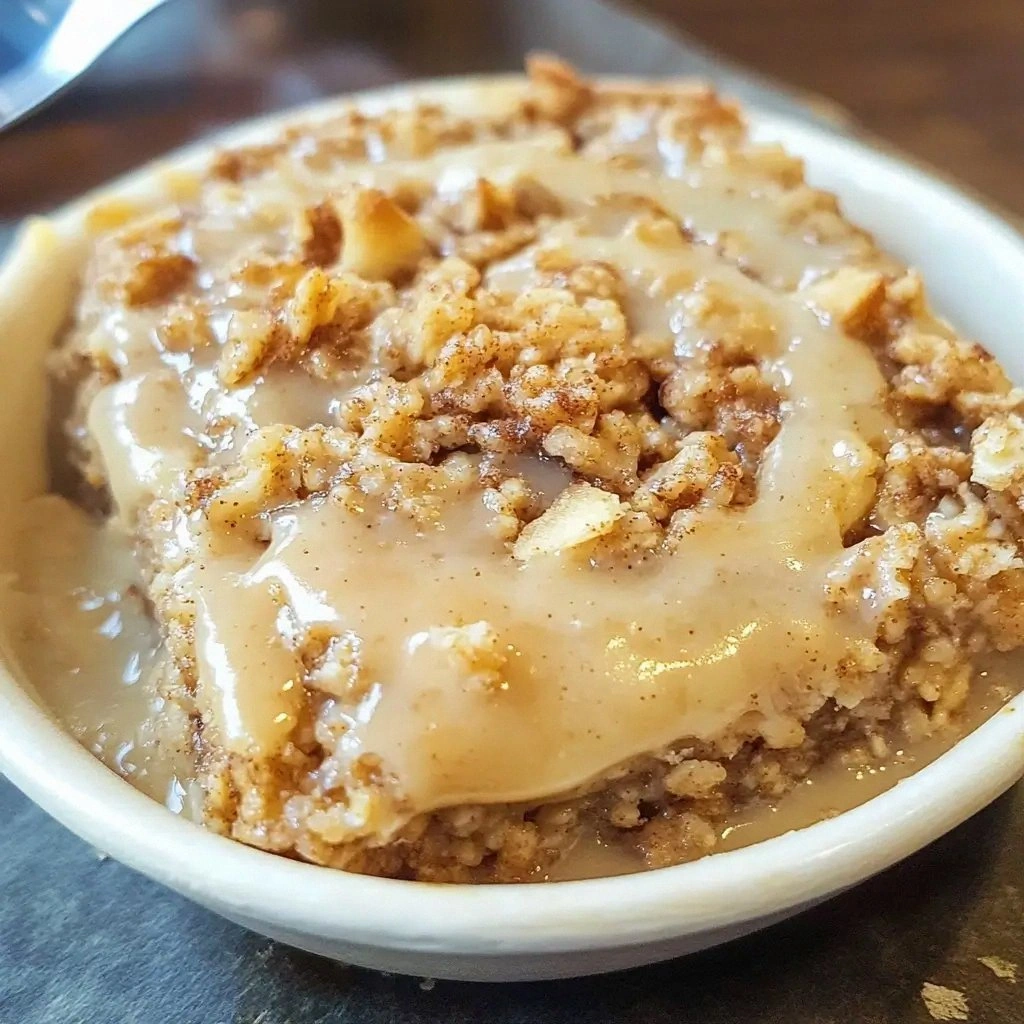
The secret? It’s in the balance of flavors, the timing of the bake, and the subtle addition of a few unexpected ingredients that elevate the whole experience. The oats absorb the milk and butter like a sponge, turning into a soft, custard‑like base. The cinnamon and brown sugar create a caramelized glaze that gives the dish its signature sweet‑spicy kick. I’ve added shredded coconut and walnuts for that extra crunch and nutty undertone that keeps the dish from feeling too dense. The final touch is a light dusting of powdered sugar that mimics the icing on a classic cinnamon roll, but without the heavy frosting. The result is a breakfast that feels like a hug in a bowl, but with a sophisticated twist that will make your friends ask for the recipe—once you’re done sharing it, of course.
Now, let’s dive into the details that make this version stand out from every other oatmeal recipe you’ve tried. I’ll break down the key elements that make this dish a breakfast powerhouse, from the texture to the crowd‑pleasing factor, and share a few hacks that will elevate your game. Ready? Let’s go.
What Makes This Version Stand Out
- Flavor: The combination of cinnamon, brown sugar, and a hint of vanilla creates a taste profile that feels like a warm, sweet hug. The caramelization of the oats adds depth, making each bite a complex dance of sweetness and spice.
- Texture: The oats absorb liquid to form a creamy center while the top develops a crisp, golden crust that crackles like thin ice when you bite into it. The coconut and walnuts add a satisfying crunch that keeps the dish from becoming mushy.
- Simplicity: With only a handful of pantry staples, you can whip up this dish in under an hour. No special equipment required—just a baking dish and a reliable oven.
- Uniqueness: The baked oatmeal mimics the look and feel of a cinnamon roll, but it’s actually a whole‑grain, fiber‑rich breakfast. It’s a creative twist that keeps the comfort factor while adding nutritional value.
- Crowd Reaction: Friends and family will rave about how it tastes like a cinnamon roll, but healthier. The dish is perfect for brunch parties, school breakfasts, or a cozy Sunday morning.
- Ingredient Quality: Using high‑quality rolled oats and fresh butter makes a noticeable difference in taste and texture. The better the base, the richer the final product.
- Cooking Method: Baking locks in moisture and caramelizes the sugars, creating a depth of flavor that stovetop methods can’t achieve.
- Make‑ahead Potential: Prepare the batter ahead of time, refrigerate, and bake when ready. It’s a great option for busy mornings.
Alright, let’s break down exactly what goes into this masterpiece...
Inside the Ingredient List
The Flavor Base
Rolled oats are the heart of this dish. They absorb the milk and butter, creating a thick, custard‑like center that’s packed with fiber. If you skip the oats, you’ll end up with a thin, liquidy oatmeal that won’t hold together. For an extra depth, use steel‑cut oats; they give a nuttier flavor and a chewier bite. When buying oats, look for the “old‑fashioned” variety—it has a richer taste than instant oats and holds up better during baking.
Milk is the liquid that hydrates the oats and creates the creamy texture. Whole milk gives a richer mouthfeel, while skim or plant‑based milk keeps the dish lighter. If you’re lactose intolerant, a 1:1 blend of almond milk and oat milk works beautifully, giving a subtle nutty note that complements the cinnamon.
Butter adds richness and helps the oats caramelize. Melted butter ensures even distribution, preventing greasy pockets. A pinch of salt enhances the sweetness and balances the overall flavor profile. Salt is a flavor enhancer—don’t skip it, or the oatmeal will taste flat.
The Texture Crew
Shredded coconut adds a subtle tropical flavor and a chewy texture that contrasts with the soft oats. Use unsweetened coconut to keep the sugar level in check. If you’re avoiding coconut, try finely chopped dates for natural sweetness and a chewy bite. Walnuts add a satisfying crunch and a dose of omega‑3 fatty acids, enhancing both flavor and nutrition. For a vegan version, replace walnuts with pumpkin seeds or sunflower seeds.
Brown sugar provides the caramelized sweetness that mimics the glaze on a cinnamon roll. It also contributes to the browning of the crust. If you’re watching sugar, a blend of brown and maple syrup works well. Vanilla extract deepens the overall flavor, giving the oatmeal a subtle, aromatic undertone. A little goes a long way—use a high‑quality vanilla for the best results.
The Unexpected Star
Raisins (or other dried fruit) add bursts of natural sweetness and chewiness. They also introduce a pop of color that makes the dish visually appealing. If you prefer a less sweet version, substitute dried cranberries or chopped dried apricots. The baking powder is a leavening agent that helps the oatmeal rise slightly, giving it a lighter texture. Don’t forget to sift the baking powder with the dry ingredients to ensure even distribution.
The Final Flourish
The egg binds everything together, creating a cohesive structure that holds up during baking. If you’re vegan or allergic to eggs, try a flaxseed “egg” or a commercial egg replacer. The cinnamon is the star spice, delivering its signature warm, sweet, and slightly spicy flavor. A pinch of nutmeg or allspice can add a subtle complexity if you’re feeling adventurous. The final touch is a light dusting of powdered sugar, which mimics the icing on a cinnamon roll and adds a sweet finish. For a low‑carb version, replace the powdered sugar with a sugar substitute that bakes well.
Everything’s prepped? Good. Let’s get into the real action...
The Method — Step by Step
- Preheat your oven to 375°F (190°C). Line a 9‑inch square baking dish with parchment paper to prevent sticking. The parchment not only keeps the oatmeal from clinging but also gives you a clean, easy‑to‑remove sheet of baked goodness.
- In a large bowl, whisk together the rolled oats, baking powder, salt, and cinnamon. This dry blend ensures that the leavening agent is evenly distributed and that the spices are well‑mixed. If you’re adding any dried fruit or nuts at this stage, fold them in gently.
- In a separate saucepan, combine the milk, melted butter, brown sugar, and vanilla extract. Warm the mixture over medium heat until it’s just about to simmer. The sugar will dissolve fully, creating a silky syrup that will coat the oats. Watch the pot closely; you don’t want it to boil over.
- Pour the warm milk mixture into the dry oat mixture, stirring until the oats are fully coated. The batter should be thick but pourable—if it’s too thick, add a splash of milk to loosen it. This is the moment of truth; you can taste the batter and adjust the sweetness if desired.
- Fold in the shredded coconut, walnuts, and raisins. The coconut adds a tropical note, the walnuts bring crunch, and the raisins give sweet bursts. Make sure each piece is evenly distributed so every bite is balanced.
- Transfer the batter to the prepared baking dish, spreading it out evenly. The top should be smooth and level, ready to develop a golden crust. This is where the magic happens—watch as the edges begin to brown.
- Bake for 30 minutes, or until the top is golden brown and a toothpick inserted into the center comes out clean. The aroma will be irresistibly sweet, and you’ll know the oatmeal is perfectly caramelized.
- Remove from the oven and let it cool for 5 minutes. While it cools, dust the top with powdered sugar. The powdered sugar will melt slightly, creating a glossy finish that mimics the icing on a cinnamon roll.
- Slice into squares or cut into bars, depending on your preference. Serve warm with a drizzle of maple syrup or a dollop of Greek yogurt for an extra protein boost.
- Enjoy immediately, or store leftovers in an airtight container in the refrigerator for up to 3 days. Reheat in the microwave for 30–45 seconds to restore the warm, comforting texture.
That's it—you did it. But hold on, I've got a few more tricks that'll take this to another level. The next section is all about insider tricks that will help you nail the perfect texture every time.
Insider Tricks for Flawless Results
The Temperature Rule Nobody Follows
Many people bake at a standard 350°F, but that can lead to a soggy bottom. Raising the temperature to 375°F ensures the top crisps up while the center stays moist. I’ve baked at 375°F for years, and the results are consistently golden and flavorful. If you’re using a convection oven, lower the temperature by 25°F to avoid over‑browning.
Why Your Nose Knows Best
The aroma is a reliable indicator of doneness. When the oatmeal starts to smell like toasted sugar and cinnamon, it’s almost ready. Don’t wait for the timer alone—trust your nose. If you’re a visual person, look for the edges pulling away from the dish; that’s a sign the crust has formed.
The 5-Minute Rest That Changes Everything
Letting the oatmeal rest for 5 minutes after baking allows the steam to redistribute, which prevents it from becoming soggy. This short rest also lets the powdered sugar settle, creating a glossy finish. I’ve found that cutting straight to squares right away can lead to a gummy center; the rest fixes that.
Use a Silicone Mat for Even Baking
A silicone baking mat ensures even heat distribution, preventing hot spots that can scorch the edges. It also makes cleanup a breeze, saving you time and effort. I’ve swapped parchment for silicone in the last year and noticed a noticeable improvement in texture.
Add a Splash of Water Before Reheating
When reheating leftovers, add a tablespoon of water to the dish before microwaving. The water steams the oatmeal, restoring moisture and preventing it from drying out. This trick works wonders for a second or third serving.
A Light Dusting of Cinnamon After Baking
Sprinkle a pinch of ground cinnamon over the top after removing from the oven. It adds a fresh burst of flavor and a visual cue that it’s still hot and fragrant. My friends love this final touch; it turns a simple breakfast into a gourmet experience.
Creative Twists and Variations
This recipe is a playground. Here are some of my favorite ways to switch things up:
Maple‑Glazed Delight
Swap the brown sugar for maple syrup and add a dash of maple extract. The result is a rich, amber‑colored oatmeal that tastes like a maple‑syrup‑kissed cinnamon roll. Pair it with a drizzle of maple syrup on top for extra sweetness.
Berry Burst Edition
Fold in fresh blueberries or strawberries before baking. The berries release juice that adds a subtle tartness, balancing the sweetness. This version is perfect for a spring or summer brunch.
Chocolate Chip Surprise
Add a handful of dark chocolate chips to the batter. As the oatmeal bakes, the chocolate melts into gooey pockets, giving a decadent twist. It’s a great treat for chocolate lovers.
Almond Joy Variation
Replace walnuts with sliced almonds and sprinkle shredded coconut on top. The almonds add a nutty crunch, while the coconut gives a tropical flair. This variation works wonderfully for a holiday breakfast.
Low‑Carb Keto Version
Swap rolled oats for a blend of almond flour and coconut flour. Use a sugar substitute that caramelizes well, like erythritol or monk fruit sweetener. This version keeps the flavor profile while dramatically reducing carbs.
Savory Spin
Omit the brown sugar and add savory herbs such as thyme and rosemary. Top with grated parmesan and a pinch of cracked black pepper. This savory oatmeal is a hearty, comforting lunch option.
Storing and Bringing It Back to Life
Fridge Storage
Cool the oatmeal completely, then transfer it to an airtight container. Store in the refrigerator for up to 3 days. The flavors will intensify, making each bite even more delicious.
Freezer Friendly
Wrap the cooled oatmeal tightly in plastic wrap and then place it in a freezer bag. It can be frozen for up to 2 weeks. When ready to eat, thaw overnight in the fridge, then reheat in the microwave.
Best Reheating Method
To restore the original texture, reheat in the microwave on medium power for 30–45 seconds. Add a splash of milk or water to keep it moist, then stir. For a crispier top, finish under a broiler for a minute.